
Close Menu
FlyMarshallFlyMarshall
  • Aviation
    • AeroTime
    • Airways Magazine
    • Simple Flying
  • Corporate
    • AINonline
    • Corporate Jet Investor
  • Cargo
    • Air Cargo News
    • Cargo Facts
  • Military
    • The Aviationist
  • Defense
  • OEMs
    • Airbus RSS Directory
  • Regulators
    • EASA
    • USAF RSS Directory
What's Hot

British Aviation Group: the power of collaboration is alive and kicking

May 1, 2026

Despite stronger Q1 2026 revenue, JetBlue remains deep in the red

May 1, 2026

U.S. Air Force Wants to Order More EA-37Bs, Retire E-11A

April 30, 2026
Facebook X (Twitter) Instagram
Demo
  • Aviation
    • AeroTime
    • Airways Magazine
    • Simple Flying
  • Corporate
    • AINonline
    • Corporate Jet Investor
  • Cargo
    • Air Cargo News
    • Cargo Facts
  • Military
    • The Aviationist
  • Defense
  • OEMs
    • Airbus RSS Directory
  • Regulators
    • EASA
    • USAF RSS Directory
Facebook X (Twitter) Instagram
Demo
Home » How Anti-Seize Lube Works for Airplane Spark Plugs
Airbus RSS Directory

How Anti-Seize Lube Works for Airplane Spark Plugs

FlyMarshall NewsroomBy FlyMarshall NewsroomFebruary 18, 2026No Comments3 Mins Read
Share
Facebook Twitter LinkedIn Pinterest Email

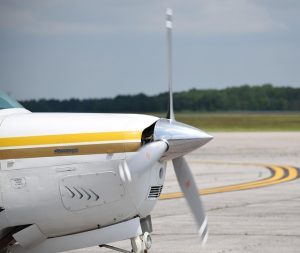
Reciprocating aircraft engine

Ever wonder how anti-seize lube works for airplane spark plugs? It’s not uncommon for airplane spark plugs to feature a thin layer of anti-seize lube. Spark plugs, of course, aren’t limited to automobiles. Nearly all airplanes with reciprocating engines use them as well.

Understanding Spark Plugs

Spark plugs provide the initial spark needed for combustion. Reciprocating engines have rods or “pistons” that move and down. During downstrokes, the piston draws fuel and air into the engine’s cylinder via an intake valve. As the valve closes, the piston moves up to compress the mixture.

Spark plugs are designed to ignite the fuel and air mixture. An electric current flows through them, which ignites the highly flammable mixture. This combustion process creates expansion that moves the piston down, thereby turning the crankshaft.

What Is Anti-Seize Lube?

Anti-seize lube is a type of compound that’s designed to create a thin, protective barrier over parts. It essentially protects parts from sticking, galling, corrosion and seizing.

You can use anti-seize lube by applying it directly to the threads. The spark plugs’ threads should be clean and dry. Next, use a brush to apply a thin layer over the threads, ensuring it fully covers all threads starting one or two threads up from the spark plug’s firing end.

How Anti-Seize Lube Works for Spark Plugs

Dealing with stuck spark plugs is frustrating. Spark plugs are typically threaded. Over time, exposure to high temperatures and chemicals can cause them to stick. Fortunately, anti-seize lube offers a solution. It creates a lubricated barrier so that problems such as sticking, galling, corrosion and seizing are less likely to occur.

Most anti-seize lube consists of two key parts: grease and a solid lubricant. Copper is commonly used as a lubricant in anti-seize lube, but others include nickel and aluminum.

Anti-Seize Lube Makes It Easier to Remove Spark Plugs

While anti-seize lube is designed primarily to prevent sticking, galling, corrosion and seizing, it also makes spark plugs easier to remove. Since they are threaded, spark plugs require torque to remove. You’ll have to turn them counterclockwise to loosen and remove them.

Anti-seize lube reduces the required torque. Because it acts as a lubricant, it makes it easier to turn spark plugs.

In Conclusion

Reciprocating aircraft engines typically have two spark plugs per cylinder, but just a single stuck spark plug can create a serious headache for pilots and mechanics. Anti-seize lube offers a solution. It lubricates spark plugs’ threads to protect against sticking, galling, corrosion and seizing.

source

FlyMarshall Newsroom
  • Website

Related Posts

Hex Head vs Thumb Wing Worm Screw Clamps

April 29, 2026

Understanding the Grip Length of Solid Rivets

April 27, 2026

What Are Afterburners and How Do They Work?

April 24, 2026

5 Facts About Tailskids

April 22, 2026
Add A Comment
Leave A Reply Cancel Reply

Latest Posts

British Aviation Group: the power of collaboration is alive and kicking

May 1, 2026

Despite stronger Q1 2026 revenue, JetBlue remains deep in the red

May 1, 2026

U.S. Air Force Wants to Order More EA-37Bs, Retire E-11A

April 30, 2026

ANN’s Daily Aero-Term (04.28.26): Unmanned Aircraft System (UAS)

April 30, 2026

Subscribe to Updates

Please enable JavaScript in your browser to complete this form.
Loading
About Us

Welcome to FlyMarshall — where information meets altitude. We believe aviation isn’t just about aircraft and routes; it’s about stories in flight, innovations that propel us forward, and the people who make the skies safer, smarter, and more connected.


Useful Links
  • Business / Corporate Aviation
  • Cargo
  • Commercial Aviation
  • Defense News (Air)
  • Military / Defense Aviation
Quick Links
  • About Us
  • Contact Us
  • Disclaimer
  • Privacy Policy
  • Terms and Conditions

Subscribe to Updates

Please enable JavaScript in your browser to complete this form.
Loading
Copyright © 2026 Flymarshall.All Right Reserved
  • About Us
  • Contact Us
  • Disclaimer
  • Privacy Policy
  • Terms and Conditions

Type above and press Enter to search. Press Esc to cancel.

Go to mobile version