
Close Menu
FlyMarshallFlyMarshall
  • Aviation
    • AeroTime
    • Airways Magazine
    • Simple Flying
  • Corporate
    • AINonline
    • Corporate Jet Investor
  • Cargo
    • Air Cargo News
    • Cargo Facts
  • Military
    • The Aviationist
  • Defense
  • OEMs
    • Airbus RSS Directory
  • Regulators
    • EASA
    • USAF RSS Directory
What's Hot

How US Army combat medics are preparing for an Indo-Pacific fight

May 27, 2026

Ortberg: 737MAX at 47/mo, target is 63/mo in the future

May 27, 2026

Hermeus Quarterhorse Mk 2.1 breaks sound barrier for the first time

May 27, 2026
Facebook X (Twitter) Instagram
Demo
  • Aviation
    • AeroTime
    • Airways Magazine
    • Simple Flying
  • Corporate
    • AINonline
    • Corporate Jet Investor
  • Cargo
    • Air Cargo News
    • Cargo Facts
  • Military
    • The Aviationist
  • Defense
  • OEMs
    • Airbus RSS Directory
  • Regulators
    • EASA
    • USAF RSS Directory
Facebook X (Twitter) Instagram
Demo
Home » Why Sheet Metal Screws Have Sharp Threads
Airbus RSS Directory

Why Sheet Metal Screws Have Sharp Threads

FlyMarshall NewsroomBy FlyMarshall NewsroomMay 27, 2026No Comments3 Mins Read
Share
Facebook Twitter LinkedIn Pinterest Email

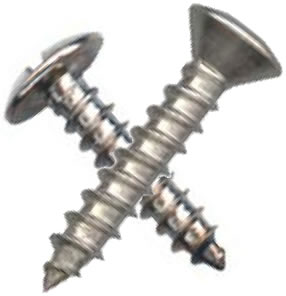
Sheet metal screws

When inspecting a standard sheet metal screw, you may notice that it has sharp threads. All screws, of course, have threads. Consisting of helical ridges that extend fully or partially down the shank, they convert rotational force into linear force to grip the surrounding material. Sheet metal screws, however, typically have sharper threads than other types of screws.

Thread-Cutting

One of the main reasons sheet metal screws have sharp threads is because they are thread-cutting. Not to be confused with self-drilling screws, thread-cutting screws are designed to cut their own threads. When driven into an object, they will scoop out and remove material while simultaneously creating internal threads in the object.

Sheet metal screws have sharp threads so that they can easily cut into materials and create their own threads. The edges of their threads are narrow and sharp. As these sharp threads turn, they create matching grooves in the form of internal threads. This thread-cutting process eliminates the need for tapping holes, thus speeding up installation.

Improved Grip

Another reason sheet metal screws have sharp threads is to improve their grip. Sheet metal screws have a stronger grip than many other types of screws. Their sharp threads dig into materials to create a tight, secure connection.

Sheet metal screws, of course, are typically used to fasten sheet metal. The problem with sheet metal is that it doesn’t provide much material for engagement. A standard piece of sheet metal is typically less then one-tenth of an inch thick. With so little material, it’s difficult for traditional screws to create a strong grip. Sheet metal screws solve this problem by using sharp threads to create a strong grip.

Ease of Installation

Sharp threads also make sheet metal screws easy to install. The thicker or wider the threads, the more force a screw requires to install. Sheet metal screws have narrow and sharp threads, which makes them easier to install.

The sharp threads of sheet metal screws concentrate the pressure into a smaller area. Therefore, they penetrate into sheet metal and other materials more easily than other threads with wider threads.

Resistant to Pull-Out

Finally, sheet metal screws have sharp threads to increase their resistance to pull-out. Screws are often exposed to forces that try to pull them out. Pull-out resistance is a measurement of a screw’s ability to resist these external forces.

Sharp threads create a larger contract area between sheet metal screws and the object in which they are drive. The end result is improved resistance to pull-out.

source

FlyMarshall Newsroom
  • Website

Related Posts

Mitre vs Square Cut Cotter Pin Ends: What’s the Difference?

May 25, 2026

What Are Engine Pylons on Airplanes?

May 22, 2026

What Type of Insulation Do Ring Terminals Have?

May 20, 2026

What Is a Crossfeed System in Airplanes?

May 18, 2026
Add A Comment
Leave A Reply Cancel Reply

Latest Posts

How US Army combat medics are preparing for an Indo-Pacific fight

May 27, 2026

Ortberg: 737MAX at 47/mo, target is 63/mo in the future

May 27, 2026

Hermeus Quarterhorse Mk 2.1 breaks sound barrier for the first time

May 27, 2026

US Army integrates veterinarians into human combat care

May 27, 2026

Subscribe to Updates

Please enable JavaScript in your browser to complete this form.
Loading
About Us

Welcome to FlyMarshall — where information meets altitude. We believe aviation isn’t just about aircraft and routes; it’s about stories in flight, innovations that propel us forward, and the people who make the skies safer, smarter, and more connected.


Useful Links
  • Business / Corporate Aviation
  • Cargo
  • Commercial Aviation
  • Defense News (Air)
  • Military / Defense Aviation
Quick Links
  • About Us
  • Contact Us
  • Disclaimer
  • Privacy Policy
  • Terms and Conditions

Subscribe to Updates

Please enable JavaScript in your browser to complete this form.
Loading
Copyright © 2026 Flymarshall.All Right Reserved
  • About Us
  • Contact Us
  • Disclaimer
  • Privacy Policy
  • Terms and Conditions

Type above and press Enter to search. Press Esc to cancel.

Go to mobile version