



I recognize that often marketing terms mean very little, and perhaps even trying to analyze them is a waste of time. However, that won’t stop me from trying. 😉
US airline executives are obsessed with being “premium”
If you’ve been following the airline industry in the United States with any regularity, you’ve probably heard the word “premium” thrown around a lot.
Delta executives have probably been using the term the most consistently and for the longest period of time. However, in the past couple of years, it has also become United CEO Scott Kirby’s favorite term. Kirby has also claimed that there’s only room for two premium airlines in the United States (Delta and United), and that means American is cooked.
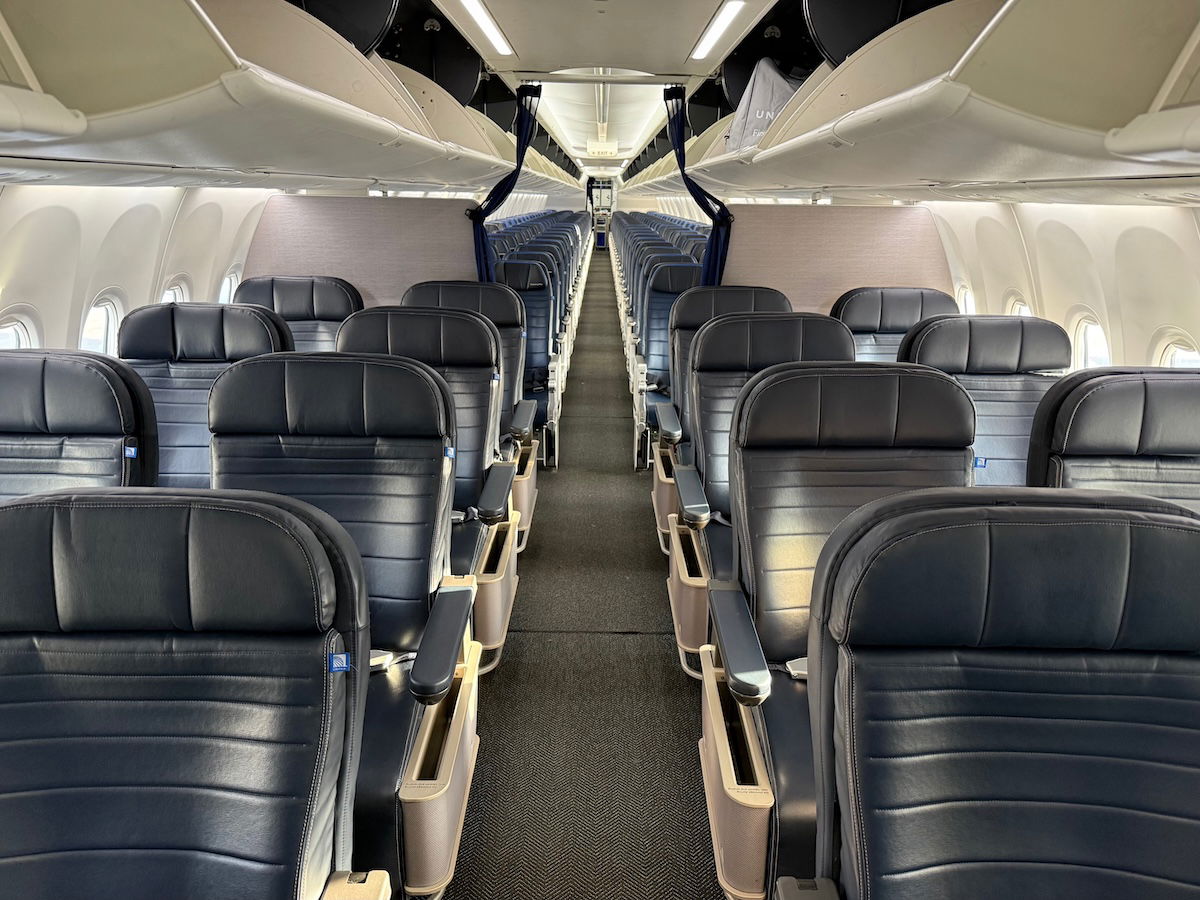
Of course American is now also trying to become more premium (whatever that means), and you also won’t find a press release from the airline that doesn’t mention that. When American recently announced it would introduce Starlink Wi-Fi, the quote from the company’s Chief Customer Officer, Heather Garboden, started with “as a premium global airline.”
I think what’s funny about this is how expectations differ. If you ask an American, odds are that they’d say that Delta is a premium airline. Meanwhile when someone comes from Asia or the Middle East and flies a carrier in the US, they often laugh at how poor quality the experience is, and find it to be anything but premium.
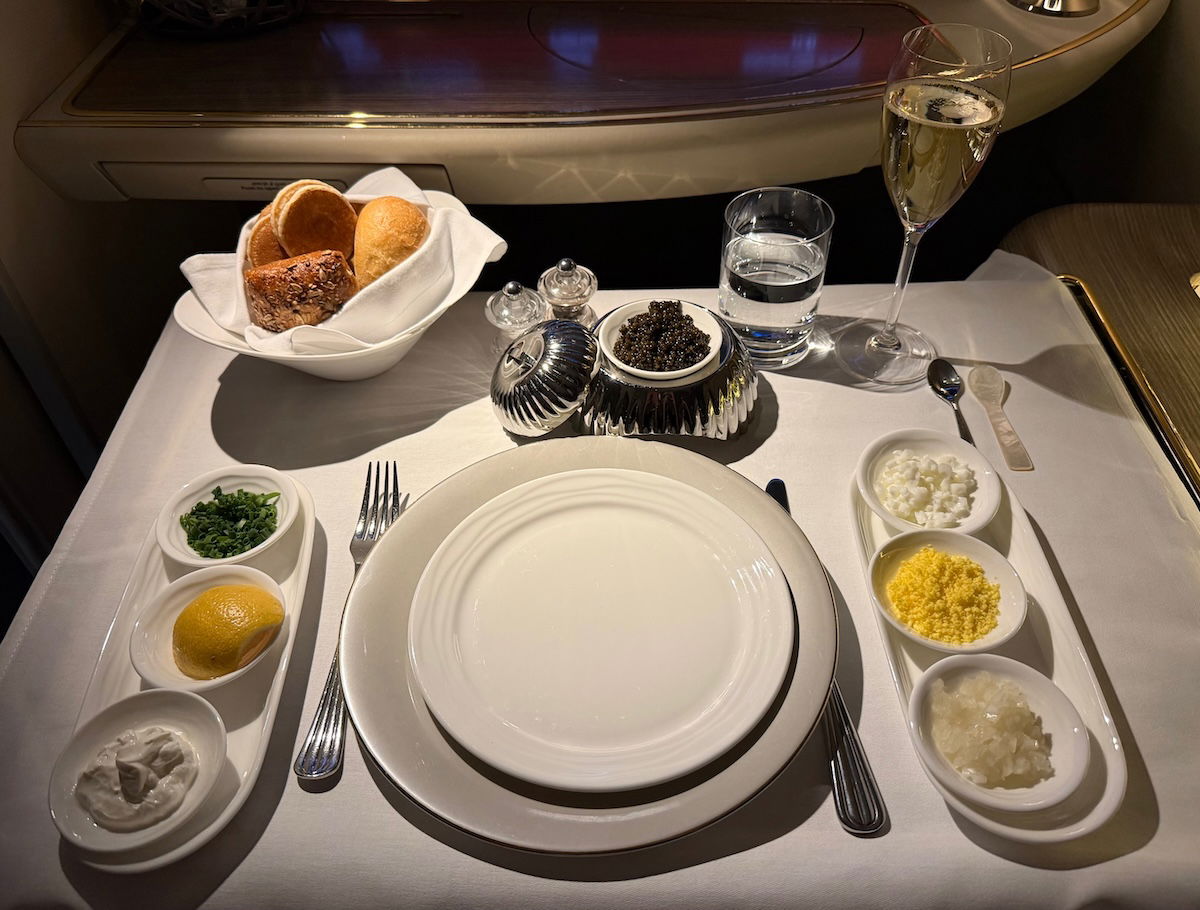
What actually makes an airline premium, though?
If you’re going to look in the dictionary, “premium” is defined as “something of exceptionally high quality.” I tend to agree with that. I don’t want to suggest that US carriers are just awful across the board, but does anyone really want to argue that they are really high quality on the global stage, in comparison to All Nippon Airways, Emirates, Singapore Airlines, etc.?
I mean, pick your cabin, and I think we can all agree that US carriers lag the truly premium carriers of the globe.
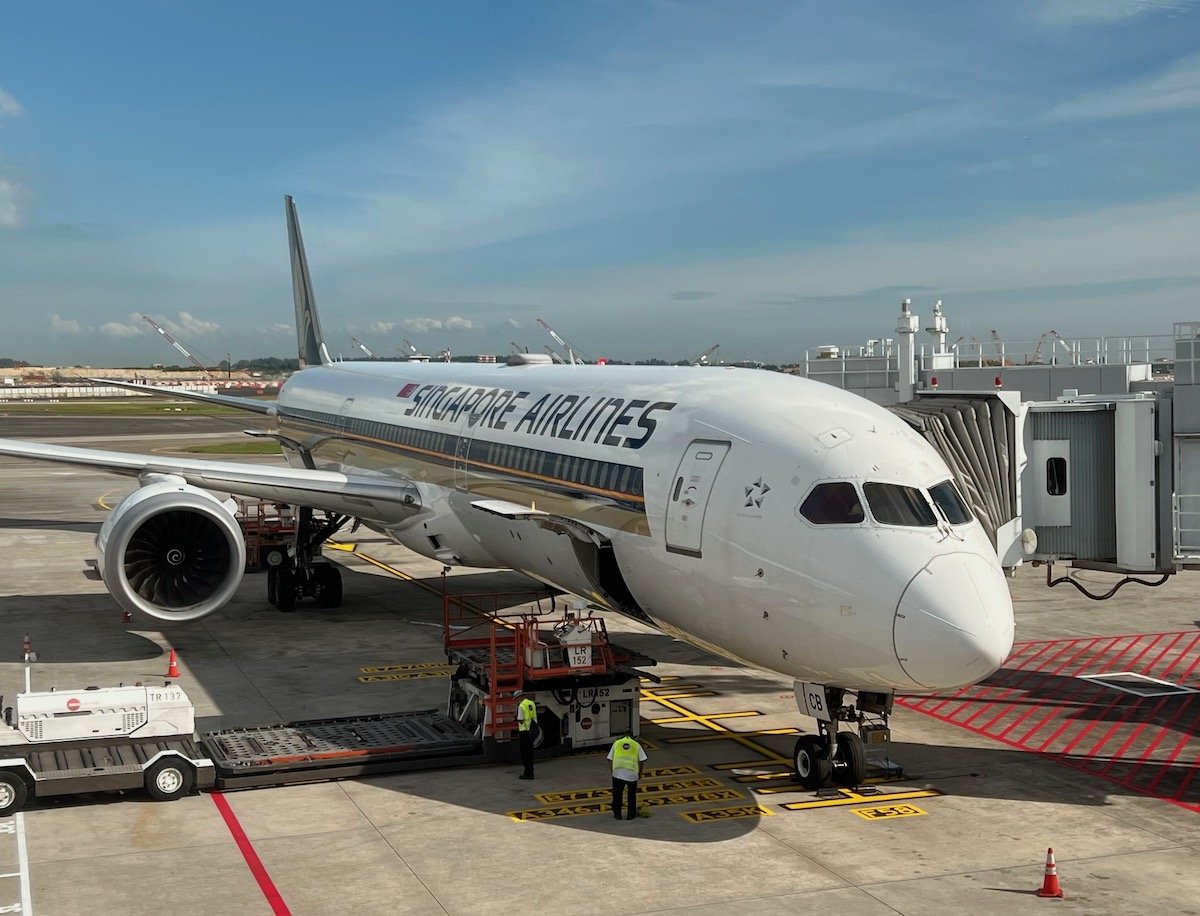
On US carriers in economy, you’re not served complimentary food on a transcon flight, you have to pay extra for alcohol, etc. Compare that to a flight of a similar length on Singapore Airlines, where you’d get a full meal, free alcohol, amazing service, a pillow and blanket, etc.
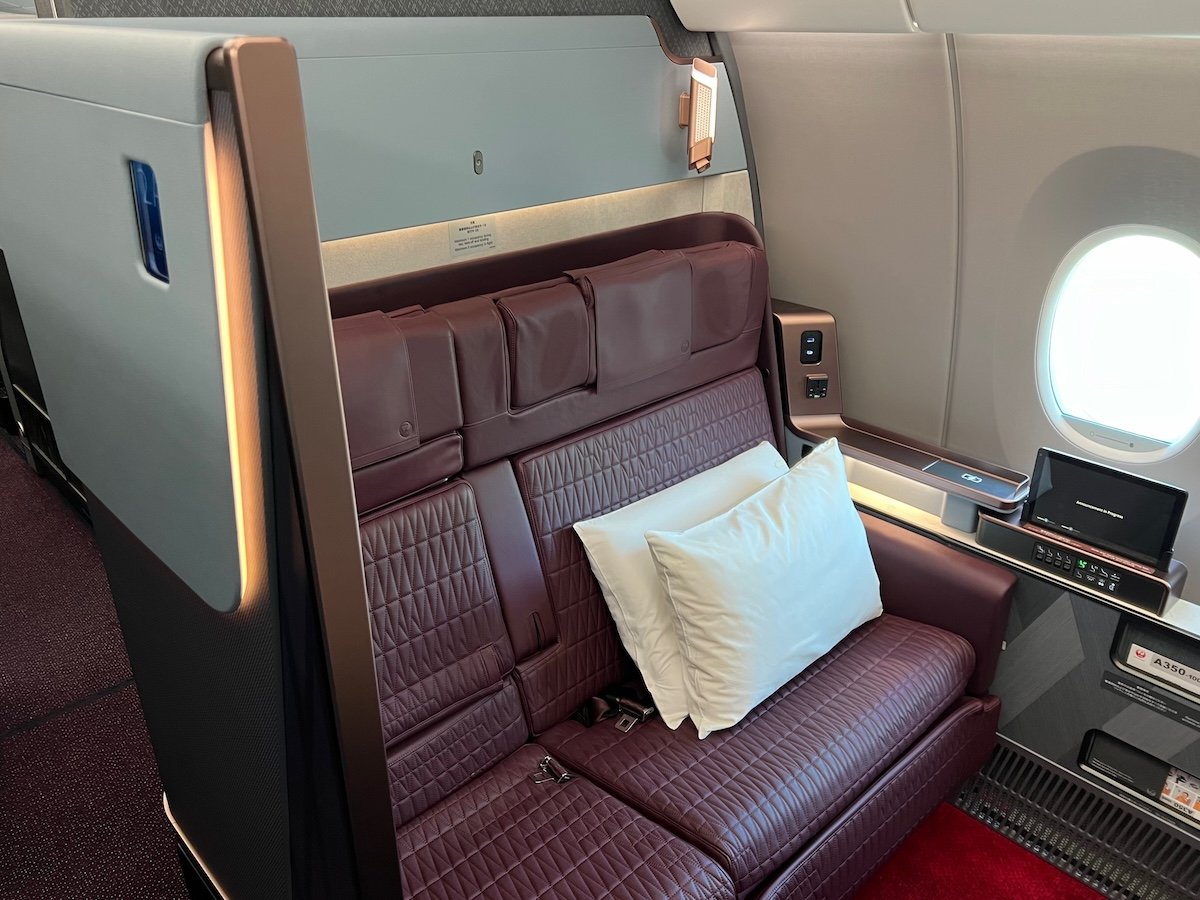
In business class (or domestic first class), need I even compare the experience on American, Delta, and United, to what you’d get on some top foreign airlines? And with the exception of American (lol), US carriers don’t even have international first class, the most premium experience you’ll find in commercial aviation.

So how exactly are they premium, again? Let’s look at it another way. United’s CEO seems to suggest that a premium airline is one that has decommoditizing air travel, with brand loyal customers. In other words, he wants people to be loyal to United because it offers a differentiated experience, and not because it’s the cheapest.
Okay, that sounds fair enough, but if you ask me, that seems more like it’s about being able to get customers on the loyalty program hamster wheel, rather than actually offering an experience that’s meaningfully better than the competition.
I mean, I think Marriott is the prime example of a company that manages to get people to pay more due to its loyalty program, despite quite honestly, doing a lousy job in so many ways. I mean, just go into any of these Marriott Facebook groups, and you’ll see people who act like the only hotels that exist on planet earth are Marriotts, and they’d never consider staying elsewhere. Does that make Marriott the “premium” hotel brand as well, above ones like Oetker, Rosewood, etc.?
For that matter, United has a massive global route network, so are we to believe that United considers itself to be premium when it goes head-to-head against airlines like Japan Airlines and Singapore Airlines in some markets? I just don’t buy it…
For that matter, if premium is defined as having brand loyal customers, then wouldn’t we agree that Southwest is also a premium airline? I mean, the carrier has historically done a phenomenal job decommoditizing air travel, and getting people to proactively book the airline, even when it’s not the cheapest.
Looking outside the travel industry, businesses ranging from McDonald’s to Walmart also have very loyal customers. Does that make those premium brands as well?
Bottom line
Airline executives in the United States love to talk about how their airlines are “premium.” Delta has long positioned itself as the “premium” US airline, then United tried to group itself in with Delta, and then exclude other airlines, claiming there’s no more room for premium carriers. Now American is insisting it’s premium as well.
If you travel a fair bit globally, it’s hard to think that the passenger experience offered by US carriers is premium. My thought is that an airline is premium if it delivers a superior passenger experience. However, it seems that some airline executives like to define premium as having brand loyal customers, in which case I’m not sure Delta and United are really alone.
Southwest certainly has a loyal following, and even American has a lot of loyal customers. So is premium simply an airline that makes a lot of money on its loyalty program?
What do you think? Is there any substance to these premium claims, or is it all fluff?
