


In 1989 Soviet Air Force Captain Alexander M. Zuyev defected in a MiG-29 fighter after executing a brilliant and bold plan, shocking the Soviet Union’s communist rulers and handing the West an advanced combat aircraft.
This article is the first of a two-part story covering the prepararations and then the defection of Alexander Zuyev. Stay tuned for the second part!
Captain Zuyev had been a top fighter pilot during his military career and a supporter of the Soviet communist system most of his life during the Cold War, however discovering the truth about several events, secretly tuning in to Radio Liberty, and experiencing a growing frustration over how the Soviet system reeked of corruption and favoritism and left shelves empty in stores for most citizens while those in power lived lives of luxury. A massacre of civilian demonstrators would finally tip the balance and cause Zuyev to act and carry out a plan that rivals the plots of some of the best fictional novels.
Humble Beginnings
Alexander Zuyev grew up in Kuybyshev (Samara) on the Volga River. His parents were both engineers and they lived in a tiny one-room 128 sq ft apartment in an old building. His father supplemented their income by working as a photographer. His mother taught him to read and write at a young age in their tiny kitchen.
A television program titled I Serve the Soviet Union ran an episode dedicated to the Air Force (VVS) and the Air Defense Force (PVO), focusing on young cadets and their training to fly jet aircraft and Zuyev sat glued to the screen. Alexander’s mother had been encouraging him to specialize in construction engineering, even though Soviet bureaucrats had left her without advancement for her years of dedication in the engineering field and to the Party. But Zuyev couldn’t get those jets out of his mind.
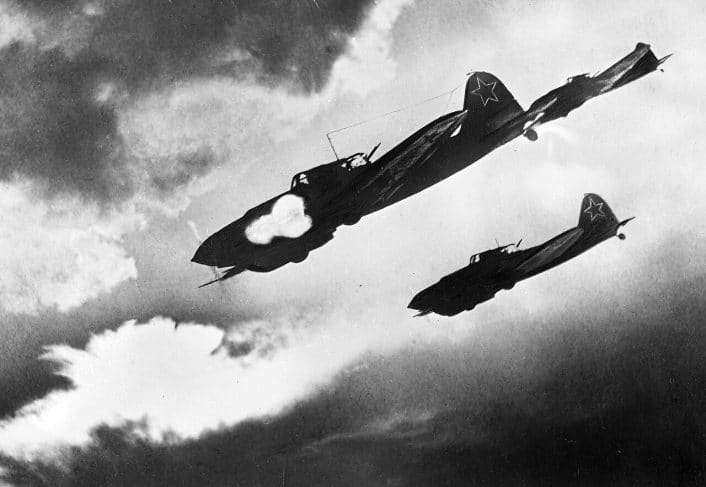
Alexander went to the Army and inquired about applying for openings at military aviation academies. Soon he realized only young men with influential families could get into the helicopter academy since high-paying jobs in the civilian world existed for former military pilots. After inquiring about a military aviation school near his home, he was again told it was off-limits to those without influence.
Finally he was told of openings at the PVO Higher Military Aviation Academy at Armavir. With some help of his military training instructor at his school, Lt. Col. Gusev, the school endorsed Alexander’s efforts and he was allowed to apply.
Learning to Fly
In August 1979, his class was flown to Pirsagat in Azerbaijan, on the coast of the Caspian Sea. Here, in the stifling heat with nothing more than wooden barracks and a few slow turning ceiling fans, the trainees slept in wet sheets to stay cool at night.
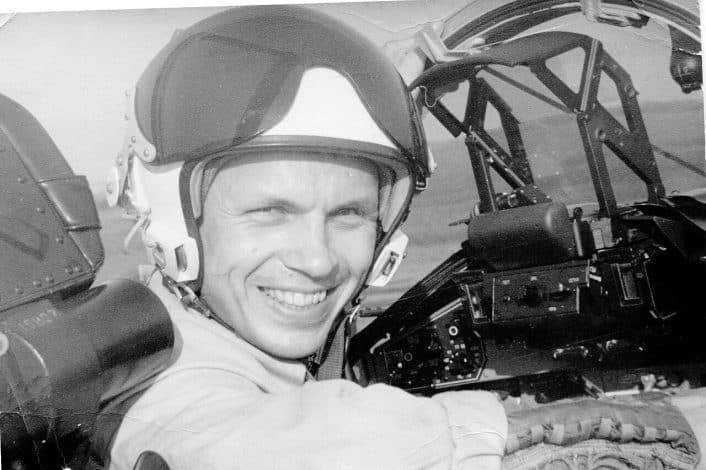
Now just turning 18, Alexander and his class would begin preflight training on the L-29 jet trainer. The L-29 had a 32 ft wingspan, with tandem cockpits each with a complete set of flight controls. Built in Czechoslovakia by Aero Vodochody, it was the standard Warsaw Pact advanced training aircraft.
Normally the L-29 cadets would move on to the MiG-21, however Zuyev had scored 380 points out of a possible 400 during the maneuver competition and a select group of 50 pilots were to be chosen from the 250 of his class to jump straight from the L-29 to the MiG-23. Alexander was chosen as part of the group of 50.
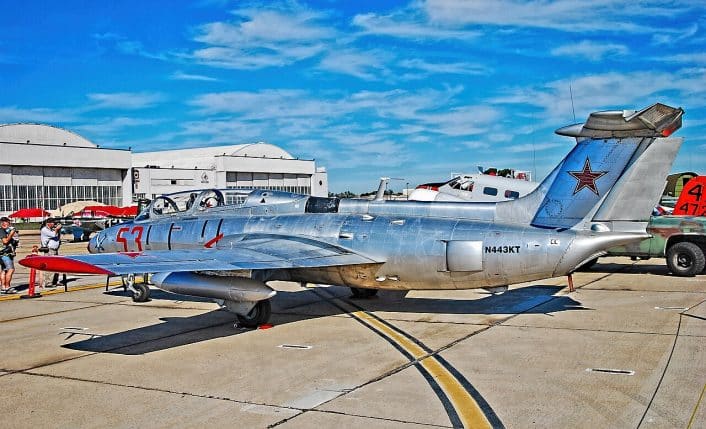
The MiG-23 is a variable-geometry third generation fighter powered by a Tumansky R-29 turbofan engine capable of high supersonic speeds of Mach 2.35. The wings can swing back from 16 degrees for low speeds to 72 degrees for supersonic speeds. The large vertical tail is over 12 ft high. The aircraft design trades lift for speed, and can be dangerous to fly at low speeds.
Zuyev was excited to be assigned to a MiG-23 regiment in Soviet Georgia, hoping to prepare to train for action in Afghanistan. He reported to the 176th Frontal Aviation Fighter Regiment at Mikha Tskhakaya in December 1982.
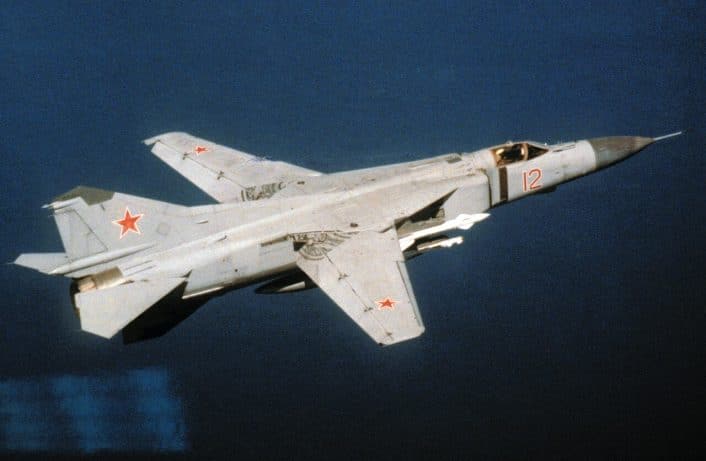
Alexander was somewhat disappointed when receiving orders and being selected to fly the new MiG-29 instead of going to Afghanistan. It wouldn’t be until he flew the new fighter and experienced its performance that he was finally happy he was assigned to fly it instead of going to Afghanistan.
Designated the 9-12, the MiG-29 prototype began flying in October 1977, and production model ‘Fulcrum-As’ entered service in the 1980s. Twin Klimov RD-33 turbofan afterburning engines propel the jet to Mach 2.25+, and the fighter has an impressive thrust-to-weight ratio allowing it to be a formidable opponent in close-range combat. Service ceiling is 59,000 ft.
The MiG-29 can carry a variety of air-to-air missiles and ground attack munitions on seven hardpoints, and is equipped with a GSh-30-1 30mm cannon with 150 rounds available. External fuel tanks between the engine pods extend range, which varies depending on configuration and weapons load.
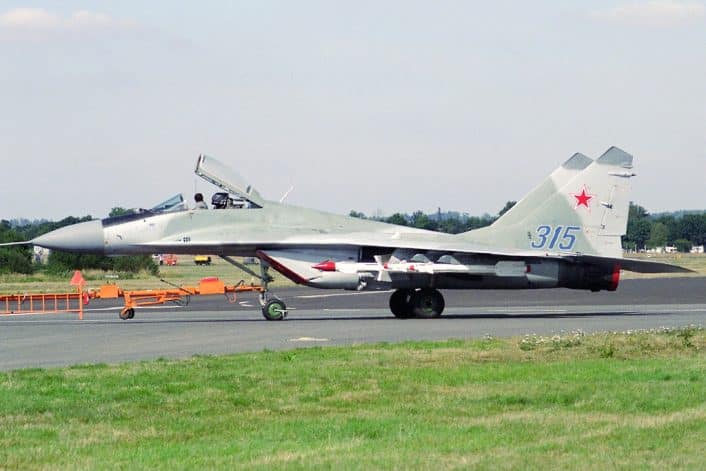
While designed for performance to compete with the United States’ F-16 and F-15, the MiG-29 design kept with Soviet doctrine of retaining the capability to operate from rugged or damaged runways. Strong landing gear was utilized and separate engine intakes on the upper surface of each wing root allow the main intakes to be shut during taxiing, takeoff and landing.
Tragedies and Scandals
While serving, Alexander Zuyev came to know the truths about many tragedies, scandals, and never-ending examples of corruption and unfairness in regards to how Party officials lived and how the common citizens of the Soviet Union lived. While he was a dedicated Party supporter, believer in the Soviet system, and served in the military, doubts about all those things began to eat away at him.
He soon discovered the official news media often didn’t tell the entire story, if the story was reported at all. Many times innocent civilians of not only his country but other countries had died in events left unexplained or swept under the rug. He learned he could hear another side of the news by tuning into Radio Liberty or the Voice of America. His marriage failing, Zuyev began plotting ways to escape the Soviet Union.
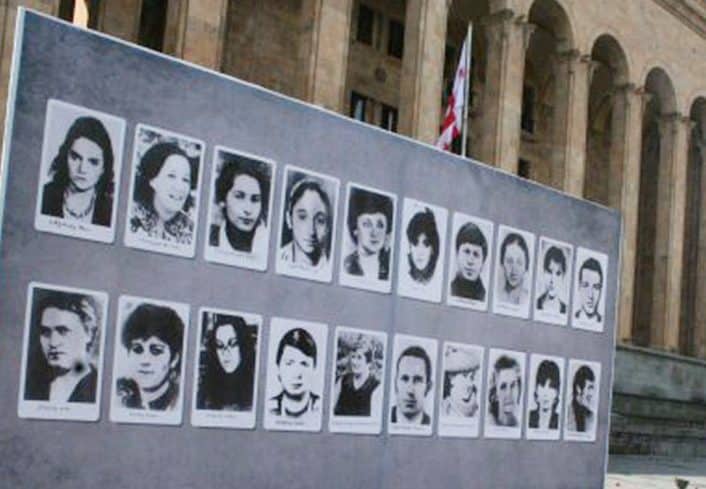
After attempting and failing to receive a medical discharge, the final straw came on Apr. 9, 1989. Interior Ministry troops along with Army paratroopers had attacked a large protest in Tbilisi, killing 16 and wounding almost 300. Thousands of people, men, women, and children, were subject to the effects of a thick unknown toxic gas and sickened. More would die later in hospitals. It seemed protesters had been beaten with sharpened military trench shovels and heavy clubs.
All this news was coming from Alexander’s prohibited news source, Radio Liberty. The Soviet media remained silent unit later that night when it could no longer be concealed. A fellow service member shared photos of the massacre with Zuyev and described the scene vividly. Alexander wondered how long it would be before he and his fellow pilots would be ordered to strafe and bomb his own citizens.
Making a Plan
Zuyev decided he was going to leave the Soviet Union and escape the communist oppression. He would do it by stealing a MiG-29, strafe other MiG-29s on the ground with the aircraft’s cannon, and if he survived past that, head for Turkey in the MiG and land at the nearest NATO (North Atlantic Treaty Organization) base. He hoped to destroy the parked MiGs on his way out as an act of vengeance for all those killed in the protests and the millions of other lives snuffed out by the Soviets. He went back home to Samara say goodbye to family.
When he returned to Ruslan Air Base, he discovered court martial proceedings against him had been initiated. While awaiting his trial, Zuyev was assigned as the regiment’s controller of flight operations. He would be responsible for supervising the control tower dispatchers, the alert aircraft section, and coordinate flying schedules with other nearby units and missile batteries. This gave him an official reason to be on the flight line day or night.
Alexander knew he had to fly out low and fast to escape detection. This would limit his range to around 300 miles, and looking at suitable landing places in Turkey brought the civilian airport at Trabzon into focus as the primary destination.
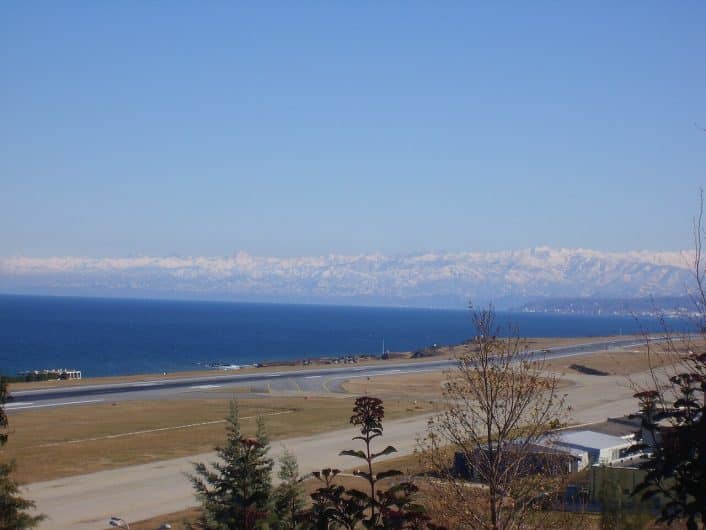
He would also have to fly over the Black Sea and the Soviet naval presence with their array of anti-aircraft missiles and radar-controlled anti-aircraft artillery. Hugging the radar-masking mountainous coast would also put the Batumi missile complex directly in his path on the Soviet-Turkish frontier.
His plan consisted of flying south of Tskhadkaya low on the deck, dogleg around the Meria air base, and climb into the mountains to the east of Batumi, fly through a valley and pop up over the summit ridge into Turkey, descending down into the opposite valley. Plan B was to fly directly over the Black Sea.
Now he would need a fully fueled and armed MiG-29. This would be a challenge, even though the all aircraft were fueled with armed cannons, the duty-alert aircraft also carrying full belly tanks and were armed with both missiles and cannon. Security personnel and measures had been increased in light of the recent protests, but the alert aircraft were located at the far western end of the runway, isolated from most of the base.
The duty-alert aircraft were required to be in perfect mechanical condition and ready to launch within five minutes. Zuyev decided he would steal a duty-alert MiG. He estimated he could be airborne in less than four minutes, carefully calculating and recalculating the time it took for each necessary step to launch the aircraft.
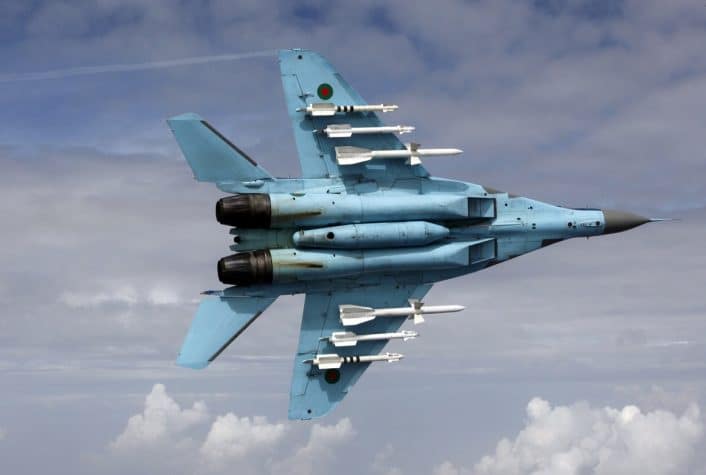
However, Zuyev soon realized he would not be able to take full advantage of the belly tank’s fuel if he intended to use the cannon to strafe parked aircraft before leaving. The older versions of the MiG-29 were prevented from firing the cannon with the centerline tank in place; empty casings would directly strike the tank, creating a dangerous situation. The gun could be fired once the tank had been ejected however. Zuyev would burn much of the fuel in the tank during taxiing, takeoff, and climb, drop the tank, then attack the parked aircraft.
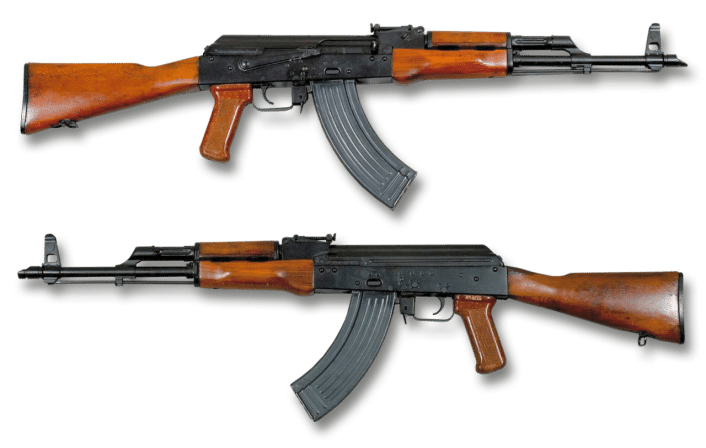
Somehow an armed guard would have to be dealt with without alerting others. The alert apron guard was tasked with the duty of stopping unauthorized takeoffs. A team of twelve was on standby to draw AKM rifles and block the runways with trucks as well. It seemed an impossible task. The guard and the alert team would need to be neutralized along with the alert pilots and maintenance personnel. The duty dispatcher and communicator in the control tower also presented an issue. Zuyev didn’t want to kill anyone.
Running ‘readiness tests’, Zuyev had determined the amount of time it would take for the guards to respond and draw their weapons from the locked armory. If he could jam the padlock on the armory rendering the key useless, then the only weapons available to confront him in the alert area would be the single AKM rifle of the apron guard and the Makarov pistols the alert pilots carried.
Zuyev decided to use drugs to neutralize everyone without harming them. He studied different types of drugs and their availabilities, hoping to sneak them into the sugar everyone added to the tea they constantly drank. However, he discovered none of the drugs were water soluble, including the Neozepam he remembered being prescribed in the past. However, after studying the drug, he determined it would work if he could find a way to get everyone to consume it.
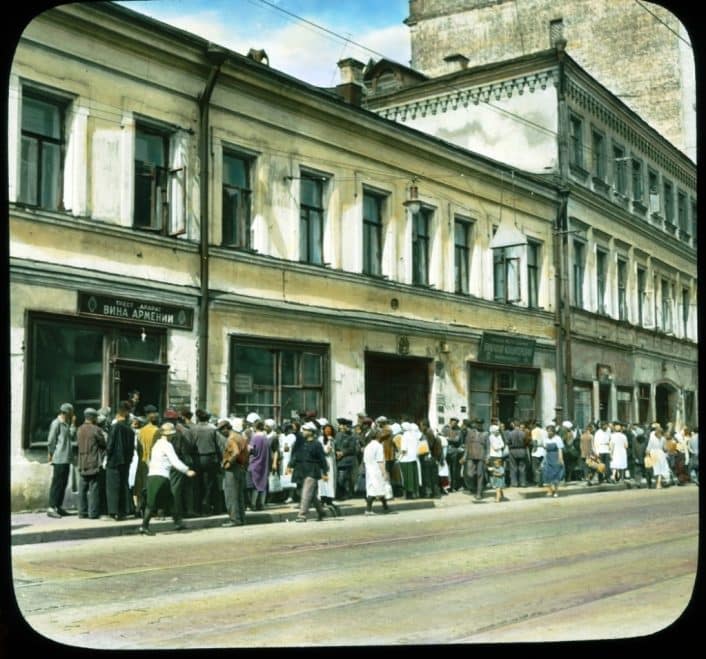
Sweets were a rare treat for the troops or for most any normal citizen of the Soviet Union, so Alexander decided to bake a cake laced with six times the amount of Neozepam required to put that number of men to sleep. Scrounging he found flour, butter, sugar, and eggs, buying most of these. He borrowed six cans of sweetened condensed milk from a neighbor and felt lucky to find fresh strawberries at a market.
He would need 180 total Neozepam tablets which amounted to ten bottles. Hitting several stores and faking a sleeping issue while flashing roles of rubles, he finally had enough of the drug. It was Friday, May 12, 1989.
Baking a Cake
Zuyev prepared an escape kit containing necessities such as a compass, flashlight, food, matches, a pair of socks, and other items he might need should the attempt to steal a MiG-29 go awry and he would have to flee the scene on foot. He placed the bag in high grass near the airfield perimeter, and planned to grab it and flee south on foot into the nearby swamps and head for the mountains on the frontier should things go bad.
Next he gathered pictures and photo albums, sorting out the few photos he could take with him, burning the rest with personal papers in the corner of the soccer field. He also reviewed the handwritten diagrams and notes he had made on the MiG-29 detailing Soviet air-combat maneuvers and the missile and fire-control technology of the aircraft. Hoping to give this information to the Americans, he placed them inside his helmet bag.
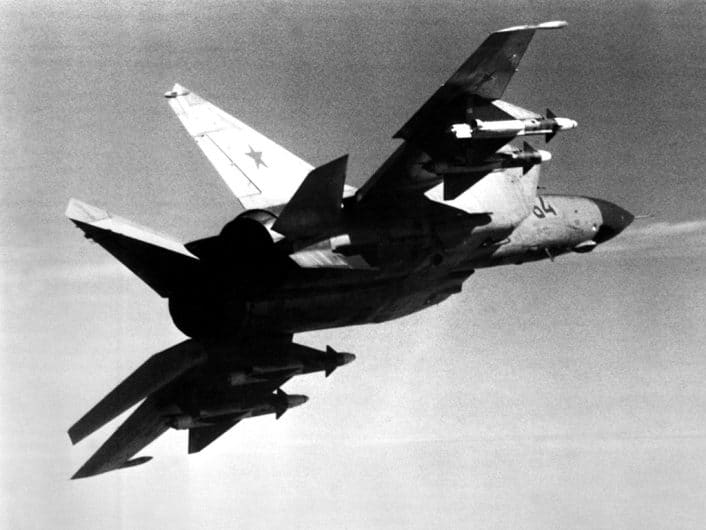
His thoughts turned to Viktor Ivanovich Belenko, who in September 1976 had flown his MiG-25 interceptor to Japan and defected. However, the official Soviet story was the pilot became hopelessly lost and was taken captive by the Americans once he ran low on fuel and was forced to land in Japan.
On May 17, Zuyev baked his seven pound three-layer cake frosted in creamy white with sliced fresh strawberries adorning its massive size. The creamy frosting was laced with the drug, except for one corner marked with the largest strawberry. That piece would be Alexanders. He would cut it first and reserve it for himself.
Alexander planned making his move at night, but that night the weather turned bad with a low ceiling and high winds. As a result all flying was cancelled for the next day. The weather was expected to remain poor for the next 12 hours or so, making flying through mountain passes impossibly dangerous. Zuyev had to adjust his schedule. He would now try to make his escape at dawn on May 20.
May 20 had been declared a holiday, so the Friday night before meant the men were drinking and hanging out in the sauna. Zuyev made promise of treating the alert pilots to a video but returned instead with the cake. Cheers went up as he sliced the rare treat into generous pieces for the men, keeping an eye on the corner piece with the largest strawberry. One of the alert pilots however, refused a piece, declaring he was on a diet. This was an unanticipated problem for Zuyev.
Alexander then took the remains of the cake to the guardroom for the alert response team to devour. Upon returning to the officer’s dayroom, another pilot appeared that was not there before. There was no cake left — another surprise! Now two pilots, both armed with Makarov pistols, had not eaten the drug-laced cake. Everyone would soon be dozing off except those two.
Borrowing the keys from the groggy desk guard, Zuyev unlocked the dining room and placed his helmet bag under a table. He located the bundle of communication lines that carried all forms of communication from the section. It would be easy to disable everything sans an emergency radio frequency by cutting the wires in the bundle.
When returning to the dormitory, Zuyev found everyone still awake but beginning to doze off. He stretched out and waited for everyone else to fall into a deep sleep. At approximately 0400 he walked past a snoring desk guard out to the alert apron encountering the single guard on duty. He hoped someone had saved this guard a piece of cake as promised.
source
