


In January 2026, the latest merger in the US airline industry was announced, and it wasn’t particularly surprising. There’s now an update, as this deal has officially closed. However, among airline mergers, this has to be one of the ones with the fewest implications for customers… at least for now.
Allegiant acquires Sun Country in $1.1 billion deal
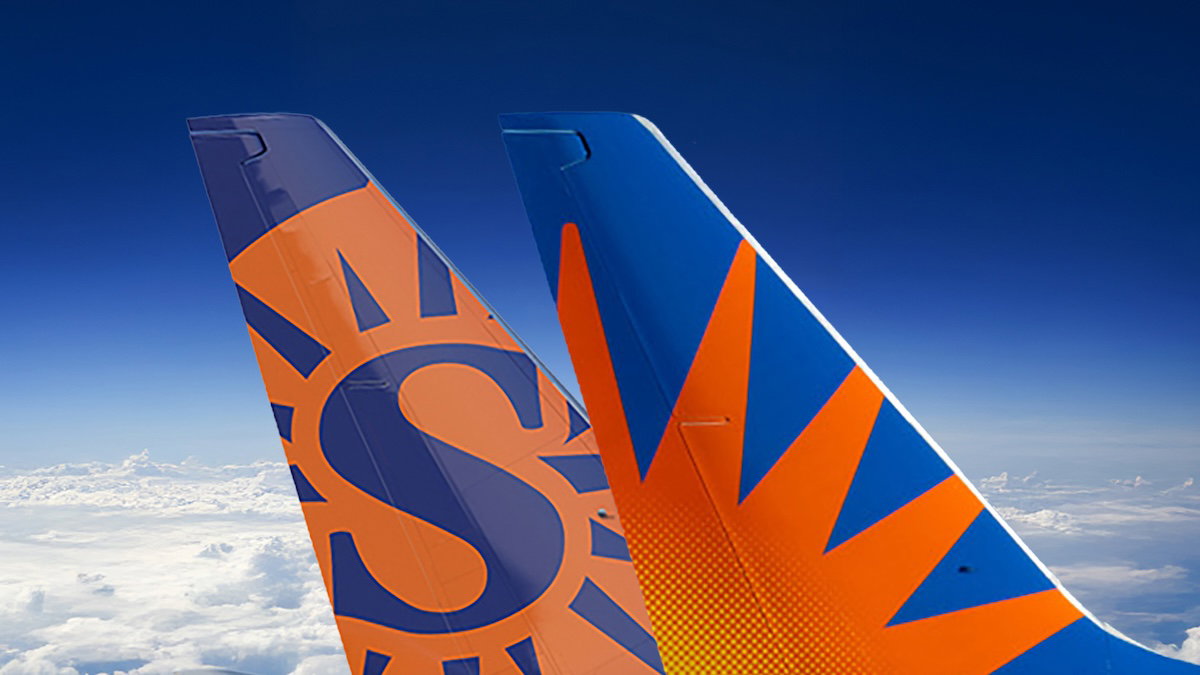
Allegiant Air and Sun Country Airlines have just completed their merger, whereby Allegiant has acquired Sun Country for $1.5 billion, including taking over $400 million of Sun Country’s net debt (so it’s a roughly $1.1 billion deal). Now that the deal has closed, Allegiant shareholders own around 67% of the company, while Sun Country shareholders own around 33% of the company.
This was a cash and stock transaction at an implied value of $18.89 per Sun Country share. Sun Country shareholders received 0.1557 shares of Allegiant common stock and $4.10 in cash for each Sun Country share owned, representing a premium of 19.8% over Sun Country’s closing share price of $15.77 on January 9, 2026, and an 18.8% premium based on the 30-day volume-weighted average price (the month leading up to when the deal was announced).
The combination is described as creating a leisure focused airline, expanding service to more popular vacation destinations across the United States, as well as international destinations, and providing more people with access to affordable, convenient air travel.
For the time being, the two companies will continue to operate independently as before, until they’re on a single operating certificate. Actually, for now, virtually nothing is changing:
- Customers can continue to book travel through existing channels, including the websites of both brands
- There are no changes to current reservations, flight schedules, or travel plans
- Both Allegiant Allways Rewards and Sun Country Rewards will remain separate in the near term
- Customers can continue to manage reservations, check-in, and access customer service, through the airline with which they booked travel
However, in the long run, the plan is for the Allegiant brand to survive, and the Sun Country brand to go away, though the company is promising a “thoughtful and disciplined integration process.” Before a full integration, the plan is to gradually introduce additional benefits that make it easier for customers to access the combined network.
For those not familiar with the two carriers:
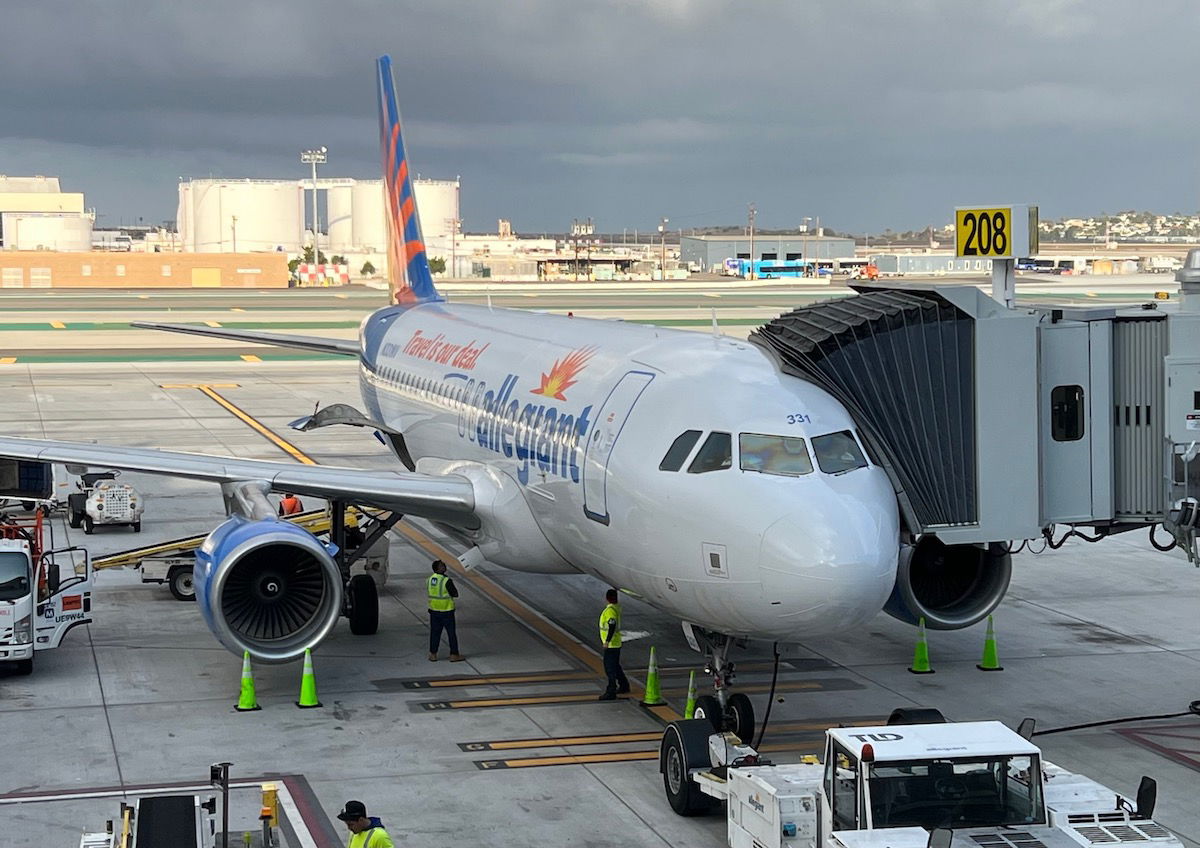
- Allegiant has a fleet of roughly 130 aircraft, including Airbus A320 and Boeing 737 family aircraft; the airline operates point-to-point leisure routes, primarily out of secondary airports
- Sun Country has a fleet of roughly 65 Boeing 737 aircraft (20 of which are cargo planes operated for Amazon Air), and the carrier’s passenger network is heavily centered around leisure routes from Minneapolis (MSP)
Here’s how Allegiant CEO Gregory Anderson describes this:
“Today marks a defining moment in Allegiant’s history as we officially join forces with Sun Country to create the leading leisure-focused airline in the United States. With a combined fleet of 195 aircraft serving nearly 175 cities, we are expanding access to affordable, reliable, and convenient travel for the communities that have long been the foundation of our business, while offering customers broader reach and more destinations. By bringing together two strong airlines with similar business models, we are creating a more differentiated and durable airline – one well positioned to deliver lasting value for our customers, team members, and shareholders. I want to recognize Team Allegiant and Team Sun Country, whose dedication and hard work made this day possible.”
This seems like sensible airline consolidation
The US airline industry has of course seen a lot of consolidation over the years, and pickings were getting slim. Of the remaining airlines, I’d say a merger between Allegiant and Sun Country was about as logical and non-objectionable as any combination you could find, and it’s one that was rumored for a long time before it was announced.
Even as the primarily domestic leisure airlines in the United States have mostly struggled, Allegiant and Sun Country have been the two exceptions, as they’ve been performing relatively well. That’s because they’ve both carved out niches, unlike carriers like Frontier, and formerly Spirit (before it liquidated), which simply try to poach passengers from the legacies, without sufficient competitive advantages.
There’s a lot of upside with this combination:
- Both companies are super innovative with their route networks, with Allegiant largely flying in markets where there’s no competition, and Sun Country being so heavily focused on Minneapolis
- There are synergies in combining two companies, with $140 million in annual synergies expected in three years
- With a larger customer base, there’s also more upside in terms of loyalty
- Given the heavy seasonality of Sun Country’s network, there’s value in better being able to allocate resources
- I don’t think the diversified fleet is much of an issue, given that Allegiant is currently transitioning from Airbus to Boeing aircraft anyway
There weren’t any significant regulatory issues with this deal, since both carriers are ultra low cost and haven’t really competed. The only thing I’ll say is that a premium of under 20% wasn’t exactly that much upside for Sun Country shareholders, compared to some past deals.
Admittedly it was an extreme example, but Alaska acquired Hawaiian for $18 per share, while Hawaiian’s stock was trading for under $5. I guess the idea is that the deal partly includes Allegiant stock, and the hope is that everyone is better off with the two airlines merged.
As I see it, the only real potential downside is that labor costs will likely go up a bit, since combining workgroups almost always leads to more lucrative contracts, given the leverage that the unions have.
Bottom line
Allegiant has completed its acquisition of Sun Country, as two of the country’s most successful leisure airlines seek synergies. This is a logical combination, especially since the airlines have virtually no overlapping routes. Allegiant is heavily focused on smaller airports without much other service, while Sun Country is heavily focused on Minneapolis, and other seasonal leisure routes, though largely to and from major airports.
With this merger closed, let’s see which one is next. Are Frontier and/or JetBlue going to find merger partners, or keep inching closer to a Chapter 11 filing?
What do you make of this merger between Allegiant and Sun Country?
source
