


We’re currently seeing a bit of an inflight Wi-Fi revolution, with an increasing number of airlines signing up for Starlink, bringing fast and free connectivity to the skies. I might not be a huge fan of Elon Musk (to put it politely), but I can respect that Starlink is currently the best such offering, and having truly high speed inflight connectivity is a game changer.
Along those lines, one airline recently made a surprising announcement, and we now have some more insights into why…
Why Delta chose Amazon Leo over Starlink for inflight Wi-Fi
Several weeks ago, Delta announced plans to introduce Amazon Leo for its inflight connectivity. This was a bit surprising to many people. I’m sure Amazon Leo will be great when it’s available, but:
- Best case scenario, it’ll be launched in 2028
- Delta has only announced plans to install this on 500 aircraft, making up roughly half of the fleet
What’s so wild here is that United is increasingly trying to compete with Delta, and United is currently rolling out Starlink Wi-Fi, with installation expected to be completed by the end of 2027. That means that United will have the fastest possible inflight connection on all planes before Delta even has a single plane configured with next generation connectivity, best case scenario.
Logically, you might be thinking “well, what were Delta executives thinking?” After all, we knew Delta had discussions with SpaceX over Starlink, but they fell through. View from the Wing flags this explanation about why the deal went the way that it did:
Billionaire Ron Baron — an early investor in Tesla & SpaceX — just said on CNBC that the Starlink deal with Delta Air Lines fell through because Delta insisted Starlink access would sit behind Delta’s branded portal/offering.
At the end of March, Delta announced a deal with Amazon’s Leo network. SpaceX currently has about 10,000 satellites in orbit, with more launches per year than anyone else. Leo has about 300 as of now.
I get the fanaticism around brand-building. I really do. But is this one step too far?
The idea is that Starlink has certain rules around how its service can be used (including that access needs to be free), and the requirement is that the portal have Starlink branding.
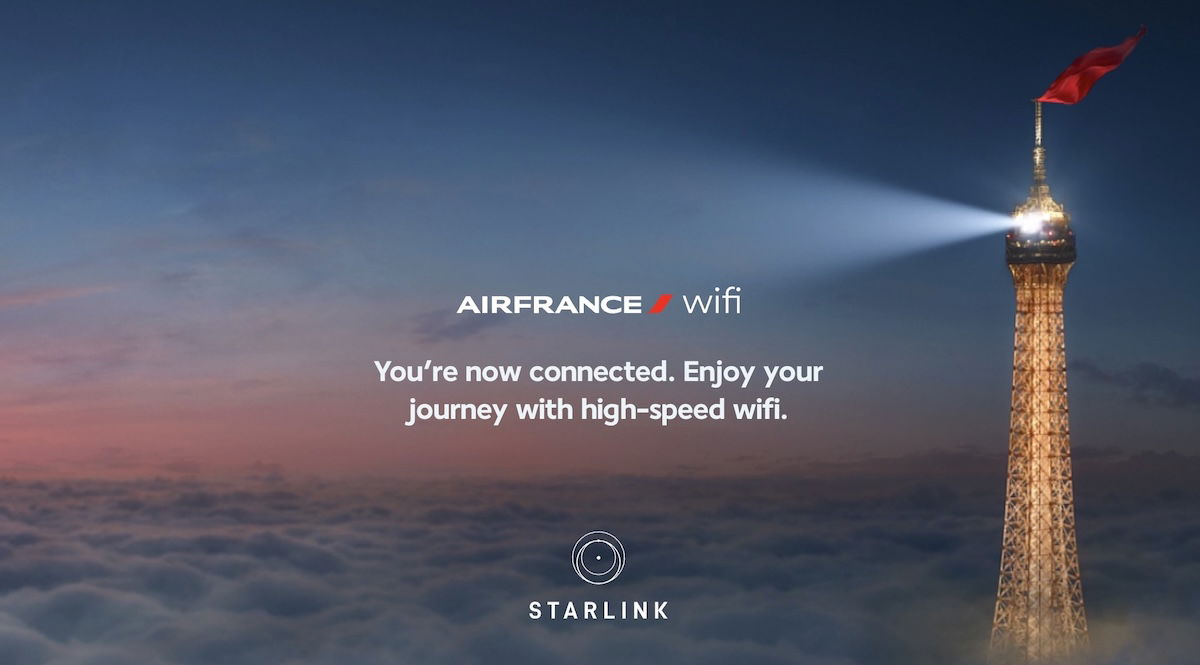
Meanwhile Delta has its “Delta Sync” concept, whereby it wants everything related to entertainment and connectivity to exclusively have the Delta Sync branding, and to be behind that portal.
I think this was a major mistake on Delta’s part
You’d have to bury your head in the sand to not acknowledge the major competitive disadvantage this will put Delta at. Let me be clear — right now, Delta still beats United with Wi-Fi, all things considered. Delta has some sort of high speed Wi-Fi on more planes than United does.
However, there’s no denying the very unpleasant reality Delta will face, as things will look very different 18 or so months from now. United will have Starlink on every single plane, while Delta won’t even have started installing Amazon Leo on any planes. Keep in mind that Delta’s plans also rely on there being no delays with Amazon Leo, which is a major risk, as the timeline is far from certain.
We’re not talking about United having an advantage over Delta for a few months, or something. Instead, we’re talking about an advantage that will last years. For that matter, Delta hasn’t even announced plans to install Amazon Leo on roughly half of its fleet.
Also, I’m sure some people will be by shortly to point out how Delta already has “high speed Wi-Fi,” but I think anyone who has used free Viasat Wi-Fi vs. free Starlink Wi-Fi can attest to the night-and-day difference. Consumer expectations of connectivity are evolving rapidly.
In just under two years, Delta passengers will feel like United passengers felt two years ago, where they were being offered a product that was simply uncompetitive. I really think Delta executives are struggling to see the forest from the trees here, and are more focused on branding than passenger experience. In fairness, branding has always been what the company has been best at.
Lastly, I’ll just say that when United announced plans to improve its inflight Wi-Fi offering, a certain prolific commenter wrote “Delta leads, United follows.” Why do I have a feeling the narrative of “United leads, Delta follows,” won’t be accepted this time around? 😉
Bottom line
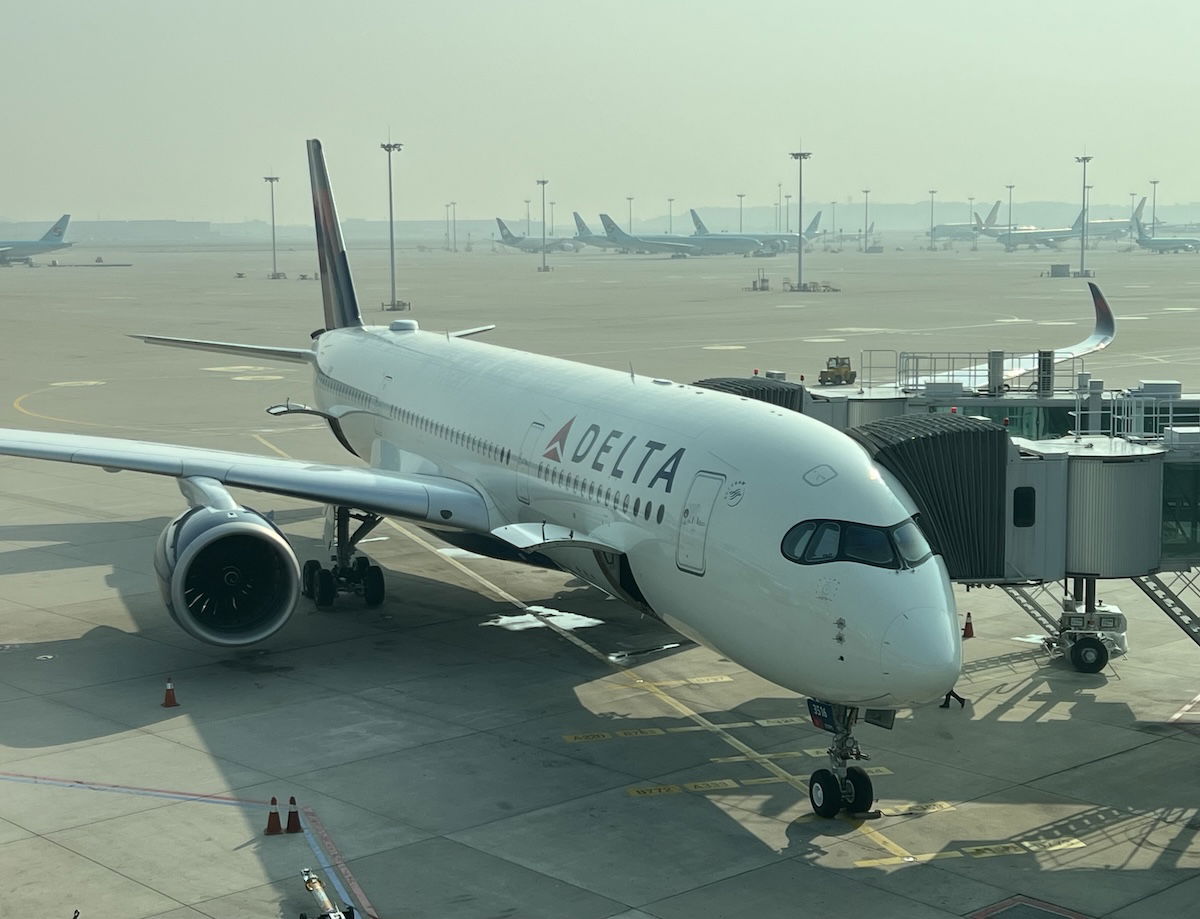
Delta recently announced plans to introduce Amazon Leo for inflight connectivity on roughly half of its fleet, with installation starting in 2028, best case scenario. Amazon Leo is a Starlink competitor, and United plans to finish installing Starlink on all aircraft by the end of 2027.
One can’t overstate the passenger experience advantage this will give United, and it’ll be one that lasts for years. Many of us were puzzled by Delta’s decision, and now we know why things went the way they did. Delta reportedly was unwilling to make any compromises on its Delta Sync system for logging into the Wi-Fi portal, while Starlink has strict rules for this.
What do you make of Delta’s logic for skipping Starlink?
source
