



Aeralis Limited was working on a modular advanced jet trainer for the Royal Air Force, with hopes to equip the Red Arrows to replace the Hawk T1.
Following the US and Israeli war with Iran alongside delays to the Defence Investment Plan (DIP), Aeralis Limited has become another British defence company to slip into administration resulting from a lack of funding. First reported by George Allison from the UK Defence Journal, Aeralis Limited a UK based defence start up that had been aiming to produce an all British designed and manufactured advanced jet trainer has seemingly slipped into administration.
Two administrators, David Buchler and Joanne Milner of Buchler Phillips, were appointed on Friday to begin the dismantling of the company and the division of its assets, with 30 jobs lost at the company.
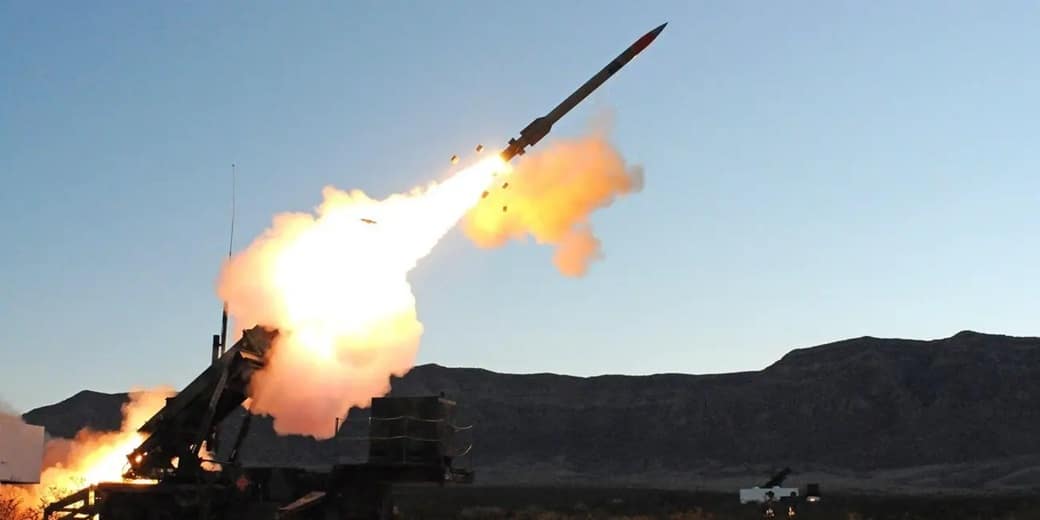
The BBC followed this up reporting that the company’s main investor Barzan Holdings, the strategic investment and procurement arm of Qatar’s Ministry of Defence, withdrew its funding amid the Iran war. Funds that had been allocated to help produce the jet trainer, were likely reallocated to procure more air defence options for the Qatar Emiri Air Force, as a result of the significant expenditure of surface to air missiles by Qatar during the conflict.
Alongside this, Aeralis had been hoping for a potential agreement with the French government to produce the aircraft for their advanced training needs and to requip the Patrouille de France, who currently operate the ageing Alpha Jet. However, alongside British funding, this too failed to materialise.
It is possible that the assets owned by Aeralis, for example the digital designs for their aircraft and its multiple variants, could be bought up by a third party company to continue the Aeralis programme in an alternative structure. However, this may be unlikely due to the saturation of the current advanced jet trainer market, with options available from Italy, Turkey, South Korea, the United States/Sweden and Czechia.
Cashflow pressures send UK modular trainer developer @Aeralis into administration. Serially-delayed release of Defence Investment Plan by @DefenceHQ also cited as a contributing factor. An ambitious idea, but not to be. https://t.co/d2dZbhtwQR pic.twitter.com/LgcmBxP89o
— Craig Hoyle (@FlightAcesHigh) May 15, 2026
To this end, a Ministry of Defence (MoD) spokesperson said that “the fast jet trainer programme is ongoing and no final procurement decisions have been made. More broadly, this government is backing British jobs, British industry, and British innovators – since July 2024, we have signed 1,200 major contracts, with 93% of the spend going to UK-based companies.”
Despite this, the administrators directly blamed the “continued delays to the UK Defence Investment Plan” in delivering the necessary funding to keep the company alive, costing 4,000 potential new jobs in the UK and the generation of £600m in possible annual exports. The delays to the DIP have been causing considerable consternation amongst UK defence firms and the wider defence structure, with Aeralis becoming another of a few companies to have collapsed as a result.

Robin Southwell, the current Chairman of Aeralis stated that “the Board has taken this decision after careful consideration of the Company’s position and the funding challenges it has faced over recent months. We will continue to support the Joint Administrators as they explore viable, sustainable options for the future of the business and engage with interested parties.”
Adding to this, Joanne Milner of Buchler Phillips stated that “Aeralis has developed a highly differentiated proposition within the aerospace and defence sector. We hope that the administration process will provide an opportunity to explore routes to preserve value and develop that value for stakeholders.”
What Could Have Been: Aeralis
Aeralis intended to produce a modular jet trainer aircraft that could be adapted to suit the needs of any possible customer, encompassing a modular design that could be configured to multiple different roles. Each aircraft would have the same common core module which housed the cockpit and all the avionics, but it could then be fitted with a variety of wing types and engine layouts based on the intended role.
If the customer wanted an advanced jet trainer with two engines and swept wings, the engine layout and the wings of the basic design could be swapped out. On the other hand, if the customer wanted an unmanned intelligence surveillance and reconnaissance (ISR) aircraft, the core module could have the cockpit removed, a drone control system installed, straight wings fitted and sensor modules added to underwing pylons.

This modularity could have opened up Aeralis to a variety of possible exports beyond just the advanced trainers that the RAF was looking for. In total the platform intended to operate as a Basic Jet Trainer, Advanced Jet Trainer, Display, Aggressor, Surrogate/Companion, Light Attack, Uncrewed ISR and Uncrewed Tactical air-to-air refuelling tanker.
Despite the unprecedented design, the aircraft was intended to use mostly off the shelf components produced in the UK and abroad with Aeralis partnering with Honeywell for their F124 powerplant and Martin Baker for their ejector seats, among many others. If a prototype could be produced Aeralis was to represent defence collaboration at its best.
Latest article:
Pioneering a sovereign solution for Britain’s fast jet trainer requirementhttps://t.co/On2EZXZuhj pic.twitter.com/kPjNNYEr3L
— Navy Lookout (@NavyLookout) April 7, 2025
The Jet Trainer Requirement
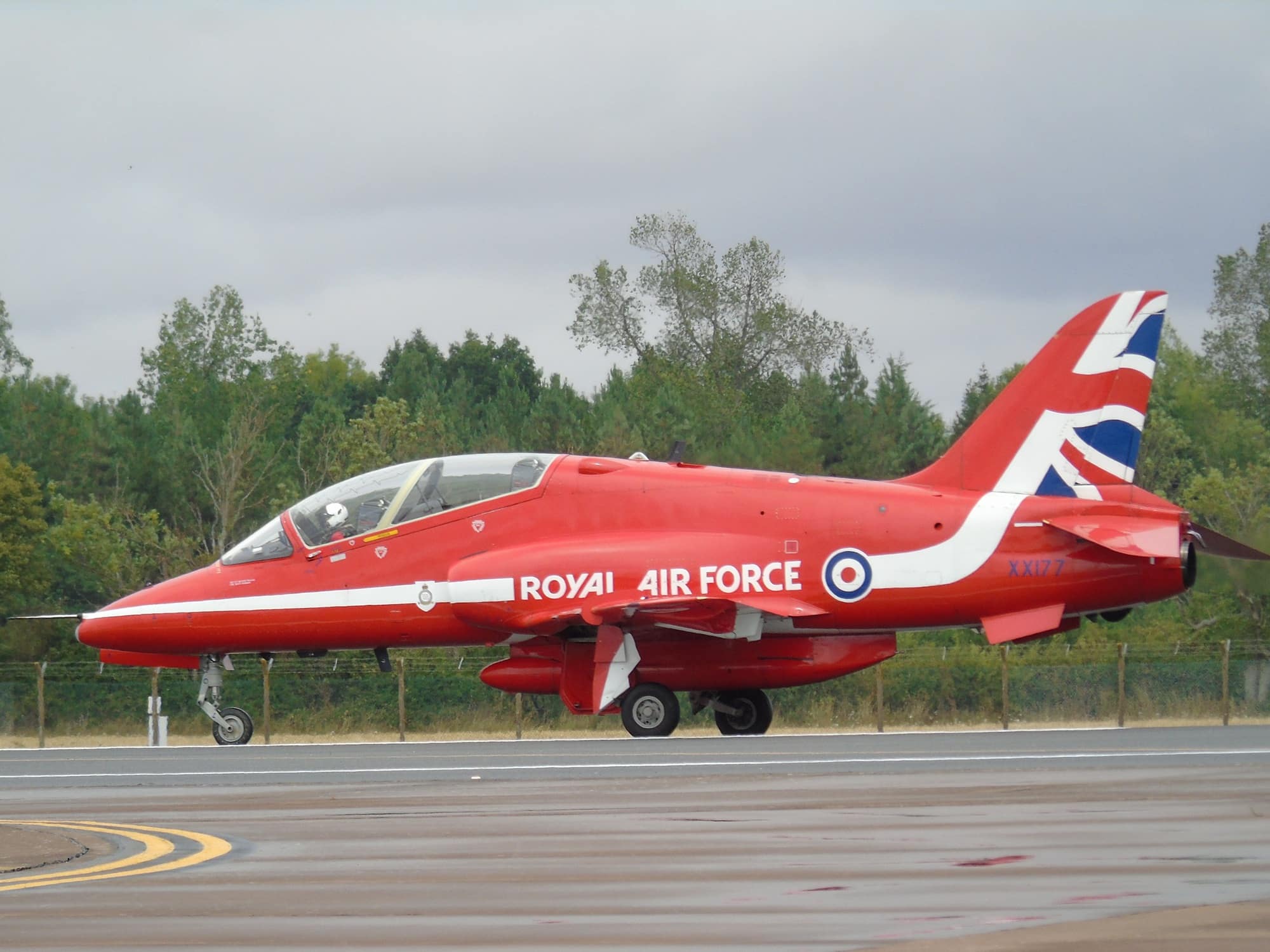
The 2021 Integrated Defence Review was the starting gun on the search for a new jet trainer/display aircraft, with all Hawk T1s bar those used by the Red Arrows be retired immediately. The Hawk T1s had been in use since the 1970s and were originally replaced by the Hawk T2 in the flying training role in 2016, although for a few years both were used concurrently.
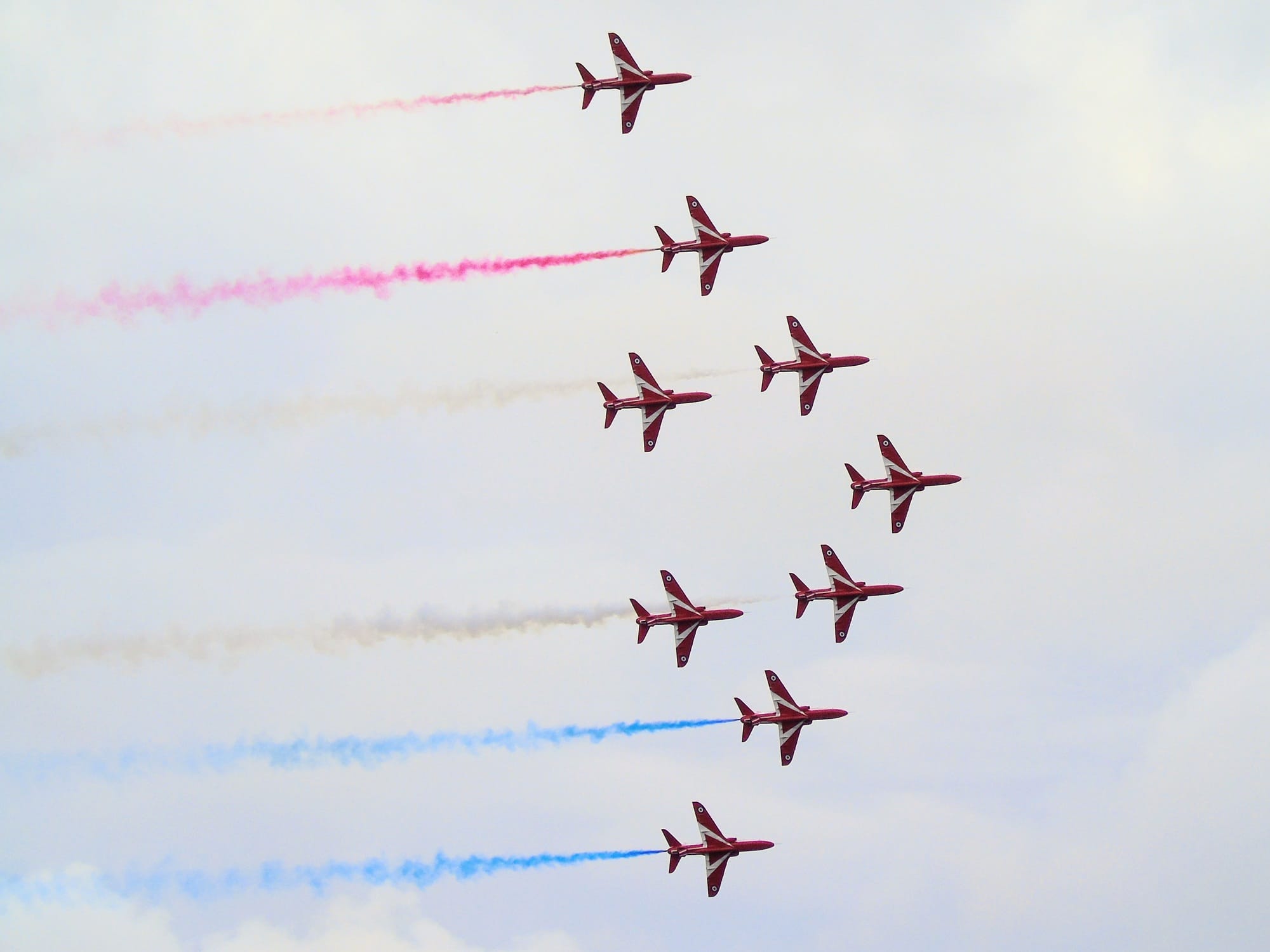
The RAF Red Arrows Display team was allowed to keep their Hawk T1s as the T2 was not as suited to the display role, ensuring that some Hawk T1s remain in service until 2030.
Despite being lost by the RAF, the Hawk T1s carried on within the Royal Navy, operating as aggressor aircraft which allowed ships to train against live targets. The flight characteristics of the Hawk T1 was similar to that of a subsonic cruise missile and so they were able to provide key training to Royal Navy Warfare Officers and Weapons Engineers in how to deal with the cruise missile threat.
However, this was to end with the above defence review, with the Navy’s T1s leaving service in 2022 to be used as spare parts for the Red Arrows as well as for use as engineer training aids at RAF Cosford. The aggressor role was replaced in part by Banshee target drones and private defence company Draken Europe who now fly ex-military L-159 jets alongside larger Dassault Falcon 20s.
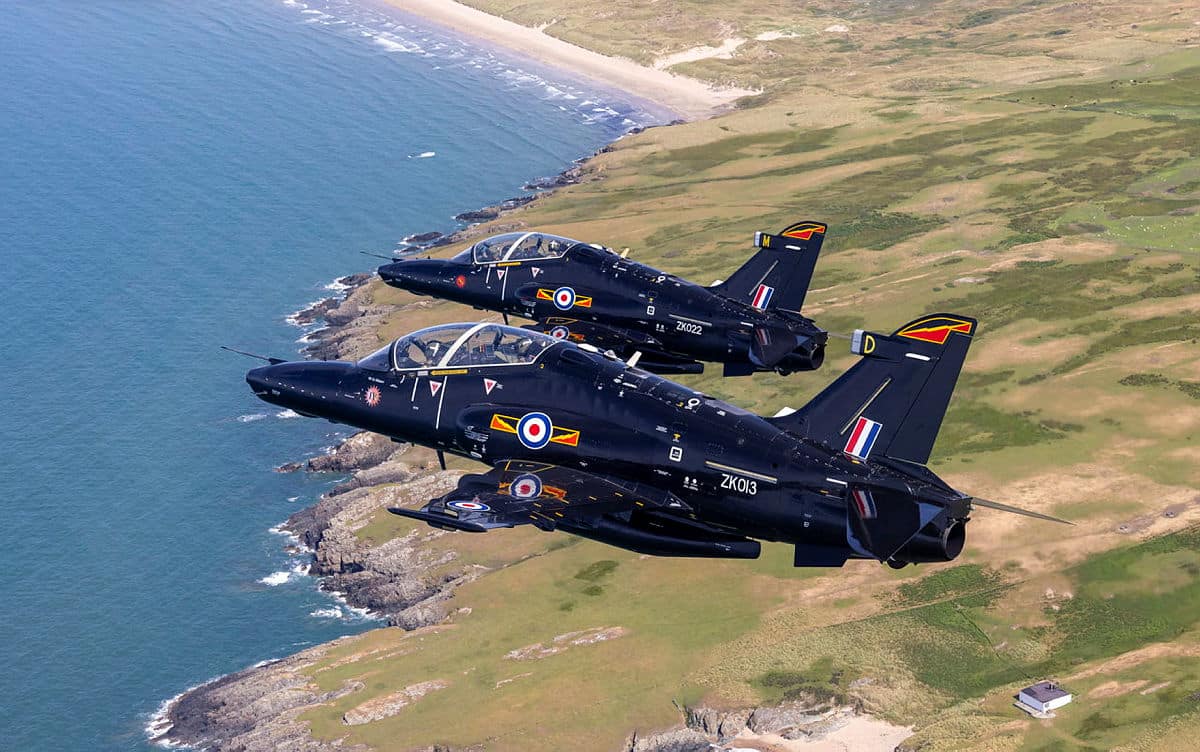
This left a fleet of 28 Hawk T2 advanced jet trainers in service to provide the training necessary to get fast jet pilots in the seats of the Typhoon and the F-35B Lightning II. Unfortunately, the Rolls Royce Ardour Mk 951 engine used by the Hawk T2 was found to have significant defects in their Low Pressure Compressors, which meant that the original 4,000-hour planned design life of each engine was reduced to a clearance of just 1,700.
This had a crippling effect on the availability of aircraft as the entire fleet suddenly needed to have its engines replaced at significant cost in money and time.
Varied RAF Hawk liveries.
credit Mark Herrington pic.twitter.com/OQBwEPFbQY— Chris Bolton (@CcibChris) August 16, 2025
As a result, only eight of the 28 Hawks were available each day between 2022 and 2023 placing an extremely tight bottleneck on the training of fast jet pilots and issue that is still being felt across the force. To mitigate the problem the RAF sent trainees to the International Flight Training School in Italy to train on Italian aircraft, whilst some aircrew were moved to RAF Leeming to train on new build Qatari Hawks which had significant flight hours available.
Despite this and the eventual replacement of the Hawk T2s engines over time, the RAF was still dissatisfied with the Hawk and the quest for a replacement began.
In 2024, the Chief of the Air Staff (CAS) Air Chief Marshal Sir Richard Knighton made the unexpected announcement at the King’s College London’s annual CAS lecture, organised by the Freeman Air and Space Institute (FASI), that he was considering canning the Hawk T2.
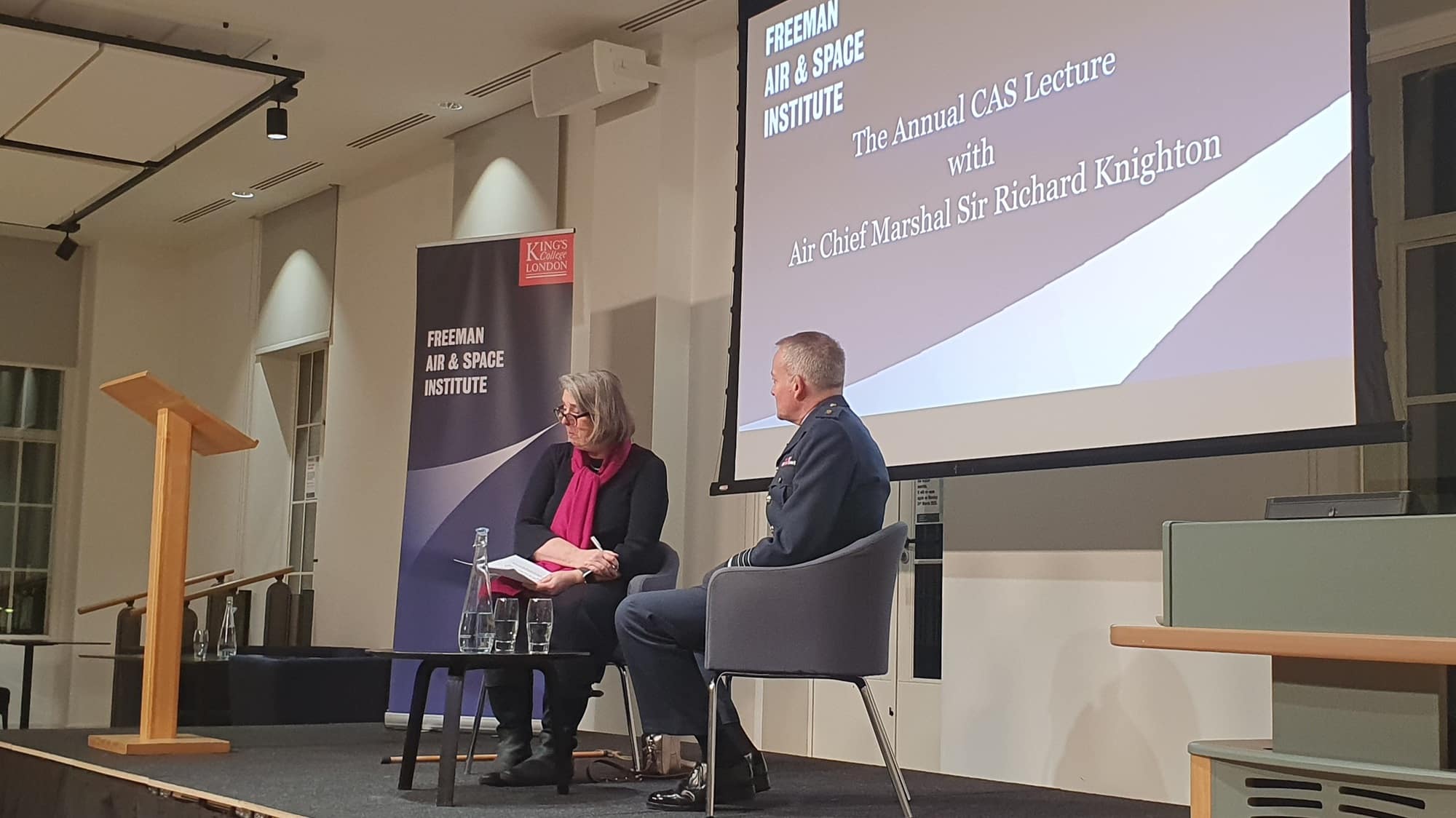
He stated: “We don’t get what we need from Hawk today – we get about half of what we should get out of it. Speaking quite frankly, I would like to replace the Hawk T2 as soon as we can, to deliver a more modern, more reliable, greater capacity.”
He wanted a new trainer to give him “capacity to train overseas pilots here, and that’s such an important… integral part of it”. Plans to replace the Hawk T2 were confirmed in the 2025 Strategic Defence Review, with Aeralis a contender as the only all British aircraft available to continue the legacy of the Hawk as a symbol of Britain’s engineering and design skills.
For the Red Arrows specifically, flying an all British aircraft was a part of their charm, with part of the reasoning behind the display team being to present the best of British for export abroad. This has proved successful selling hundreds of Hawks to foreign customers over the lifetime of the jet, but with the end of Aeralis this may no longer be an option.
DIP Delays, Planning Prevents…
Aeralis had been gaining some momentum in recent years, having received a funding boost from Qatar, allowing the company to partner with Prestwick International Airport and other companies for the manufacturing of the jet aircraft. Aeralis had planned for components to be built around the UK before being assembled at Prestwick, where it would take its first flight.
This could not be done without solid investment from the British government, with Aeralis seeking a £60 million investment to allow for the production of a prototype, with private equity making up the rest. However, money of this type appeared unlikely to appear for two main reasons. The first, as senior research fellow at RUSI Justin Bronk put it, Aeralis was “purely theoretical, and its only attraction is the promise of UK jobs at some point”.
Very sad news. While I always felt Aeralis had a bit of a rocky business plan, and lacked a home grown engine, the fact that there’s no British design to replace the Hawk stings. Bad news for British Aerospace, and for Glasgow Prestwick, where the jet was supposed to be built. https://t.co/Ol0auE73GC pic.twitter.com/brNKSSXx4c
— 🦐. (@AhamadNooh) May 15, 2026
“Its downsides include high programme and development risks, and long realistic timeframes until any serviceable aircraft might be delivered, compared to alternatives that already exist,” Bronk said. He further added: “A strong fast jet training pipeline is fundamental to all other UK combat air capabilities, so risk should not be taken with ensuring it is modernised rapidly and with high levels of assurance.”
Jet trainers such as the Turkish Hurjet, Italian M-346 Master, Czech L-39NG, American/Swedish T-7 Red Hawk and the South Korean T-50 Golden Eagle all represent off the shelf replacements for the Hawk that can be delivered rapidly from the late 2020s, giving the RAF capability when it needs it, and not when Aeralis can deliver it.
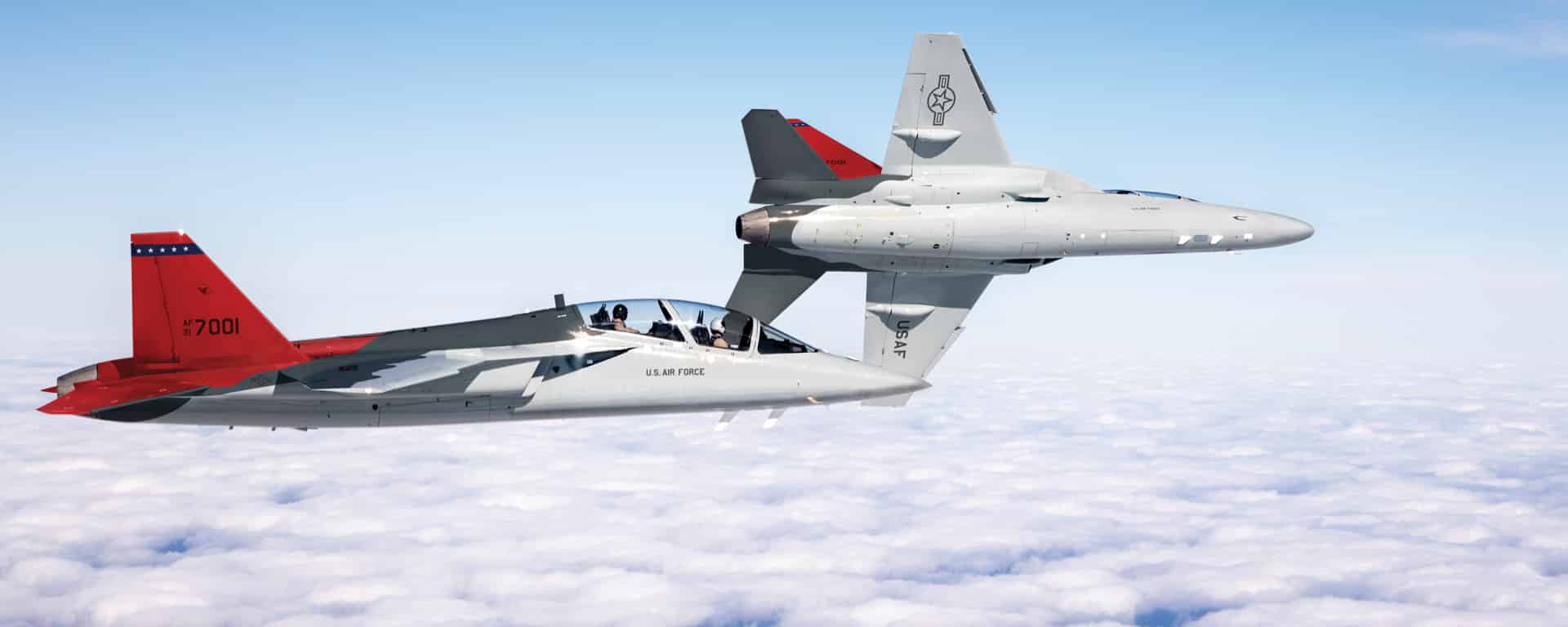
The second issue at present, and one at the heart of UK defence is the delay to the DIP. The DIP is supposed to lay out how the British government will invest in defence for the next ten years, and was supposed to be published in 2025 to allow for hundreds of defence projects to start progressing.
Instead, it has been delayed a number of times preventing the military from re-arming and preventing industry from investing. This has affected programs right across defence, delaying GCAP to the annoyance of the Italian and Japanese governments, whilst also delaying the reconstitution of the British Army’s mobile artillery force, after their AS90s were delivered to Ukraine.
Earlier in the year, the delays to the DIP almost forced Leonardo to draw down its helicopter production line in the UK due to a lack of orders for the New Medium Helicopter program. Embarrassingly, the order for 23 Leonardo AW149s was only made this year, after the programme was originally announced in the same 2021 Defence review that canned the Hawk T1, five years ago.
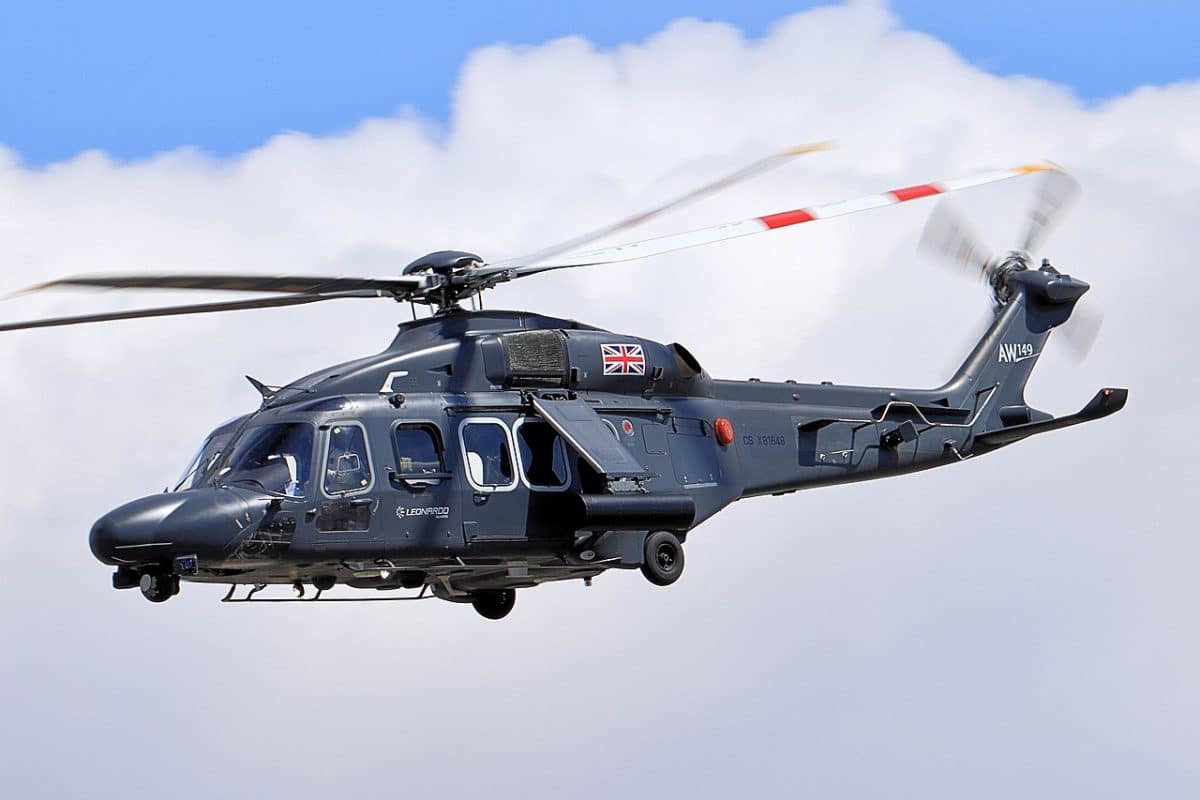
British defence investment has been critically slow at a time when re-arming should be one of the highest priorities of the British government. Last month Lord Robertson, the former Labour defence secretary who wrote the Strategic Defence Review, accused Prime Minister Sir Keir Starmer’s government of showing “corrosive complacency” on defence, thus highlighting the urgency of the issue at hand.
Despite the collapse of Aeralis, good news appears to be in the air. In the last few days press releases have been made announcing that £1 Billion is being spent on buying the British Army 72 new RCH-155 self propelled artillery guns, in addition to approval for the procurement of the Small Diameter Bomb for the RAF and Royal Navy F-35s. Both orders were believed to have been locked behind the DIP, and so their announcement implies that it may be close to its full publication.
Exclusive with @larisamlbrown
Sir Keir Starmer is expected to approve an £18 billion increase in defence spending as he faces a battle for political survival
Jonathan Powell, the national security adviser, has written to Starmer in recent weeks warning him that Britain would…
— Steven Swinford (@Steven_Swinford) May 15, 2026
Alongside this, the Times has reported that Sir Keir is to announce an £18 billion boost for defence as soon as next week, allowing for possibly the full implementation of the Strategic Defence Review. Only time will tell if this will provide UK defence with the investment it needs in the face of growing conflict in the Middle East and Europe. But for once, and despite the collapse of Aeralis, the news is looking more positive.
