
Close Menu
FlyMarshallFlyMarshall
  • Aviation
    • AeroTime
    • Airways Magazine
    • Simple Flying
  • Corporate
    • AINonline
    • Corporate Jet Investor
  • Cargo
    • Air Cargo News
    • Cargo Facts
  • Military
    • The Aviationist
  • Defense
  • OEMs
    • Airbus RSS Directory
  • Regulators
    • EASA
    • USAF RSS Directory
What's Hot

US passenger flights to Venezuela resume after seven-year suspension

April 30, 2026

MTU Aero Engines posts Q1 gains, sees continued strength despite geopolitical pressures

April 30, 2026

Rolls-Royce wins back LATAM business with Trent 1000 XE engine order

April 30, 2026
Facebook X (Twitter) Instagram
Demo
  • Aviation
    • AeroTime
    • Airways Magazine
    • Simple Flying
  • Corporate
    • AINonline
    • Corporate Jet Investor
  • Cargo
    • Air Cargo News
    • Cargo Facts
  • Military
    • The Aviationist
  • Defense
  • OEMs
    • Airbus RSS Directory
  • Regulators
    • EASA
    • USAF RSS Directory
Facebook X (Twitter) Instagram
Demo
Home » Why Do Jet Engines Sound Different During Takeoffs and Landings?
Airbus RSS Directory

Why Do Jet Engines Sound Different During Takeoffs and Landings?

FlyMarshall NewsroomBy FlyMarshall NewsroomFebruary 13, 2026No Comments3 Mins Read
Share
Facebook Twitter LinkedIn Pinterest Email

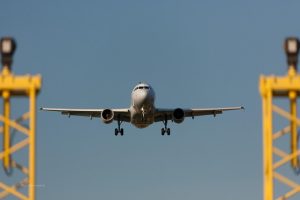
Commercial airliner landing

If you’ve ever observed commercial jets at a major airport, you may recall them sounding different during takeoffs and landings. Jet engines aren’t silent. At cruising altitude, they typically generate 80 to 90 decibels (dB) of in-cabin noise, which is the equivalent of a gas-powered lawnmower.

Jet engines, however, don’t produce the same level of noise during all stages of flight. They are the loudest during takeoff, and they become quieter during landings. You can still hear their signature low-pitched rumble or roar, but they are about 10 to 15 dB quieter during landings compared to takeoffs.

Thrust Setting

One of the reasons why jet engines sound different during takeoffs and landings involves the thrust setting. Pilots generally use a higher thrust setting when taking off — sometimes as much as 80% to 100% of the airplane’s rated takeoff power.

A higher thrust setting means more fuel flowing to the airplane’s jet engines. When mixed with air and ignited, a controlled explosion occurs that generates hot exhaust gases as a byproduct. The gases exit the engines at a high velocity while simultaneously producing noise. Jet engines still produce noise during landings, but they often run at just 30% power or less, meaning they are quieter.

Fan Speed

The large fans at the front of jet engines spin more rapidly during takeoffs than landings. Most commercial jets use turbofan engines. Not to be confused with turbojets, turbofans are characterized by the use of bypass air. They allow some air to enter the combustion chamber, and they move some air around the combustion chamber (the bypass air).

During takeoffs, the front fan spins very quickly so that bypass air will move around the combustion chamber. This creates a pressure differential and turbulence, which manifests in the form of a sharp and penetrating sound.

During landings, on the other hand, the fan speed decreases. Bypass air still moves around the combustion chamber, but it does so at a slower rate. As a result, there’s less turbulence and less noise.

In Conclusion

The noise difference between takeoffs and landings comes down to demand. During takeoffs, the engines work at or near their limits, pushing massive volumes of air and fuel through the system to lift tens of thousands of pounds into the sky. That effort produces more exhaust velocity, more turbulence and ultimately more sound. On landings, the workload eases. Thrust drops, fan speeds slow and the entire system operates in a more controlled and subdued range.

source

FlyMarshall Newsroom
  • Website

Related Posts

Hex Head vs Thumb Wing Worm Screw Clamps

April 29, 2026

Understanding the Grip Length of Solid Rivets

April 27, 2026

What Are Afterburners and How Do They Work?

April 24, 2026

5 Facts About Tailskids

April 22, 2026
Add A Comment
Leave A Reply Cancel Reply

Latest Posts

US passenger flights to Venezuela resume after seven-year suspension

April 30, 2026

MTU Aero Engines posts Q1 gains, sees continued strength despite geopolitical pressures

April 30, 2026

Rolls-Royce wins back LATAM business with Trent 1000 XE engine order

April 30, 2026

Delta Adjusts Inflight Service On Short Flights, 450 Daily Flights Lose All Service

April 30, 2026

Subscribe to Updates

Please enable JavaScript in your browser to complete this form.
Loading
About Us

Welcome to FlyMarshall — where information meets altitude. We believe aviation isn’t just about aircraft and routes; it’s about stories in flight, innovations that propel us forward, and the people who make the skies safer, smarter, and more connected.


Useful Links
  • Business / Corporate Aviation
  • Cargo
  • Commercial Aviation
  • Defense News (Air)
  • Military / Defense Aviation
Quick Links
  • About Us
  • Contact Us
  • Disclaimer
  • Privacy Policy
  • Terms and Conditions

Subscribe to Updates

Please enable JavaScript in your browser to complete this form.
Loading
Copyright © 2026 Flymarshall.All Right Reserved
  • About Us
  • Contact Us
  • Disclaimer
  • Privacy Policy
  • Terms and Conditions

Type above and press Enter to search. Press Esc to cancel.

Go to mobile version