
Close Menu
FlyMarshallFlyMarshall
  • Aviation
    • AeroTime
    • Airways Magazine
    • Simple Flying
  • Corporate
    • AINonline
    • Corporate Jet Investor
  • Cargo
    • Air Cargo News
    • Cargo Facts
  • Military
    • The Aviationist
  • Defense
  • OEMs
    • Airbus RSS Directory
  • Regulators
    • EASA
    • USAF RSS Directory
What's Hot

United & JetBlue Reciprocal Revenue Flight Bookings: Big Upside For JetBlue?

February 11, 2026

Lockheed unveils Lamprey underwater drone that can attach to ships

February 10, 2026

Venezuelan airline Avior seeks return to US after five-year ban

February 10, 2026
Facebook X (Twitter) Instagram
Demo
  • Aviation
    • AeroTime
    • Airways Magazine
    • Simple Flying
  • Corporate
    • AINonline
    • Corporate Jet Investor
  • Cargo
    • Air Cargo News
    • Cargo Facts
  • Military
    • The Aviationist
  • Defense
  • OEMs
    • Airbus RSS Directory
  • Regulators
    • EASA
    • USAF RSS Directory
Facebook X (Twitter) Instagram
Demo
Home » What Factors Affect an Airplane’s Climb Rate?
Airbus RSS Directory

What Factors Affect an Airplane’s Climb Rate?

FlyMarshall NewsroomBy FlyMarshall NewsroomFebruary 4, 2026No Comments3 Mins Read
Share
Facebook Twitter LinkedIn Pinterest Email

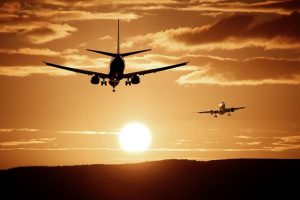
Commercial airliner flying against sunset

Pilots must constantly monitor climb rate. Expressed in feet per minute (FPM), it represents the speed at which an airplane ascends or descends. A positive climb rate indicates the airplane is ascending and gaining altitude. A negative climb rate indicates the airplane is descending and losing altitude. Below are several key factors that affect an airplane’s climb rate.

Flight Phase

While there are always exceptions, most airplanes have a slower climb rate immediately after taking off. The still-extended landing gear creates drag. At the same time, pilots often prioritize speed upon taking off. Only after achieving a target speed will pilots increase their angle of ascent.

Weight

One of the most influential factors in climb rate is aircraft weight. Heavy airplanes have a slower climb rate than lighter airplanes. Small single-engine airplanes, for instance, have an initial climb rate of roughly 300 to 1,000 FPM, whereas the jumbo-sized Airbus A380 has an initial climb rate of 1,500 FPM.

Thrust

An airplane’s thrust setting will affect its climb rate. The higher the thrust setting, the faster the airplane’s climb rate. With that said, airplanes can only climb when they have excess thrust. If an airplane’s thrust is less than its drag, it will descend. Regardless of size or engine type, airplanes must produce more thrust than their drag to achieve a positive climb rate.

Altitude

The altitude at which an airplane flies will affect its climb rate. Air is less dense at high altitudes, meaning the air molecules are spread farther apart. The less-dense air at high altitudes forces airplanes to work harder to generate lift. Furthermore, aircraft engines rely on air to generate thrust. At high altitudes, aircraft engines suck up less air, resulting in less thrust being produced. The bottom line is that airplanes generally have a slower climb rate at high altitudes.

Turbulence and Weather

Another factor that affects climb rate is turbulence and weather. Strong turbulence and wind shear, for example, can result in a slower climb rate. It will create drag that airplanes must overcome with thrust to climb. Rising air, in comparison, can actually improve an airplane’s climb rate. As the air rises, it will lift the airplane so that less thrust is needed.

In Conclusion

Climb rate is not just a number on the flight instruments. It reflects how well an airplane is performing in real time. Weight, thrust, altitude and weather all interact to shape how quickly an aircraft can gain altitude.

source

FlyMarshall Newsroom
  • Website

Related Posts

What Is an Engine Build Up (EBU) in Aviation?

February 9, 2026

Legacy vs Low-Cost Airlines: What’s the Difference?

February 6, 2026

5 Things to Consider When Choosing a Set Screw

February 2, 2026

What Are Brake Wear Pins and How Do Airplanes Use Them?

January 30, 2026
Add A Comment
Leave A Reply Cancel Reply

Latest Posts

United & JetBlue Reciprocal Revenue Flight Bookings: Big Upside For JetBlue?

February 11, 2026

Lockheed unveils Lamprey underwater drone that can attach to ships

February 10, 2026

Venezuelan airline Avior seeks return to US after five-year ban

February 10, 2026

Why Greenland’s takeover by the US is not needed for Golden Dome

February 10, 2026

Subscribe to Updates

Please enable JavaScript in your browser to complete this form.
Loading
About Us

Welcome to FlyMarshall — where information meets altitude. We believe aviation isn’t just about aircraft and routes; it’s about stories in flight, innovations that propel us forward, and the people who make the skies safer, smarter, and more connected.


Useful Links
  • Business / Corporate Aviation
  • Cargo
  • Commercial Aviation
  • Defense News (Air)
  • Military / Defense Aviation
Quick Links
  • About Us
  • Contact Us
  • Disclaimer
  • Privacy Policy
  • Terms and Conditions

Subscribe to Updates

Please enable JavaScript in your browser to complete this form.
Loading
Copyright © 2026 Flymarshall.All Right Reserved
  • About Us
  • Contact Us
  • Disclaimer
  • Privacy Policy
  • Terms and Conditions

Type above and press Enter to search. Press Esc to cancel.

Go to mobile version