


The United States has informed several European countries that previously contracted weapons deliveries are likely to be delayed as the war against Iran continues to consume US munitions stockpiles.
The affected countries include nations in the Baltic region and Scandinavia, Reuters reported, citing five sources familiar with the matter, who spoke on condition of anonymity because the communications were not public. Some of the countries share a border with Russia, and the sources asked that their names be withheld, noting that the pace and timing of weapons deliveries to such states could be considered sensitive defense information.
Lithuania’s Defense Ministry has confirmed the notification. “Lithuania was informed by Pentagon officials of possible delays in the delivery of ammunition purchased from the United States due to the conflict in the Middle East,” the ministry told Lithuanian public broadcaster LRT in a written comment on April 17, 2026.
The delayed weaponry was purchased through the Foreign Military Sales (FMS) program, under which foreign governments buy US-made weapons with the logistical assistance and consent of Washington. The Trump administration has pushed European NATO partners to purchase more US-made materiel through the FMS framework as part of a broader effort to shift the burden of Europe’s conventional defense onto European allies.
The delayed items take in various types of ammunition, including munitions that can be used for both offensive and defensive purposes. US officials communicated the expected delays in bilateral messages to European counterparts in recent days.
A pattern of strain
The delays are the latest sign of how Operation Epic Fury, the US-Israeli air campaign against Iran launched on February 28, 2026, has begun to stretch US weapons supplies.
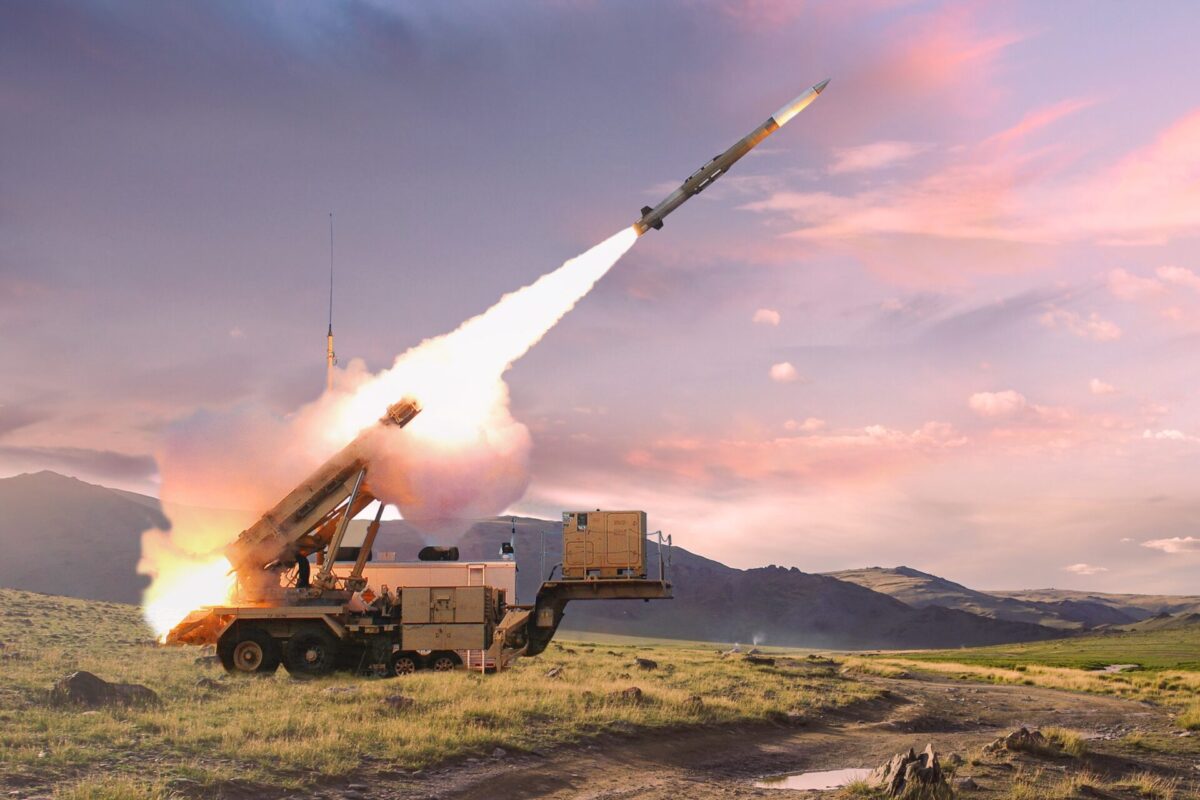
Since the start of the Iran campaign, Tehran has fired hundreds of ballistic missiles and drones at Gulf states. Most have been intercepted, including with PAC-3 Patriot missile interceptors, the same type on which Ukraine relies to defend its energy and military infrastructure from ballistic missile strikes. The Royal United Services Institute has estimated that the US and Gulf states expended more than 1,800 Patriot interceptors in the first 16 days of the operation alone, far outstripping annual production capacity.
The scale of consumption has raised the prospect of European allies losing access not only to their own contracted deliveries, but also to weapons they have already funded for third parties. In March 2026, the Washington Post reported that the Pentagon was weighing up whether to redirect air defense interceptors procured through NATO’s Prioritized Ukraine Requirements List (PURL), the initiative under which European nations pool funds to purchase US-made arms for Kyiv. The diversion could amount to roughly $750 million worth of ally-funded missiles redirected to replenish US inventory in the Middle East. A final decision has not been announced.
The Pentagon has since signed a seven-year framework agreement with Boeing to triple production of the PAC-3 seeker, the component identified as the primary manufacturing bottleneck. The US Army also awarded Lockheed Martin a $4.76 billion PAC-3 MSE contract in April 2026, with 94% of the funding drawn from FMS accounts. Reaching an annual production rate of 2,000 interceptors is projected to take seven years.
European frustration
US officials have argued that the weapons are needed for the war in the Middle East and criticized European nations for not helping the US and Israel reopen the Strait of Hormuz.
But the delays add to a pattern of frustration in European capitals, where FMS deliveries have long been subject to slippage. Switzerland froze its Patriot payments in July 2025 after being told its batteries would be delayed by years. Washington then redirected over 100 million Swiss francs from Bern’s separate F-35 acquisition account to cover the frozen amounts, a move made possible by the pooled structure of FMS financial arrangements. Switzerland’s new air force commander has since warned publicly that the country cannot defend itself against modern air threats, and Bern is now evaluating a European-made alternative to Patriot.
The accumulation of delays and redirections is fueling a broader reexamination of procurement strategies across Europe. Some European officials are increasingly looking at weapons systems made within the continent, a trend that predates the Iran war but which has now been accelerated by it.
source
