

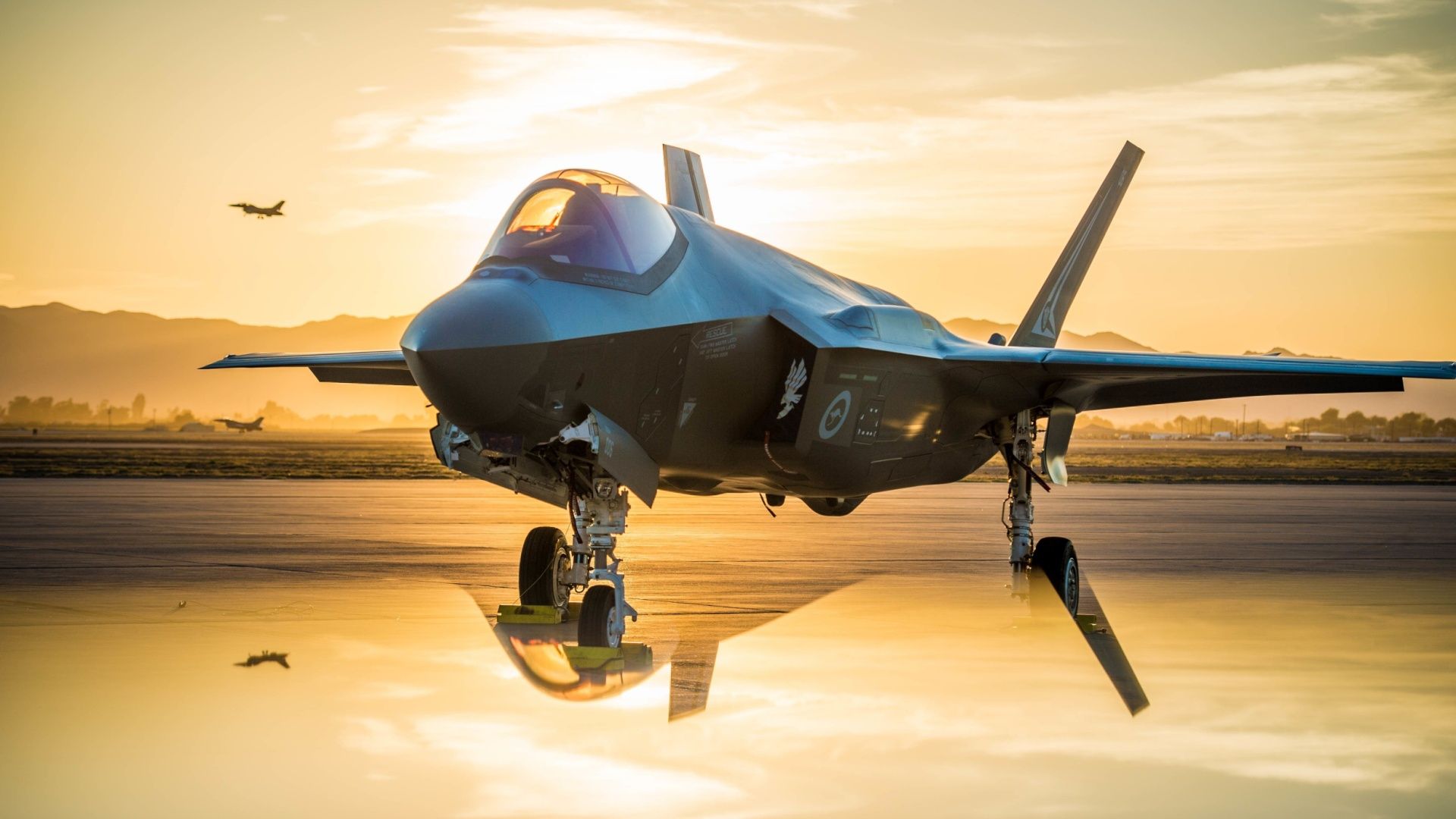
U.S. officials in Washington, D.C., have confirmed that any F-35 Lightning II aircraft sold to Saudi Arabia under a new strategic defense pact will be less advanced than the versions already flying with Israel. This will allow the company to preserve Israel’s legally mandated qualitative military edge within the region, a strategic priority the Department of War has been quick to reinforce.
The proposed sale, which will account for 48 F-35A jets as part of a wider security package, has stirred up controversy within Congress and from Israeli politicians. Israeli officials, despite their commentary, have insisted that their edge will be maintained through superior systems management and future access to cutting-edge US weaponry. Critics warn that the move could reshape the balance of regional power and further deepen dependence on American stealth technology.
Several High-End Capabilities Will Be Missing From These Jets

According to reports published by Reuters, American officials say that the Lockheed Martin F-35 II jets headed to the Royal Saudi Air Force will include several high-end capabilities that are found on the Israeli F-35I Adir fleet. This includes some advanced electronic warfare suites, weapons options, and customization rights. This sale forms part of a broader US-Saudi Strategic Defense Agreement that also includes nearly 300 Abrams tanks and closer defense-industrial cooperation across the board.
Israel has privately and publicly lobbied Washington to make sure that the jets remain less capable, even as the American government has been quick to highlight that it expects to retain access to more advanced US-built systems in the future. The defense package still has to clear a formal congressional review, where human-rights concerns and technology-security risks will likely be at the center of legislative debate. The sale would be an interesting choice given that Turkey was previously excluded from the F-35 program over security concerns.
A Potential Windfall For Lockheed Martin

For Lockheed Martin, this Saudi F-35 package is both a commercial opportunity and a strategic test. Saudi Arabia’s planned purchase of around 38 new F-35A models would add a major new customer to the aircraft program. This would bolster the order book and extend production visibly for the Fort Worth line deep into the 2030s.
This deal also reinforces the F-35’s status as the default fifth-generation fighter for American partners, following previous sales to Israel, the United Arab Emirates, and multiple allies in NATO. Lockheed will need to support a deliberately downgraded configuration that omits certain electronic-warfare features, weapons integration systems, and software capabilities, all while convincing the Saudis that they are receiving a credible top-tier aircraft.
Technology-security rules will likely constrain industrial offsets and local sustainment, potentially complicating Saudi ambitions of growing its domestic defense industry. At the same time, any congressional pushback over human rights or regional escalation could potentially delay or reshape the contract, injecting political risk into what would otherwise be a major export win for Lockheed Martin.

F-35 Sales To The Middle East: What Will The New Trump Administration Decide?
Morocco could become the first Arab country to receive the F-35 with potential for more Arab states under Trump.
Why Might Washington Want To Limit Saudi F-35 Capabilities?

Several overlapping factors are pushing Washington to offer Saudi Arabia a significantly less advanced version of the Lockheed Martin F-35 Lightning II. First and foremost are statutes that require the United States to help preserve Israel’s military edge. In practice, this equates to supporting Israel through offering superior capabilities and privileged access to upgrades compared with any Arab neighbor.
Second are long-running Pentagon concerns that highly sensitive stealth, sensor, and electronic-warfare technologies could be compromised. This is especially relevant given Riyadh’s parallel defense ties with China. Third, the F-35 sale is embedded in a broader strategic bargain. This move would keep Saudi Arabia anchored to the US security umbrella, securing basing and overflight rights while pushing the kingdom towards eventual relationship normalization with Israel.
By offering a tiered and somewhat downgraded variant, Saudi Arabia aims to square that circle. Saudi capabilities would be strengthened to allow effective deterrence of Iranian incursion, without erasing Israel’s technological lead in any way or handing over America’s most sensitive aviation secrets.
source
