


Subscription Required
By Scott Hamilton
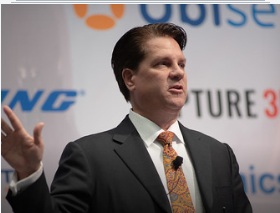
Kevin Michaels, AeroDynamic Advisory. Credit: PNAA.
March 9, 2026, © Leeham News: Every year since the end of the global COVID-19 pandemic, everyone associated in whatever capacity with aerospace has complained about the supply chain.
There is a workforce shortage.
Suppliers are unable to meet contractual deadlines.
Airbus and Boeing haven’t been able to deliver their airplanes on time. Sometimes the aircraft are months later.
Engine makers are to blame.
Interior suppliers are to blame.
The little supplier making the widget is to blame.
Delays still plague the industry, but at long, long last, there seems to be a light at the end of the tunnel.
“I don’t want to focus just on the negatives. The bottom line is that the supply chain is improving. You talk to most executives at OEMs, they’ll tell you that supply chain is in better shape today than it was a year ago or two years ago,” said Kevin Michaels, managing director of the supply-chain consulting firm Aerodynamic Advisory.
Nevertheless, there’s a very real possibility that the light is from another set of oncoming trains.
“We’ve had some very interesting dynamics this year,” Michaels said during an appearance last month at the annual Pacific Northwest Aerospace Alliance (PNAA) conference.
What’s on those trains?
Regulatory bottlenecks and rare earth production concentration and shortages are just two of the overarching areas continuing to face the aerospace industry. Engines and interiors remain challenging.
source
