


NEW DELHI — India is pressing ahead with a $9 billion infrastructure project to bolster its military footprint on the Great Nicobar Island which sits far from the Indian mainland near one of the world’s most critical shipping arteries.
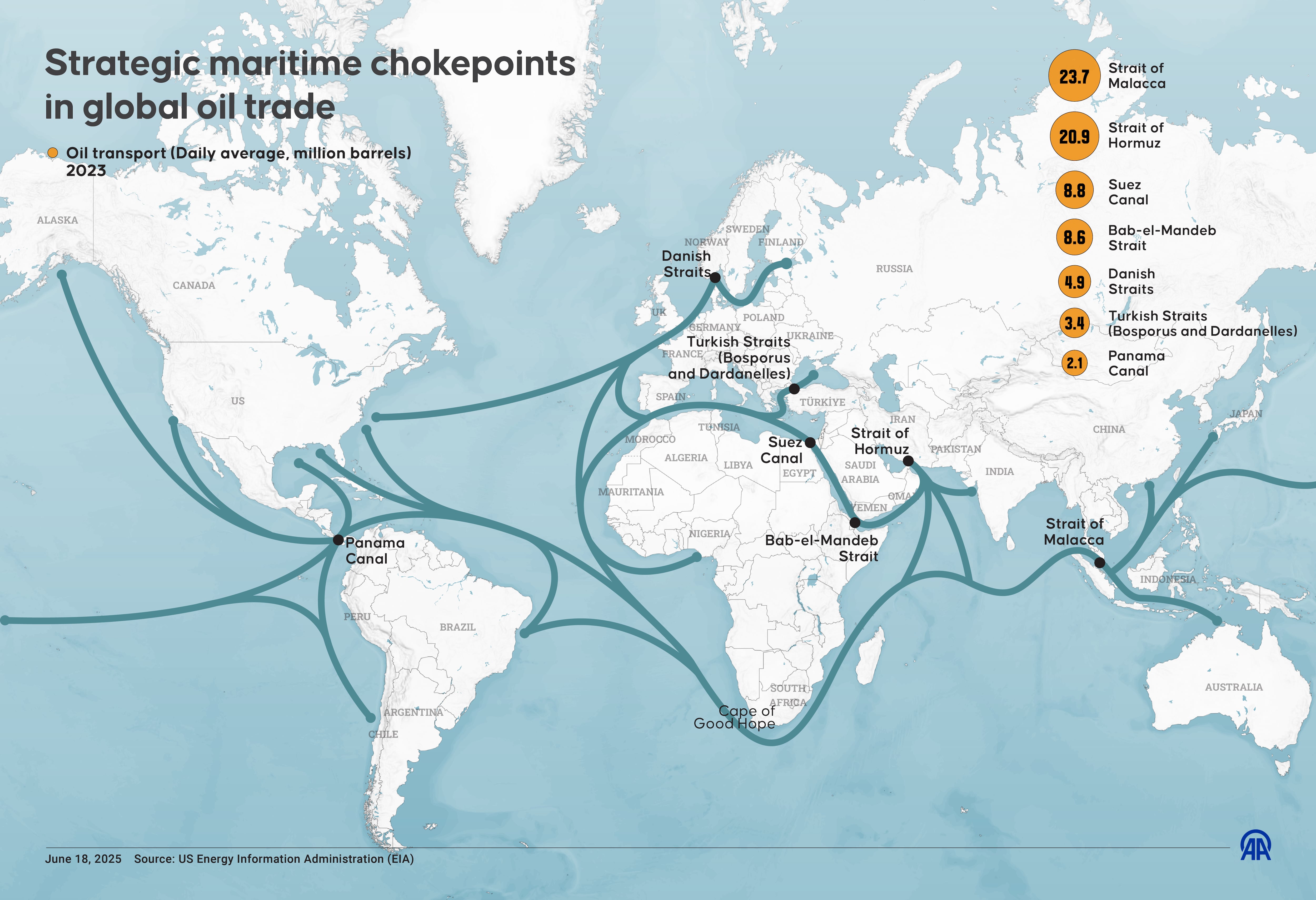
The project is attracting attention as disruptions to shipping in the Strait of Hormuz, following the U.S.-Iran-Israel conflict brings focus to other vulnerable maritime chokepoints.
The Malacca Strait, a narrow stretch of water passing between Indonesia, Malaysia and Singapore, is the shortest route between the Indian Ocean and the South China Sea. Jointly managed by these three countries, it carries more than a quarter of global sea trade. It is particularly crucial for China because a bulk of its maritime trade including nearly three quarters of its imported crude oil supplies transits these waters.
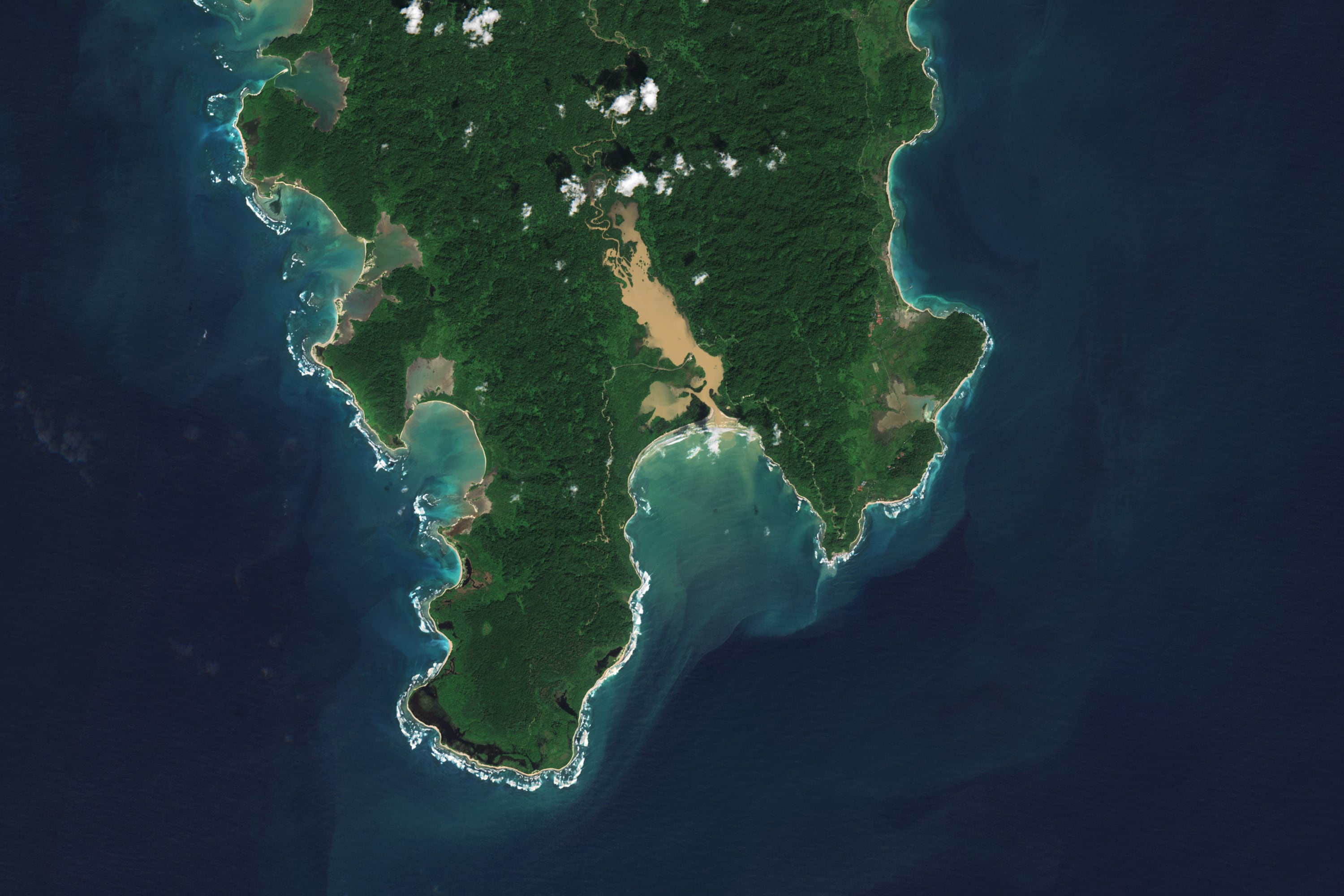
Part of India’s far-flung Andaman and Nicobar archipelago, the Great Nicobar island lies closer to Indonesia than the Indian mainland and has long been eyed as a potential defense outpost in the Indo Pacific and a gateway to the Malacca Strait. It is located about 150 kilometers from the strait’s western entrance.
The project, which involves developing the island as a trading and maritime hub, got the go-ahead after environmental concerns raised about its impact on the ecosystem were set aside in February by the National Green Tribunal, a court mandated to protect the environment. It will come up over 160 square kilometers of tropical forest land and will be implemented in three phases.
“It leverages Great Nicobar’s strategic location to strengthen India’s national security, maritime and defense presence in the Indo-Pacific while simultaneously embedding strong environmental safeguards and tribal welfare mechanisms,” the Indian government said in a press statement on May 1.
Expanding focus to the Indo-Pacific
The project will include building an international container trans-shipment terminal, a dual-use civil and military airport, a power plant, and a township at Galathea Bay in the Great Nicobar Island.
Analysts say expanding existing airstrips on the island will facilitate operations of fighter jets and surveillance aircraft while building new jetties and logistics hubs will boost naval operations.
The aim is to extend India’s defense focus from its mainland along some of the world’s busiest shipping routes.
“It enhances India’s ability in the maritime space whether it is for surveillance, monitoring of shipping traffic, or potential naval operations. Great Nicobar Island has been talked of as a permanent forward base for military power projection. So essentially it strengthens India’s presence in the Indo-Pacific,” according to Harsh Pant, vice president at the Observer Research Foundation in New Delhi.
The current crisis in the Hormuz Strait, where sea traffic remains virtually paralyzed since the Iran conflict erupted has underlined the need to strengthen India’s deterrence posture and secure trade routes, according to retired Brigadier Arun Sahgal, who directs the Forum for Strategic Initiatives in New Delhi.
“This is what I call the Hormuz Strait effect. We are now looking at the possibility that waterways can be militarily dominated. So the idea is to develop Nicobar into a credible military outpost to oversee the security of Malacca waters and ensure that any inimical player, be it Chinese or the United States, they do not interfere in the maritime traffic in a manner that is being done by both Iran and the U.S. in Hormuz,” said Sahgal.
The China factor
Even as India leverages its geography to its advantage at Great Nicobar, analysts point out that countering its regional rival, China, is a key factor behind the project.
While both countries have long confronted each other along their rugged Himalayan borders, India also faces a maritime challenge from Beijing as China edges closer to its coast. Beijing has built ports in Indian Ocean countries like Sri Lanka and Pakistan, and road and rail links in Myanmar to gain overland access to the Indian Ocean. Chinese submarines and surveillance ships traverse these waters regularly.
“In some ways developing this project allows India to push back against China in its own way because Beijing is intruding into India’s strategic space,” says strategic affairs expert Pant. “This ability to transform Indian territory for maritime power projection is going to be critical at a time when Indo-Pacific competition is getting enhanced. At the same time, India also benefits economically.”
Other analysts stress that the project is important for India, which calls itself a “net security provider” in the Indian Ocean.
“The influence of the Chinese navy is only likely to increase from now on to ensure that sea lanes are not interfered with. It is imperative for India also to ensure freedom of navigation if it has to keep its leverage in this region,” according to Sahgal.
source
