

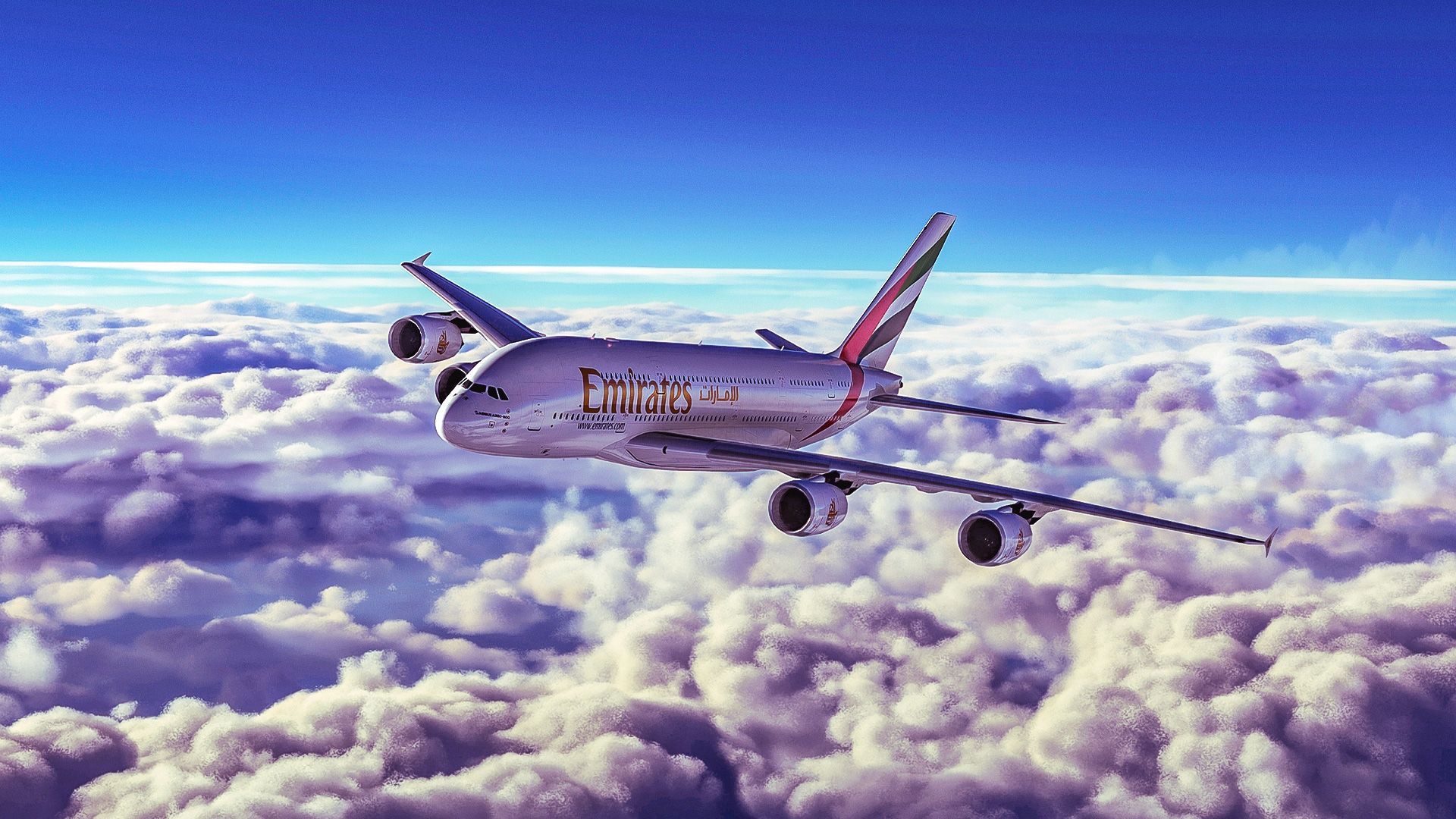
Turbulence has become an increasing issue in the world of commercial aviation in recent years, with research suggesting that the effects of climate change may prove to further worsen the problem going forward. With this in mind, airlines all around the world are investing in solutions that help them mitigate the effects of turbulence for the safety of their passengers and crew.
One such airline is Dubai-based UAE flag carrier  Emirates, which, earlier today, shared details of its various new initiatives that it is implementing in order to allow it to be able to better deal with unexpected lumps and bumps in the air. Describing its strategy on this front as “a proactive, data-driven approach,” Emirates has teamed up with big hitters such as IATA and Lufthansa.
A Multi-Layer Approach To Mitigating The Effects Of Turbulence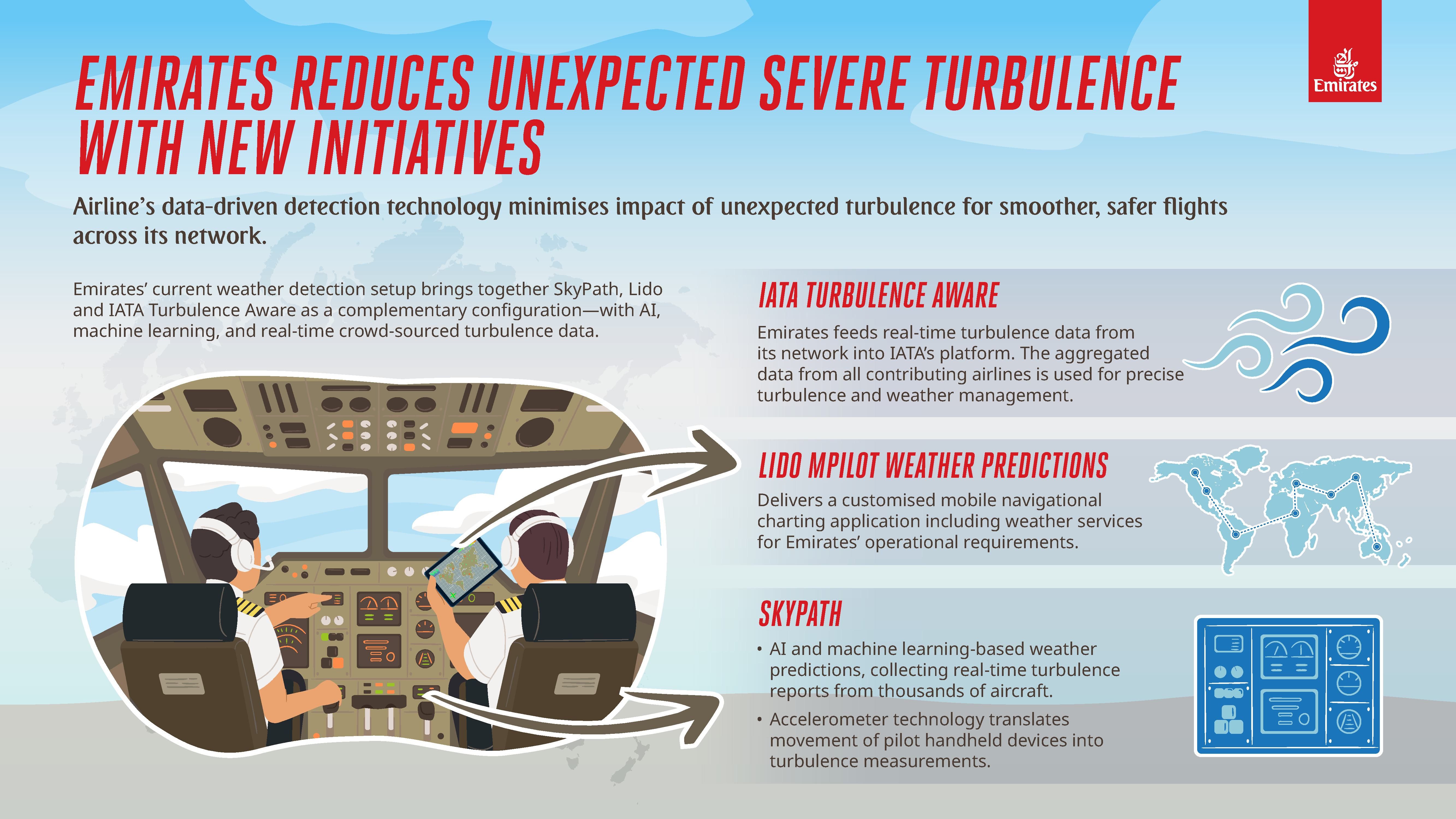
Emirates flies to destinations located all around the world from its main hub at  Dubai International Airport (DXB) in the UAE, and, with such a broad and diverse network, it is inevitable that its aircraft will encounter turbulence now and then. However, with the airline observing “rising frequency and severity” in this phenomenon, it has adopted a multi-layer approach to handle it.
As part of this initiative, Emirates is now “leveraging multiple information sources to deliver real-time, accurate turbulence data,” which will inform its pilots about turbulence en route as well as helping it to establish trends in the phenomenon. This, it says, can reduce unexpected turbulence incidents, as pilots and planners can make more informed route choices. Emirates explains that:
“Turbulence remains an ongoing challenge that cannot be completely eliminated. We’re committed to doing everything possible to minimize unexpected severe turbulence encounters through working with partners who share our vision of using advanced technologies.”
Emirates Is Working With Major Industry Partners In This Initiative
So, what exactly is Emirates doing to minimize unexpected turbulence encounters? One of the key pillars of its multi-faceted strategy on this front is a partnership with  Lufthansa Systems, through which it is able to access Lido mPilot Weather Predictions. While weather forecasting plays a key role in flight planning in any case, this deal allows Emirates to go deeper.
For instance, Lido mPilot, which draws on sources including the likes of the German Weather Service, gives Emirates access to “high-accuracy weather reporting [and] live cloud and convection data” in order for decisions to be made in real time. The service also provides icing and turbulence predictions, which can help its pilots to be more situationally aware with regards to weather.
Another key partner for Emirates when it comes to the Dubai-based UAE flag carrier’s turbulence reduction initiatives is IATA, whose Turbulence Aware Program the airline joined last year. Here, Emirates contributes real-time turbulence data from its wide network, with IATA feeding this into its global platform. This service thus provides a more cohesive worldwide turbulence picture.
Artificial Intelligence Is Also Playing A Key Role In Emirates’ Turbulence Reduction Efforts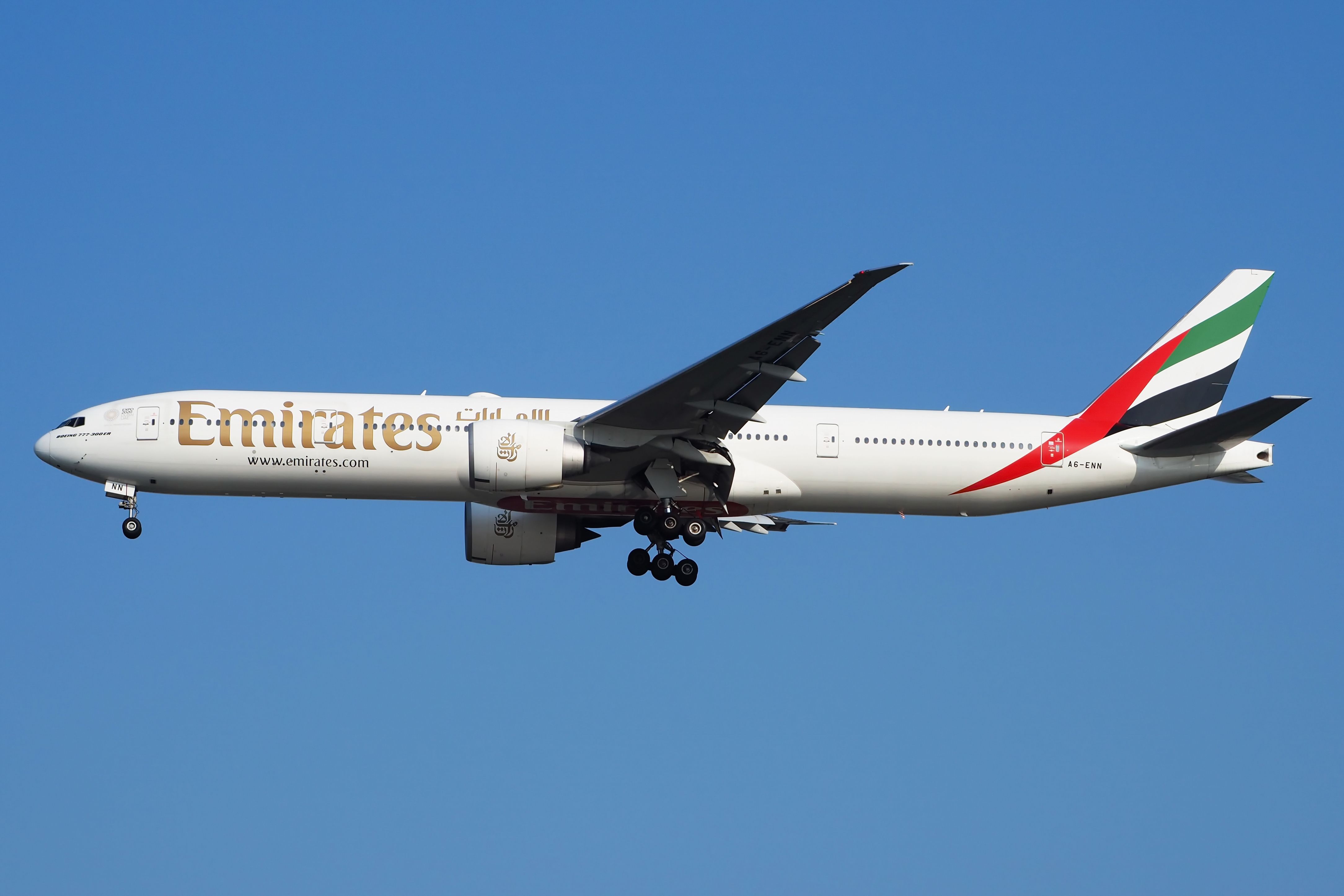
Just as turbulence has become an increasingly hot topic in the world of commercial aviation in recent times, the last few years have also seen artificial intelligence ( AI) come to the fore in this diverse and dynamic sector. Emirates is no different on this front, with AI forming the backbone of another one of its turbulence reduction initiatives, where it has partnered with Skypath.
Between them, the two companies have, as Emirated explains, worked “to develop and improve AI and machine learning-based weather predictions that identify turbulence areas conventional methods miss.” This system draws on real-time reports from thousands of aircraft worldwide.
The beauty of Emirates’ work with SkyPath is the fact that, as a result of the two companies’ collaboration, and the combination of AI and machine learning, they are able “to generate accurate predictions, even for areas with no current flight activity or challenging ‘clear air’ turbulence.” While turbulence remains a concern for Emirates, it is certainly taking good steps to address it.
source
