

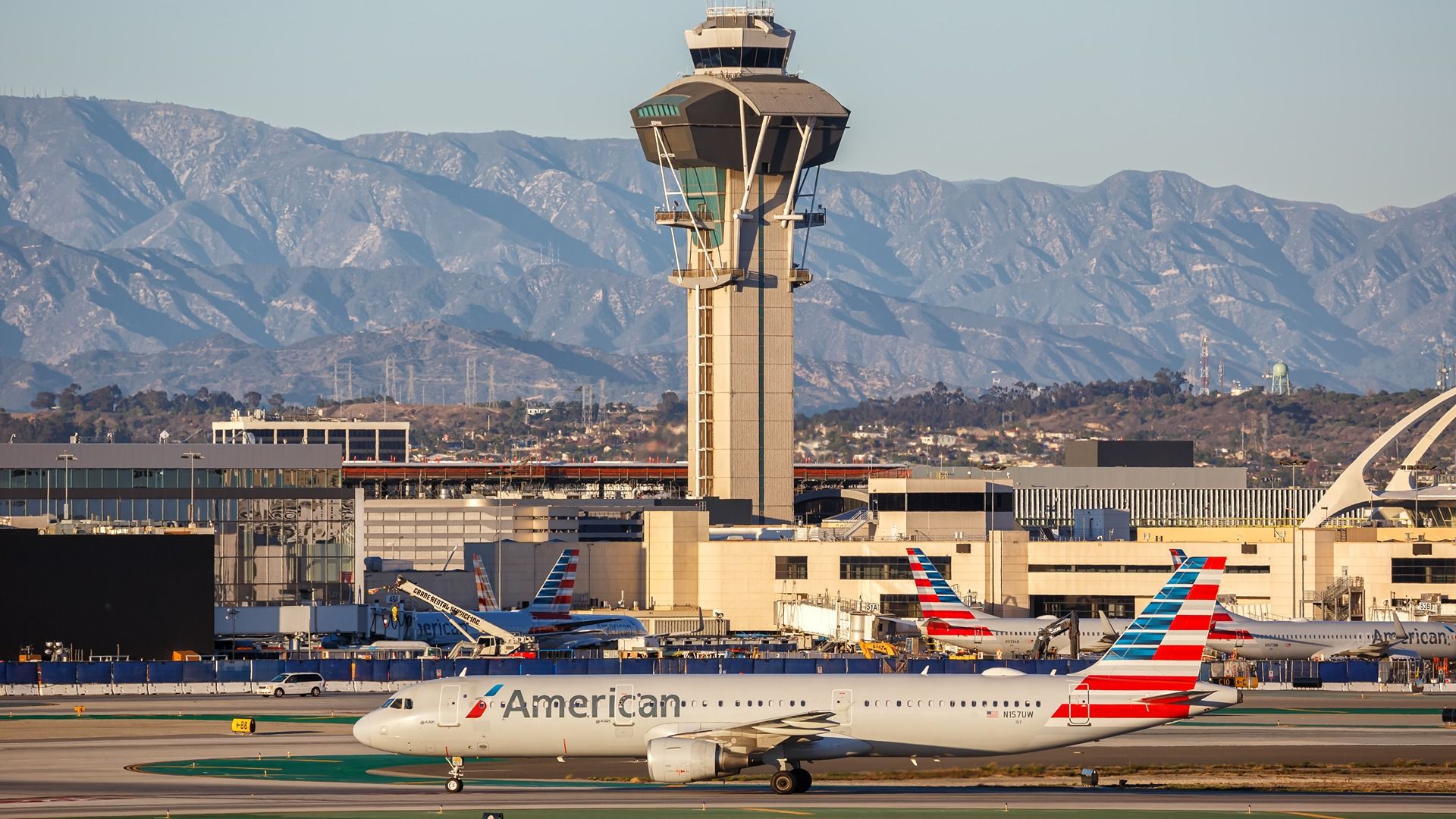
US airspace has faced a persistent shortage of air traffic controllers for years. However, the ongoing government shutdown has made the problem even more severe, with fewer controllers available to manage already congested skies. The shutdown has intensified the shortage by accelerating retirements, halting new training programs, and forcing many air traffic controllers to work without pay.
In response, the US Federal Aviation Administration reduced airspace capacity by up to 10% at 40 of the country’s busiest airports from November 7, 2025. Amid ongoing staffing shortages and limited flight operations, the FAA could reportedly be considering deploying military personnel to help maintain flight operations, especially with the busy holiday travel season approaching.
Temporary Relief In Sight?

On November 9, 2025, Reuters reporter David Shepardson posted on X that US Transportation Secretary Sean Duffy said Secretary of War Pete Hegseth had texted him, offering military air traffic controllers to assist the FAA. However, it remains unclear in what capacity the FAA could actually deploy military air traffic controllers.
Military controllers are trained and certified under Department of War standards, not the FAA’s civilian standards. Their training is focused on military airfields and operations, which differ in procedures, terminology, and equipment from those used in civilian air traffic control. In response to Hegseth’s offer, Duffy reportedly told Jake Tapper:
“I don’t know that I can take (them) because they’re not certified in the air spaces that we need them, but if I can, I’m going to use them.”
US Airlines Cancel Thousands Of Flights

By November 9, 2025, US airlines had canceled more than 5,500 flights over the weekend as the FAA’s directive to limit air traffic amid the government shutdown continued unabated. Tracking data from FlightAware showed that cancellations began on Friday, with 1,025 flights affected. On Saturday, the number rose to 1,556, while Sunday saw the most disruption, with a total of 2,952 flights canceled.
The most affected airline, according to FlightAware, was  Delta Air Lines, with a total of 888 flights canceled over the weekend. Meanwhile, the hardest-hit airport was
  Hartsfield-Jackson Atlanta International Airport (ATL), with 476 flights canceled. Chicago O’Hare International Airport (ORD) ranked second, with 318 flights canceled over the same period.
Flight cancellations continue. On November 10, 2025, a total of 1,516 flights were canceled, according to flight-tracking data. The hardest-hit airline was SkyWest Airlines, with 284 flights canceled, closely followed by Southwest Airlines, which canceled 270 flights.
Disruption Could Worsen Before The Peak Holiday Season

Secretary Duffy has warned that flight disruptions could intensify ahead of Thanksgiving if the government shutdown persists, according to a report by the Associated Press. The FAA has also reportedly stated that even if the shutdown ends soon, flight restrictions will remain in place until airport tower and regional air traffic center staffing levels are sufficient to ensure safe operations.
Airlines have taken steps to add additional flexibility to itineraries over this period, allowing affected passengers to move or cancel their flights. Full refunds are offered by selected carriers if their itinerary was booked during the flight reductions. Additional flexibility allows passengers to change their flights to another date and time. Most changes and or refund applications can be managed by the traveler through their respective manage booking portal on airline websites or via the carrier’s app if it has this functionality.
Safety has remained the number one priority through the decision to cut flight capacity across the country, and has been done so as a proactive measure to ensure the integrity of the national airspace system. The Department of Transportation has analyzed the data across the United States, and the decision was made to reduce flights to alleviate the pressure currently on air traffic controllers, many of whom are working without pay and expected to show up to work and work additional overtime.
source
