

Close Menu
FlyMarshallFlyMarshall
  • Aviation
    • AeroTime
    • Airways Magazine
    • Simple Flying
  • Corporate
    • AINonline
    • Corporate Jet Investor
  • Cargo
    • Air Cargo News
    • Cargo Facts
  • Military
    • The Aviationist
  • Defense
  • OEMs
    • Airbus RSS Directory
  • Regulators
    • EASA
    • USAF RSS Directory
What's Hot

Riyadh Air’s New Boeing 787s Finally Join Fleet: The Birth Of A New Airline

June 4, 2026

New Singapore Airlines Policy: Cheap Business Class Passengers To The Back!

June 4, 2026

Is The Amex Blue Business Credit Card Worth It? My Take On Both Versions

June 4, 2026
Facebook X (Twitter) Instagram
Demo
  • Aviation
    • AeroTime
    • Airways Magazine
    • Simple Flying
  • Corporate
    • AINonline
    • Corporate Jet Investor
  • Cargo
    • Air Cargo News
    • Cargo Facts
  • Military
    • The Aviationist
  • Defense
  • OEMs
    • Airbus RSS Directory
  • Regulators
    • EASA
    • USAF RSS Directory
Facebook X (Twitter) Instagram
Demo
Home » Australian and Japanese aircraft share battlefield data in Pacific ISR exercise
AeroTime

Australian and Japanese aircraft share battlefield data in Pacific ISR exercise

FlyMarshall NewsroomBy FlyMarshall NewsroomJune 4, 2026No Comments3 Mins Read
Share
Facebook Twitter LinkedIn Pinterest Email

Australian and Japanese military aircraft linked up over the Pacific Ocean in May 2026 during a joint exercise that tested each air force’s ability to share intelligence data through a tactical battlefield network while airborne.

The exercise, reported on June 4, 2026, involved a Royal Australian Air Force (RAAF) P-8A Poseidon and a Japan Air Self-Defense Force (JASDF) Kawasaki RC-2, both flying from air bases in Japan. 
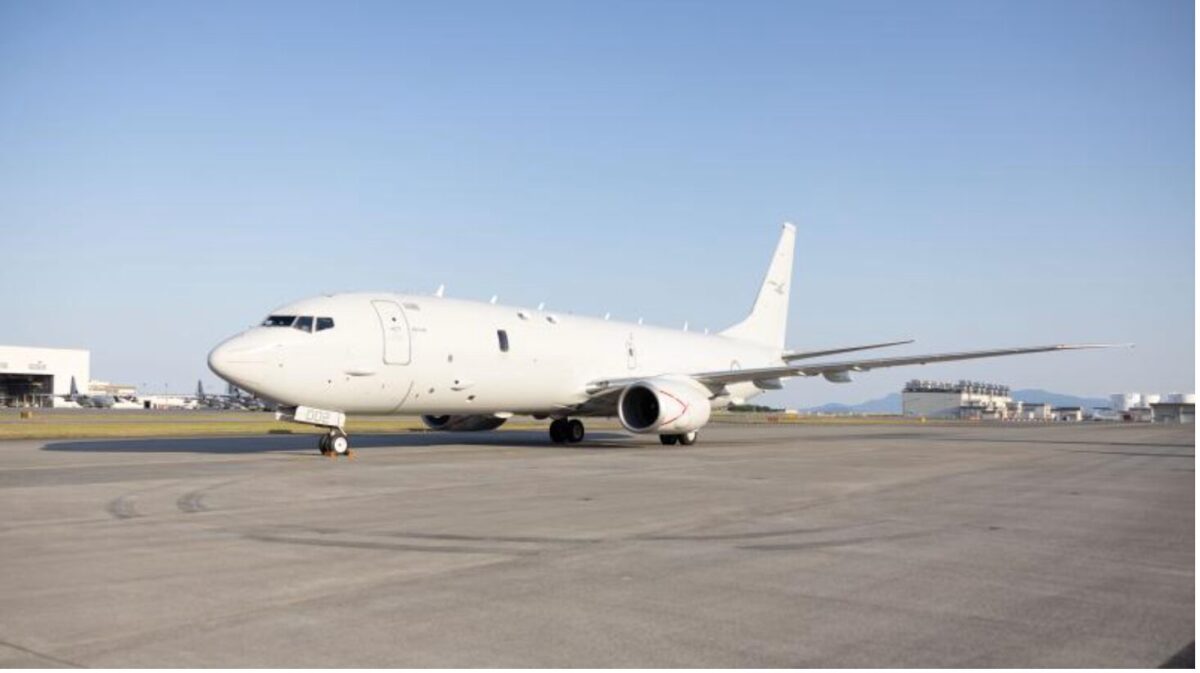
White commercial airplane on a taxiway at an airport with hangars in the distance and a clear blue sky

Each aircraft plays a key role in its respective country’s intelligence, surveillance, and reconnaissance (ISR) missions, carrying specially trained crews and powerful sensors that collect information and build a detailed picture of the surrounding battlespace.
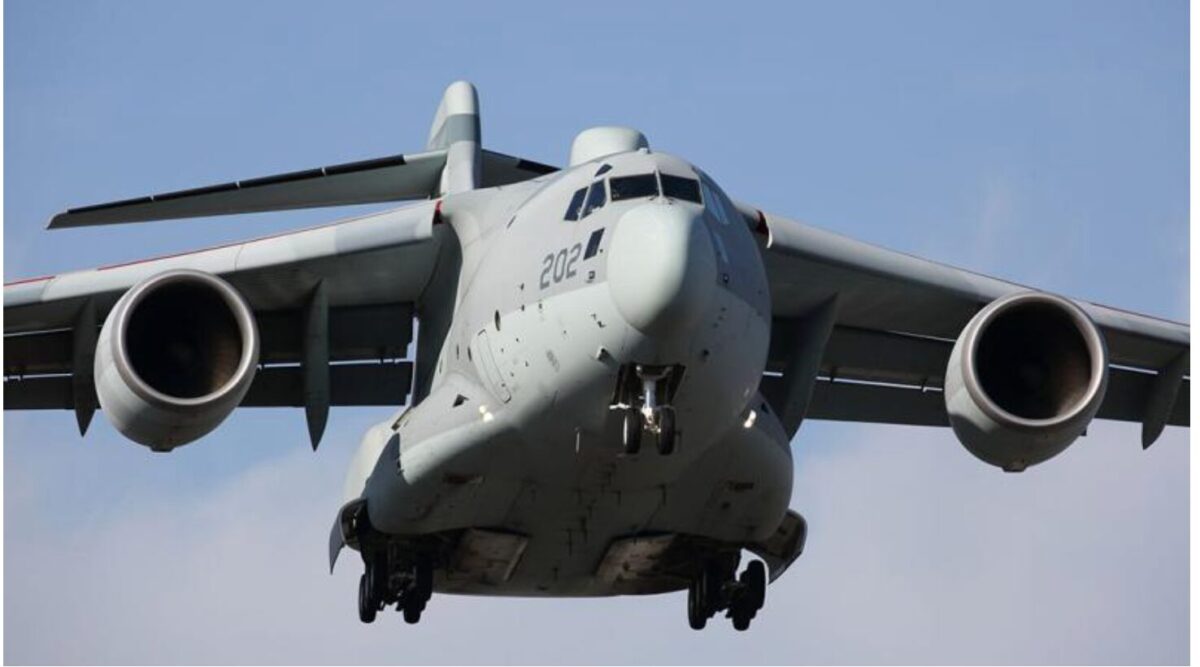
Front down view of a large gray military cargo aircraft with landing gear extended two turbofan engines and wide wings against a blue sky

The tactical network used during the exercise allows that picture to be shared with other aircraft, ships, and units operating in the same area, giving crews and commanders better information to make decisions during a mission.

Building on trilateral commitments

The exercise reflects a broader push among Australia, Japan, and the United States to improve how their ISR crews work together. In May 2025, defense ministers from all three countries committed to increasing trilateral ISR cooperation.

Wing Commander Andrew Fisher, Australia’s Air Force Attache in Japan, said the airborne exercise built on previous ground-based exchanges between the three countries, including one held at Kadena Air Base in Okinawa in October 2025. Australia and Japan typically conduct one or two of these ground-based exchanges each year to build working relationships and test connectivity.

“We want ISR crews from Australia, Japan and the United States to be linked and exchanging data together,” Wing Commander Fisher said.

Why solving network problems on the ground matters at 30,000 feet 

Fisher said most of the preparation for an exercise like this happens on the ground well before anyone gets airborne. Getting both aircraft onto the right network and confirming they can successfully connect takes careful coordination, and troubleshooting problems at 30,000 feet — especially in a bilateral or multilateral setting — is far more difficult than doing it on the ground.

“If the preparation isn’t done beforehand through exchanges like this, then solving any problems in the air can be difficult, particularly in a bilateral or multilateral context,” he said.

Fisher added that proving the connection works once is an important foundation. What the RAAF learns by linking its P-8A to Japanese and American aircraft can eventually be applied to other Australian platforms, expanding the network’s reach across future exercises and operations.


White military jet on a tarmac with a fire truck spraying a water arc over its fuselage in a takeoffarrival scene


source

FlyMarshall Newsroom
  • Website

Related Posts

Lufthansa crew members among several injured during 787 nose gear collapse

June 4, 2026

Poland tightens eastern border airspace after Russian drone breaches 

June 4, 2026

Farnborough Airshow 2026: first peek at the aircraft set to bring the wow factor

June 4, 2026

Swiss lawmakers question F-5, F/A-18 retirements amid F-35 delays

June 4, 2026
Add A Comment
Leave A Reply Cancel Reply

Latest Posts

Riyadh Air’s New Boeing 787s Finally Join Fleet: The Birth Of A New Airline

June 4, 2026

New Singapore Airlines Policy: Cheap Business Class Passengers To The Back!

June 4, 2026

Is The Amex Blue Business Credit Card Worth It? My Take On Both Versions

June 4, 2026

Aviation journalist Geoff Thomas dies

June 4, 2026

Subscribe to Updates

Please enable JavaScript in your browser to complete this form.
Loading
About Us

Welcome to FlyMarshall — where information meets altitude. We believe aviation isn’t just about aircraft and routes; it’s about stories in flight, innovations that propel us forward, and the people who make the skies safer, smarter, and more connected.


Useful Links
  • Business / Corporate Aviation
  • Cargo
  • Commercial Aviation
  • Defense News (Air)
  • Military / Defense Aviation
Quick Links
  • About Us
  • Contact Us
  • Disclaimer
  • Privacy Policy
  • Terms and Conditions

Subscribe to Updates

Please enable JavaScript in your browser to complete this form.
Loading
Copyright © 2026 Flymarshall.All Right Reserved
  • About Us
  • Contact Us
  • Disclaimer
  • Privacy Policy
  • Terms and Conditions

Type above and press Enter to search. Press Esc to cancel.

Go to mobile version