


Subscription Required
By Scott Hamilton
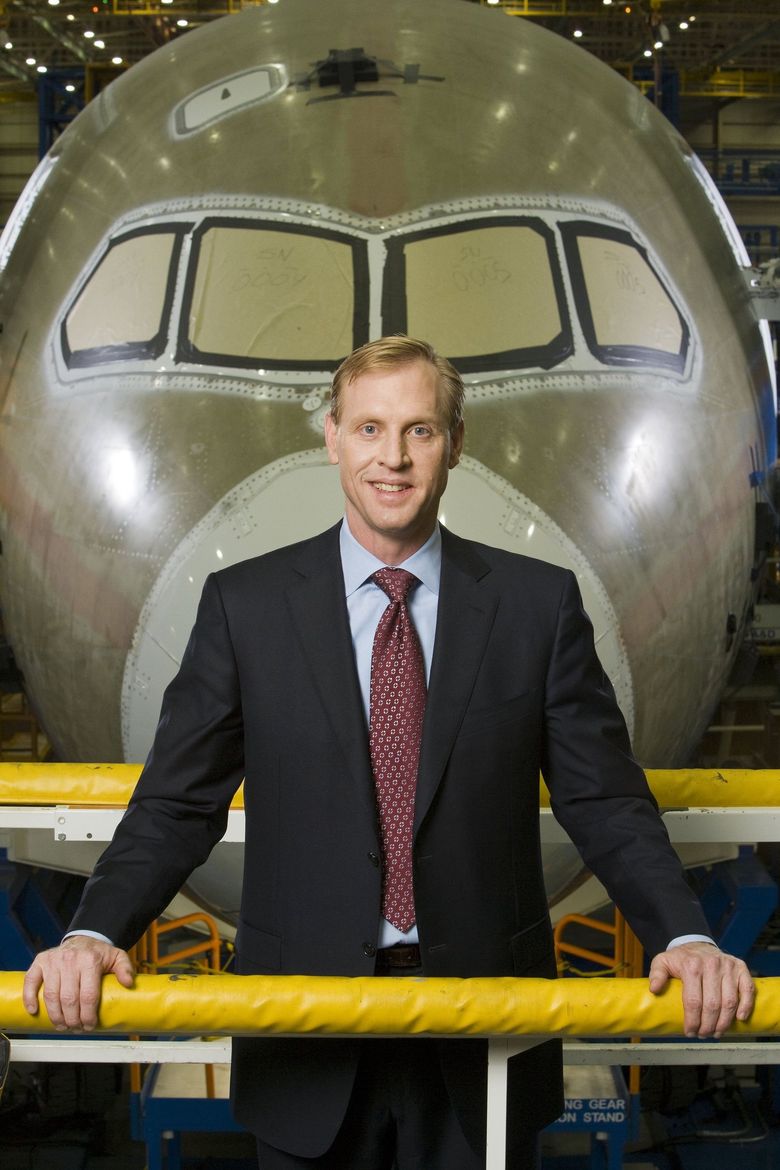
Pat Shanahan during his Boeing career. Credit: Seattle Times.
April 27, 2026, © Leeham News: Antiquated air traffic control systems and staffing shortages of the Federal Aviation Administration (FAA) have been well-known for decades.
Budget and staffing cuts at the FAA by the Trump Administration through its DOGE policy exacerbated these issues. Also affected, but less well known, are staff cuts in the technical and maintenance areas, which also hurt FAA operations.
Even less well known is that certification by the FAA has been dramatically slowed. There are a number of reasons, and certification affects a variety of aircraft programs and companies. Boeing gets the most headlines for the continued delays in certifying the 737-7, 737-10, and 777-9. But this doesn’t stop with Boeing.
Freighter conversion programs by IAI Bedek, a company with a long-established history of converting Boeing products, ran about two years late in certifying its first 777-300ER passenger-to-freighter conversion. Mammoth Freighters, a start-up company created in competition with IAI for -300ER P2F conversions, received its STC in April, behind its 2025 target. Issues contributing to certification delays include licensing intellectual property, engineering delays within the company, and related challenges.
But an underlying issue affecting everyone, aside from staffing shortages and expertise, is that the FAA is stuck in the spreadsheet-and-hard-copy era. As companies advance to the use of Artificial Intelligence (AI), they are moving faster than the FAA.
As eVTOL and unmanned aircraft firms seek certification, the FAA must develop new regulations. When Boeing, Airbus, GE, and Pratt & Whitney design new airplanes and engines, they’re counting on AI to speed development and certification. But the FAA currently relies on spreadsheets to track details and progress. Furthermore, conflicting regulations create unexpected problems. Ed Bastian, the CEO of Delta Air Lines, called on the FAA to use AI to help solve ATC problems.
Related articles
Boeing’s VP of Product Development, Brian Yutko, believes the industry is on the precipice of an AI revolution. Pat Shanahan believes AI will be ready in 18 to 24 months to play a major role in developing the next commercial airliner. Shanahan was a 30-year Boeing veteran across commercial and defense programs, a former deputy secretary of the US Department of Defense, and, most recently, the CEO of Spirit AeroSystems, a major supplier to Airbus, Boeing, and several defense companies.
source
