

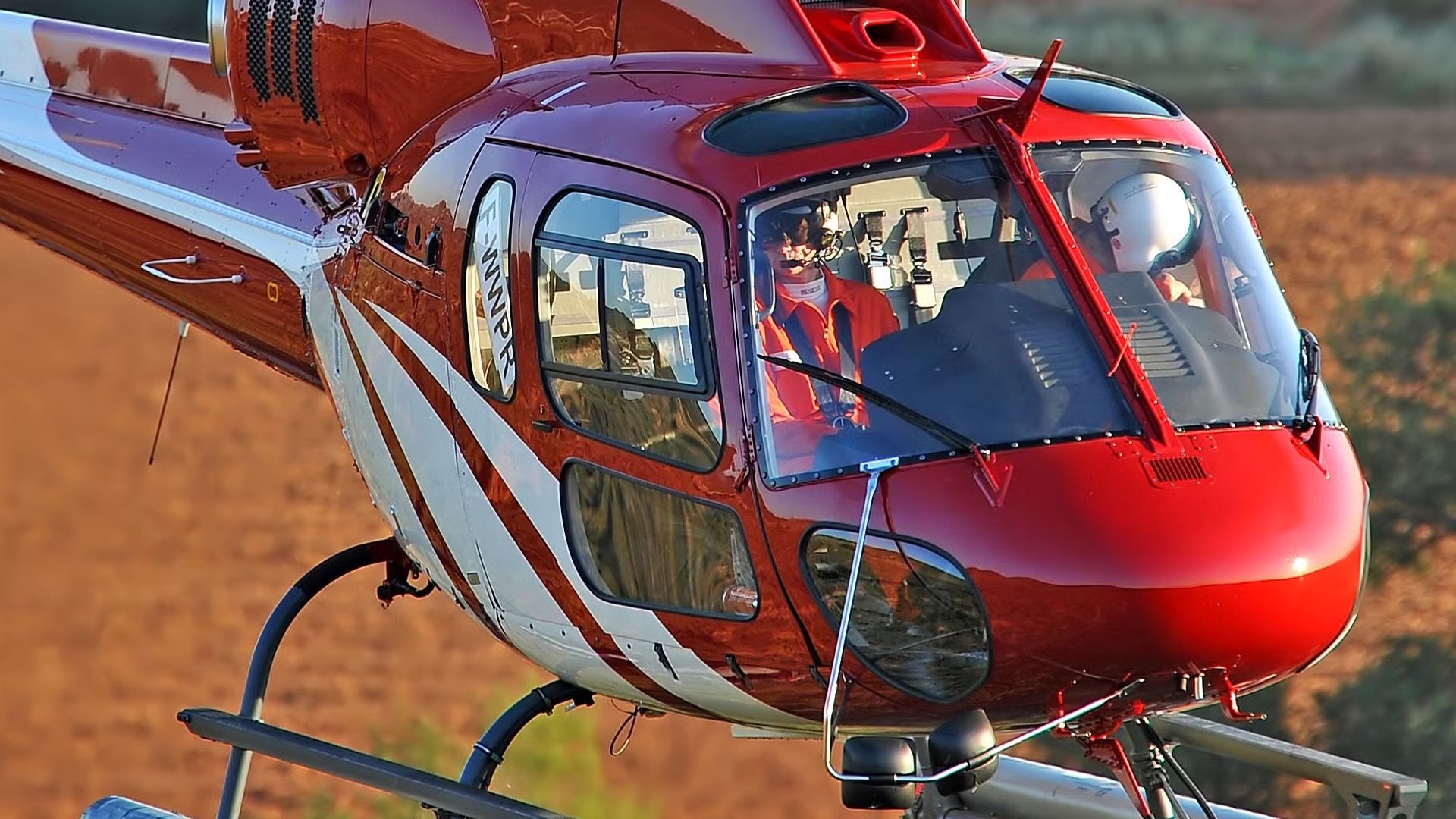
Airbus Helicopters opened a distribution center in Western Australia in order to speed up parts delivery across Australia, especially for larger models like the H175. The 500 square meter facility, which can be expanded to upwards of 1,500 square meters, strengthens a locally embedded support and logistics network that serves as a key backbone for civil and government operators of Airbus-built helicopters.
- Stock Code
-
AIR
- Business Type
-
Planemaker
- Date Founded
-
December 18, 1970
- CEO
-
Guillaume Faury
- Headquarters Location
-
Toulouse, France
The helicopter distribution center is located near Perth Airport (PER), placing it near customs and delivery services in order to enable faster clearance and component dispatch, improving fleet readiness and safety across the board. The aircraft center supports offshore energy customers across the region, who are a key source of orders for Airbus helicopters. Airbus’s leadership team was quick to highlight the manufacturer’s over 40-year history of supporting Australian operators.
A Deeper Look At The Facility Itself

Airbus’s Distribution Platform in Western Australia is a purpose-built parts distribution hub located near Perth Airport, specifically to make the delivery of spare parts to customers as efficient as possible. The initial footprint of the facility is designed to accommodate modular expansion capacity of up to 1,500 square meters, allowing for inventory storage areas to scale as demand for Airbus helicopters continues to grow.
The facility will primarily serve as a logistics backbone for the Airbus helicopter network; it is not a maintenance shop, but rather a hub. The continued success of the key H175 model was one of the primary drivers behind the decision to invest in the development of this new distribution center. The building’s proximity to the airport streamlines inbound freight and distribution demand, supporting offshore energy customers in the region. In a statement, Romain Trapp, Airbus’s Vice President for Customer Support and Services, had the following words to share regarding the matter:
“This expansion reflects our enduring commitment to Australia, where we have proudly supported operators for over 40 years.”
What Does This Facility Offer Airbus?

The facility in question is set to significantly improve Airbus’s aftermarket presence in the high-value helicopter market. Near Perth Airport, the facility helps eliminate last-mile frictions, reducing the amount of time operators can expect to await for spare parts. The facility’s modular nature also allows Airbus to conveniently tune stock levels to demand, reducing built-up inventory.
The manufacturer continued to improve service levels and optimize working capital through this regional pooling process. Faster fulfillment efforts continue to support H175 growth and broad Airbus family coverage, helping win and renew contracts with excellent maintenance service capabilities.
From a commercial perspective, this site will boost recurring support revenue and fundamentally deepen relationships with civil and governmental customers. Strategically, the facility signals the manufacturer’s continued long-term commitment to Australia’s market, one which includes a dynamic range of civilian and government operators. Across the board, this move improves Airbus’ operational speed, helping grow customer loyalty and overall aftermarket share.
What Is The Bigger Picture For Airbus?

At the end of the day, Airbus is pursuing growth initiatives on a variety of fronts, not just its commercial aircraft division which the company is likely most synonymous with. Increased global defense spending has driven growth in a number of non-traditional segments. Specifically, the conglomerate has seen demand surges for its defense and helicopter products.
There are relatively few situations in which Airbus will choose to invest exclusively in just one of its product segments. Instead, the manufacturer looks primarily to profit from investments in a broad variety of products, and this recent investment in an Australian parts distribution center is an excellent example of this.
Commercial aviation has faced some major hiccups in recent years, and the demand for air travel is extremely cyclical. As a result, airlines will shift their need for new aircraft with a cyclical cadence. The same, however, cannot be said for operators in the defense and civil helicopter industries.
source
