
Close Menu
FlyMarshallFlyMarshall
  • Aviation
    • AeroTime
    • Airways Magazine
    • Simple Flying
  • Corporate
    • AINonline
    • Corporate Jet Investor
  • Cargo
    • Air Cargo News
    • Cargo Facts
  • Military
    • The Aviationist
  • Defense
  • OEMs
    • Airbus RSS Directory
  • Regulators
    • EASA
    • USAF RSS Directory
What's Hot

American “Rejects” Merger With United, But Drops Interesting Hint Of Its Own

April 18, 2026

YFQ-44 CCA Begins Testing with U.S. Air Force Experimental Operations Unit

April 18, 2026

Spirit Airlines Asks Trump For Huge Emergency Bailout To Avoid Liquidation

April 17, 2026
Facebook X (Twitter) Instagram
Demo
  • Aviation
    • AeroTime
    • Airways Magazine
    • Simple Flying
  • Corporate
    • AINonline
    • Corporate Jet Investor
  • Cargo
    • Air Cargo News
    • Cargo Facts
  • Military
    • The Aviationist
  • Defense
  • OEMs
    • Airbus RSS Directory
  • Regulators
    • EASA
    • USAF RSS Directory
Facebook X (Twitter) Instagram
Demo
Home » Yaw Dampers: Keeping Airplanes Steady During Flight
Airbus RSS Directory

Yaw Dampers: Keeping Airplanes Steady During Flight

FlyMarshall NewsroomBy FlyMarshall NewsroomApril 17, 2026No Comments3 Mins Read
Share
Facebook Twitter LinkedIn Pinterest Email

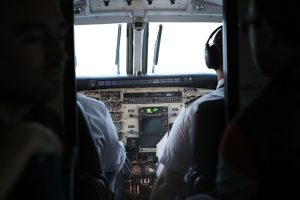
Airplane cockpit

Ever wonder how airplanes are able to stay so steady during flight? The answer is yaw dampers. As their name suggests, yaw dampers reduce or “dampen” an airplane’s yaw. The end result is a smoother, steadier flight. To learn more about yaw dampers and how they stabilize airplanes during flight, keep reading.

What Are Yaw Dampers?

Yaw dampers are aviation systems that control an airplane’s motion around its vertical axis. When an airplane moves around its vertical axis, its nose will swing to the side. It may swing to the left side, or it may swing to the right size. Regardless, this movement, known as “yawing,” can create an uncomfortable or even unsafe flight experience.

Yaw dampers make small adjustments to reduce yawing. These adjustments typically occur automatically, without any manual input from the pilot. The end result is a smoother and steadier flight.

Airplanes benefit from yaw dampers in the following ways:

  • Improved passenger and pilot comfort
  • Safer flight experience
  • Reduces pilot workload
  • Protects the airframe from unnecessary stress
  • Boosts fuel efficiency

Understanding Yawing

Airplanes move along three primary axes: pitch, roll and yaw. Pitch involves the raising or lowering of an airplane’s nose. Roll involves tilting the wings up or down. Yaw involves moving the nose to the side. Modern airplanes are equipped with systems to handle and control all three axes of movement. Yaw dampers, of course, focus on yaw.

Yaw and roll can interact with each other to create a Dutch roll. When this occurs, the airplane will yaw in a particular direction, followed by rolling and then yawing in the opposite direction. During the early days of aviation, engineers used swept wings to counter Dutch rolls. Today, though, most airplanes now use yaw dampers.

How Yaw Dampers Work

Yaw dampers work using sensors and flight control surfaces. Airplanes are equipped with sensors that detect the degree to which an airplane yaws. As they collect this data, the sensors send it to a control computer in the cockpit for processing. If the control computer determines that the airplane is experiencing unwanted yaw, it will send a signal to the appropriate flight control surface for adjustment.

The rudder is the primary flight control surface for yaw. Located near the top of the vertical stabilizer on the tail, it consists of a hinged panel. When unwanted yaw is detected, the control computer will tell the rudder to move in the appropriate direction, thereby countering the yaw and stabilizing the airplane.

source

FlyMarshall Newsroom
  • Website

Related Posts

The Beginner’s Guide to Keyed Washers

April 15, 2026

Inspection Ports: Streamlining Aircraft Inspections

April 13, 2026

What Is a One-Pole Toggle Switch?

April 10, 2026

What Factors Affect Takeoff Distance?

April 8, 2026
Add A Comment
Leave A Reply Cancel Reply

Latest Posts

American “Rejects” Merger With United, But Drops Interesting Hint Of Its Own

April 18, 2026

YFQ-44 CCA Begins Testing with U.S. Air Force Experimental Operations Unit

April 18, 2026

Spirit Airlines Asks Trump For Huge Emergency Bailout To Avoid Liquidation

April 17, 2026

Skunk Works Is Looking for a U-2 Pilot

April 17, 2026

Subscribe to Updates

Please enable JavaScript in your browser to complete this form.
Loading
About Us

Welcome to FlyMarshall — where information meets altitude. We believe aviation isn’t just about aircraft and routes; it’s about stories in flight, innovations that propel us forward, and the people who make the skies safer, smarter, and more connected.


Useful Links
  • Business / Corporate Aviation
  • Cargo
  • Commercial Aviation
  • Defense News (Air)
  • Military / Defense Aviation
Quick Links
  • About Us
  • Contact Us
  • Disclaimer
  • Privacy Policy
  • Terms and Conditions

Subscribe to Updates

Please enable JavaScript in your browser to complete this form.
Loading
Copyright © 2026 Flymarshall.All Right Reserved
  • About Us
  • Contact Us
  • Disclaimer
  • Privacy Policy
  • Terms and Conditions

Type above and press Enter to search. Press Esc to cancel.

Go to mobile version