


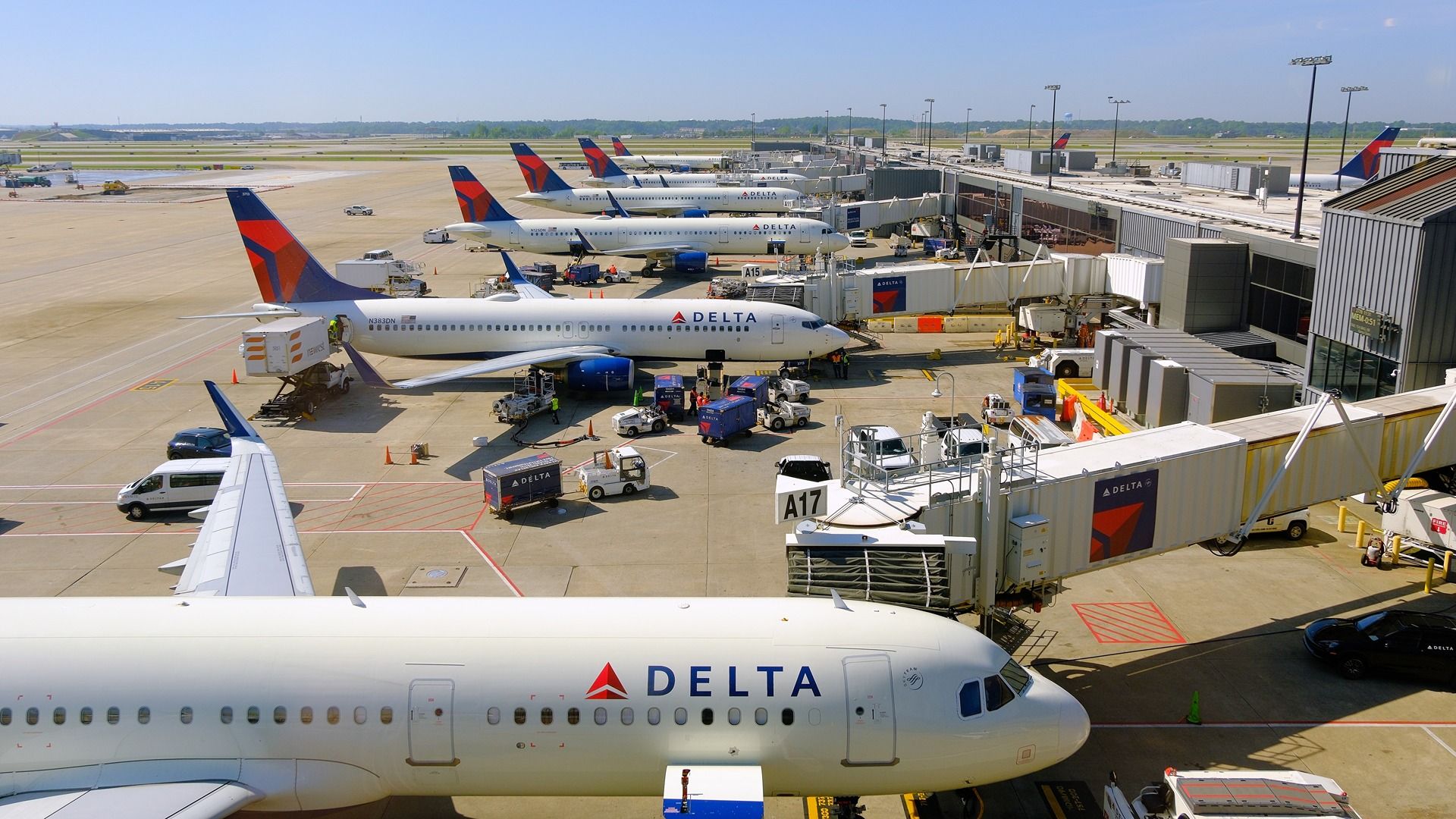
Most analysts will argue that airline schedules will not snap back immediately when the government shutdown ends. The FAA has already throttled traffic at a handful of busy airports due to extremely thin controller staffing. While the restoration of funding will restart pay, it will not resolve the pipeline, training, or recertification challenges that have continued to build over the years.
Passengers can expect a staggered recovery over days of day-to-day delays, alongside lingering constraints in chokepoints like New York, where the Federal Aviation Administration has extended slot and schedule relief well into 2026 due to chronic air traffic controller shortages. Airlines will be gradually rebuilding their networks while keeping buffers in place until control towers across the country are consistently fully staffed and training cohorts of controllers are successfully worked through the system.
What Are The Key Developments In This Story?

During the government shutdown, the Federal Aviation Administration slowed overall passenger flows and capped total operations across around 40 high-volume markets in order to preserve passenger safety with limited controller availability, according to reports from AP News. This accounts for roughly a tenth of operations at these major US airports, a figure in line with what likely would have been put into place amid non-shutdown-related control shortages.
The FAA’s own documents have demonstrated that New York’s principal air traffic control (ATC) facility, which is also known as New York TRACON, is not set to hit even 70% of targeted staffing levels until after 2026. This allowed the organization to extend slots and schedule relief throughout summer 2026, offering clear evidence that these non-normal timetables in the Northeast will take time. At the national level, the FAA can begin to restart training and overtime pay, all while facing a multi-year climb to rebuild a fully certified workforce, meaning that schedules are likely to be trimmed or padded at the busiest nodes for quite a while.
What Are The Impacts Of The Government Shutdown?

In the near term, passengers will see a phased, uneven recovery. Airlines will restore flights fastest where bottlenecks are minimal and crew are effectively positioned across hubs. Airlines will move cautiously at complex hubs where controller staffing remains tight. Delays will ease within days as pay begins to normalize and overtime checks are actually distributed on time. Control tower support staff will also return to work. However, the disruptions created by missed connections and crew misplacement, as well as aircraft out-of-position scenarios, will require multiple additional cycles to finally unwind.
The most persistent frictions will likely take place in constrained airspace, especially in the large New York City region, where pre-existing staffing shortages mean that schedules will be reduced. Overall, vulnerability to severe weather (and also technological meltdowns) will continue to be a key risk that airlines need to manage.
Even after normal operations resume on paper, carriers will keep larger schedule buggers, and they may continue to protect reliability through the gradual spreading out of large flight banks. From a practical perspective, this means that there will be fewer flights during rush hours.
What Are The Financial Implications Of This Shutdown For Airlines?

Lastly, but equally importantly, it is important to analyze how the shutdown will impact airline finances, as these disruptions hit both sides of airline performance. All conventional wisdom would suggest that these kinds of situations are bad for airline profits, as operational disruptions lead airlines to miss out on revenue from cancellations and trimmed schedules.
Irregular operations costs are undoubtedly bad for airline cash flows, especially with Biden-era legislation, which offers automatic refunds for cancellations. In the medium term, the FAA has continued to limit airline growth by implementing capacity caps at key airports.
However, there have been some signs that these operational disruptions and this shutdown’s slow thinning of overall airline capacity may not actually be the worst thing for airline bottom lines. Carriers operating more cautiously result in fewer losses, and having fewer seats available means that fares go through the roof as seats become more valuable to individual consumers.
