


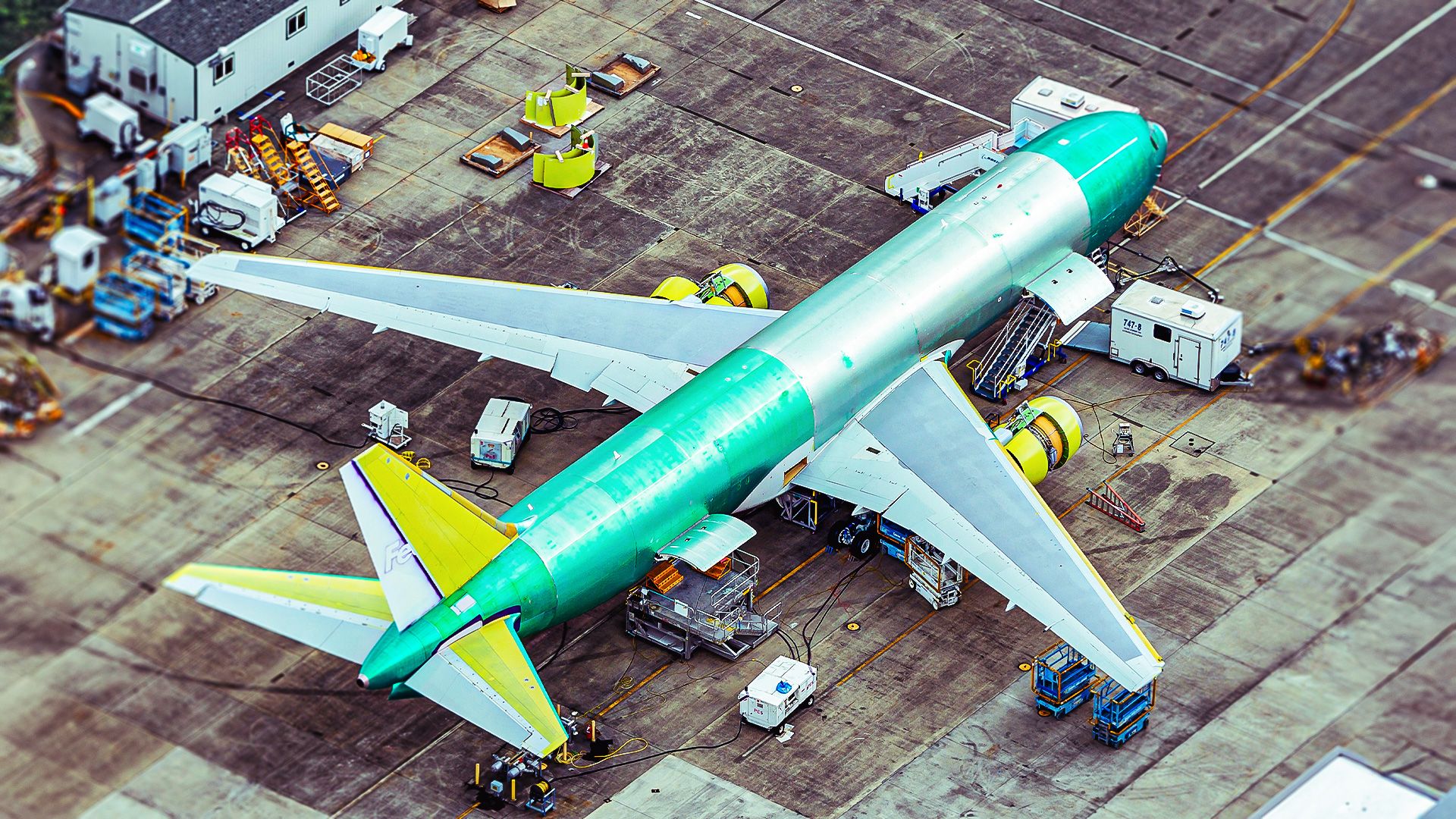
The Boeing 767 freighter has quietly become one of the most dependable and successful cargo aircraft in the world. Despite being introduced more than four decades ago, it continues to play a vital role in connecting global trade routes. Airlines and cargo operators have found the aircraft’s balance of efficiency, reliability, and versatility unmatched in its category. This guide explores how the 767 freighter has achieved long-term success and why it remains central to modern air freight operations. Readers can expect a detailed look at its design strengths, operational economics, and enduring appeal across multiple sectors of the aviation industry.
In a market defined by rising e-commerce demand and tightening environmental regulations, freighters that combine reliability and economy have become invaluable. The Boeing 767 freighter represents a bridge between older, fuel-thirsty widebodies and next-generation twinjets. While Boeing has announced plans to cease Boeing 767 production in 2027, the aircraft’s influence continues to shape global cargo operations, according to Herlaldnet. Understanding why this aircraft succeeded helps us appreciate its place in aviation history and its ongoing importance to carriers worldwide. From efficiency to adaptability, the 767 freighters’ continued relevance offers valuable insights into the balance of legacy and innovation.
Proven Payload And Range For Cargo Needs

The Boeing 767 freighter delivers one of the most balanced payload-to-range combinations in its class. It can carry up to 56 tonnes of freight across approximately 3,300 nautical miles, which allows it to serve both regional and long-haul missions. This balance has made it the preferred choice for operators who need a medium widebody that doesn’t demand heavy infrastructure. Airlines appreciate that the aircraft can handle dense cargo like express shipments as well as lighter, bulkier freight efficiently. Its flexible load capabilities allow carriers to tailor operations for diverse markets without over-committing to larger, less efficient aircraft.
One of the 767’s greatest strengths is that it fits perfectly between narrowbody and heavy widebody freighters. Its capacity fills a niche that larger aircraft like the Boeing 777F and 747F cannot economically serve on shorter routes. The aircraft’s twin-engine configuration keeps operational costs low while maintaining impressive range performance. This enables carriers to deploy it across multi-sector routes with fewer stops, saving time and maintenance cycles. The model’s efficiency has given it a long competitive lifespan and helped it remain economically relevant despite its age.
The 767’s main deck can accommodate 24 standard pallets, and the aircraft’s design optimizes loading efficiency. This has become a decisive factor for operators balancing quick turnaround times with fuel economy. Because the freighter’s design shares lineage with successful passenger variants, maintenance and logistics are streamlined across fleets. Boeing’s extensive parts support has also ensured that operators can easily maintain consistent service levels. As Boeing highlights in its 25th anniversary feature, this proven design continues to deliver operational value across continents.
Operational Familiarity And Maintenance Advantages

Another key to the 767 freighter’s success lies in its operational familiarity and low transition costs. Many cargo airlines already operate passenger variants, giving them access to trained crews, established simulators, and maintenance expertise. This allowed an easier transition to freighter versions, reducing both training and setup time. For leasing companies and operators, this commonality translated into cost savings and higher fleet utilization. The 767’s shared systems with other Boeing models also mean parts sourcing is easier, further strengthening its reliability reputation.
Maintenance networks have long favored the 767 due to its predictable and well-documented maintenance schedule. Operators can plan heavy checks efficiently without excessive downtime, which is critical in time-sensitive cargo markets. The aircraft’s durability allows for extensive utilization without major overhauls compared to older tri-jet designs. This reliability has established it as a long-term asset, particularly for integrated carriers and charter operators. The steady flow of Boeing Converted Freighters (BCF) has also kept supply strong for airlines that prefer second-life conversions.
Boeing 767 Freighter
|
Specification |
Boeing 767-300 |
Boeing 767-300 (Converted) |
|
Maximum Payload |
56 tonnes |
54 tonnes |
|
Range |
3,300 nautical miles |
3,150 nautical miles |
|
Main Deck Pallets |
24 |
24 |
|
Typical Crew |
2 pilots |
2 pilots |
|
Engines |
General Electric CF6 or Pratt and Whitney PW4000 |
General Electric CF6 or Pratt and Whitney PW4000 |
|
First Freighter Delivery |
1995 |
2017 (Boeing Converted Freighter) |
Aviation professionals frequently cite the aircraft’s maintainability as one of its strongest selling points. On Reddit, users note its solid range, ease of repair, and dependable performance. These qualities help explain why airlines continue to buy and operate the type even with newer aircraft available. The 767’s reputation for robustness gives smaller and mid-size carriers confidence to expand routes without heavy capital investment. Its mix of modern efficiency and legacy dependability makes it a rare success in a challenging segment.
Driving Growth In E-Commerce And Express Freight

The rise of online shopping has revolutionized air cargo, creating demand for medium widebody aircraft that can deliver speed and efficiency. The Boeing 767 freighter is perfectly positioned to meet this demand, offering the right mix of capacity and operating economics. It provides more volume than single-aisle freighters while avoiding the fuel burn of very large widebodies. This balance makes it ideal for express networks like UPS, FedEx, and DHL, which rely on predictable schedules. As e-commerce continues to expand, the 767’s efficiency helps these carriers keep costs under control while maintaining reliability.
Cargo operators also appreciate the 767’s flexibility in mixed operations where daily routes can vary widely. Its ability to perform short-haul overnight runs or longer international charters gives it strategic value across time zones. Amerijet International highlights the model’s versatility, noting that it “suits international cargo charters as much as regional delivery.” This adaptability supports growth in emerging markets, where infrastructure may not support larger aircraft types. By bridging regional and global networks, the 767 has become the backbone of modern e-commerce logistics.
Another advantage is that the 767 has a strong secondary market for passenger-to-freighter conversions. Older passenger variants can be repurposed efficiently, extending the aircraft’s life cycle and reducing acquisition costs for operators. These conversions provide airlines with access to affordable, proven airframes capable of handling high utilization rates. The aircraft’s structural strength makes it particularly suitable for conversion without major performance compromises. As a result, it continues to serve new generations of cargo operators while keeping ownership costs manageable.
Conversion Ecosystem And Supply Chain Strength

The 767 freighter owes much of its longevity to Boeing’s robust conversion and production ecosystem. The aircraft has enjoyed one of the most active freighter conversion programs in aviation history, ensuring steady availability of units. In 2025, Boeing celebrated its 100th 767-300BCF conversion, reflecting the strength of ongoing demand from operators. These conversions allow airlines to acquire proven aircraft at lower prices while maintaining reliability and modern cargo capabilities. This ecosystem has also provided a steady stream of work for maintenance and modification centers worldwide.
The supply chain supporting the 767 freighter remains well-established and efficient. Operators benefit from decades of spare parts production and extensive maintenance documentation. The continued support from Boeing ensures that components remain readily available, even as production winds down. According to Boeing’s official channels, the manufacturer continues to supply upgraded systems and avionics to sustain long-term operations. This ongoing commitment gives customers confidence that their investment will remain viable for many years.
The conversion market has also allowed new entrants in air cargo to build fleets quickly. Airlines expanding into freight can purchase older 767s, convert them, and begin operations without major certification delays. This lower barrier to entry has strengthened the aircraft’s global footprint and contributed to its reputation as a practical freighter solution. Boeing’s consistency in offering conversion slots has also ensured steady fleet replacement for operators retiring aging models. Together, this ecosystem has made the 767 freighter one of the most accessible and adaptable aircraft in cargo history.
Why Airlines Still Choose The 767 Freighter

Despite the introduction of more advanced freighters, the Boeing 767 remains a top choice for many airlines. Its mix of reliability, efficiency, and availability makes it particularly attractive for small and medium operators. In discussions among pilots and engineers, the 767 is often praised as “the best freighter ever made,” a sentiment shared widely in aviation communities (Reddit). This widespread confidence comes from years of dependable performance across a wide range of operating environments. The aircraft’s design simplicity and balanced capabilities give it an enduring edge in a competitive market.
Cost-effectiveness also plays a huge role in its popularity. Purchasing or leasing a 767 freighter is far cheaper than acquiring new-generation freighters like the 777F. Maintenance costs remain reasonable due to shared components with other Boeing models and plentiful expertise among MRO providers. These savings make the aircraft especially appealing for airlines operating in volatile fuel and freight-rate markets. By maintaining strong economics without sacrificing reliability, the 767 has cemented itself as a long-term asset for operators worldwide.
Finally, the aircraft’s continued success reflects Boeing’s strong brand trust in the cargo sector. Airlines appreciate the manufacturer’s long-standing experience in delivering freighter aircraft that are durable, adaptable, and well-supported. The 767’s track record of low downtime, stable resale value, and easy financing options further enhances its attractiveness. Even as production nears its end, these advantages ensure demand will remain high for years. The 767 freighter’s mix of proven engineering and economic practicality continues to define its place in the global cargo fleet.
The Future Outlook For The 767 Freighter

While the 767’s legacy is strong, its future presents both opportunities and challenges. Boeing will end production in 2027, closing an important chapter in aviation history. However, existing operators and conversion firms will continue to sustain a large global fleet. The aircraft’s durability ensures that hundreds of units will remain in active service for years after production ceases. This gradual wind-down highlights the aircraft’s lasting relevance even in an era of next-generation freighters.
Environmental and regulatory pressures are likely to shape the aircraft’s next phase. New emission standards and noise regulations could make future operations more challenging for older engines. Yet the 767’s efficiency relative to its peers continues to give it breathing room in this area. Operators are also exploring the use of sustainable aviation fuel blends to reduce environmental impact. These efforts may help extend the aircraft’s commercial life and align it with evolving sustainability goals.
Ultimately, the Boeing 767 freighter’s success story is about more than numbers or performance metrics. It represents how smart design and solid engineering can deliver long-term value in a competitive industry. Its balance of cost, performance, and reliability has made it indispensable to carriers across continents. As the aviation world looks to the future, the 767 freighter’s story serves as a reminder that true success comes from consistency and adaptability. Even as new models emerge, the 767 will remain one of aviation’s most respected workhorses.

