


 United Airlines (NYSE: UAL) CEO Scott Kirby has argued that
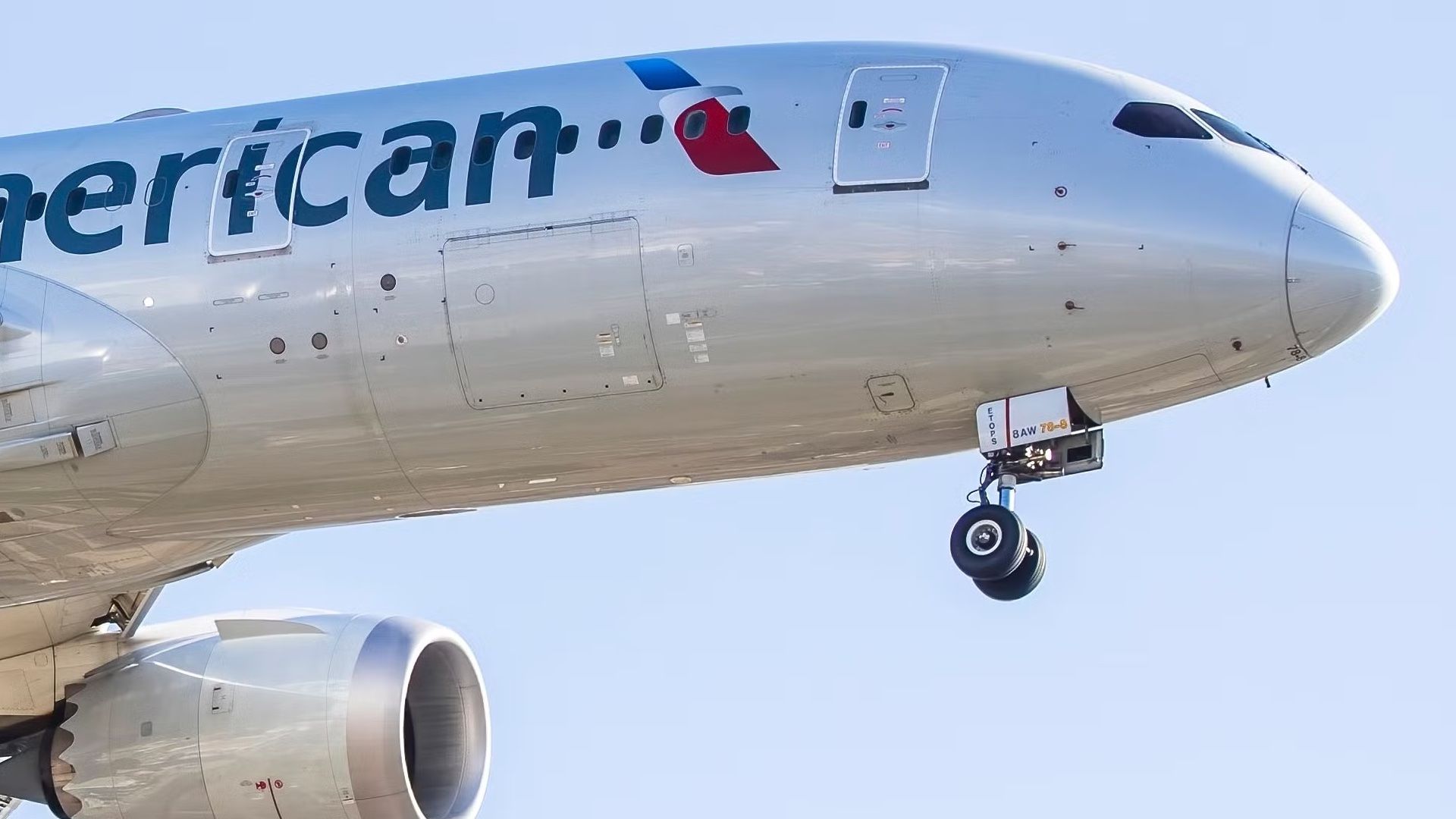
  American Airlines (NYSE: AAL) is losing around $800 million per year at Chicago O’Hare International Airport (ORD). He pointed the finger directly at American for adding around 100 new flights at the facility while United did nothing in response, yet still recorded airport margin growth and strong numbers at the airport. Kirby certainly believes that United’s growth is centered around expanding brand loyalty across all patterns of service.
We see Kirby’s $800 million figure as exaggerated, a reflection of the increasingly strained relations between the two carriers. We did not hear any quantitative evidence or methodology from the United chief executive that supported this claim, and we have yet to see any other coverage that provides a convincing enough case for this figure’s authenticity. American and United’s turf war at Chicago-O’Hare has turned increasingly tense, with both airlines fighting over market share at the facility. Legal action even occurred this past winter when American was frustrated with a preliminary gate reallocation.
What Exactly Did Scott Kirby Say?

While we do think Kirby may be exaggerating the numbers here, we do see merit in some elements of his vision. Kirby believes that United wins through operational discipline and doubling down on brand loyalty, all while pushing forward its global ambition. In Chicago, Kirby believes the airline is doing just fine, calling United a “top performer” in the market, an opinion that we and other industry observers share.
Kirby’s operational discipline is in stark contrast to the idea of “strategic flying,” which we have seen American Airlines deploy over the years. While United mostly aims to enter routes where it can carve out a unique niche for itself, American Airlines has repeatedly entered routes to defend its market share against rivals. Kirby aims to further monetize the airline’s premium brand, growing capacity in its Polaris Business Class cabin. At the Airline Passenger Experience Expo, Kirby had the following words to share:
“Because we have brand-loyal customers, we just execute our plan.”
A Figure Lacking Any Kind Of Justification

We are hesitant to believe Kirby’s assertion for a few key reasons. For starters, Kirby elected to provide no evidence when making this claim at a large industry gathering. He provided no specific financial details on how this profitability figure was calculated, nor did he provide any attribution when making this claim. This, in our eyes, makes it an unsupported assertion, not financial analysis that can be used to inform our understanding of the airline’s performance (or American’s for that matter). Some industry experts have attempted to estimate this figure and placed it closer to $100 million.
Hub-level losses of that magnitude would be difficult to validate, and they would be extremely visible to investors through other means. Airlines typically do not disclose individual hub profitability figures, and the network economics of large multinational airlines make it difficult for us to determine if this kind of figure could even be calculated. Airlines like American make money through connections, partnerships, and other kinds of contracts. We are not even sure a specific hub profitability figure even exists, and if it does, it would likely involve enough calculation assumptions to render it difficult to understand or use in context.
Finally, this rhetoric aligns conveniently with United’s push to expand at Chicago O’Hare, including the ongoing conflict over gate allocations. Such a dramatic number helps United’s narrative and improves the airline’s bargaining position if it were to be factually accurate. Until United shares some underlying financial calculations that investors can audit, this claim seems like competitive messaging.
What Is The Bottom Line?

The continued tension at O’Hare between United and American stands at the core of the challenges that American is facing in the aviation industry. The carrier continues to lose market share in core hubs where United or Delta are looking to expand.
As a result, the argument over gate allocations in ORD does fit this narrative. United has a case to be made as its market share significantly exceeds American’s, but American will argue that continued gate reallocations are anticompetitive.
|
Airline: |
ORD Market Share: |
|---|---|
|
United Airlines: |
40.58% |
|
American Airlines: |
22.76% |
We will have to wait and see what exactly happens in Chicago. Furthermore, we will have to wait and see if United elects to provide any financial justification for this bold claim.
