



NAVAIR is looking for an advanced anti-radiation missile with a longer range than the ones in the Navy’s current inventory and which can also engage airborne targets.
The Naval Air Systems Command (NAVAIR) has published a new Sources Sought notice for Advanced Emission Suppression Missile (AESM) – Enhanced Capabilities of Feb. 18, 2026. While the U.S. Navy is already working on a new anti-radiation missile, set to enter service soon, the new weapon would have an interesting feature: the capability to engage both air and ground targets.
It should be noted that this does not mean the service has already decided to acquire the new weapon. Rather, the service is looking to see what options are available before a potential acquisition.
What the Navy is looking for
NAVAIR says the Program Executive Office for Unmanned Aviation and Strike Weapons, PEO (U&W), is “conducting market research to identify potential sources capable of providing an advanced, anti-radiation guided missile weapon system […] with a longer range than existing in the Navy’s current inventory.” The goal is to improve the ability to suppress and neutralize enemy air defenses in contested environments with a “weapon system that provides similar or improved capabilities compared to its current weapons inventory, focusing on extended range, advanced targeting, counter-countermeasures, and integration with existing and future platforms.”
The service listed a series of requirements for the new weapon, with the first being the capability to engage targets “at significant standoff distances.” The Navy has not mentioned a threshold for this distance, although it is expected it would be over the range of the AGM-88G AARGM-ER, itself considered the double of the AGM-88E’s range (around 80 nautical miles).
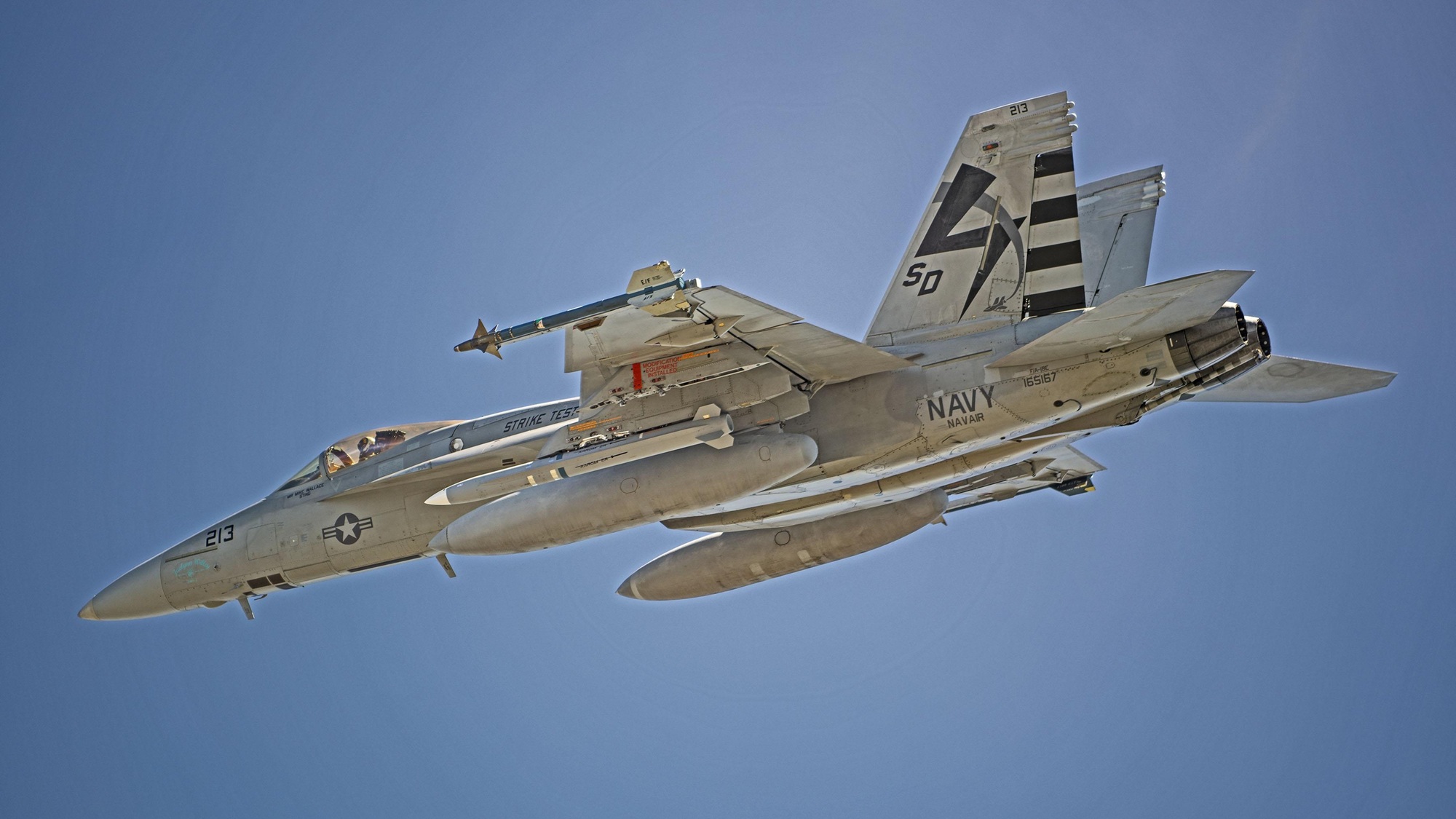
The weapon should have an “advanced anti-radiation seeker with broad frequency coverage,” with the ability to target a wide range of modern and advanced radar systems. The targeting would be made through a precision navigation and guidance system such as GPS/INS with anti-jamming capabilities.
What would set this weapon apart from the current AGM-88E and the newer AGM-88G, which is about to join the fleet, is the desired “ability to engage air-to-air and air-to-ground targets.” This would be supported by the request for robust Electronic Counter-Countermeasures (ECCM) capabilities to defeat countermeasures, including chaff, flares, jamming and anti-ARM techniques.
The weapon would obviously need to be compatible with the F/A-18E/F Super Hornet, the EA-18G Growler and the F-35C Lightning II, the Navy’s current fighters. The service also requires a Technology Readiness Level 7 or higher, meaning that a prototype should be already demonstrated in a representative operational environment.
Long-range radar killer
As the U.S. military gears up for a possible high-end fight against a peer adversary, one of the key components of every air operation would be the Suppression/Destruction of Enemy Air Defenses (SEAD/DEAD). Increasingly complex Anti Access/Area Denial (A2/AD) defense systems pose a concrete challenge to air power, requiring the ability to counter them from longer distances.
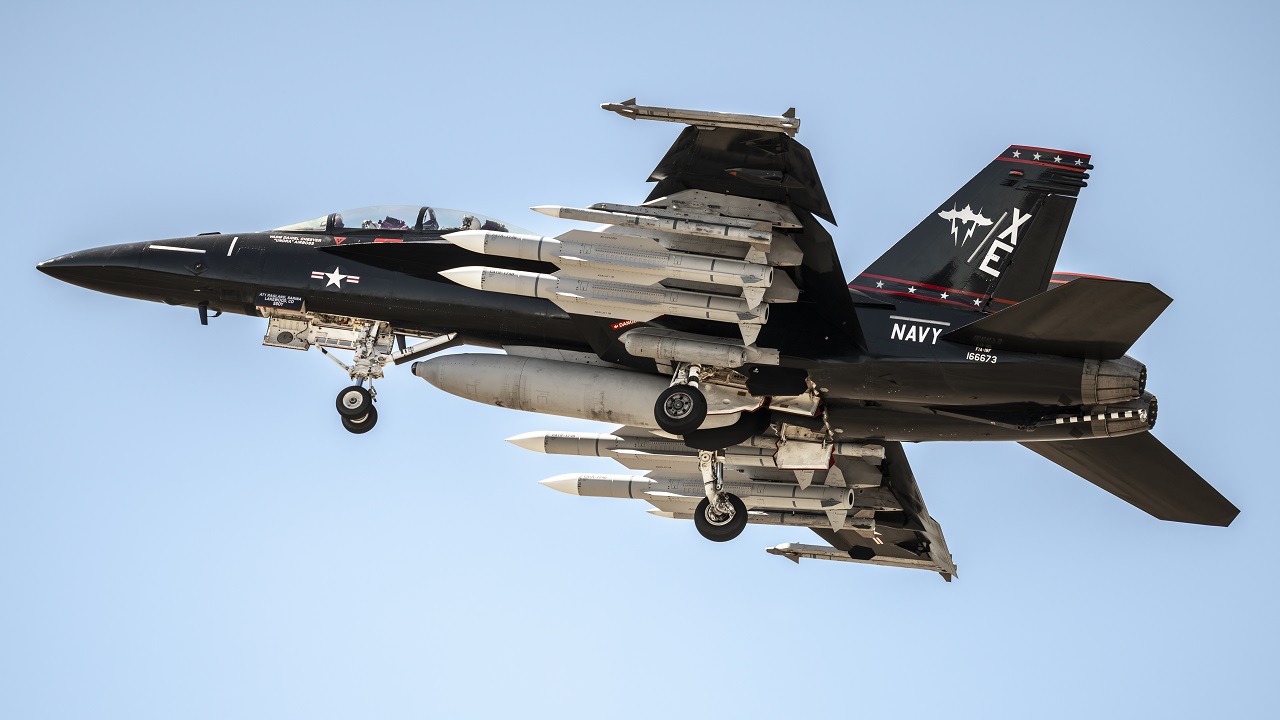
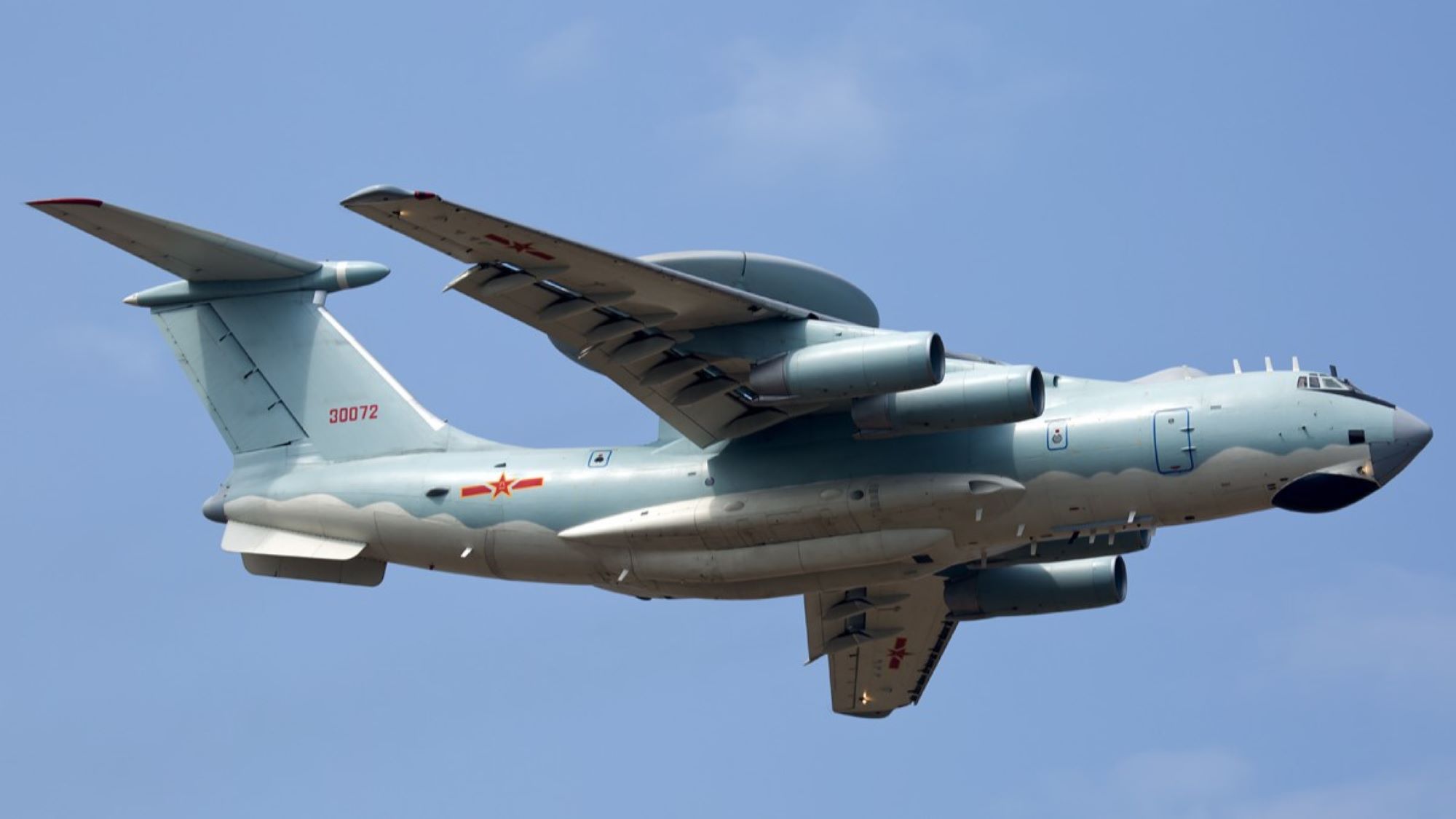
This requires being able to hit targets which are deep behind enemy lines, without putting the launcher aircraft in danger and thus allowing it to stay out the threat’s range. However, in an A2/AD scenario the ground-based counter-air defenses and radars are not the only threat, as other assets represent an equally important threat: Airborne Early Warning and Control (AEW&C) aircraft.
These high-value assets would likely operate deep inside an adversary-controlled territory, in order to maximize the protection they could get, while still being able to efficiently do their job thanks to the reach of their radars. Taking them out would be a strategic objective in any air campaign, as it would severely hamper the capability of an adversary to detect incoming strike packages.
A weapon that has been considered as possibly intended for this role is the new AIM-174B long-range air-to-air missile derived from the Standard Missile 6. In its ship-based form, the weapon has a reported range of 200 nautical miles, which would likely be extended when launched by a fighter jet at high altitude, even without the use of the additional Mk72 booster used when launching from the Mark 41 vertical launching system (Mk 41 VLS).
One could then wonder why the Navy would look for a new weapon if it has already two that can do the same jobs. The answer is simple: flexibility.
With the AGM-88G being an air-to-ground-only weapon and the AIM-174B being an air-to-air-only weapon, a new one with the capability to hit both air and ground targets would bring improved flexibility to the fleet. As a consequence, with a single weapon capable of doing both jobs, a SEAD asset could also go hunting for AEW aircraft in the place of air-to-air-armed fighters.
Moreover, this would also allow to engage AEW aircraft as targets of opportunity, should one pop up while a SEAD aircraft is flying a mission to engage ground-based air defenses. This flexibility would also allow a quicker reaction in those cases, instead of having to wait for fighters armed with AIM-174s.
