


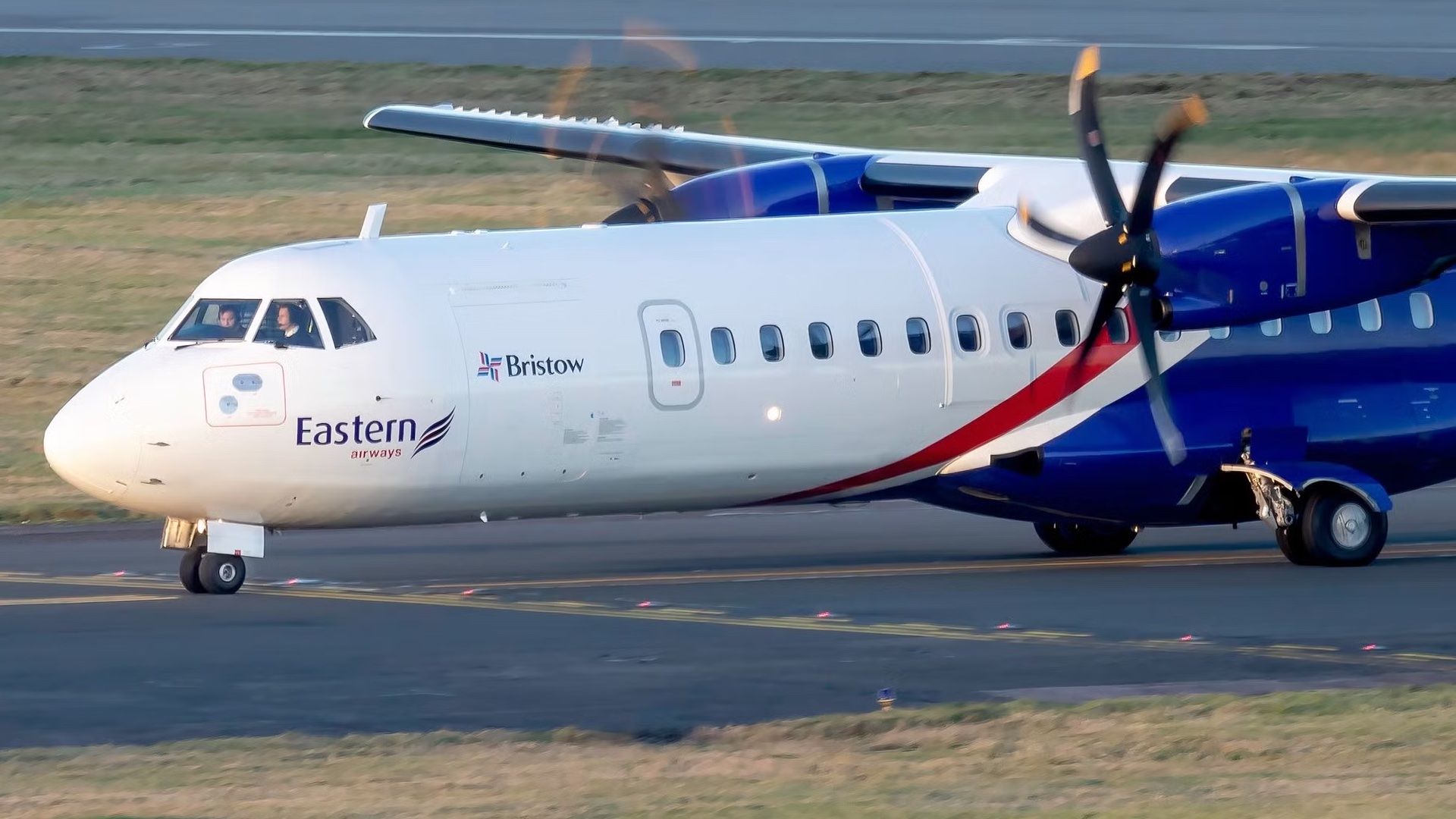
Eastern Airways has elected to cancel all flights, and it has filed a formal notice of intention to appoint an administrator, which shields the airline from creditors for ten business days as it begins to seek out options. The regional airline, which is based in Humberside, has returned aircraft to lessors, and it looks prepared to close after around 28 years in the market.
Before suspending its operations, the airline ran four scheduled services between Aberdeen and multiple destinations across Scotland. The airline also operated a route from  London Gatwick Airport (LGW) to Newquay, a destination in Cornwall. The Cornwall Council is urgently seeking an airline which will operate this service, with Loganair currently viewed as a potential bidder for Aberdeen services, although the low gauge of these aircraft could prove a constraint. Staff are facing unemployment, and passengers will have to pursue refunds from the now-bankrupt airline.
A Deeper Look At The Latest Developments

The immediate developments in this situation are concerning. Flight operations have been completely halted, and ticket sales have ceased across the board. Large amounts of leased aircraft have also been returned, a strong signal that the airline is going to be winding down. This legal step helps the airline buy brief overall breathing room while reflecting an inability to meet debts, according to The Independent.
Overall route exposure is relatively concentrated, with just three Aberdeen-centered flights catering to traffic in the North Sea region. Authorities moved relatively quickly, with the Cornwall Council aiming to name a successor operator within days to protect its overall connectivity. Market chatter points to Loganair being the best-placed airline for serving Aberdeen-centered spokes. Larger aircraft can also undermine route economics. In a statement received by Simple Flying, the carrier had the following words to share:
“Following widespread speculation concerning Eastern Airways operations, we’re stepping in to support passengers in any way we can. As part of our commitment to keeping the islands connected, we’re introducing a special rescue fare on our Aberdeen/Kirkwall and Aberdeen/Sumburgh routes to assist affected Eastern Airways customers in reaching their destinations with minimal disruption.”
What Does All Of This Mean For The UK’s Air Travel Market?

Eastern Airways’ withdrawal continues the overall attrition of UK-based regional carriers, and it shrinks overall competition on thin and socially important routes. In practical terms, public service obligations will become very critical. Whether flights from Gatwick to Newquay or Aberdeen to Wick continue operating depends mostly on whether the carrier will be able to effectively deploy targeted subsidies.
Aberdeen’s overall connectivity to English regions will continue to attract  Loganair or scheduled hybrid carriers, with fleet right-sizing becoming critical. At the network level, the UK’s three major carriers (which include the International Airlines Group (IAG), easyJet, and Ryanair) will be structurally uninterested in these kinds of spokes. This episode demonstrates significant execution risks that exist in third-party contracts.
Wet-leased aircraft end abruptly, and small airlines lack balance-sheet resilience across the board. Customers can expect a near-term patchwork of replacements and, in the medium term, they can also expect more consolidation and publicly backed models for essential connectivity across regional markets. This will, in the short term, introduce operational disruptions for passengers, forcing them to seek out alternative forms of transportation for these otherwise-underserved regional destinations around the edges of the United Kingdom.
What Does All Of This Mean For Passengers?

In the near term, passenger disruption is the most visible short-term impact of this situation. Those looking to travel between these destinations that already held tickets will now need to seek out refunds and book alternative travel, unless they are willing to accept the airline’s rescue fares. This is a multi-stop rail or air outing that will likely come along with higher fares. If Cornwall rapidly appoints a successor to serve this route, forward bookings will likely transfer and thus soften the overall blow.
Elsewhere, options for passengers may involve longer journeys cutting through other hubs, and some passengers will have to travel by rail or automobile. Non-public service obligation links will likely take a lot longer to come back, especially given the fact that these routes have clearly proven challenging to operate profitably.
The bigger question for the company remains whether it will ever return to the market. A restructuring procedure could be an option for the airline, but it looks less likely given recent developments.
