


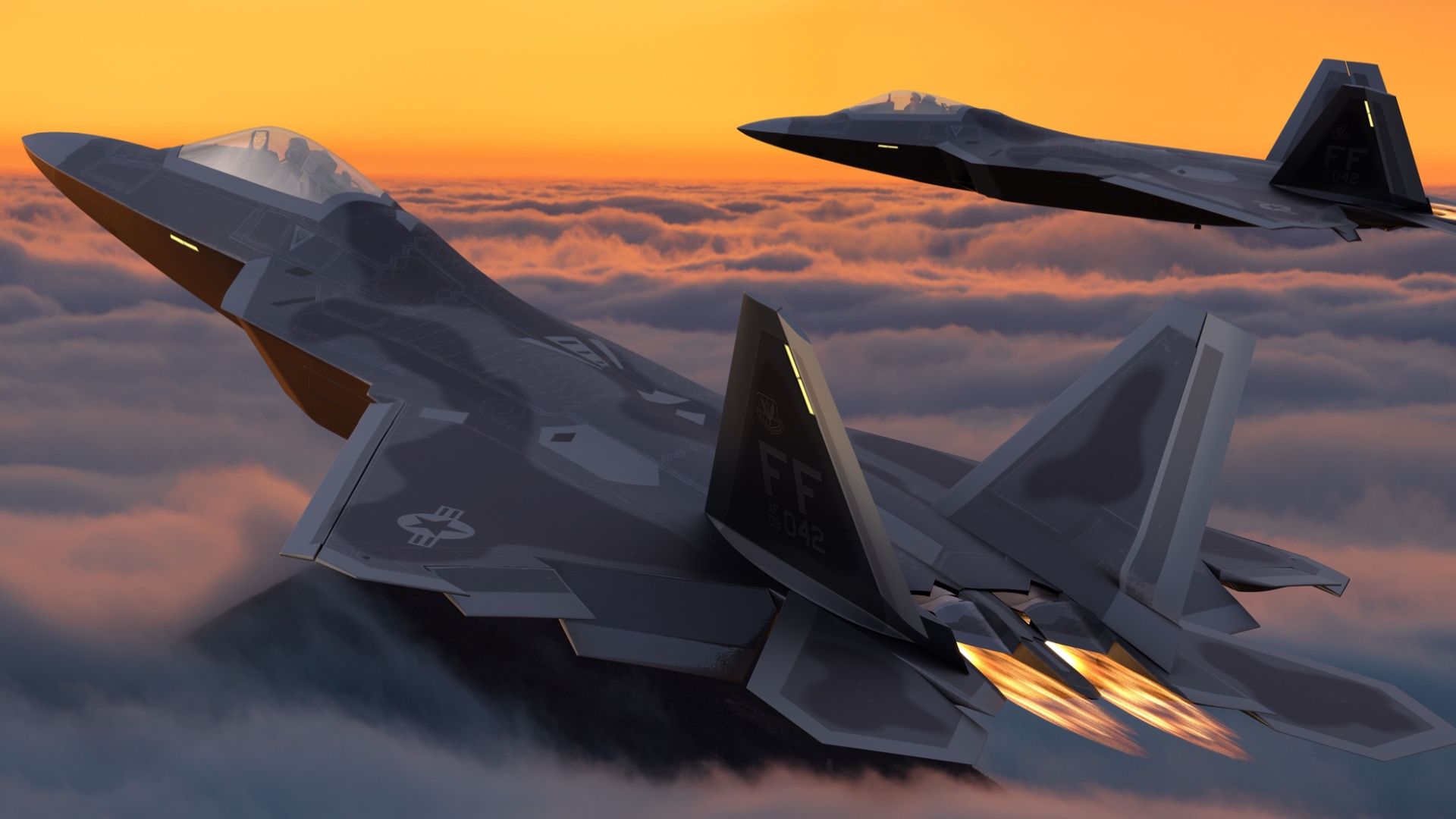
Lockheed Martin has long been a cornerstone of global air power, with aircraft like the F-35 Lightning II, the C-5M Super Galaxy, and the C-130 Hercules family forming the backbone of the air fleets of dozens of nations. From stealth fighters to heavy-lift transports, Lockheed designs embody not only cutting-edge technology but also interoperability across allied nations. Tracking which air forces operate the largest Lockheed fleets offers a unique lens on strategic partnerships, modernization priorities, and raw operational capacity.
While global rankings often emphasize raw fleet size, looking specifically at Lockheed-built aircraft highlights their strategic roles rather than just numbers. Some nations depend on Lockheed transports like the C-130 to guarantee mobility and humanitarian responses, while others prioritize advanced fighters like the F-35 to secure regional air superiority. Examining where and how these aircraft are deployed reveals not just who flies the most, but how Lockheed designs underpins strategies ranging from disaster relief to deterrence and high-end combat.
The United States: Lockheed’s Powerhouse Partner

The United States Military is by far the largest operator of Lockheed aircraft, a fact that underscores the scale of American airpower. According to a recent study, the US alone operates around 13,000 aircraft, accounting for about 25% of the total military aircraft fleet worldwide. Within this massive inventory, Lockheed types dominate, from legacy F-16s and the growing F-35 fleet to the rugged C-130 and the one-of-a-kind C-5M Galaxy. No other nation comes close to this combination of numbers and diversity.
Beyond fleet size, the US defines operational standards for Lockheed aircraft. The Lockheed C-130 Hercules is the backbone of tactical airlift, while the 52 C-5Ms provide unmatched heavy-lift capacity. On the combat side, the US operates hundreds of F-35s, forming the world’s largest fleet of stealth fighters. The scale ensures not only unmatched capacity but also a leadership role in doctrine, training, and multinational interoperability.
Strategically, the US’s reliance on Lockheed is about more than procurement; it is about global reach. The US uses Lockheed aircraft for rapid deployments, global logistics, and power projection. This combination of volume, technology, and strategy makes the United States Lockheed’s most critical customer and the benchmark by which all others are measured.
C-130 Nation: Who Flies the World’s Most Prolific Hercules?

The Lockheed C-130 Hercules is Lockheed’s most widely distributed aircraft, with around 1000-1500 still in service worldwide. More than 2,800 have been produced since its introduction, making it one of the longest-running production programs in aviation history. The Hercules has become indispensable for air forces from the world’s largest powers to smaller regional players, valued for its rugged design and ability to operate from short or unpaved runways.
Fleet sizes vary significantly. The US alone flies around 400 Hercules aircraft, the largest fleet in the world. Other operators also stand out: Egypt maintains a fleet of more than 20, while India and Australia each fly around a dozen C-130Js. Even smaller countries like Norway and Indonesia rely on the Hercules for essential transport and humanitarian missions, demonstrating its versatility across both advanced and developing nations.
Modernization is ongoing with the C-130J Super Hercules. This variant offers greater efficiency, range, and digital avionics, making it the standard for 21st-century tactical airlift. With operators on every continent, the Hercules has become Lockheed’s true “universal airlifter.”
What US Air Force Bases Have F-35s?
F-35 Lightning II: The Global Stealth Club

The F-35 Lightning II is Lockheed’s flagship 5th-generation fighter and one of the fastest-growing fleets worldwide. By 2025, more than 1,000 F-35s had been delivered, with over 700 active in front-line combat units and more than 200 assigned to training roles. This makes it the largest and most widely distributed stealth fighter in history.
The United States remains the primary operator, but allies play a critical role in shaping the global fleet. The United Kingdom has orders for around 60–80 F-35Bs, Japan is steadily building toward a fleet of around 150 aircraft, and Australia currently maintains a fleet of just over 70. Israel already flies around 45 F-35Is with more on order. Australia, Norway, Italy, and the Netherlands also maintain substantial fleets, ensuring the fighter’s footprint across Europe and the Pacific.
Performance stats on the F-35 Lightning II variants from Lockheed Martin.
|
Specification |
F-35A (Standard) |
F-35B (STOVL) |
F-35C (Carrier) |
|---|---|---|---|
|
Role |
Conventional Takeoff & Landing |
Short Takeoff / Vertical Landing |
Carrier Variant |
|
Length |
51.4 ft (15.7 m) |
51.2 ft (15.6 m) |
51.5 ft (15.7 m) |
|
Wingspan |
35 ft (10.7 m) |
35 ft (10.7 m) |
43 ft (13.1 m) |
|
Height |
14.4 ft (4.38 m) |
14.3 ft (4.36 m) |
14.7 ft (4.48 m) |
|
Maximum Speed |
Mach 1.6 (1,200 mph / 1,930 km/h) |
Mach 1.6 (1,200 mph / 1,930 km/h) |
Mach 1.6 (1,200 mph / 1,930 km/h) |
|
Combat Radius (approx.) |
670 nm (1,240 km) |
505 nm (935 km) |
615 nm (1,140 km) |
|
Internal Weapons Bay Load |
5,700 lb (2,585 kg) |
5,700 lb (2,585 kg) |
5,700 lb (2,585 kg) |
|
External Weapons Load |
Up to 18,000 lb (8,160 kg) |
Up to 18,000 lb (8,160 kg) |
Up to 18,000 lb (8,160 kg) |
|
Service Ceiling |
50,000 ft (15,240 m) |
50,000 ft (15,240 m) |
50,000 ft (15,240 m) |
|
Engine |
Pratt & Whitney F135 |
Pratt & Whitney F135 + Lift Fan |
Pratt & Whitney F135 |
|
Stealth |
Low Observable (LO) |
Low Observable (LO) |
Low Observable (LO) |
The F-35 program represents not only cutting-edge technology but also alliance politics. Nations that buy into the program commit themselves to decades of training, maintenance, and upgrade cycles. In this sense, the F-35 serves as both a military platform and a geopolitical tool that strengthens interoperability among allied air forces.
Heavy Lifters: Counting the C-5M Super Galaxy Fleets

The C-5M Super Galaxy stands apart as one of the largest military aircraft in the world, capable of carrying oversized loads across continents. Unlike the globally distributed C-130, the C-5 is exclusive to the United States Air Force, with 52 modernized C-5Ms currently in service. Originally, 131 C-5s were built, but the fleet has been streamlined and upgraded through modernization programs to create a smaller, yet highly capable force.
With a payload capacity of around 280,000 pounds (127,000kg) and the ability to carry the largest vehicles in the US Military, such as M1 Abrams tanks or multiple helicopters, the C-5M is unmatched in heavy-lift capacity.
|
Specification (Data from WebFlite) |
Value |
|---|---|
|
Length |
247 ft (75m) |
|
Wingspan |
222 ft (67m) |
|
Height |
65 ft (19m) |
|
Maximum Cargo (Payload) |
200,000 lb (127,000 kg) |
|
Maximum Takeoff Weight (MTOW) |
840,000 lb (381,024 kg) |
|
Unrefueled Range (Fully Loaded) |
2,300 nm (4,260 km) |
Despite its limited numbers, the C-5M has played an outsized role in US military and humanitarian operations. It supports everything from large-scale combat deployments to emergency disaster relief, reinforcing its position as a strategic enabler that even advanced fighters and smaller transports cannot match.
Why Did Lockheed Martin Build The C-5 Galaxy With 4 Engines?
Allies in Lockstep: NATO and Beyond

Lockheed aircraft serve as the backbone of interoperability within NATO and beyond. Among European partners, the UK, Italy, Norway, the Netherlands, and Denmark are all active F-35 operators, with more countries such as Finland and Switzerland joining the program. On the transport side, nations like France and Germany rely heavily on the C-130J, often pooling resources for multinational airlift commands.
Outside Europe, Lockheed’s presence is just as strong. Japan and South Korea are building significant F-35 fleets, while Australia’s 72 F-35As represent one of the largest holdings in the Asia-Pacific. In the Middle East, Israel operates 45 F-35Is, cementing its role as the region’s most advanced air force, while Egypt’s Hercules fleet provides a critical link between North Africa and US suppliers.
This widespread adoption is about more than numbers—it creates long-term strategic ties. Nations that operate Lockheed aircraft not only gain advanced capabilities but also integrate their logistics, training, and operations with US and allied systems. This ensures that Lockheed designs are as much diplomatic tools as they are military hardware.

Looking across global fleet sizes, Lockheed Martin’s aircraft dominate both in raw numbers and in strategic importance. The United States towers over all others, but allies with significant F-35 or C-130 holdings also play key roles in shaping the company’s worldwide presence. Together, these fleets underline Lockheed’s position as the most influential supplier of military air power in modern history.
The balance between legacy workhorses like the C-130 and cutting-edge systems like the F-35 shows the company’s range. While the Hercules ties Lockheed to nations large and small, the Lightning II cements its presence in the world’s most advanced air forces. Meanwhile, unique giants like the C-5M reinforce the US’s unmatched heavy-lift capabilities.
Ultimately, Lockheed’s aircraft are more than hardware; they are instruments of alliance, strategy, and projection. By tracking which nations fly the largest Lockheed fleets, we see not just military strength but also the architecture of global security itself. The United States clearly sits at the top, but the global spread of Lockheed fleets ensures its influence stretches across every continent.
