


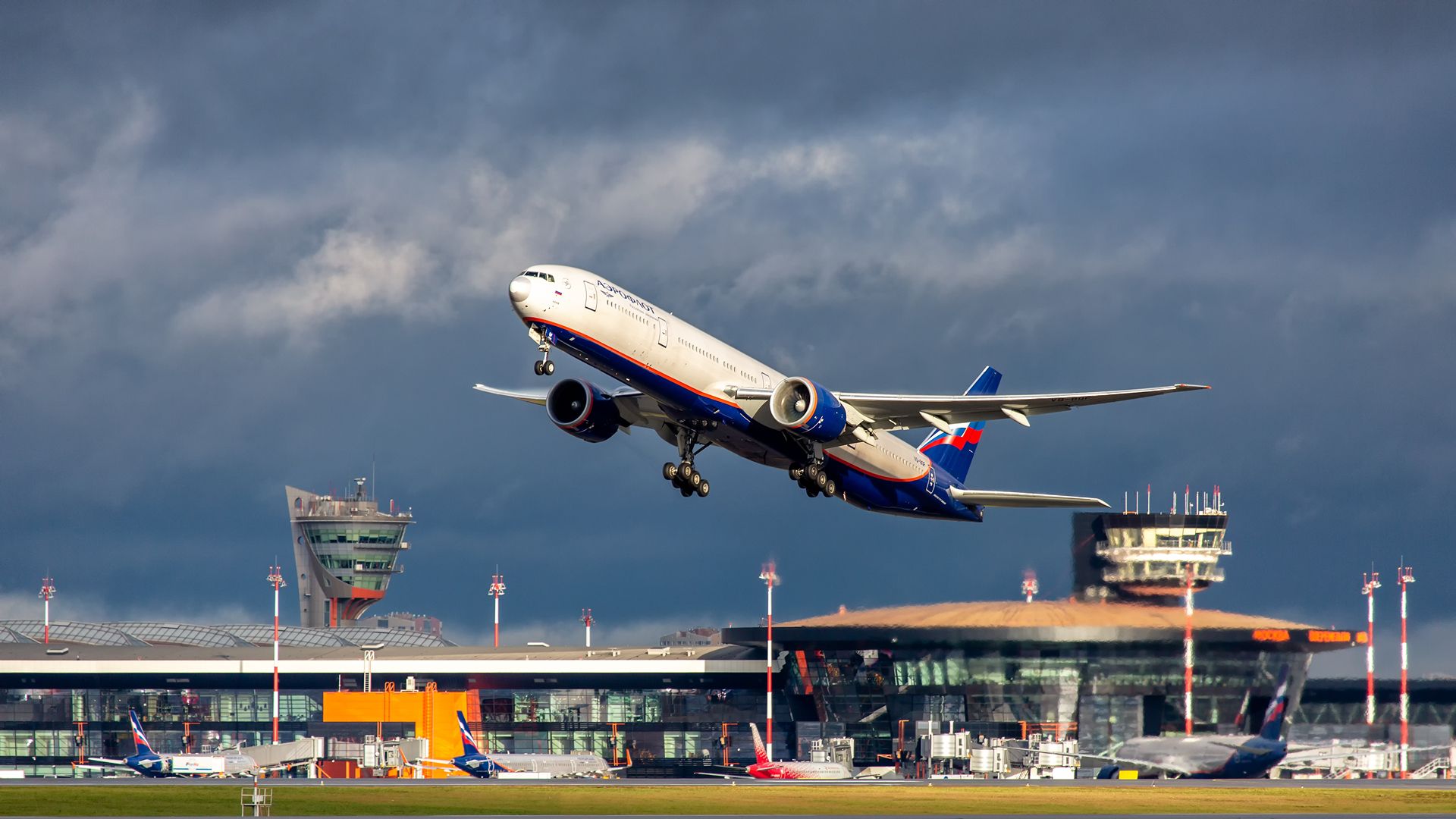
Russia has lost its bid to win back a seat on the International Civil Aviation Organization’s ( ICAO) governing council after failing to secure enough votes. The country received 87 votes, short of the 93 votes needed to reclaim its place in the 36-member council.
It first lost its seat in 2022 as other nations voted against it following its invasion of Ukraine. Russia called for another round of voting and said its exclusion damages ICAO’s credibility.
Russia Fails To Regain ICAO Council Seat

As reported by Reuters, Russia was six votes short of reclaiming its governing council seat at ICAO’s 42nd assembly in Montreal, a result that its Transport Ministry said “damages the authority and effectiveness of the organization.” It criticized the UN agency as being motivated by “narrow political interests” and pointed to growing support from BRICS nations, which it says “represent the interests of the overwhelming majority of the planet’s population.”
The country continues to receive criticism for its ongoing war with Ukraine, as well as its involvement in GPS manipulation and other reckless airspace incidents. A Russian representative called for another round of voting, but this request was denied by the assembly. ICAO hosts its assembly every three years and elects 36 countries to its governing council, pushing Russia out in its last vote in 2022.
The European Union and the United States have been the most vocal in their opposition to Russia’s re-inclusion in the council, with US Transportation Secretary Sean Duffy calling Russia “the most aggressive abuser and violator of international agreements and international norms.” Ahead of Saturday’s vote, European Commission spokesperson Anna-Kaisa Itkonen said,
“It is unacceptable that a state which endangers the safety and security of air passengers and violates international rules should hold a seat on the organization’s governing body, tasked with upholding those very rules.”
Russia Seeks To Rehabilitate Image

Russia has used ICAO’s assembly in Montreal to try to reclaim its legitimacy in aviation. The country was stripped of its ICAO council seat in the wake of its invasion of Ukraine. Among its actions were illegally seizing hundreds of Western-made aircraft from lessors, leading to estimated losses of $10 billion for leasing companies.
It has since continued to violate international standards, including GPS manipulation and spoofing tactics to interfere with commercial aircraft. Earlier this month, the President of the European Commission, Ursula von der Leyen, faced Russian GPS jamming en route to Bulgaria, forcing the aircraft to circle for an hour before landing. Areas bordered by Russia have seen a sharp increase in such incidents – according to ICAO, over 120,000 flights in the Baltic region were affected by Russian jamming in the first four months of 2025 alone.
ICAO’s council is made up of three tiers, with the first tier containing the most important nations. As the controller of the world’s largest airspace, Russia has historically always been part of this first tier, but its relations on the global aviation stage have soured. Earlier this year, ICAO formally blamed Russia for its role in the downing of Malaysia Airlines Flight 17 in 2014, the first time its council had determined a dispute between member states.
Sanctions Impacting Airlines And Safety

Airlines in Russia continue to operate an extensive fleet of Airbus and Boeing aircraft despite strict economic sanctions, raising concerns about their airworthiness. Rates of mechanical failures on these aircraft are much higher in Russia than in the global fleet, as operators struggle to obtain parts and implement acceptable maintenance standards.
This is a serious threat to commercial aviation safety in Russia, which is one of the reasons it has cited for its re-inclusion into ICAO’s council. It also criticized the scores of countries that have shut their airspace to Russian airlines.
Nonetheless, Airbus and Boeing parts are still finding their way into the country through indirect means, but this is still not enough for its airlines to maintain reliable and safe fleets.
