



Here’s a topic I get questions about every so often, which I think makes for an interesting discussion…
Making sense of airlines and their differing safety policies
The airline industry is heavily regulated across the globe in terms of safety. Many aviation authorities are on the same page when it comes to rules, and there are some minimum safety policies you’ll find across the board.
For example, virtually every airline requires passengers to put their phone in airplane mode while inflight, requires exit row passengers to acknowledge that they’re willing and able to assist in the event of an emergency, requires carry-on bags to be placed underneath the seat in front or in the overhead bin, etc.
But here’s what I find interesting — above and beyond the regulations you’ll find in the United States, you’ll often find that airlines from outside the United States have specific regulations that we don’t see here. Just to give some examples of policies that some non-US carriers have:
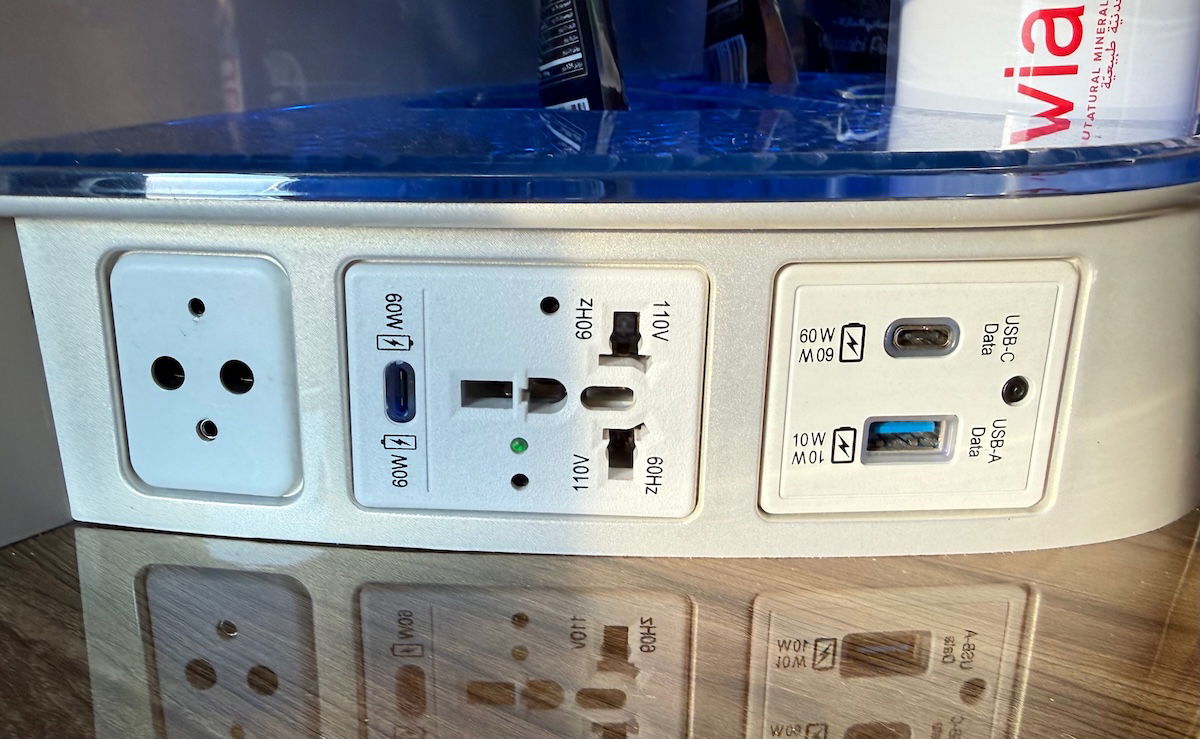
- Disconnecting all electronics from power sources during taxi, takeoff, and landing
- Opening all window shades for taxi, takeoff, and landing
- Removing all personal headphones or earbuds during taxi, takeoff, and landing
- Keeping shoes on during taxi, takeoff, and landing
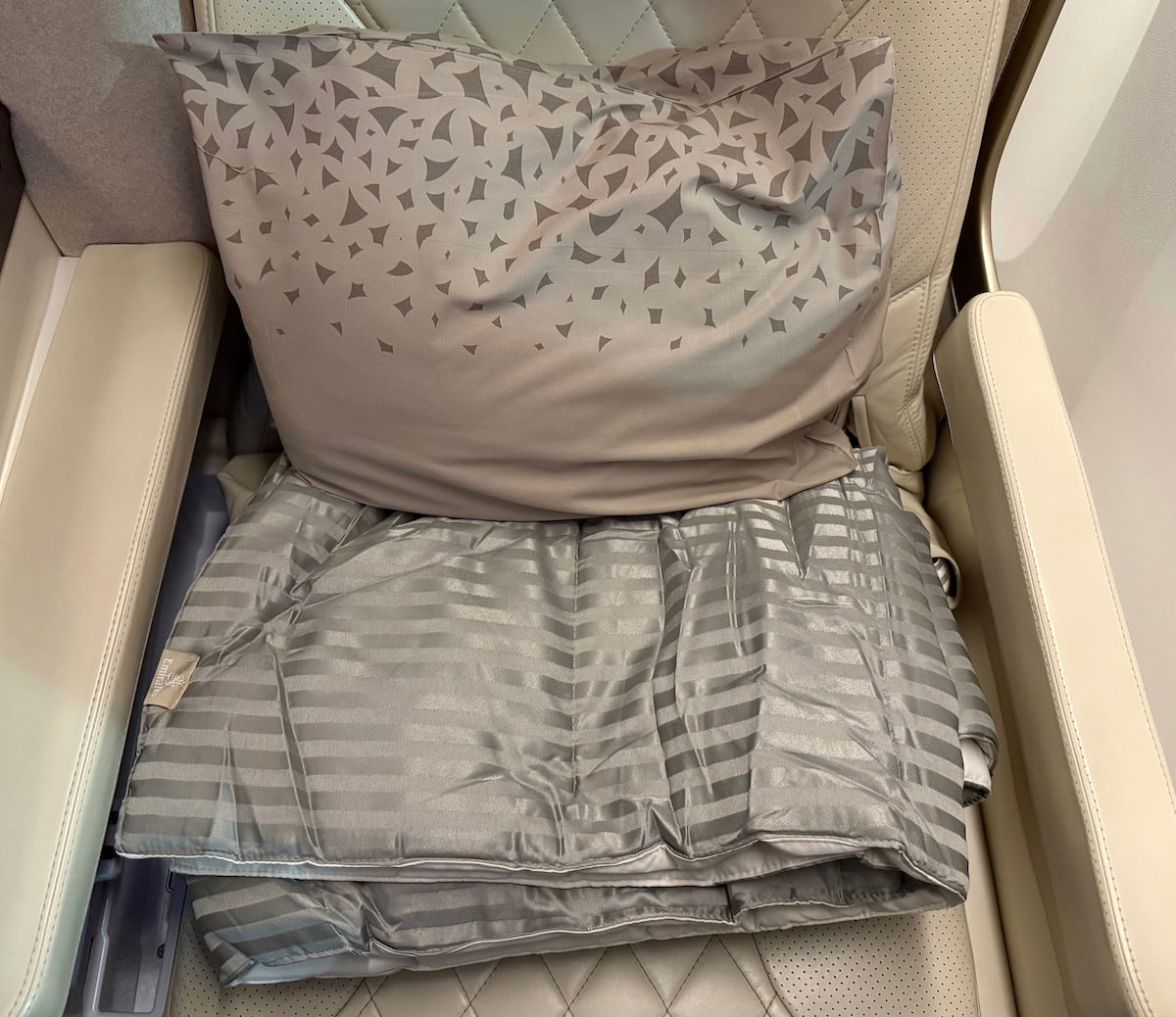
- Not using blankets during taxi, takeoff, and landing
- Not serving hot beverages or soup when the seatbelt sign is on
- Not placing bags underneath the seats in exit rows
It’s funny, because on my current trip, I’ve experienced five of those policies on various airlines, even though none of those rules apply to airlines in the United States. Ordinarily, I pride myself in being a good airline passenger who instinctively knows what rules I need to follow before being told to do so, though I also sometimes get caught off guard, especially on policies around headphones, blankets, etc.
What explains the inconsistency in these aviation rules?
Here’s what I find interesting, and what I’d like to briefly discuss. It essentially seems like the Federal Aviation Administration (FAA) sets the basic standard globally for aviation safety, and then we see other countries pile on their own rules, above and beyond what’s required here.
So that brings us to all of these rules. Is the FAA being careless by not having some of the above policies? Are regulators in other countries (or in some situations, airlines independently) just more concerned about safety, taking things a step too far, or how do you justify the disparity in terms of policies?
As I see it, all of the above policies are best practices:
- It makes sense for window shades to be open during takeoff and landing, since those are the phases of flight where things are most likely to happen, and there’s value in being able to assess the surroundings in the event of an emergency
- Having electronics plugged into power ports, using blankets, and having bags under seats in exit rows, during takeoff and landing, can cause a tripping hazard in the event of an evacuation
- Having personal headphones on can make it hard to hear crew instructions in the event of an evacuation
- Hot beverages could cause a burn if there’s turbulence, and they spill on you, so there’s merit to not serving those if there’s a risk
So I do absolutely think these are all best practices. That being said, aviation is outrageously safe. If you want to absolutely maximize the likelihood of no injuries or negative outcomes, those policies make perfect sense. However, how many lives have been saved as a result of the above policies? Not many, as far as I know.
I think this ultimately comes down to the quirkiness of our relative risk tolerance. We’re happy getting in a car every day without thinking twice, even though it’s exponentially more dangerous than flying even the most unsafe airline in the world (it’s one of the reasons that from a safety perspective, I’m happy to fly just about any airline).
So in the context of maximizing odds of the best possible outcome, these rules make sense. For that matter, that’s what the aviation industry strives for, and that’s a good thing. However, if across billions of annual enplanements we can’t actually point to any saved lives, are these policies strictly necessary? I dunno, I guess it all comes down to how you balance minor inconveniences with best practices.
Again, I’m not meaning to in any way question these policies, as I think they’re logical. I’m just noting how it’s interesting how regulators arrive at different conclusions when it comes to the necessity of the rules.
Bottom line
Regulations for airline passengers differ around the world, and what I always find most interesting is the rules that some regulators have above and beyond what the FAA requires. This mostly involves restrictions around behavior during critical phases of flight (taxi, takeoff, and landing), including charging of electronics, use of blankets and headphones, wearing of shoes, placement of carry-on bags, etc.
I know some foreigners who travel to the United States are surprised to find that these rules don’t exist (like restrictions around window shades), and I sometimes get comments from people about that.
What do you make of this inconsistency when it comes to safety regulations?
