


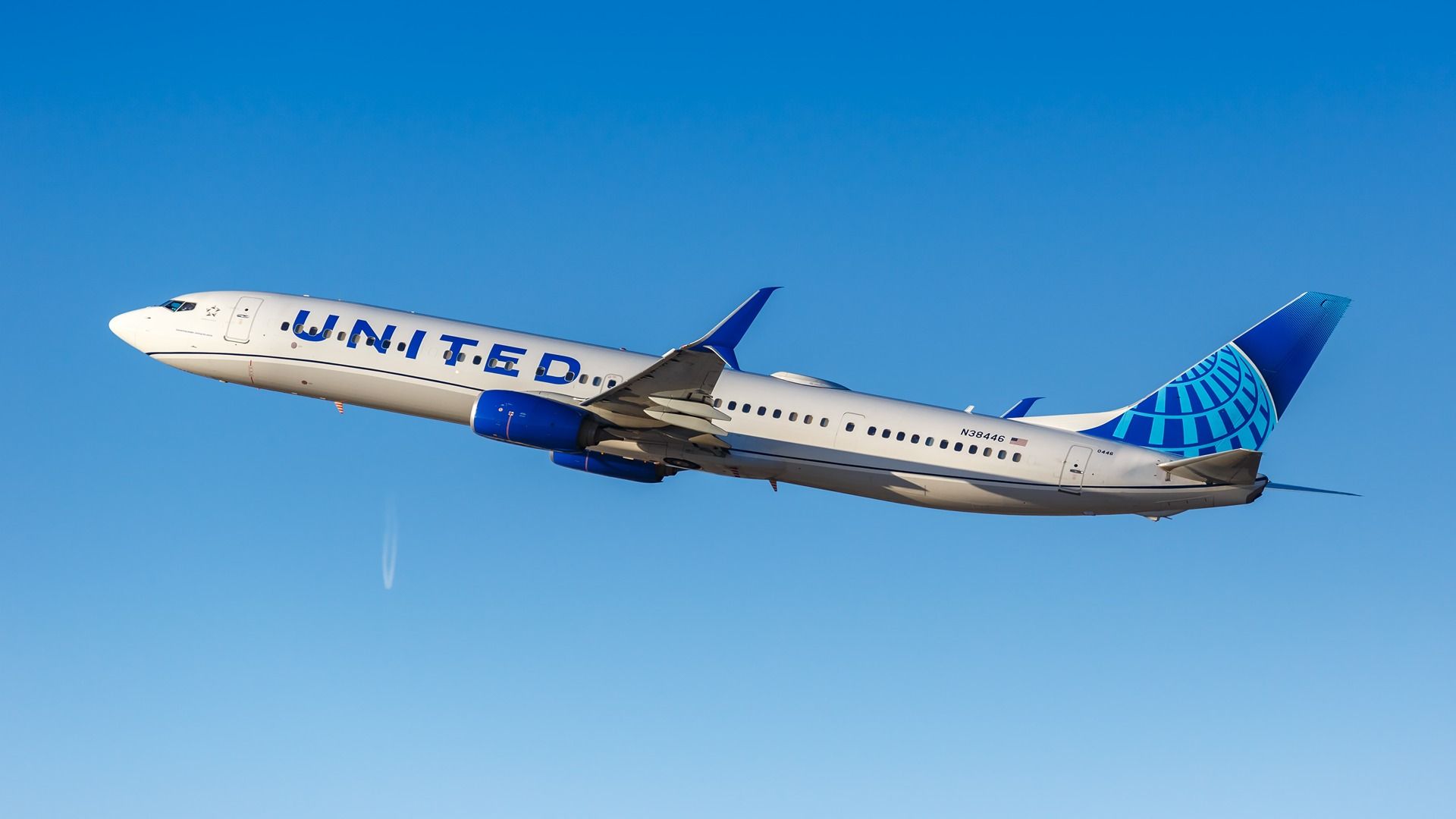
The oldest conversion organization, Aeronautical Engineers Inc. (AEI), unveils plans to convert Boeing-900ERs into freight jets in the coming years, as the company sees the market potential for a larger narrowbody freight aircraft. The Passenger-To-Freighter (P2F) program is backed by AEI’s success with the conversion of the smaller 737-800s.
The proposed plan includes a multi-step process, across a period of four years, during which time the organization aims to get the converted aircraft types certified in the US, Europe, and China.
Experts In Aircraft Conversion

US-based organization, Aeronautical Engineers Inc. (AEI), for over 60 years, has been in the business of converting aircraft for cargo operations, and has modified over 500 aircraft. Reports from Aerotime indicate that earlier this week, AEI unveiled their plans to convert Boeing 737-900ER aircraft type for cargo operations, which will make the type the largest narrowbody freighter jet in the world.
Having found success in the conversion programs of other  Boeing aircraft, such as the smaller Boeing 737-800, the company is experienced in handling the conversion of 737 variants. AEI aims to have the aircraft converted, tested, and certified by the FAA by 2029. The converted type would then be known as the Boeing 737-900ERSF.
Upon getting the Supplemental Type Certification (STC) from the FAA, AEI is expecting approvals from the European Aviation Safety Agency (EASA) and the Civil Aviation Administration of China (CAAC) shortly thereafter. The -900ER, paired with its larger fuselage, will provide unparalleled capacity, volume, and payload within the narrowbody freight market.
Considering the Boeing 737-900ER is a relatively newer aircraft, with the type entering service in 2007, this would indicate that even the oldest aircraft of the example can still carry on operating cargo service for decades to come. The type also has the option to have split scimitar winglets retrofitted, thereby improving operational efficiency and the aircraft’s range.
Comparing With The 737-800 Freighter

When comparing the published specifications for the upcoming 737-900ERSF to AEI’s converted 737-800SF specifications, the increase in capacity offered becomes clear.
|
Aircraft |
Boeing 737-800SF |
Boeing 737-900ERSF |
|---|---|---|
|
Fuselage Length |
39.5 m |
42.1 m |
|
Payload Available |
52,700 lbs (23,904 kg) |
57,700 lbs (26,173 kg) *expected |
Apart from the increased capacity, both aircraft types are converted to have five supernumerary seats and the option for ETOPS operations for up to 180 minutes. Additionally, the -900ERSF will not only have space to accommodate extra pallets, but will also have an auxiliary fuel tank onboard the aircraft to ensure the aircraft can still offer extended range.
As reported in Aerotime, AEI’s Senior Vice President of Sales and Marketing, Robert T. Convey, stated,
“This is a strategic move to address the increasing demand for higher capacity narrowbody freighters.”
“With the global e-commerce and express markets continuing to grow, the B737-900ERSF will provide operators with the right blend of payload, volume, and economics.”
AEI reportedly believes the potential market for converted 737-900ER freighter jets can be up to 200 aircraft. Data from ch-aviation shows that currently there are around 450 examples of the variant, active around the world, with the largest operators being  Delta Air Lines,
  United Airlines, and
  Alaska Airlines.
Key Operators Of The Boeing 737-900ER

The largest operators of the type are all based in the US. While the aircraft looks almost exactly the same externally as the Boeing 737-900s, there are some noticeable differences when it comes to the interior and operational capability of the aircraft. This included additional fuel tanks increasing the range, reinforcements in the fuselage and other parts of the aircraft, and larger exits, enabling higher aircraft capacity.
Data shows that a total of 505 examples of the type were delivered, with Delta, United, and Alaska taking the largest number of deliveries with 163, 136, and 79 aircraft, respectively. Considering that there are only over 450 examples currently active, it is possible that AEI will very much rely on these carriers retiring their jets in the coming year if it is to achieve its 200-aircraft market forecast.
Considering all three carriers are either currently operating the newer-generation 737 MAX models or have them on order, it is possible that the 737-900ERs will be retired in the coming years, albeit slowly, as these carriers also have older models of the 737s in their fleet. Other airlines operating the type include carriers such as  Turkish Airlines, Korean Air, Lion Air, and more. The extended range model was more popular among airlines than the traditional -900 variant.
