


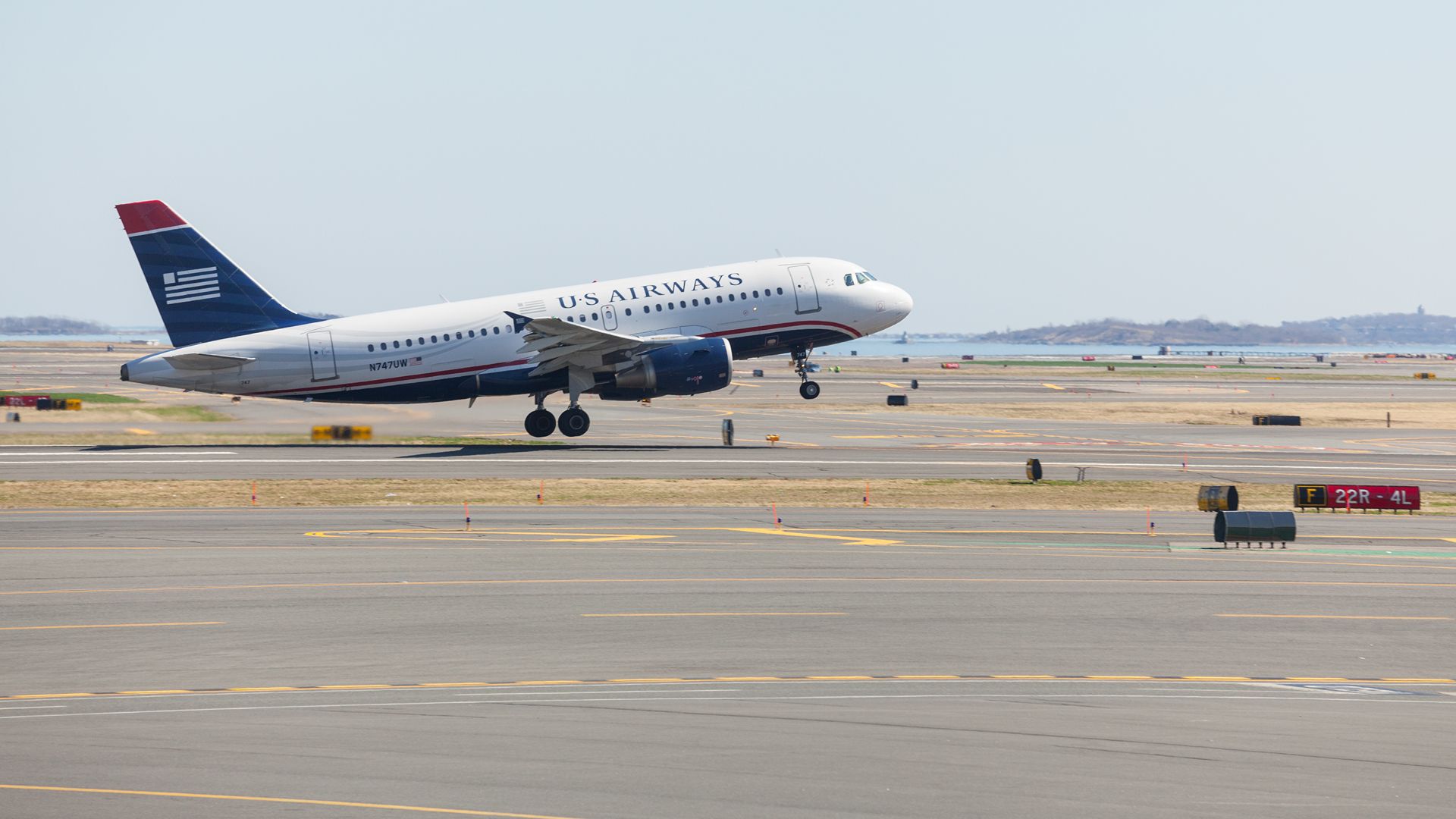
The US Department Of Transportation (DOT) has revoked the interstate air carrier operating certificates of four defunct US carriers – AirTran Airways, Continental Airlines, US Airways and Virgin America. The most recently active of these four was Virgin America, which ceased operations in 2018 after it was taken over by Alaska Airlines.
AirTran Airways and US Airways haven’t flown for over a decade, while the oldest carrier was Continental Airlines, which stopped flying in 2012 after its merger with United Airlines. Carriers typically have their operating certificates revoked within a year of ceasing operations, so it isn’t known why the DOT took so long to do so with these four carriers.
DOT Revokes Four Old Airline Certificates

As reported by FlightGlobal, the DOT’s order is dated September 3 and revokes the interstate certificate authorities of the four aforementioned airlines following the “cessation of operations by these former air carriers following past mergers and acquisitions.”
In its most recent document of certificated US airlines dated June 2025, the DOT listed AirTran Airways and US Airways as their own entities, while Continental Airlines and Virgin America were filed together with their owning airlines, United and Alaska, respectively.
|
Airline |
Ceased Operations |
Fate |
|---|---|---|
|
AirTran Airways |
December 28, 2014 |
Merged into Southwest Airlines |
|
Continental Airlines |
March 3, 2012 |
Merged into United Airlines |
|
US Airways |
October 17, 2015 |
Merged into American Airlines |
|
Virgin America |
April 24, 2018 |
Merged into Alaska Airlines |
The move is purely a formality at this stage, as three of these four airlines haven’t operated in over a decade, while Virgin America completed its final flight in April 2018 before it was subsumed by Alaska.
A Trip Down Memory Lane

This long-overdue move by the DOT brings back fond memories of carriers that formerly graced the skies of the US and beyond. The oldest of these four airlines was Continental Airlines, which had flown for almost 80 years since its establishment in 1934. Continental came into its own in the 1980s after the Airline Deregulation Act, propelling it to become one of the country’s major carriers before a merger with United was completed by 2012.
US Airways was part of the biggest merger in aviation history when it joined with American Airlines in 2013 in a deal valued at over $11 billion, helping American to overtake its rival United as the world’s biggest carrier. US Airways had a history stretching back before World War II, although it had only flown under the US Airways name since 1997. At the time of its merger with American, the airline had a fleet of almost 350 aircraft and served nearly 200 destinations, with the carrier completing its final flight in October 2015.
Low-cost carrier AirTran lasted less than 20 years before it was taken over by LCC rival Southwest Airlines in 2011. It still flew under its own branding for a few more years, finally ceasing operations in late 2014. During its final years, it had an all-Boeing fleet of Boeing 717 and Boeing 737 narrowbodies, but was previously an operator of McDonnell Douglas DC-9 and a handful of Airbus A320-200s.
As for Virgin America, the company was formed in 2004 as the US branch for Richard Branson’s Virgin Group and aimed to deliver a more premium air travel experience. With its A320-family fleet, the carrier targeted lucrative transcontinental and West Coast routes and saw a degree of success before Alaska Airlines came swooping in by 2016.
What Are Interstate Air Carrier Certificates?

The DOT’s interstate air carrier certificates give airlines the authority to operate scheduled or chartered flights between US state lines, whether passenger or cargo operations. It primarily focuses on an airline’s economic and regulatory compliance, such as financial reliability, leadership fitness and insurance coverage.
This certification is not to be confused with the Federal Aviation Administration’s (FAA) Part 121 Air Carrier Certificate, which emphasizes operational and safety compliance. The FAA’s program looks at factors like training standards, aircraft airworthiness and maintenance standards.

.jpg)