



On the occasion of the MCAS Yuma airshow 2026, we had the opportunity to interview the Chief Operational Test Director and Chief Test Pilot of Marine Operational Test & Evaluation Squadron (VMX) 1.
After speaking last year with the Commanding Officer of VMX-1, Colonel John “Ike” Dirk, we realized that understanding the squadron’s mission goes beyond what’s written in its charter; it’s about seeing how those goals are actually put into practice. VMX-1’s true impact is driven by its leadership and the dedicated test pilots and Marines who turn new technologies into proven mission success for the warfighter.
The 2026 MCAS Yuma Air Show, marking the 60th anniversary of the event, once again provided a celebration of Marine aviation. This year’s show also featured an unexpected addition, as the United States Navy Blue Angels performed at Yuma following the cancellation of the El Centro Air Show. This marked their first appearance at MCAS Yuma in nearly 40 years. Air shows illustrate capabilities to the public, however, the real work happens in the rigorous testing and integration required to bring that power to the fleet.
Against that backdrop, Marine aviation is moving toward a more integrated future. It’s an environment where platforms have to work together across every domain, and where staying ahead isn’t just about buying new hardware; it’s about perfecting the tactics and data sharing that make the equipment effective. VMX-1 sits right at the center of that evolution.
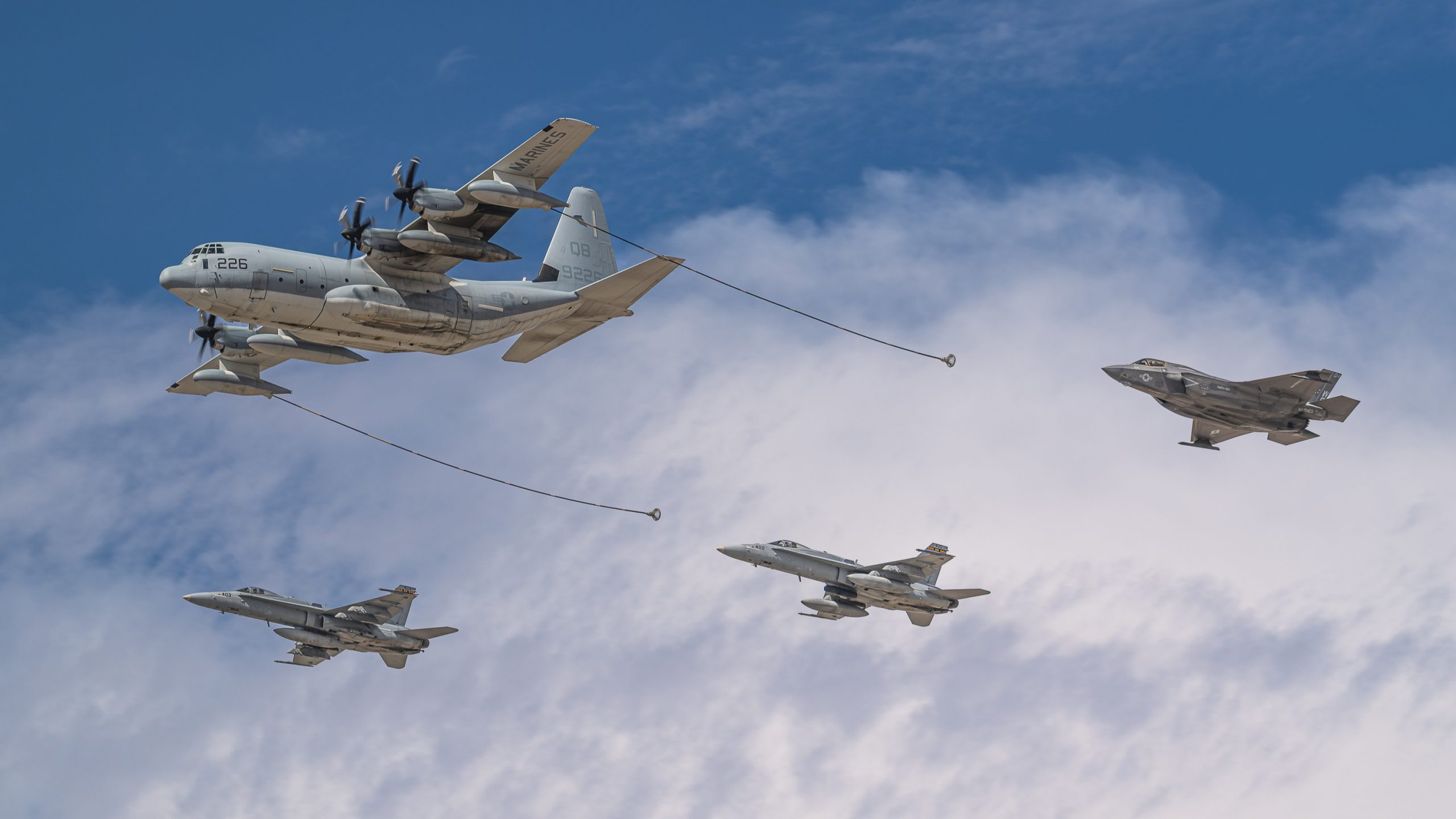
This year, rather than focusing on the command perspective, we turn to one of the squadron’s key operational leaders, Major Alec “Cosmo” Rackish, Chief Operational Test Director and Chief Test Pilot at VMX-1. As a graduate of the U.S. Air Force Test Pilot School and a former member of VX-31, the Dust Devils at Naval Air Weapons Station China Lake. Major Rackish brings both fleet and developmental test experience to Marine Corps operational evaluation.
Last year, we focused on the squadron’s structure and modernization roadmap. This time, we’re looking at the operational side: how a ‘test culture’ actually drives decision-making and how lessons from the AV-8B Harrier still inform our work today. Ultimately, it’s about how VMX-1 ensures new technology isn’t just advanced; it has to be tactically ready for the Fleet Marine Forces.
During the 2026 MCAS Yuma Air Show, we spoke with Major Rackish about his background, his role within VMX-1, and the challenges of operational testing in an era defined by integration, expeditionary operations, and rapid capability development.
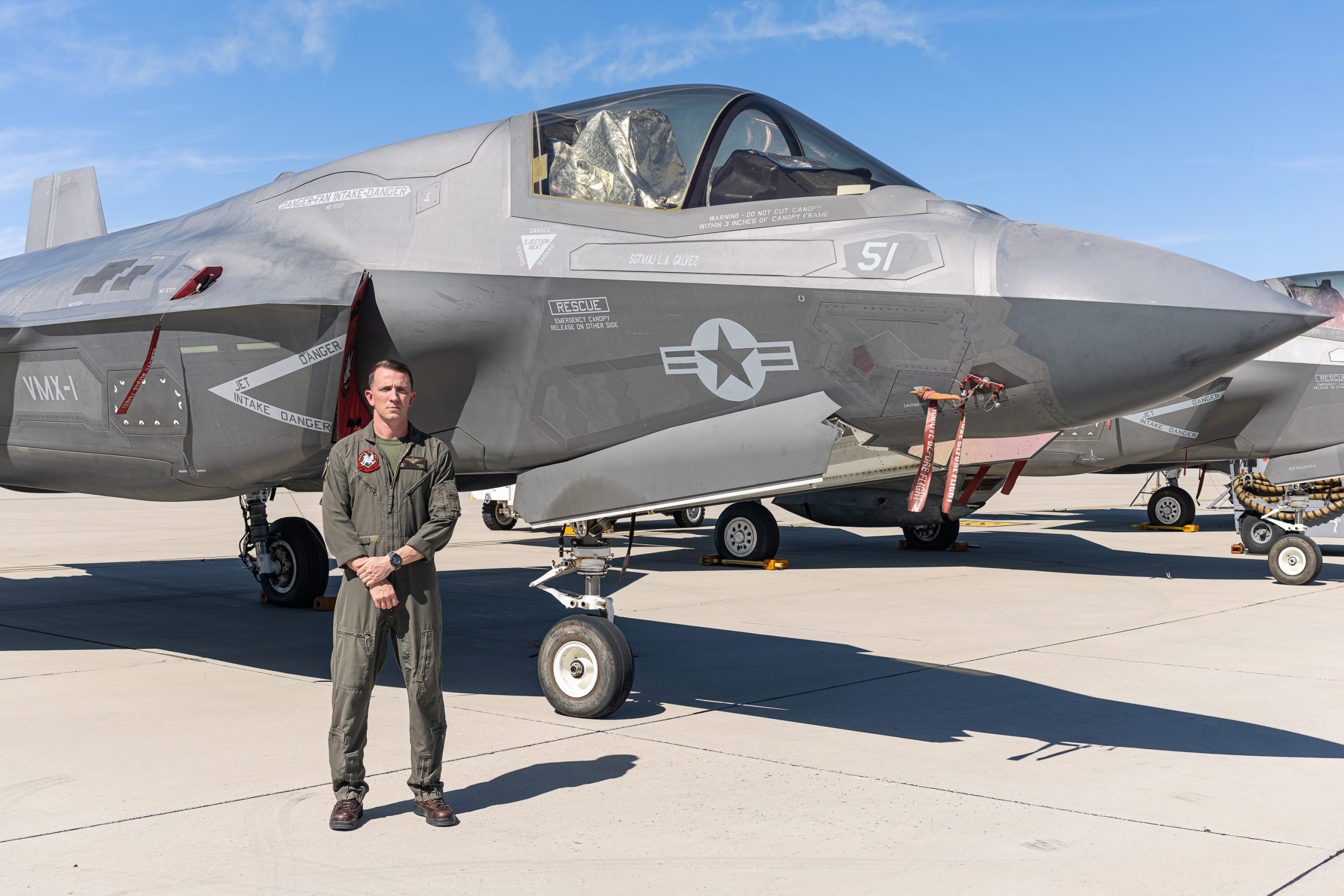
Interview with Major Alec Rackish
Background & VMX-1
Question: For starters, can we learn a little bit about your background? Where are your from, where did you go to school, and what made you choose a career as a U.S. Marine Pilot?
Answer: I grew up in Williamsport, PA. I attended the University of Notre Dame where I received a B.S in Aerospace Engineering. While studying at Notre Dame, I had friends in the Naval ROTC program who sparked my initial interest in military aviation and led to me accepting a summer position as an Electronics Warfare test engineer at Edwards Air Force Base.
While at Edwards AFB I realized that I couldn’t pass on the opportunity to fly military aircraft. After returning to Notre Dame from Edwards AFB, I began reaching out to the ROTC departments and eventually was put in contact with a Marine Corps Officer Recruiting Station.
For readers who may not be familiar with VMX-1, how would you describe the squadron’s mission and its role within Marine Corps aviation, particularly from an operational test perspective?
VMX-1 is the Marine Corps’ Operational Test and Evaluation squadron, conducting Operational Test of Marine aviation systems and related capabilities to inform acquisition and fielding decisions. The goal of VMX-1 is to characterize these systems for the warfighter prior to implementation, allowing the final users, the fleet, to be as lethal and effective as possible.
In addition to conducting Operational Test, VMX-1 is charged with performing tactics development, Science and Technology experimentation work, and tactical demonstrations.
With that mission as context, you currently serve as the Chief Operational Test Director and Chief Test Pilot at VMX-1. What responsibilities fall under those roles, and how do you personally contribute to shaping operational test outcomes?
As the Chief Operational Test Director, my role is to serve as the Commanding Officer’s primary advisor as it pertains to all Test and Evaluation performed by the squadron, while serving in a mentorship and guidance role to the squadron’s test project Department Heads and individual Operational Test Directors. I’m responsible for ensuring that the squadron’s test programs are safely and efficiently conducting test planning, execution, and reporting within schedule and budget.
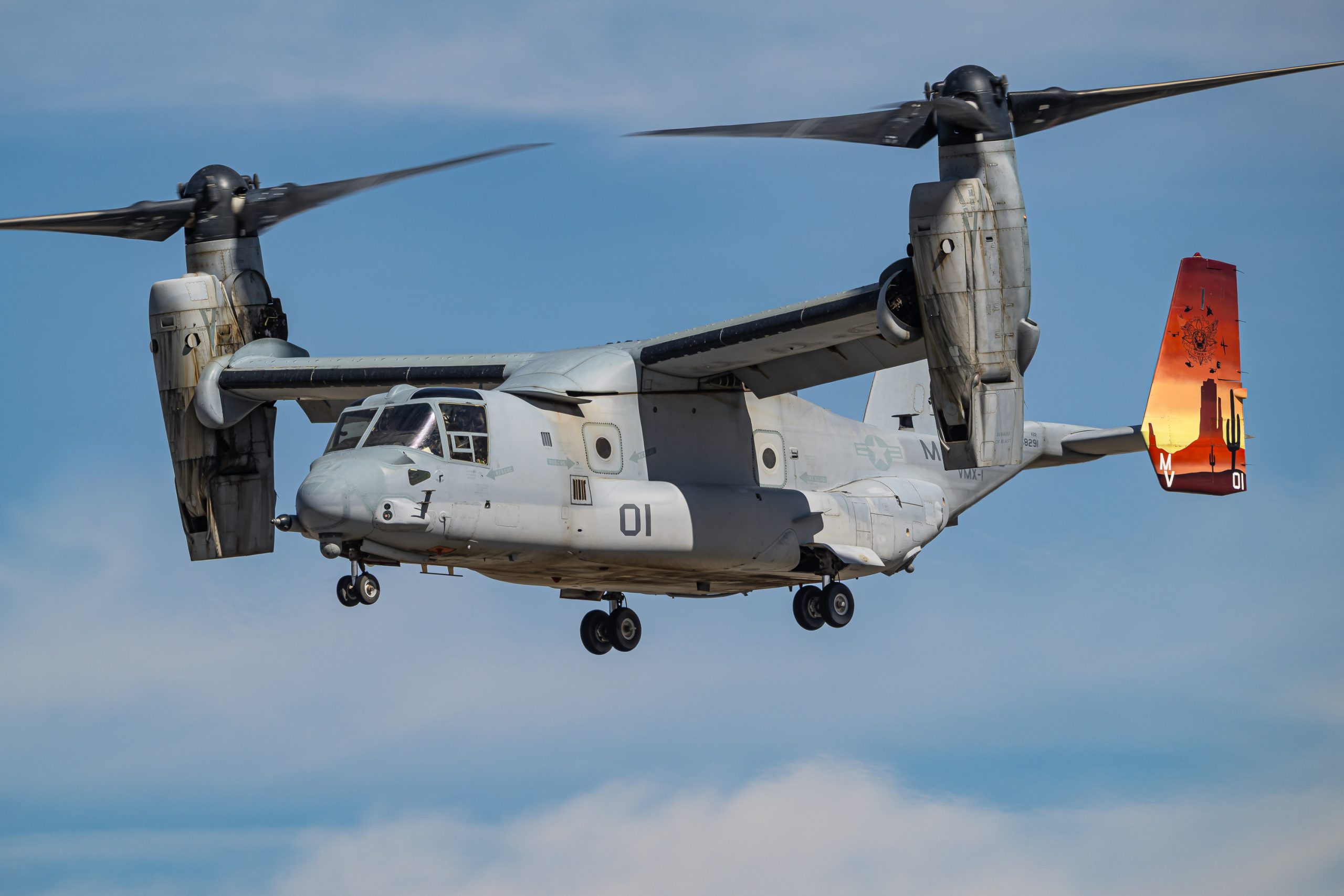
VMX-1 has six different types of aircraft (F-35B, MV-22, CH-53K, AH-1Z, UH-1Y, and MQ-9A) along with a C4I department, a Fires division, and a Science and Technology Department, which requires balancing squadron resources, personnel, and the schedule of individual departments.
The Chief Operational Test Director role and Chief Test Pilot role have a lot of overlap. The training I received as a graduate of the U.S. Air Force Test Pilot School is really what informs the role of Chief Test Pilot. By contributing as necessary to ensure there are certain test fundamentals present during the planning process and that appropriate risks are identified and mitigated through Threat Hazard Analysis in order to ensure safe test execution.
You’re stepping into VMX-1 at a time when Marine aviation is deeply integrated across platforms and domains. From your personal perspective, what initially stood out to you about this assignment when you were selected for the job?
The majority of Marine Corps test pilots follow a fairly distinct path: attend Test Pilot School with a follow-on assignment as a developmental test pilot in your specific aircraft (or a small number of similar platforms), which is generally what I did. VMX-1 provided a unique opportunity to continue to develop as a test pilot and expand my test experience. Testing across multiple platforms and within the integrated nature of Marine Corps aviation and aviation support, which is the crux of VMX-1’s mission, provided an intriguing challenge that drew me towards pursuing a role at VMX-1.
VX-31 & Test Culture
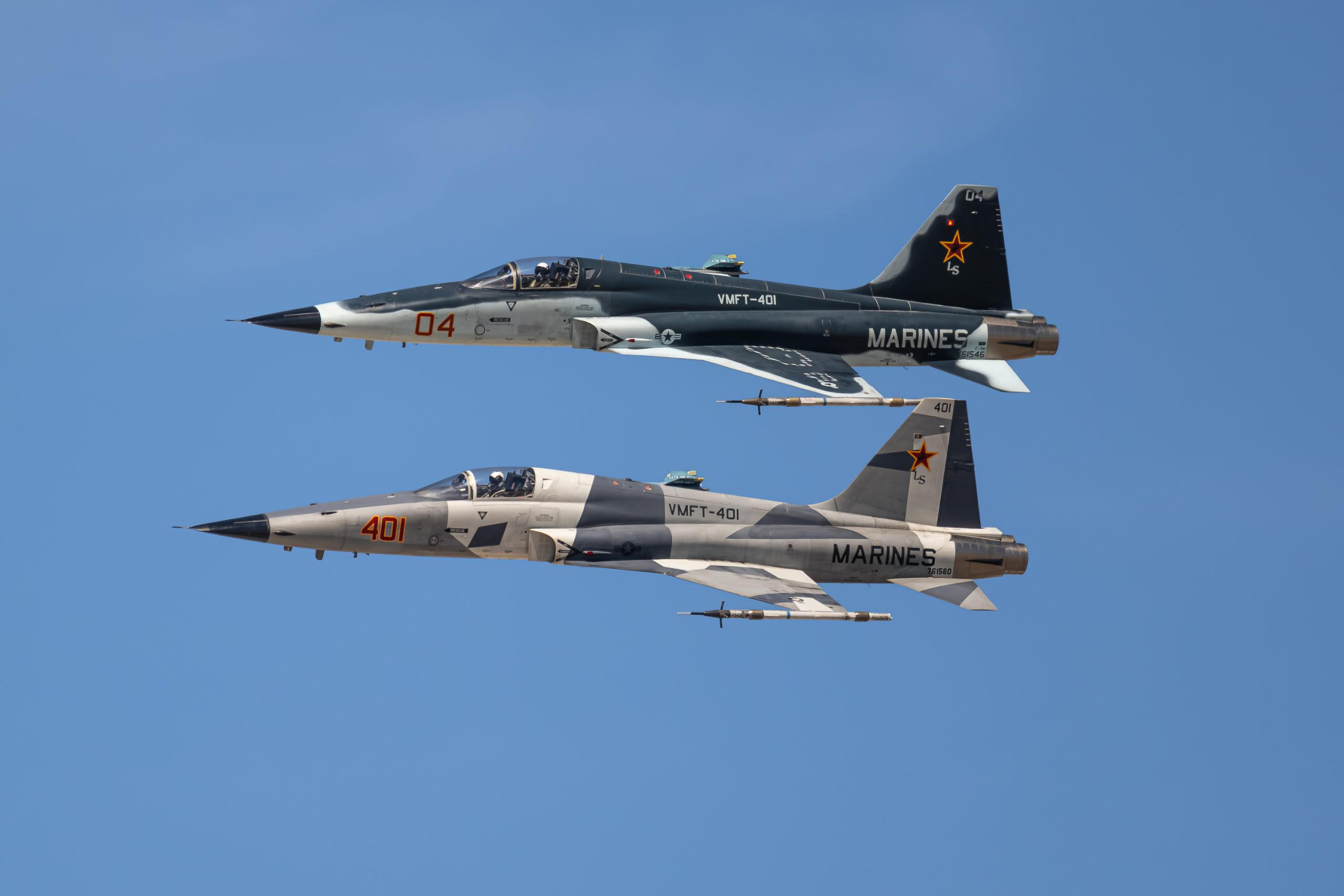
After your graduation from US Air Force Test Pilot School, you reported into VX-31 at Naval Air Weapons Station China Lake, CA. VX-31, the Dust Devils, has a long reputation for high-tempo, high-complexity operational testing. What aspects of VX-31’s test culture most shaped how you approach risk, data, and decision-making today?
I was incredibly fortunate to be surrounded by great leaders and peers during my time at VX-31 who had a wealth of knowledge and experience. The professionalism of that organization in its approach to test planning, whether it was for weapons testing, software updates, or Large Force Test Exercises like Gray Flag, ensured that you identified and analyzed the associated risks and data collection requirements for the specific test you were going to execute.
That analysis during planning simplified the decision-making process during test execution because there was almost certainly a plan in place for any scenario that could arise and a team willing to provide thoughtful inputs on the rare occurrence when something unexpected happened.
VX-31 pilots often operate at the intersection of engineering intent and fleet reality. Can you describe a moment during your time there when operational feedback fundamentally changed how a system or tactic was evaluated?
During my time at VX-31, the AV-8B was approaching its sundown within the USMC. Due to the limited remaining life of the AV-8B, our ability to add and improve capabilities for the Harrier was limited. This meant that every decision we made regarding capabilities for the fleet were based on operational feedback.
AV-8B Developmental Test (VX-31) and Operational Test (VX-9) worked hand-in-hand through the test process to provide early operational looks at capabilities during the first stages of the design process so that it could be adapted and developed to best meet the fleets need. Specifically, the fleets inputs drove capability advancements in JSOW integration for the AV-8B and the ability to use Advanced Precision Kill Weapon System (APKWS) rockets in the AV-8B, air-to-air mode.
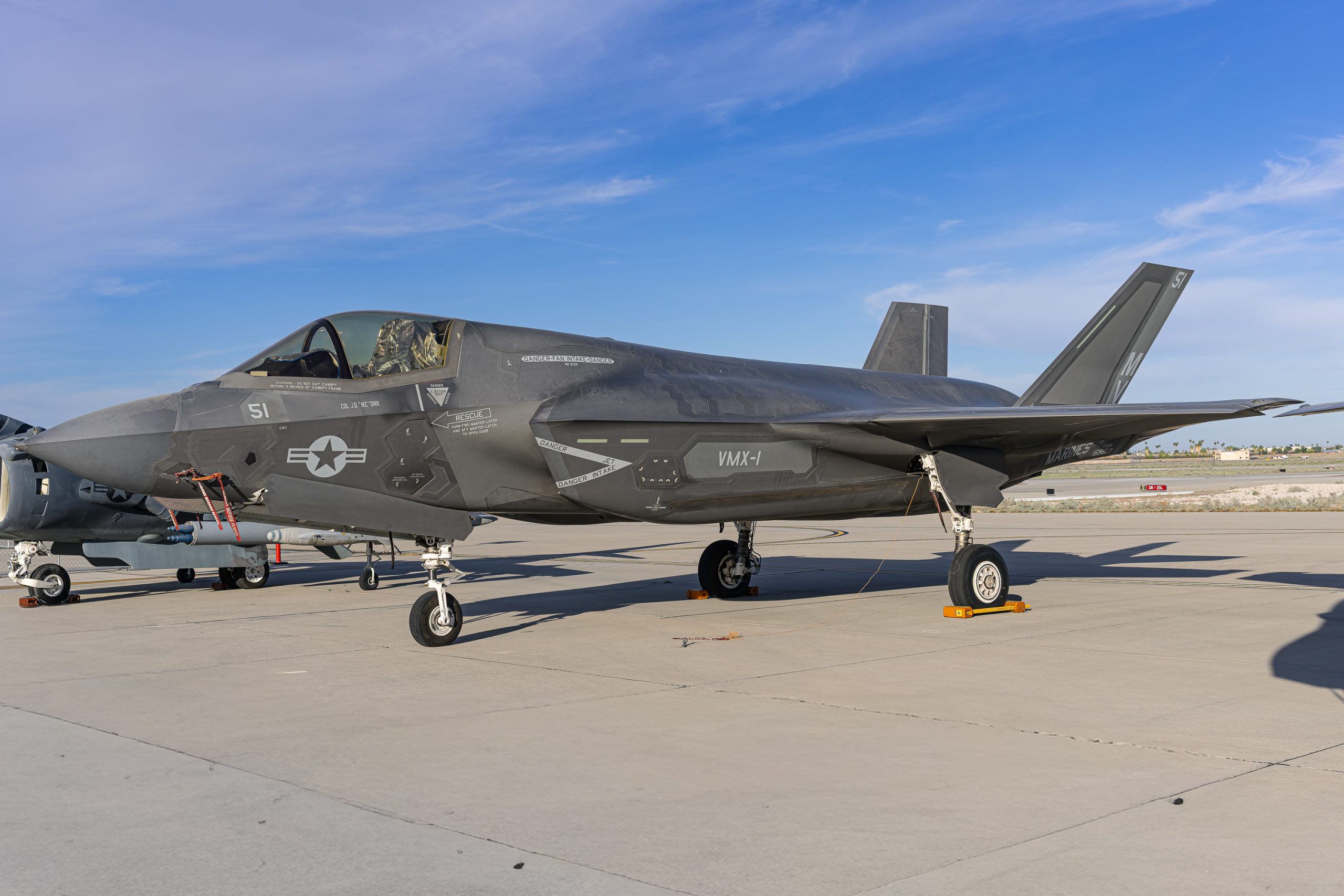
How did working alongside engineers, maintainers, and analysts at VX-31 influence how you communicate test results now?
The engineers, maintainers, and analysts are all an important part of the test team, so ensuring that they understand the test objectives and results is important to the success of the program. It’s critical that pilots collaborate with them early in development all the way through to the final product because they are the ones with the ability to turn pilot comments and inputs into a finished product.
Harrier & Expeditionary Thinking
While at VX-31, you served as the AV-8B Project Officer as well as the developmental test pilot for the final updates to the Harrier. Given those responsibilities, and the AV-8B’s demand for hands-on aircraft management and situational awareness, what lessons from Harrier operations have proven most transferable to modern test and evaluation work?
While the Harrier is a legacy platform, the test preparation and teamwork required to execute a test program safely and effectively is definitely transferable and important in modern test and evaluation work. More specifically in relation to modern test aircraft, the amount of information and situational awareness provided directly to the pilot by systems and sensors aboard aircraft such as the F-35 and F/A-18 is immense.
As I think back on my early Harrier days, flying Night Attack Harriers that didn’t include radars and, prior to the addition of Link-16 to the Harrier, a pilot’s overall situational awareness was gained by listening on the radio and building a mental picture of the airspace around you. As I’ve stepped from the Harrier to the F/A-18 and now to the F-35, the means available to receive and maintain situational awareness has greatly increased, but the building block approach of identifying the important information that is provided and prioritizing that remains the same.
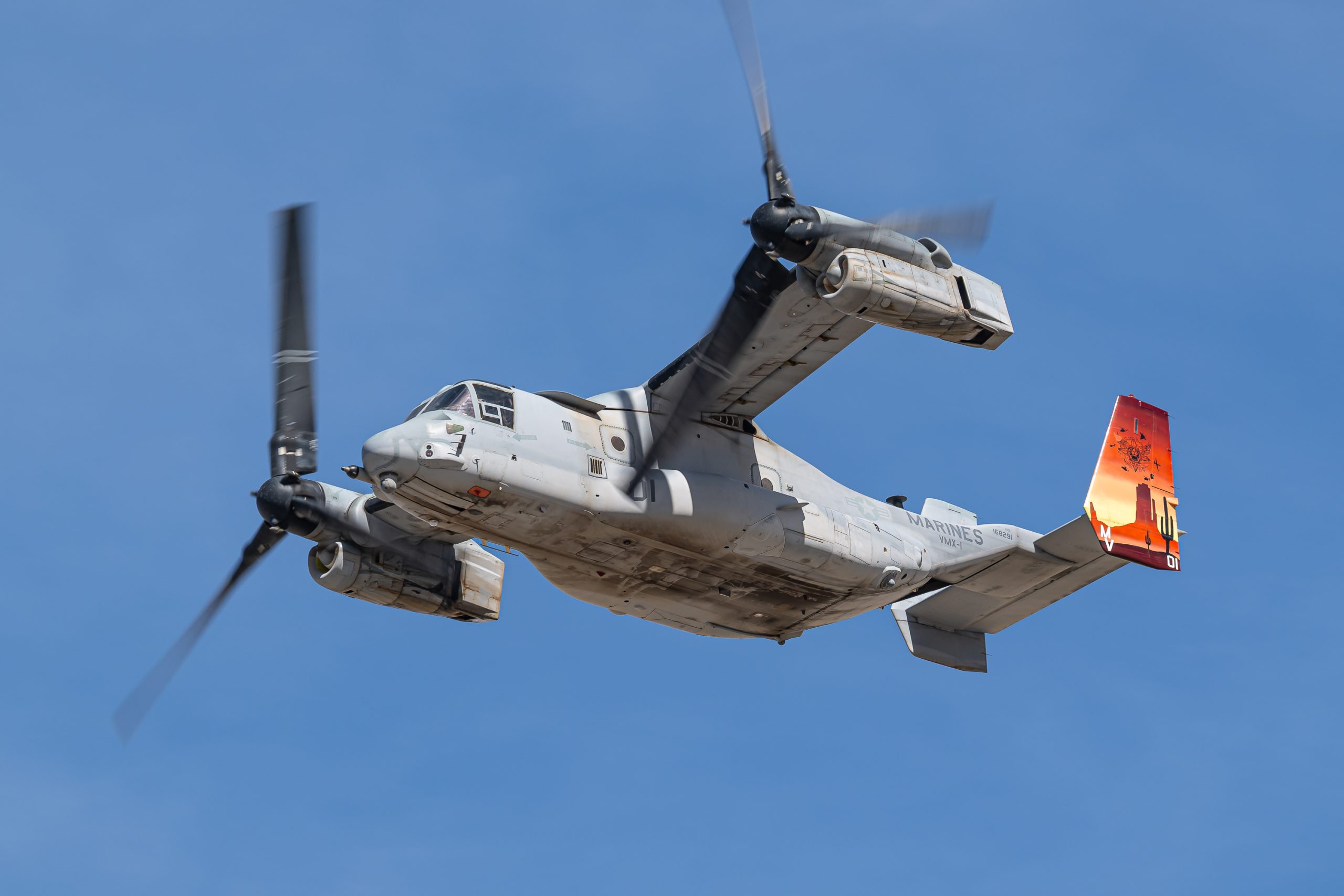
Harrier pilots often describe the jet as brutally honest; it gives you exactly what you ask for. How did that shape your approach to discipline, preparation, and aircraft limitations?
That’s a good explanation of the Harrier but can be applicable in many ways to every aircraft when you first begin to fly it. Prior to a pilot building up experience in an aircraft, the only way to understand what the aircraft is trying to tell you is through study and preparation leading to an understanding of the aircraft capabilities and limitations. This disciplined understanding of the aircraft will serve as the foundation for the pilot to build from and fall back on.
From a test pilot’s standpoint, how did the Harrier’s STOVL environment sharpen your appreciation for environmental variables, shipboard constraints, and expeditionary operations?
The expeditionary nature of the Harrier and the diverse environments it operates in provided useful insight into the factors that contribute to aircraft performance. As a test pilot it’s important to understand the intended mission of the aircraft you are testing in order to develop a strategy that methodically evaluates the entire flight envelope that aircraft can encounter. The expeditionary nature of the Marine Corps means that every platform needs to operate safely across a wide set of environments and be thoroughly tested to meet the mission.
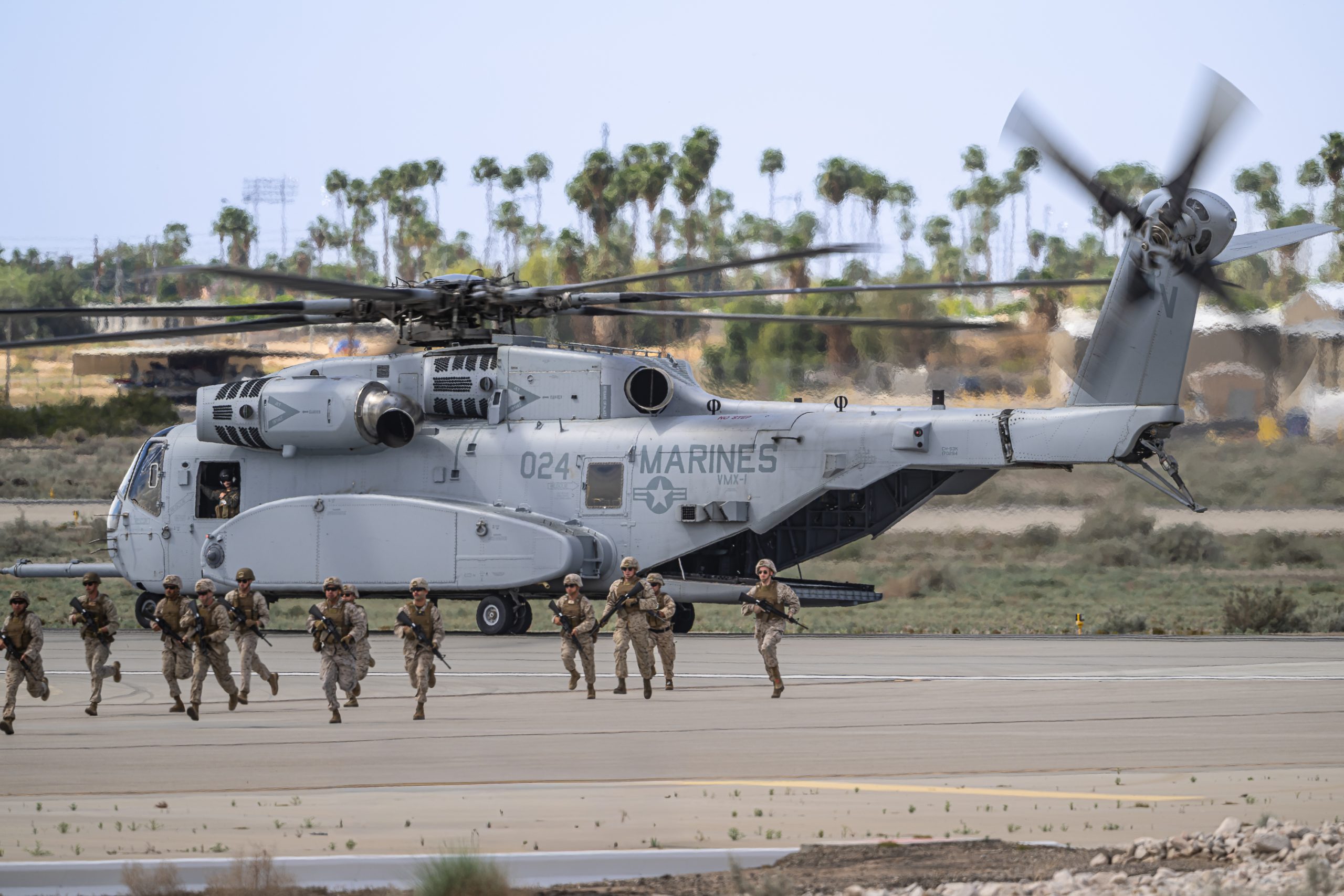
Looking back, do you think your Harrier experience creates a distinct mindset compared to pilots who grew up entirely in more automated aircraft?
The challenges of flying a legacy platform like the Harrier are definitely different when compared to the challenges that pilots face in the more automated aircraft that are prevalent today, but I’d hesitate to say that it creates a unique or different mindset between pilots. While the lack of automation in the Harrier meant its operation was more manual in nature, safe flight execution still came down to understanding the current state of flight of the aircraft and what pilot interaction was required.
This statement still holds true for modern automated aircraft. Interpreting aircraft automation is still required and critical to understanding the aircraft’s state of flight and what pilot inputs to the automation are required.
VMX-1 Role & Integration
Now moving to your current role at VMX-1, how does serving as Chief Operational Test Director and Chief Test Pilot differ from your previous test assignments in terms of responsibility and decision authority?
My previous test assignment was very focused on developmental test of the AV-8B, which led to a detailed understanding of all aspects of the Harrier’s test program and being hands-on during the entire process. As stated earlier, my current roles require a much more over-arching view of all of VMX-1’s programs in more of a managerial role, ensuring that the squadron’s operational test directors have what they need to succeed.
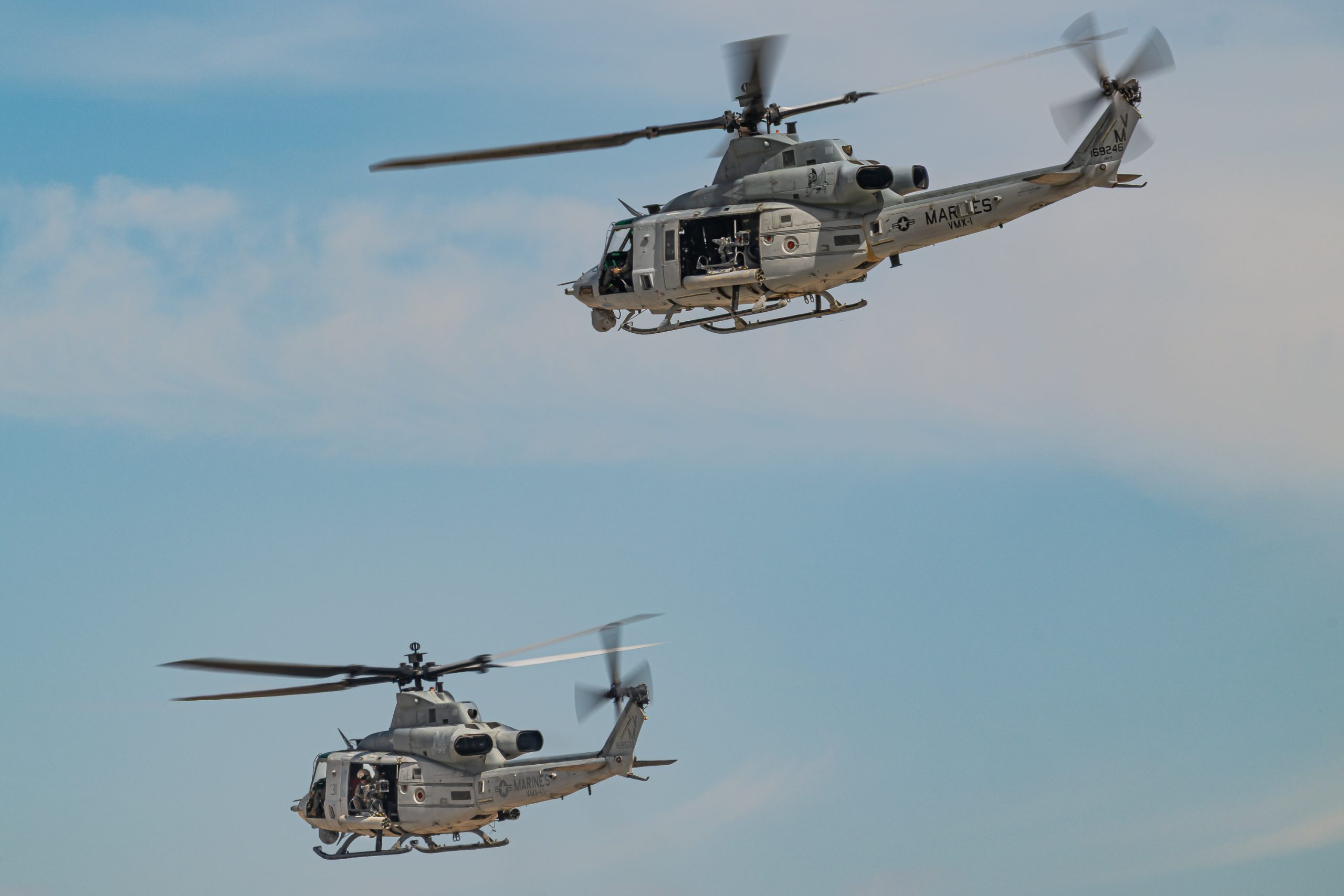
VMX-1 evaluates platforms that are already operationally relevant, not theoretical. Therefore, how do you balance fleet urgency with the need for disciplined, data-driven testing?
VMX-1’s ability to test systems in an operationally relevant environment should be viewed as a valuable opportunity to characterize that system and inform fleet users on the most lethal and effective way to utilize the systems. While there is always a desire to get systems in the hands of fleet users as quickly as possible, it’s the role of operational test to ensure that when the fleet receives those systems, they are prepared to use them to their maximum effectiveness.
VMX-1 provides these insights on the systems under test through numerous means, but regardless of the method, the focus should always be through the conduct of impartial, disciplined, and data-driven testing.
Without getting into classified details, what types of operational test efforts or capability areas is VMX-1 currently focused on, and why are those areas important to today’s fleet?
As you’ve alluded to and has been discussed in some of the previous questions, VMX-1 conducts test of the Marine Air Ground Task Force (MAGTF) as a whole through the lens of six different types of aircraft, a Command and Control department, a Fires Division, and a Science and Technology department.
Much of our testing focuses on the interoperability of these different assets within the MAGTF in order to ensure there are open lines of communication that facilitate command and control and the ability to target between aircraft. This is accomplished by evaluating systems that communicate through numerous different waveforms and datalinks.
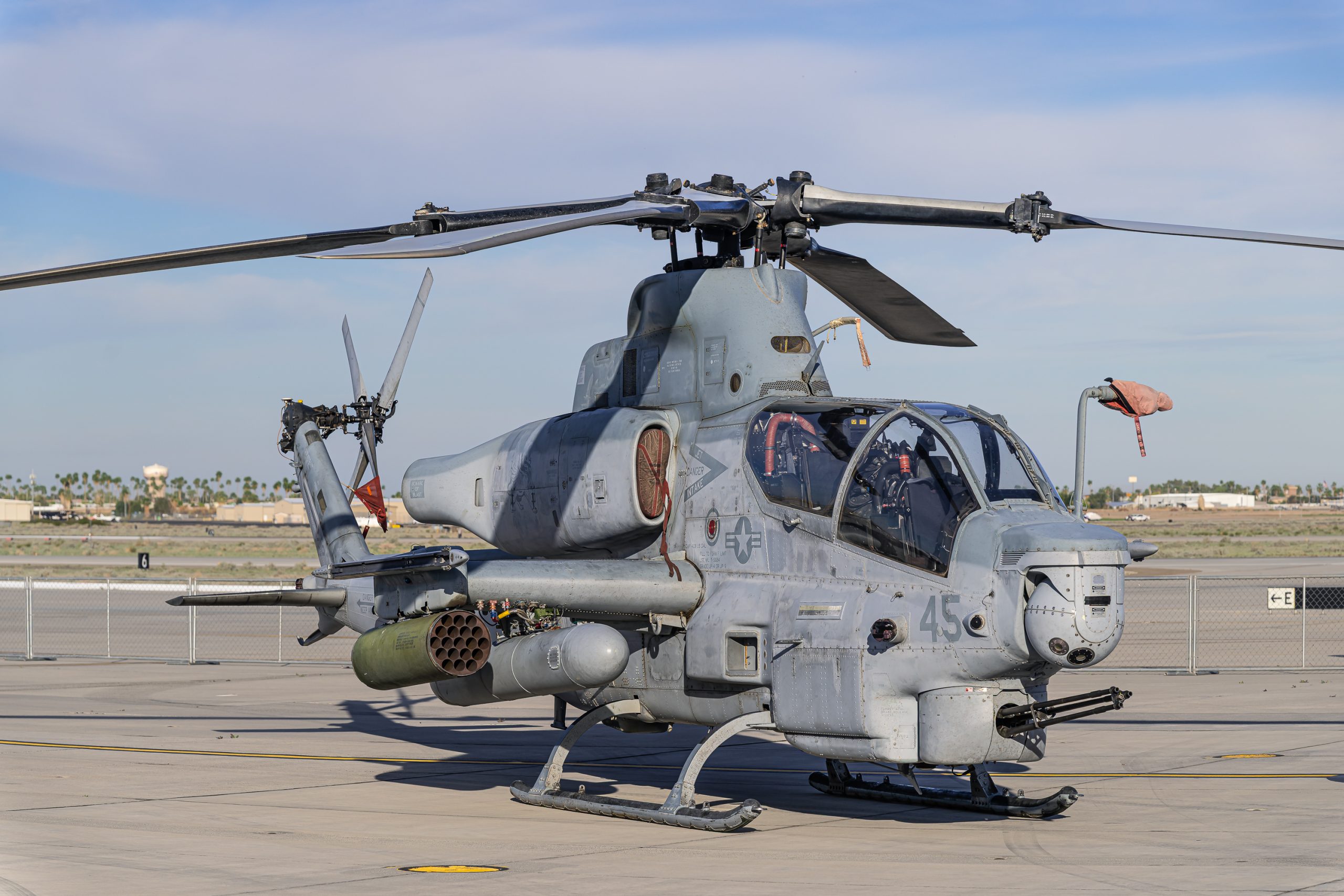
How does feedback from deployed or recently returned units influence what VMX-1 chooses to test next?
The testing that VMX-1 conducts comes through numerous avenues. Whether it be formal Operational Test as directed by OPTEVFOR or a technology demonstration, VMX-1 is receptive to the inputs of numerous external entities as it pertains to testing. Deployed or recently returned units often have the most current and relevant view of the systems that they are using. These units’ inputs are valuable to VMX-1 in determining what systems to advocate for, to USMC senior leadership, or how to evaluate current systems under test.
VMX-1 routinely evaluates systems that must function jointly with Navy, Air Force, and coalition partners. From your background, what challenges consistently emerge when moving from single-platform testing to integrated operations?
Evaluating a single platform, or an individual system under test, as opposed to testing the integrated operations of numerous platforms, otherwise known as a system of systems, creates numerous challenges and can drastically increase testing complexity. There are the physical and logistical challenges of testing numerous platforms that operate out of different locations with different established support structures. There are planning challenges that arise for test units that have competing priorities and availability who need to communicate with each other during the planning process.
Finally, there are the technical challenges associated with all the individual systems that compound as they are integrated with each other. All these challenges highlight the need to conduct early planning with maximum participation of all required platforms and units in order to mitigate the risks to testing and increase the likelihood of test success.
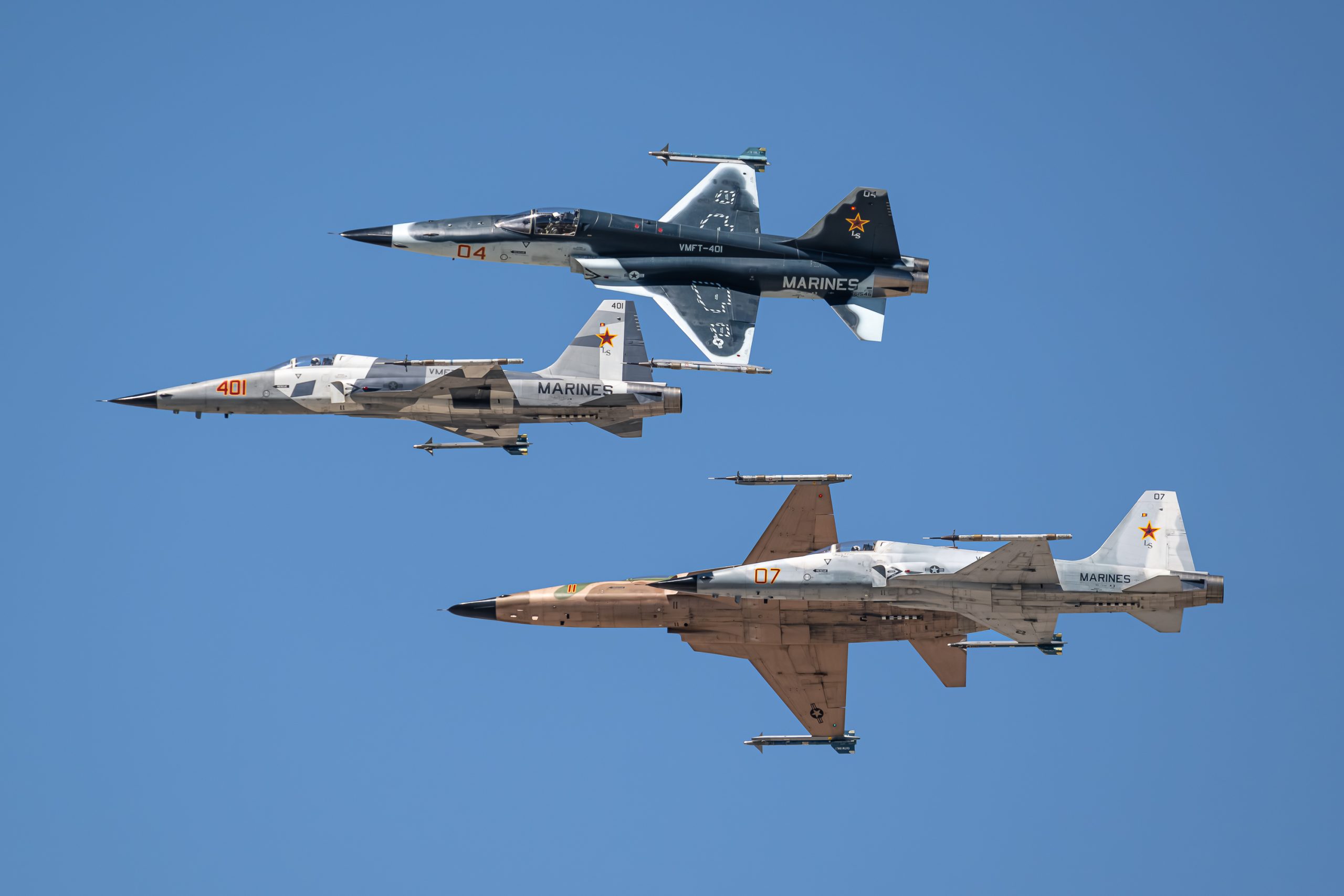
How important is it that test pilots today understand networked warfare, sensor fusion, and data sharing, not just aircraft performance?
Critically important. These concepts are inherent in almost all systems we use today and are the focus of mission system testing. While aircraft performance is critical during initial aircraft development and testing, the systems aboard that aircraft or platform are what make the system lethal and relevant. At VMX-1 right now, every type of aircraft in the VMX-1 inventory is in the process of testing systems where the objective is to seamlessly share data via numerous networks to increase situational awareness of the common operational picture.
Leadership & Forward View
You’re now in a position influencing how younger pilots think about test flying. What traits do you actively try to develop in the next generation of operational test aviators?
There are countless traits that could be discussed here and make effective pilots and operational test aviators, but I like to tell pilots that they simply need to be curious. You have to be interested in learning and have a desire to know and understand how systems operate in order to effectively develop a plan to test those systems.
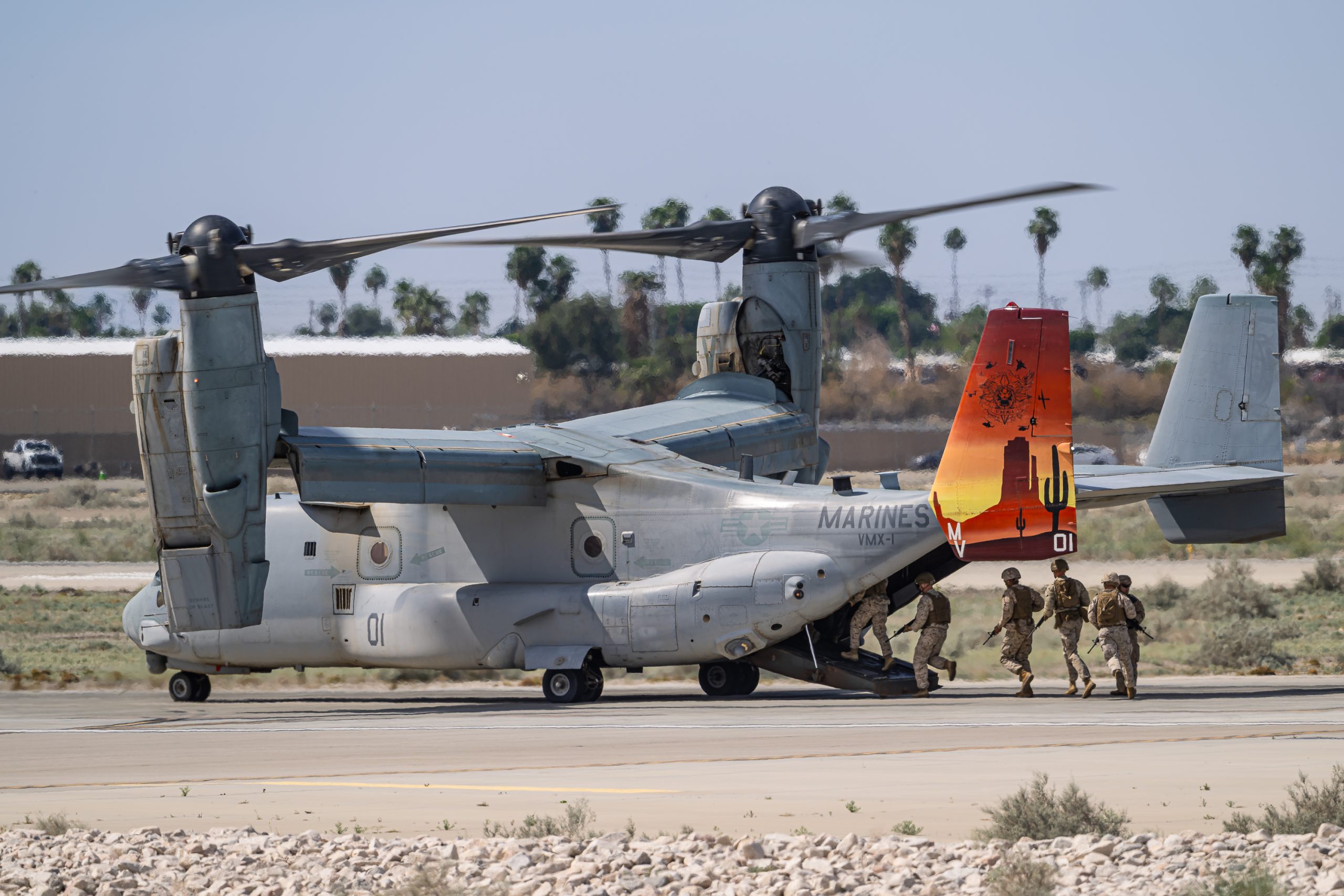
Looking ahead, what emerging operational challenges do you expect to drive VMX-1’s test priorities over the near term?
Our military’s focus on lethality and survivability in a potential peer conflict drives much of what VMX-1 tests. Ensuring that Marine Corps aviation is equipped with the systems necessary to succeed during conflict is the squadron’s primary focus.
Finally, when readers see VMX-1 at air shows or in exercises this season, what should they understand is happening behind the scenes that isn’t visible to the public?
What is on display at air shows and exercises encompasses only a small percentage of the capabilities that VMX-1 is continuously working on. What is not seen by the public is the days, weeks, or months behind the scenes that go into planning those events, gathering test data, analyzing that data, and reporting results.
VMX-1 is full of smart and devoted Marines, civilians, and contractors who work tirelessly to conduct the testing that we’ve discussed in your previous questions and provide advanced capabilities to the Marine Corps. Without their commitment to test planning, execution, and reporting, none of what VMX-1 completes and provides would be possible.
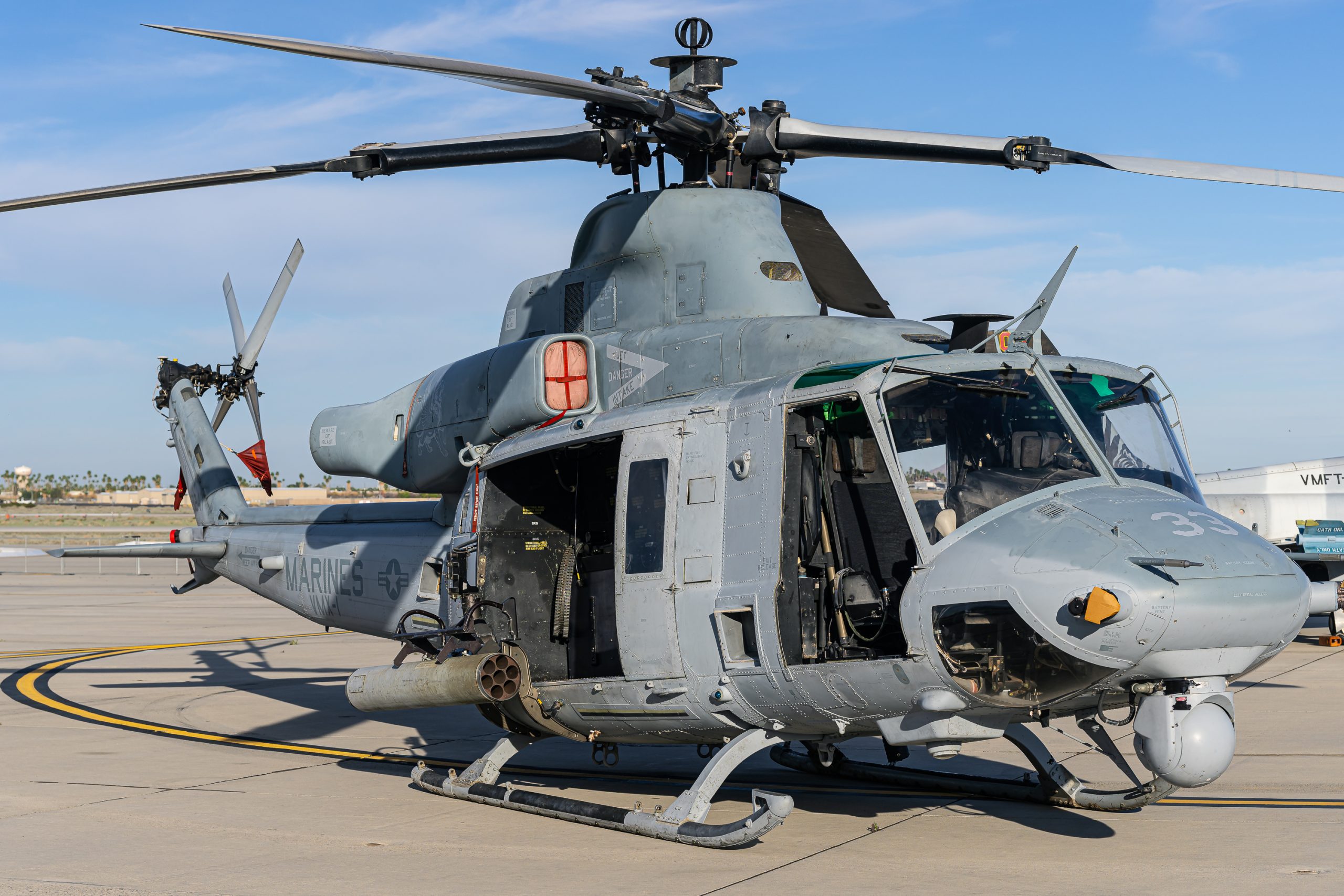
The Aviationist would like to send out thanks to Capt. Owen VanWyck, COMMSTRAT Director, MCAS Yuma.
In addition, a very special thanks to both Colonel John “Ike” Dirk, Commanding Officer, Marine Operational Test and Evaluation Squadron One, and Major Alec “Cosmo” Rackish, Chief Operational Test Director and Chief Test Pilot, Marine Operational Test and Evaluation Squadron One.
