



The latest Director, Operational Test & Evaluation report says no combat-capable F-35 TR-3 aircraft have been delivered to the U.S. military until September 2025 because of the truncated software.
The recently released 2025 Director, Operational Test & Evaluation (DOT&E) annual report brought another update to the long saga of the F-35’s Technology Refresh 3 (TR-3) hardware upgrade. TR-3 is the backbone upon which the new Block 4 is based, allowing the introduction of new advanced capabilities on the F-35 Lightning II.
A New Catch
As we previously reported, TR-3 had already caused many issues for the F-35 program, including a lengthy halt in deliveries. The halt, which lasted from July 2023 to July 2024, reportedly saw up to 110 aircraft placed in storage before the F-35 Joint Program Office (JPO) allowed deliveries to resume.
The backlog of the deliveries was cleared in May 2025, although we have now discovered a catch through the 2025 DOT&E report. These first TR-3-configured F-35s are, in fact, non-combat-capable.
“No combat-capable TR-3 aircraft have been delivered to the U.S. Services to date,” says the report. “As of the end of September 2025, 158 F-35s had been delivered in the TR-3 configuration and a total of 812 aircraft (any configuration) have been produced and delivered to the U.S. Services.”
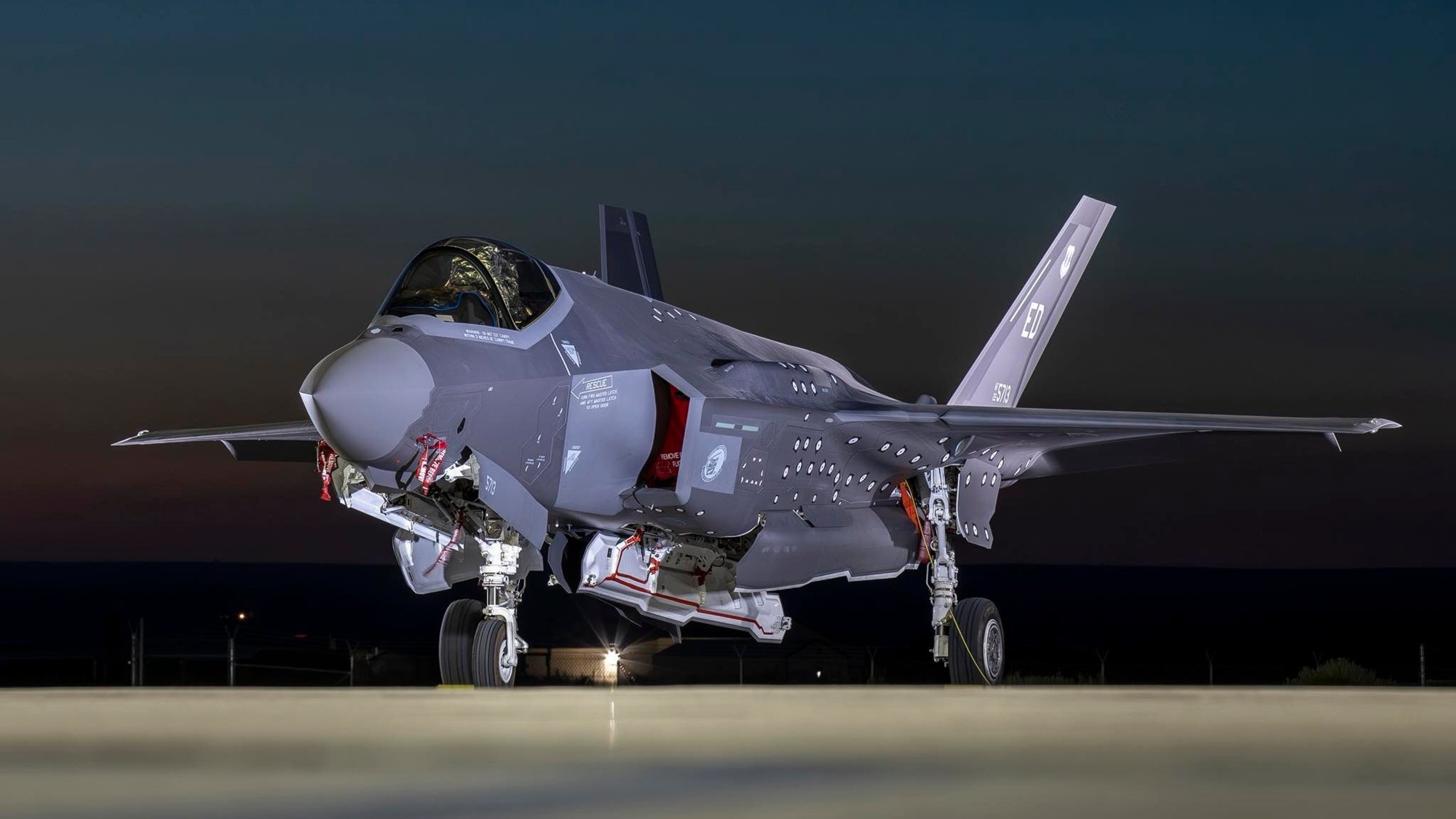
The cause of this new issue appears to be the truncated version of the software that was developed “by disabling some of the combat capabilities that had already been fielded on the TR-2 aircraft.” This was done “in an effort to stabilize the performance on the new TR-3 hardware” and allow the deliveries to resume.
This does not mean that the aircraft are unusable, but rather they have a limited set of capabilities which would restrict them to testing and training efforts. Specifically, the wording used in the report suggests that these aircraft feature the new capabilities introduced by TR-3 and most, but not all, of the capabilities of the TR-2.
This might have been done purportedly to allow personnel to begin training on the new variant without hampering combat readiness. Meanwhile, development and testing would continue to solve the remaining issues, with the missing capabilities gradually retrofitted in the TR-3 aircraft already delivered.
The full set of capabilities introduced by TR-3 has not been disclosed for obvious reasons. However, the DOT&E report explicitly mentions the new software upgrades currently being tested include “new Electromagnetic Warfare capability enabled by upgraded hardware on TR-3 aircraft starting in production lot 19.”
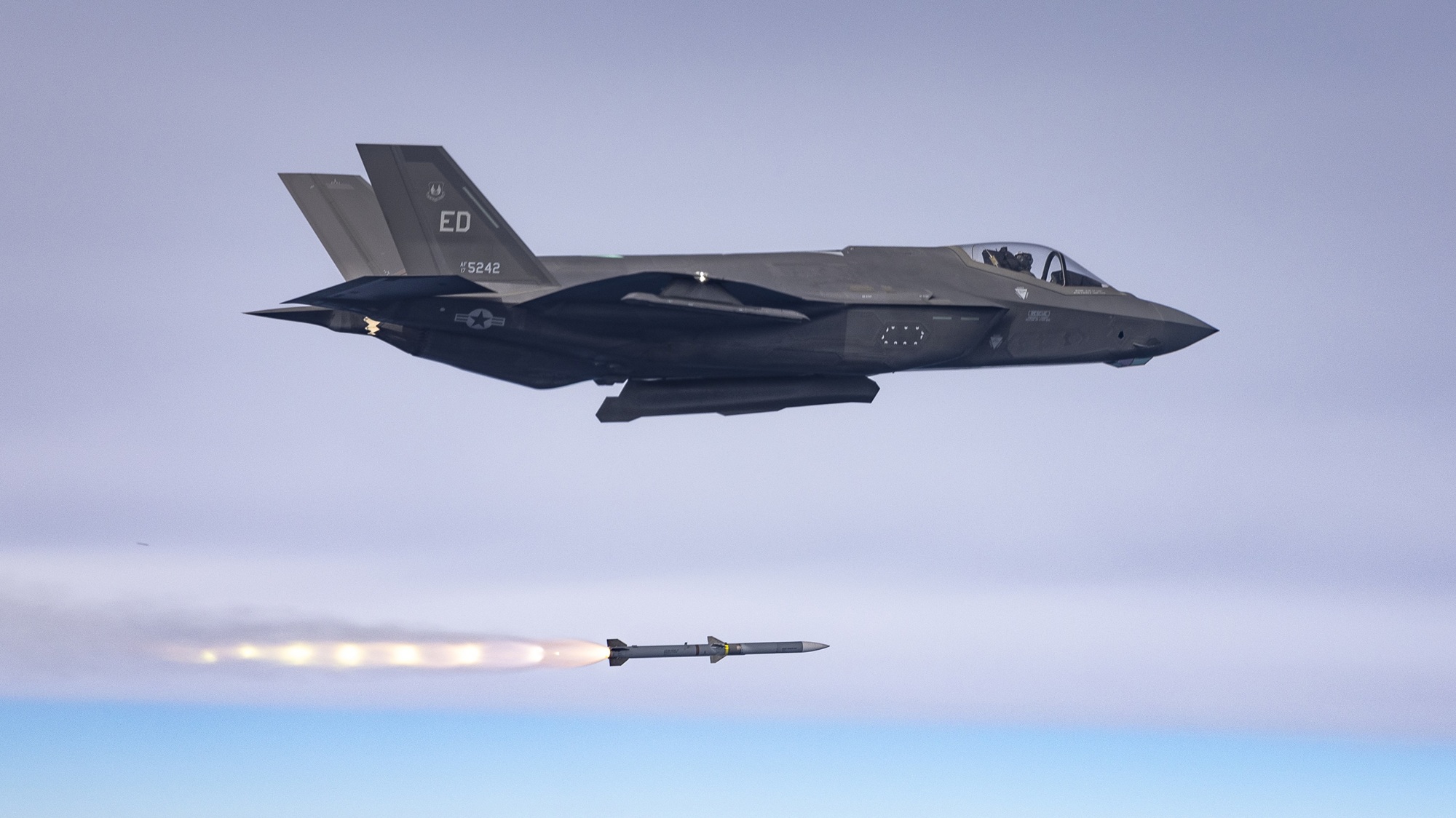
“The TR-3 avionics upgrade, which includes upgraded main mission computers (referred to as integrated core processors), aircraft memory system, and panoramic cockpit displays, is a key enabler for new Block 4 mission systems capabilities,” adds the report. “The TR-3 upgrade replaces the corresponding TR-2 components that are currently fielded in nearly the entire fleet of F-35 aircraft.”
What’s the Real Story Here?
While the DOT&E might sound alarming, it is important to note that the one we can access is the public version and thus we do not have many of the details which fully describe the situation. In fact, those are included in the classified report delivered to the Pentagon.
Without those details, an objective analysis can’t be done as it would easily become pure speculation. Additionally, as mentioned in the report, the information is not up to date, as figures are counted until the end of September 2025 and we do not have confirmation whether combat-capable TR-3 configured F-35s have been delivered after that date.
Playing down the TR-3-related problems as they are attributed to software is also not ideal, as the F-35 has long been said to run on over 8 million lines of code. Thus, considering that the F-35 is a software-defined weapon system, any modification to the software’s code must be engineered to be sure it does not interfere with other lines, something that’s easier said than done.
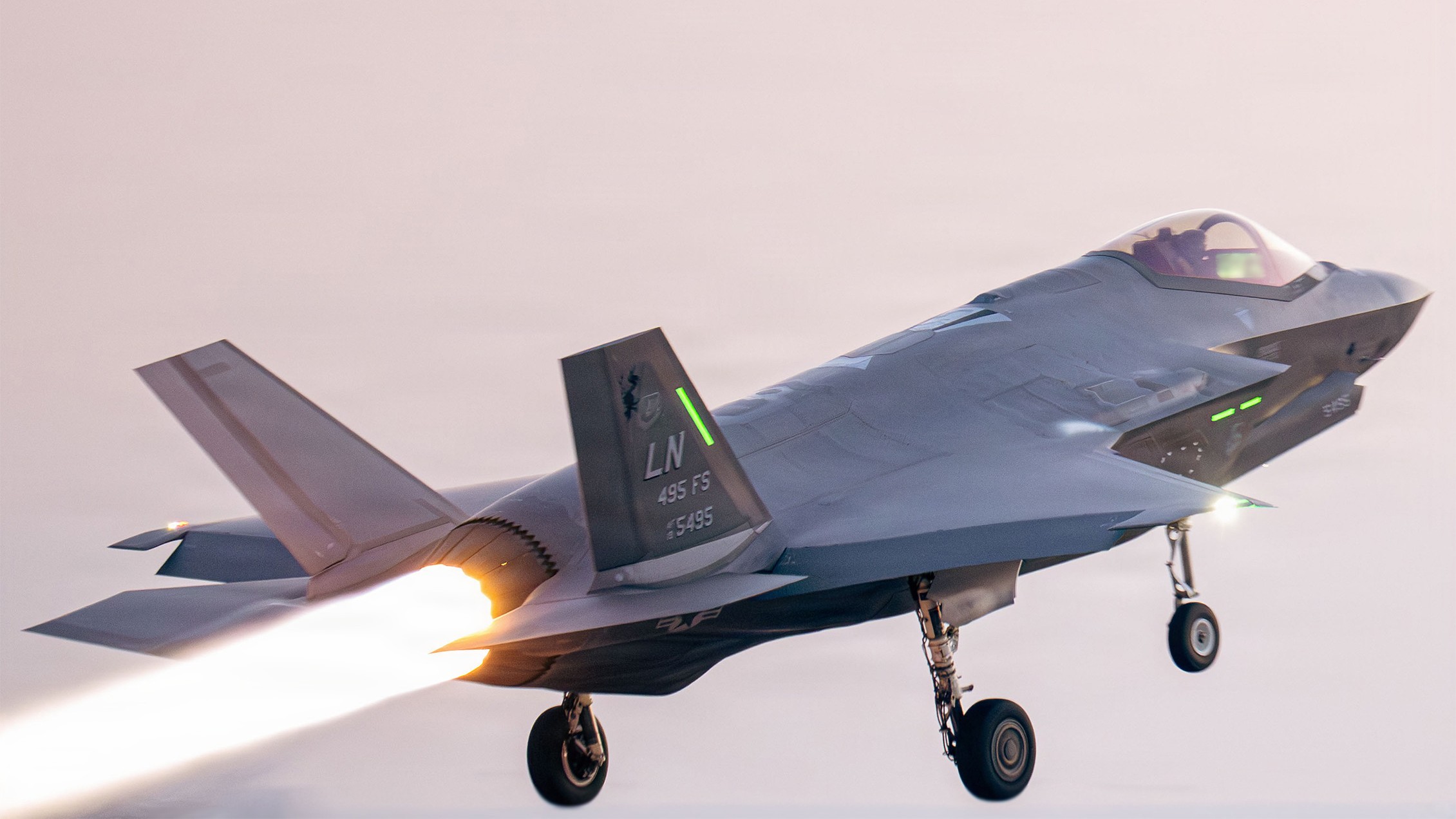
Even with the issues around the TR-3 program, it should be remembered that the F-35 is already operational and on the frontlines. The Lightning II has long been used by the U.S. and foreign operators in real missions, proving the maturity of the platform.
For instance, the F-35 saw extensive use during this year’s operations against Venezuela and Iran, just to mention the most recent ones. The 5th gen fighter has been operating against high-end air defense networks in the Suppression/Destruction of Enemy Air Defenses (SEAD/DEAD) role – its primary mission set – as well as other missions.
Thanks to its capabilities, the F-35 has been described as a critical asset in the lineup of the U.S. military. Moreover, no F-35s have been lost in combat due to enemy action, and the only one reportedly hit by enemy fire was able to safely return back for an emergency landing at a friendly air base.
This brings us back to the initial consideration: should this really be alarming? The numbers provided by the DOT&E indicate that the aircraft affected by the issue are approximately 20% of the entire U.S. fleet, with over 650 jets not affected meaning that, even with a mission capable rate of roughly 50%, over 300 F-35s would always be ready for use.
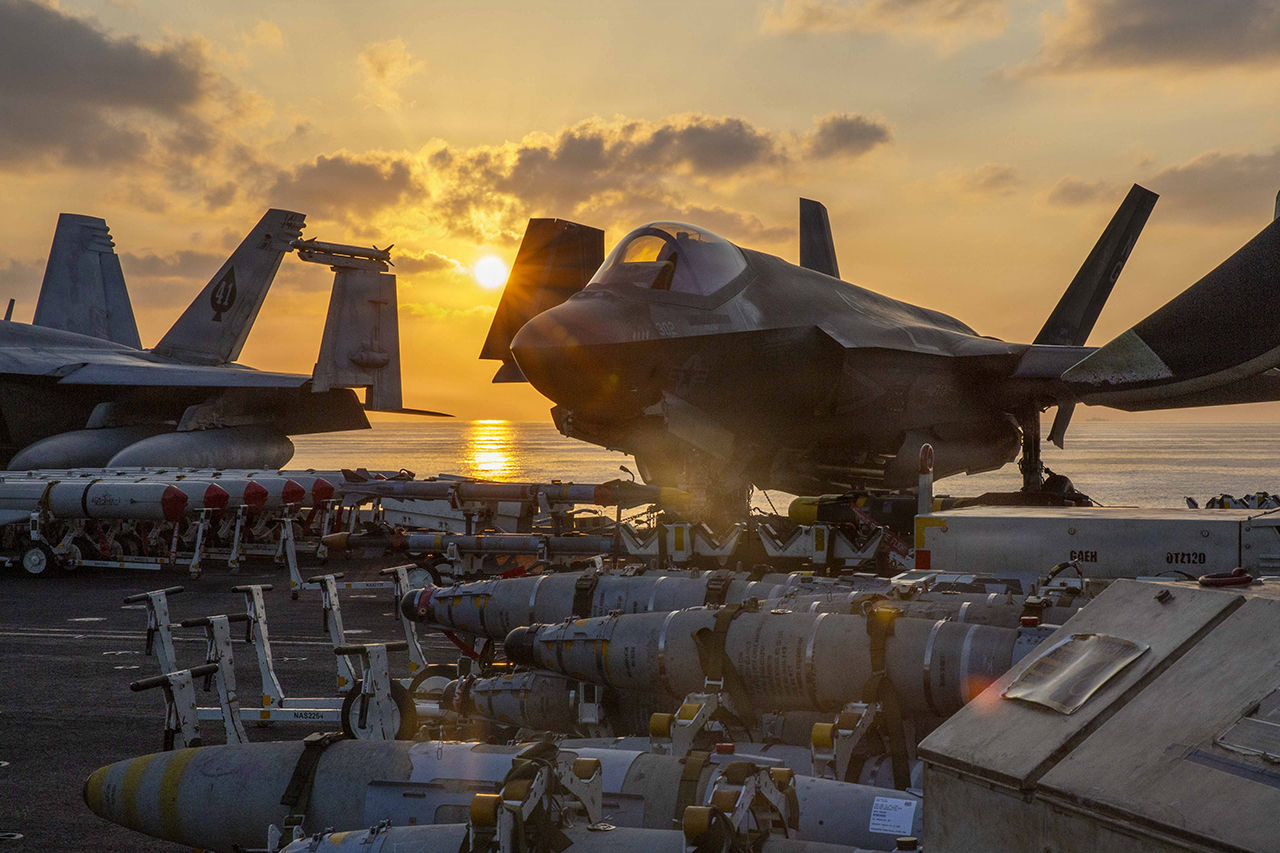
Additionally, the F-35 has a global fleet of over 1,300 aircraft which already passed the one million flight hours milestone. This already speaks volumes about the platform’s maturity.
Development and Testing Challenges
While the aircraft in the new configuration are being delivered, the testing of the Technology Refresh 3 is still in progress. This is being managed by the United Operational Test Team (UOTT), which includes personnel from the United States, the United Kingdom, and Australia.
“Throughout FY25, the F-35 development effort continued to face challenges in delivering reliable, fully functional software to the operational test (OT) teams,” says the DO&E report. As previously mentioned, the stability and reliability of the software were among the main issues that slowed the fielding of TR-3.
“The development teams focused on two software variations, one each for the Technology Refresh (TR)-2 and TR-3 hardware configurations,” continues the report. “In spite of the TR-3 capability being a rehost of TR-2, the latest iteration of TR-3 software (40R02) was unsuitable for dedicated OT. Similarly, the latest version of TR-2 software (30R08) – intended to be the last version of software fielded on the TR-2 aircraft – was predominantly unusable for additional OT events during most of FY25, due to stability problems, shortfalls in capability, and on-going discovery of deficiencies.”
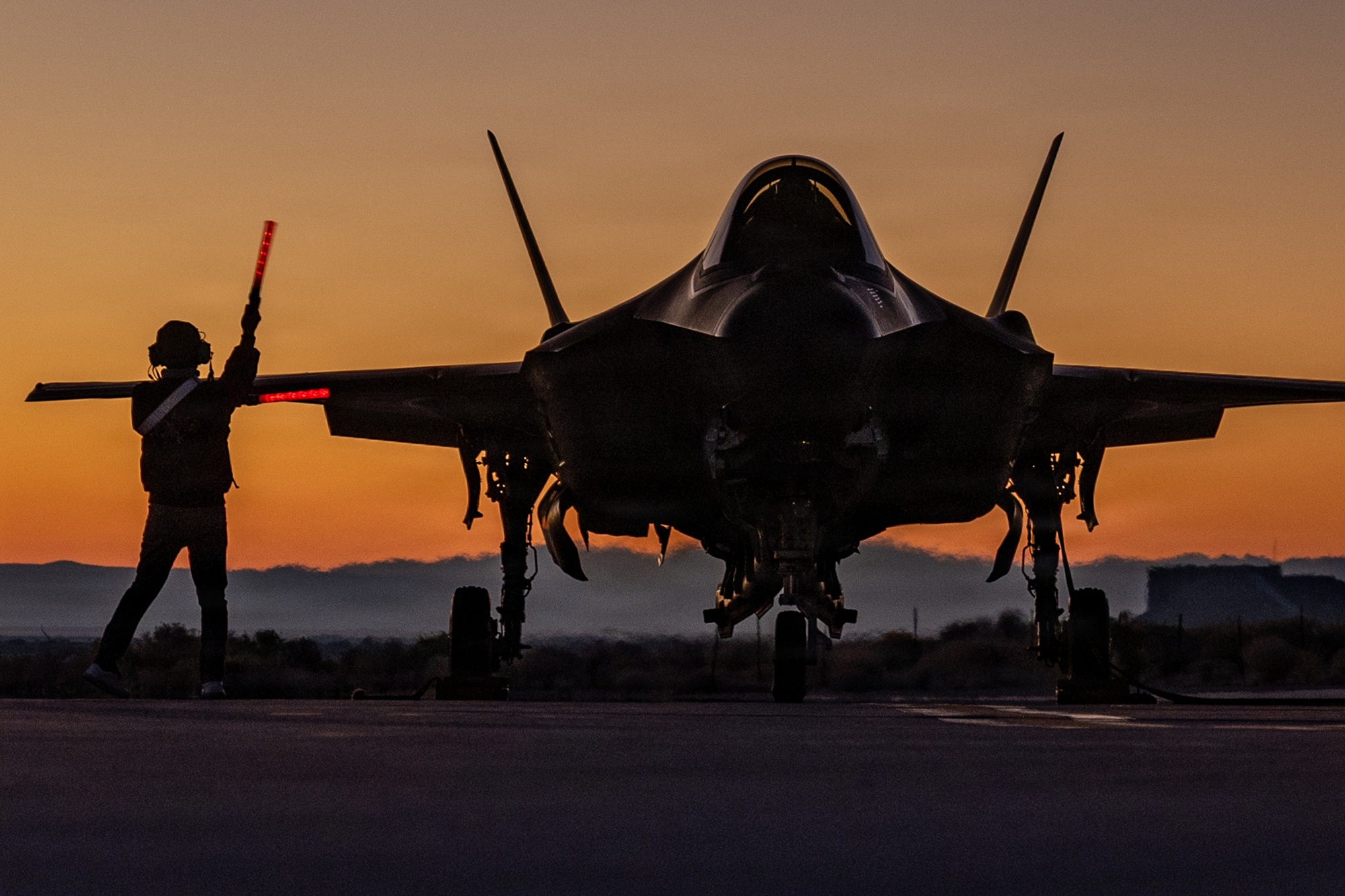
This appears to be the consequence of other problems outside of the software’s development, which slow down the Operational Testing (OT). In turn, this slows down the discovery of new problems and their solution, increasing the overall time needed to fix the issues with TR-3.
“The F-35 Joint Program Office (JPO) planned for needed modifications to OT aircraft, but resource shortfalls have not enabled timely delivery of these modifications,” explains the report. “Current aircraft forecasts show that there will not be enough OT aircraft available to accomplish dedicated OT in representative formations of aircraft.”
The wording appears to point to a lack of instrumented aircraft available for the testing of new software, rather than longer development timelines. As consequence of this situation, the DOT&E says it “continues to have concerns about the ability of the United Operational Test Team (UOTT) […] to conduct adequate testing of the Block 4 capabilities because of the reduced number of OT aircraft with the necessary hardware configurations and the required instrumentation to test mission systems and weapons integration.”
A better idea of the situation is later provided with the number of aircraft. “Funding and contracting delays have made it difficult for the OT teams to have eight fully capable aircraft available for dedicated OT trials during the OT periods,” says the report. “Given OT aircraft availability rates, this generally means a total of 12 OT aircraft must be planned and funded to ensure 8 OT aircraft are available for most missions.”
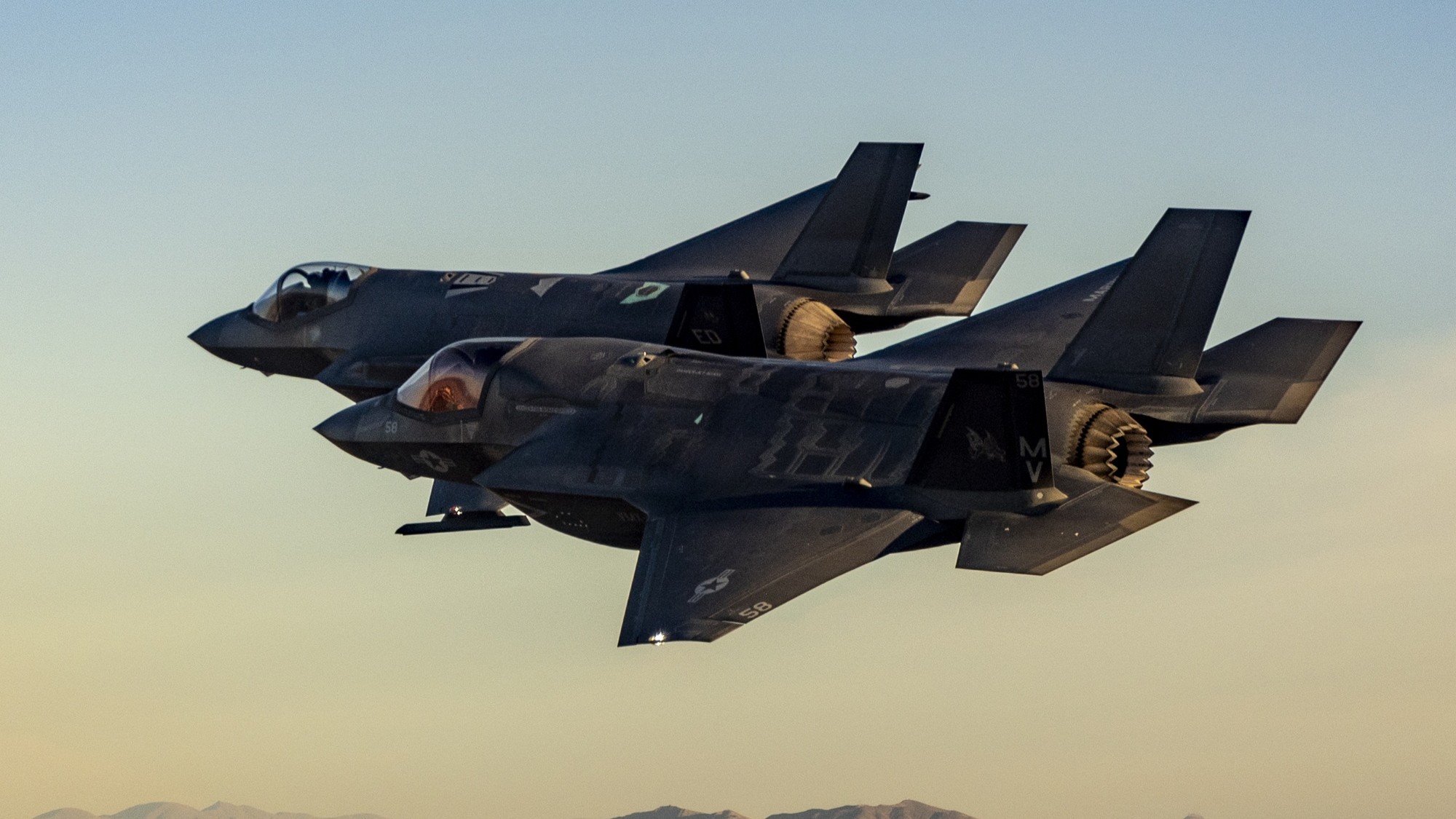
The report, speaking about the testing of the last planned TR-2 software version, sheds some light on the types of open-air tests being conducted. Among these are:
- Capability Test Events (CTEs), which may be conducted with early, less mature versions of the software, designed to characterize the performance of new capabilities or verify corrections to deficiencies identified during previous testing;
- Mission Area Trials (MATs), which may also be flown with early versions of software, are normally conducted as a part of large force exercises to collect data from scenarios more operationally representative;
- Dedicated OT missions, which are generally flown with the final version of software, assess operational effectiveness in terms of lethality and survivability in mission scenarios;
- Dedicated weapon employment events, which include both captive carry (where weapon test article are flown, but not released) and live fire events.
Regarding the open testing of the first TR-3 production configuration, the planning has determined which will be the initial software version tested. In fact, two earlier versions were designated “as not suitable for conducting OT” by the JPO.
The report thus mentions that the development testing of the TR-3 aircraft and associated software “remained significantly behind schedule throughout FY25.” A timeline has not been mentioned as a number of condition must be met first.
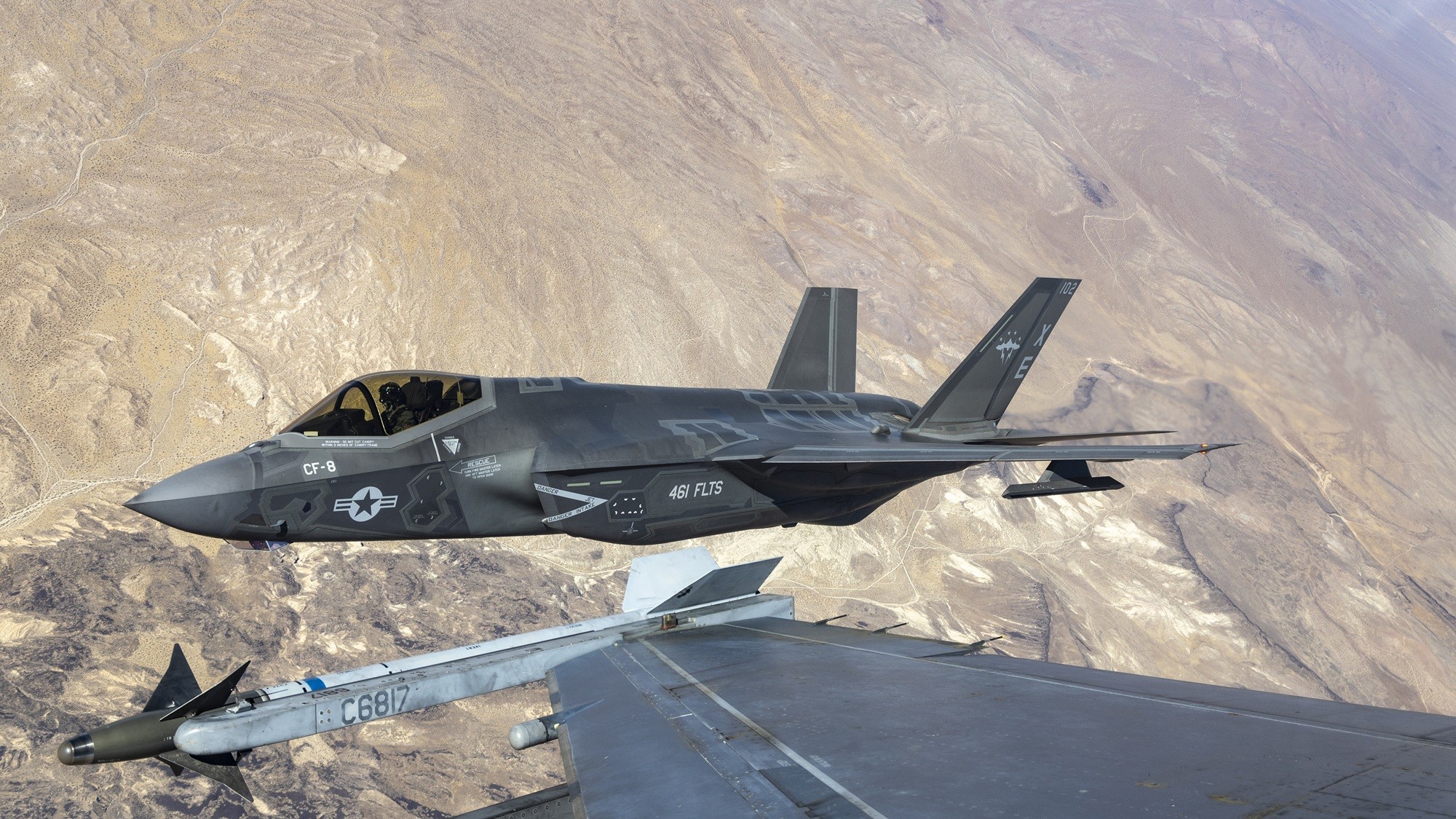
“Aircraft modifications, flight test instrumentation, OABS capabilities, and stable software will all be required before dedicated OT can begin on TR-3 aircraft,” explains the report. “Additionally, program funding constraints will make it difficult to plan for and accomplish adequate weapons testing.”
As it can be noted, the DOT&E report puts emphasis on the stability of the software. This is not casual, as explained later in the document: “F-35 aircraft mission systems instabilities can degrade mission performance and may require a pilot-initiated reset of mission systems in-flight, which could have severe consequences during combat.”
Radar-less F-35s
The latest DOT&E report’s description of the problems related to the F-35’s TR-3 upgrade arrives almost at the same time as the latest reports about the fighter being delivered without a radar. We initially reported about this issue in February 2026 here at The Aviationist.
At the time, the issue was said to involve F-35s delivered to the U.S. military since June 2025, according to Defense Daily and affiliate publication Avionics International, who first published the reports quoting an unnamed source. In an emailed statement, an F-35 JPO spokesperson told us that F-35s are being built to accommodate the new APG-85 radar and some began deliveries in 2025, but they could not provide additional information.
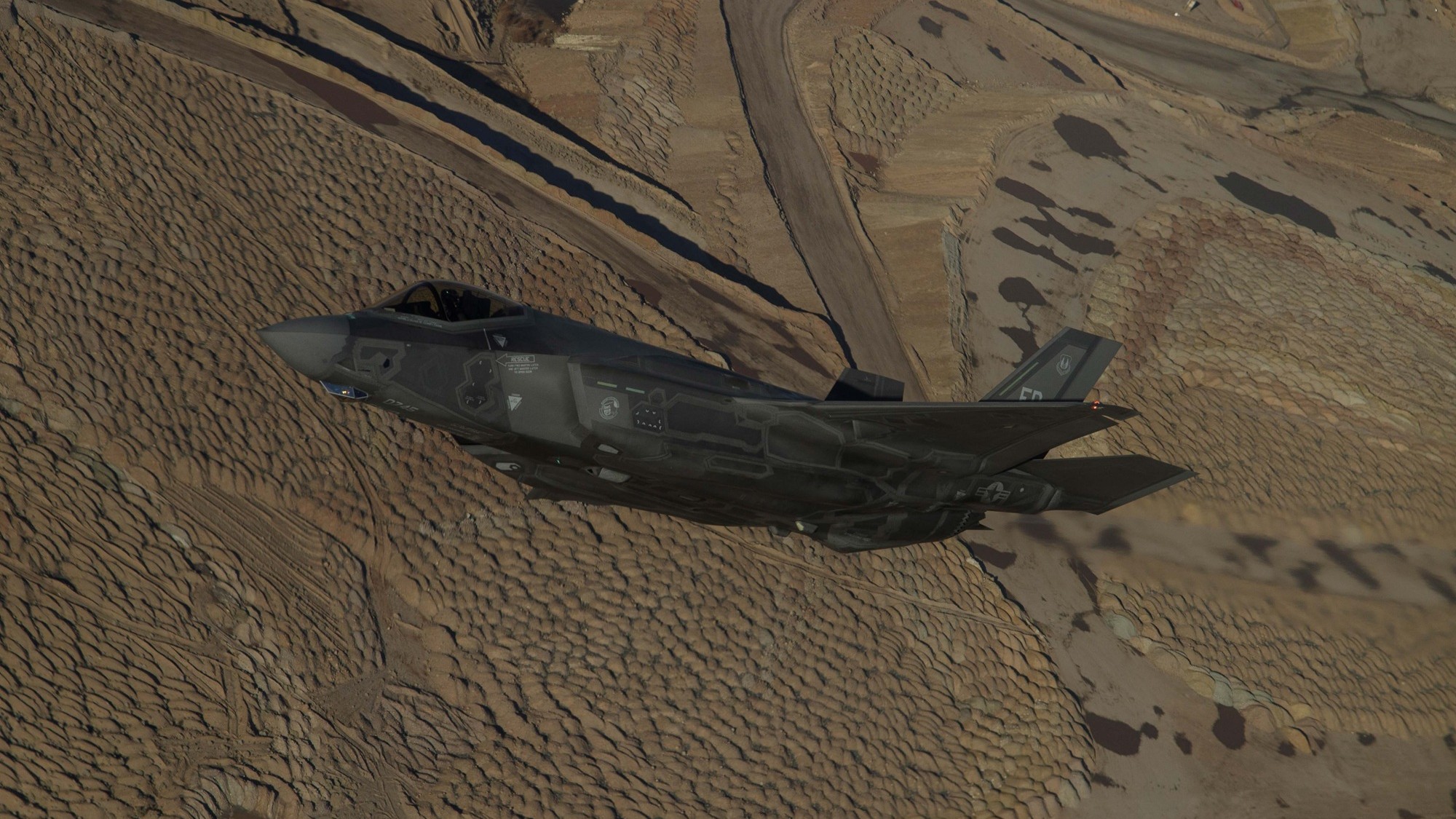
Rep. Rob Wittman (R-Va.), Vice Chairman of the House Armed Services Committee and Chairman of the Tactical Air and Land Forces Subcommittee, similarly said he could not comment. However, he commented about the integration of the new radar, which he defined as “challenging.”
“The APG-81 is different than the APG-85, and therefore delivering the aircraft, as currently configured, with an APG-85 radar versus an APG-81 radar is challenging,” said Wittman. “The bulkhead configuration is key because for both of the radars, they are very different.”
“It’s an incredibly advanced radar,” Wittman further added. “The arrays on it give it much more power which is why we have to upgrade the engine. I think we need about 82 kilowatts of power versus what it’s producing right now. The APG-85 is key to Block 4, and it’s key to TR-3 software upgrade capabilities and integration with the imaging system, the Distributed Aperture System.”
Last week, Wittman was interviewed by Breaking Defense, providing an update about the issue and revealing that the initial reports were partially correct. In fact, he confirmed that F-35s for the U.S. military will be delivered without the new radar starting this fall.
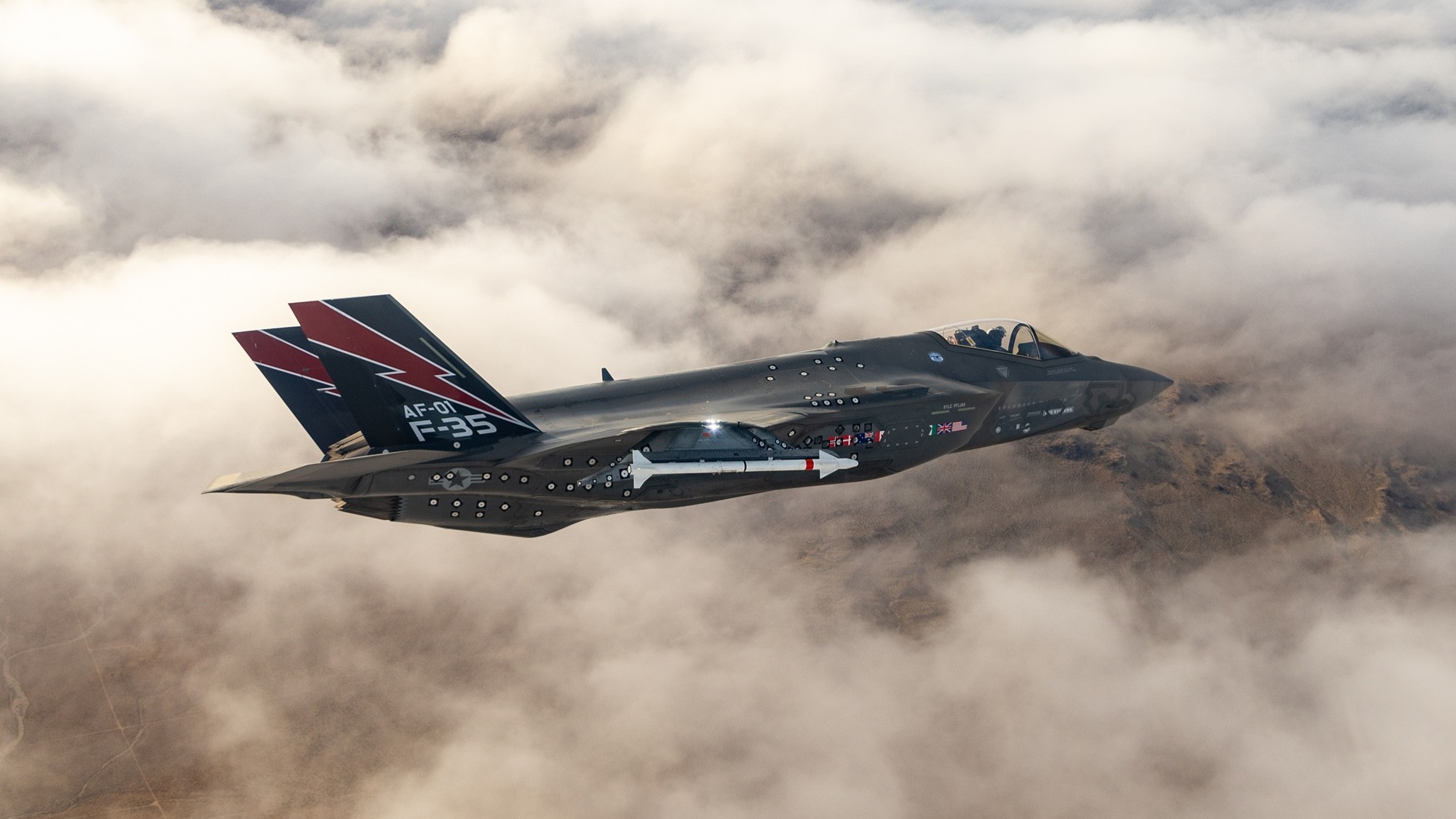
It is not yet clear how many aircraft would be affected. However, as we previously reported, even without the radar, the aircraft would still be airworthy, although they would require a ballast in the nose to avoid affecting the balance while in flight.
“We also have an issue with the new radars, the APG-85 radars, and making sure that they’re on the new aircraft,” said Wittman to Breaking Defense. “Right now, they’re going to be produced with ballasts, which too, creates an aircraft that’s not going to be combat-coded anytime soon.”
The issue is one of the details confirmed from the initial reporting, the bulkhead. In fact, Breaking Defense confirmed that the different size of the APG-85 radar required a different bulkhead, which prevents the installation of the current APG-81 radar.
One of the reasons is related to the fact that the bulkhead is also used to correctly place the radar so the array can be in the correct attitude. Having to use a different attitude would greatly affect the performance of the radar.
