



Subscription Required
By Scott Hamilton and Bjorn Fehrm
April 2, 2026, © Leeham News: Boeing is no longer “freighter king.”
The March 16 order by cargo carrier Atlas Air for 20 A350Fs gives Airbus a 60% market share of orders for the next generation of freighters. Since the dawn of the jet age, Boeing has had a lock on jet airliner freighters. It vanquished Douglas Aircraft Co and its successor, McDonnell Douglas. Airbus had modest success with the new build A300-600F, with about 100 ordered. But Airbus bombed with the new production A330-200F; only 38 were sold.
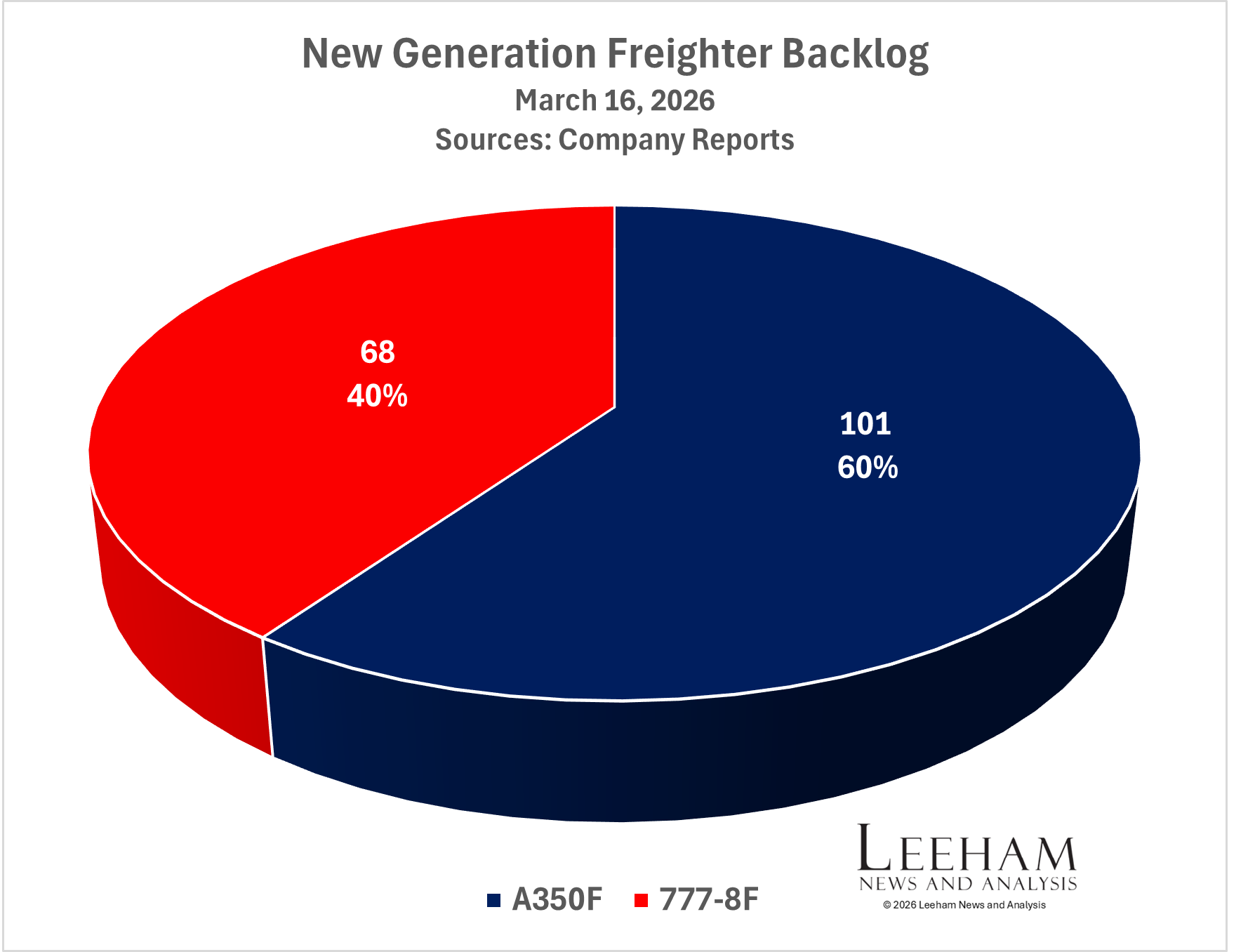
Figure 1. The backlog of new generation freighter orders gives Airbus a 60% market share. Sources: Airbus, Boeing.
However, Airbus now has 101 orders for the A350F. Boeing has just 68 for the competing 777-8F. This is a far cry from the 359 777F Classics, based on the 777-200LR, that have been ordered. There are 47 in the backlog. Production will conclude at the end of next year due to emissions standards that the old generation 777F does not meet. Boeing asked the Federal Aviation Administration (FAA) for an exemption to build 35 more. It requested a decision by May 1.
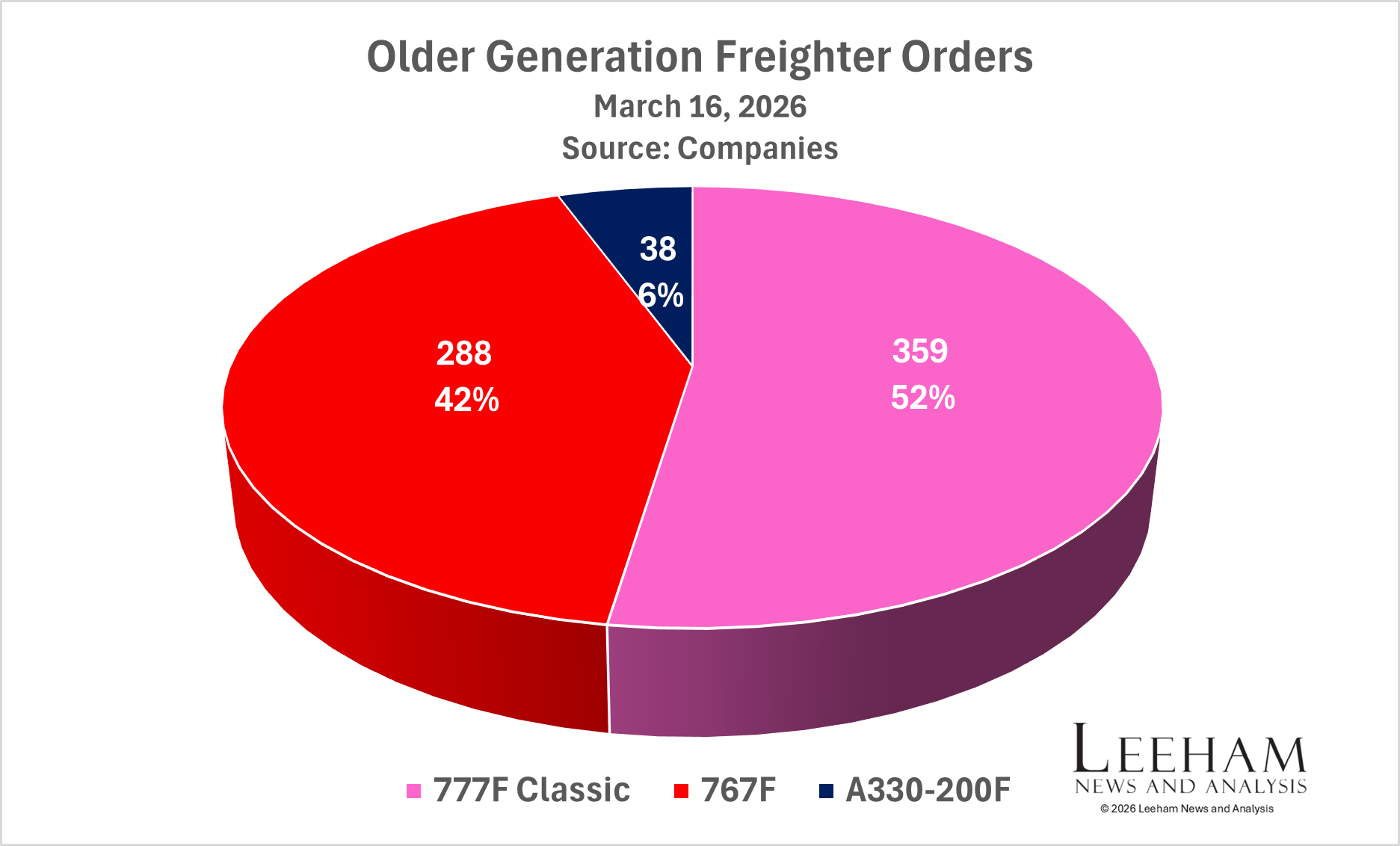
Figure 2. Boeing dominated the jet freighter market from the 1960s. The recent, old generation freighter market was still overwhelmingly owned by Boeing. Sources: Airbus, Boeing.
Additionally, Boeing sold 288 767-300ERFs. There are 18 in the backlog. Production concludes at the end of next year.
How did Boeing lose its overwhelming dominance in the freighter market? How did Airbus overtake Boeing, as it did in the early 2000s in the passenger airplane arena?
The answers about Boeing rest in a combination of negative fallout from the 737 MAX crisis, a suspension of production of the 787, shifting priorities and Boeing’s inbred arrogance.
For Airbus, the answer lies in the tortoise-and-hare analogy and a willingness to listen to potential customers more than Boeing did in key campaigns.
