


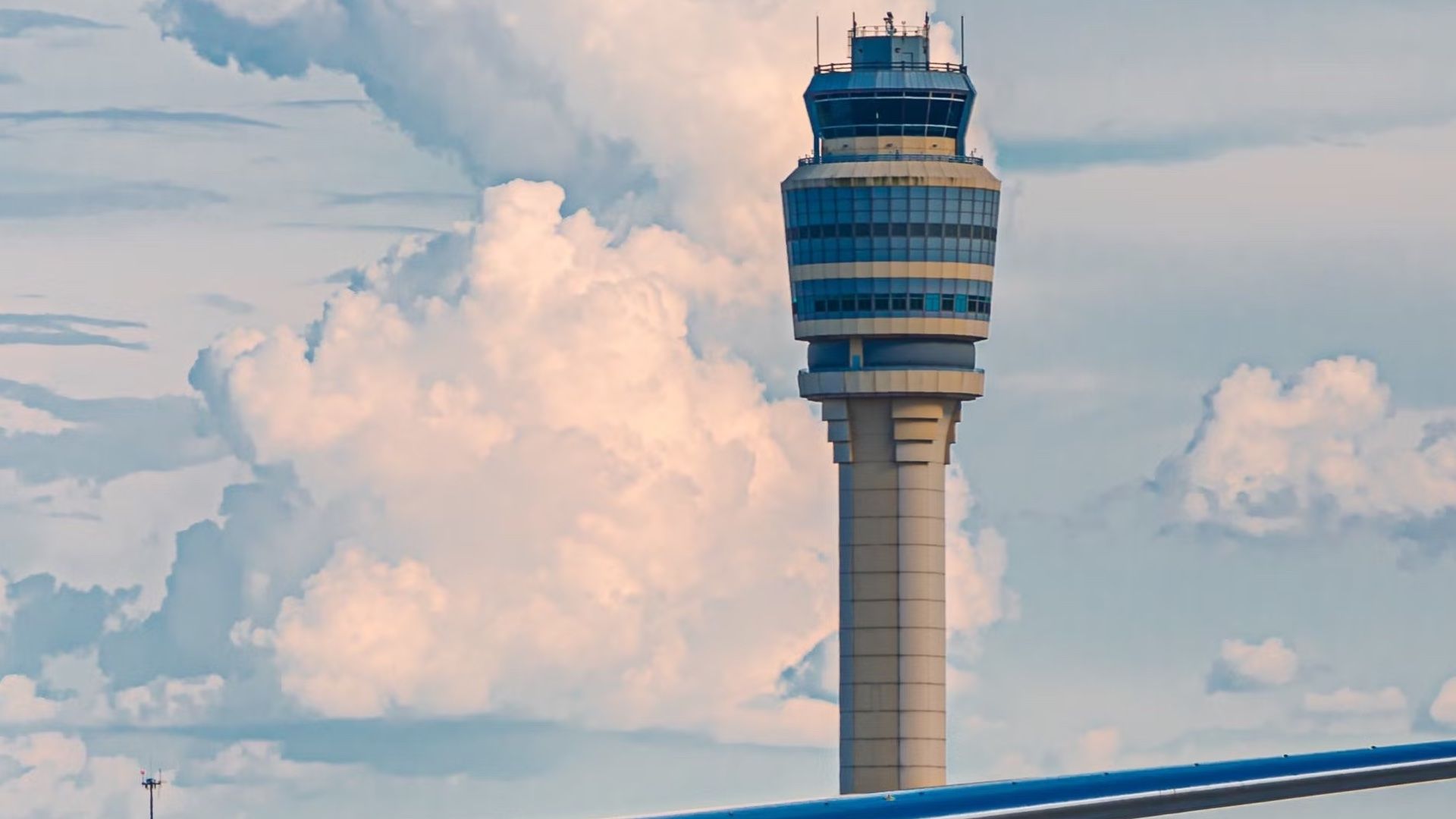
A lengthening federal shutdown continues to strain the United States’ air traffic control system towards its breaking point. Controllers, which are already well understaffed, are working without full pay, something which prompted more sick calls and ultimately forced the Federal Aviation Administration (FAA) to carefully monitor overall traffic, daily departures, and occasionally issue ground stops at busy hubs.
Recent news coverage has been quick to report and draw a spotlight on personal hardship. Some controllers have had to take a side job on DoorDash and take out high-interest loans in order to cover bills as missed paychecks continue to loom. Transportation officials say that safety will ultimately dictate whether operations at major airports come grinding to a halt as facilities continue to lack staffing. Travelers can expect longer lines and more delays as the shutdown drags on.
What Were The Key Developments In This Story?

Forbes has reported that a sharp rise in delays across the country has been explicitly tied to controller staffing shortages since the shutdown began, with the share of overall delay minutes ultimately being attributed to staffing rising far above normal levels and ultimately trending worse as missed paychecks continue to flow in. The Federal Aviation Administration has intermittently slowed down or halted overall departures at several major airports due to facility staffing shortages across the board.
Other reports have profiled controllers who are working as DoorDash drivers or taking on short-term loans as pay continues to dry up. The Department of Transportation’s leadership team has publicly discouraged these kinds of side gigs, but financial stress simply continues to mount for many employees. Unions continue to urge professionalism, and they have highlighted continued burnout in an already short-staffed system.
What Does This Mean For Air Traffic Controllers?

From an operational standpoint, controllers tend to face higher traffic-management pressures with fewer rested colleagues to help share this overall load. Overtime and thin staffing ultimately result in less overall recovery time between shifts, something which heightens overall fatigue risk in a zero-margin safety role. The lack of paychecks is pushing some to tap into retirement accounts or take out high-interest “payday loans.”
The overall public spotlight on one controller’s DoorDash work captures a broader pattern of financial precaution during the shutdown. The job is undeniably taxing, and attempting to support families without pay while doing this job is an extremely challenging situation. This issue is undeniably compounding preexisting challenges, including the fact that there are extremely low staffing levels at most of our air traffic control towers.
From a professional perspective, the Department of Transportation has signaled that this kind of side work is going to be fully discouraged. Facilities will ultimately slow, and traffic will need to be reduced, as opposed to further stretching severely understaffed teams. This can ultimately shift public frustration onto frontline staff. Morale continues to sink as the shutdown persists, with unions beginning to balance calls for professionalism against continually growing burnout.
What Does All Of This Mean For Passengers?

Passengers can expect more air traffic control delays, including ramp metering, ground delay challenges, and occasional ground stops. These problems will be even larger at peak hubs that handle extremely congested airspace. Continued delays may cluster unpredictably by airport. Even on-time departures can cascade into later disruptions and continued missed connections.
Longer Transportation Security Administration (TSA) lines will become the norm as even airport security faces staffing challenges, something that will compound overall trip time for passengers. Practical moves for passengers will include booking flights further in advance, allowing for longer overall flight connections, avoiding tight turnaround, and carefully monitoring airline apps.
If a route depends on chronically constrained facilities, passengers will definitely want to build in extra buffer time or consider nonstop alternatives. Passengers may even want to remember that delays are imposed intentionally in order to preserve safety when staffing levels remain lean. Reduced overall throughput is ultimately preferable to overtaxed towers.
