


In passing, I often talk about airline wet lease agreements. I understand some OMAAT readers know exactly what that is, while others may have no clue. So in this post I’d like to talk about that in a bit more detail — what is an airline wet lease agreement, how do airlines benefit from it, and what are the implications for passengers?
The basics of airline wet lease agreements
Simply put, a wet lease is a contractual arrangement between two airlines, where one airline provides an aircraft, crew, maintenance, and insurance (ACMI), to another airline.
Wet lease agreements can come in different forms. A wet lease agreement can last a day, a week, a month, or a year… it’s all over the place! Let me give some examples.
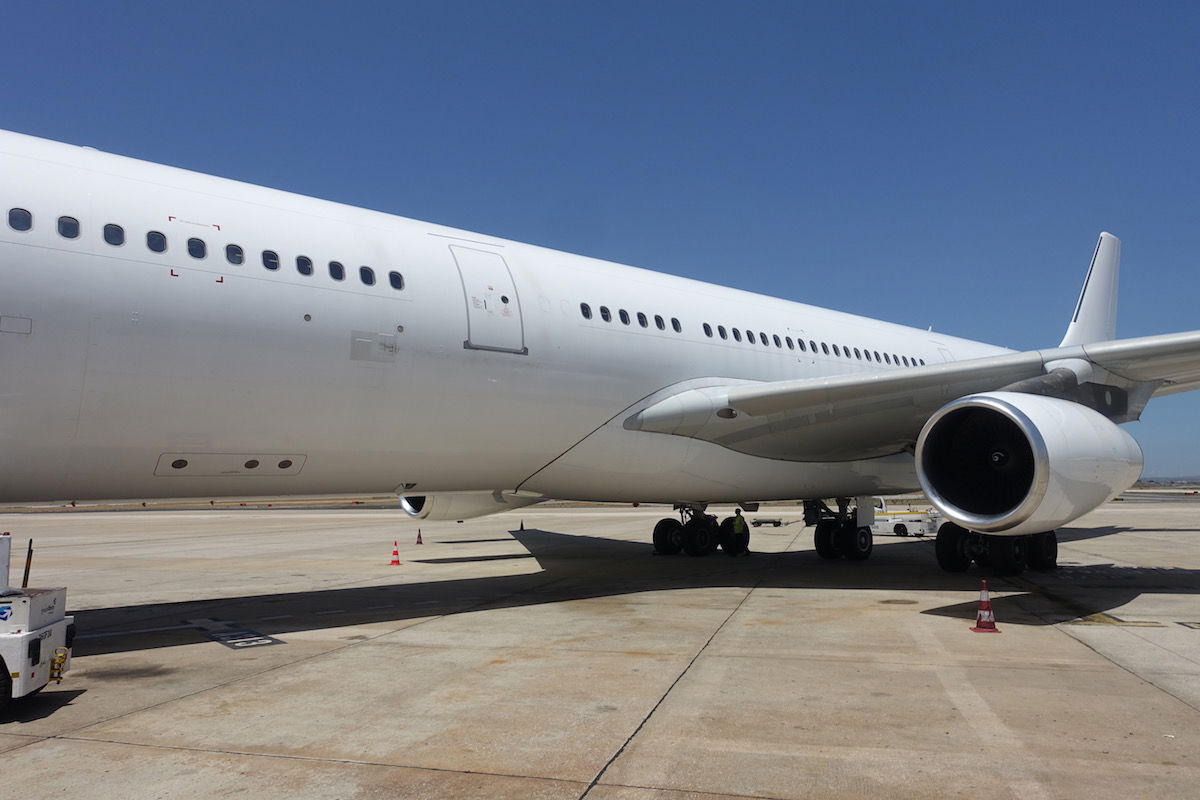
Hi Fly is a Portuguese airline that’s specifically a wet lease operator. The airline doesn’t operate its own regularly scheduled flights, but rather operates flights on behalf of other airlines, when they have needs. Hi Fly primarily operates used aircraft that used to fly for other airlines, so it’s kind of a cool setup.
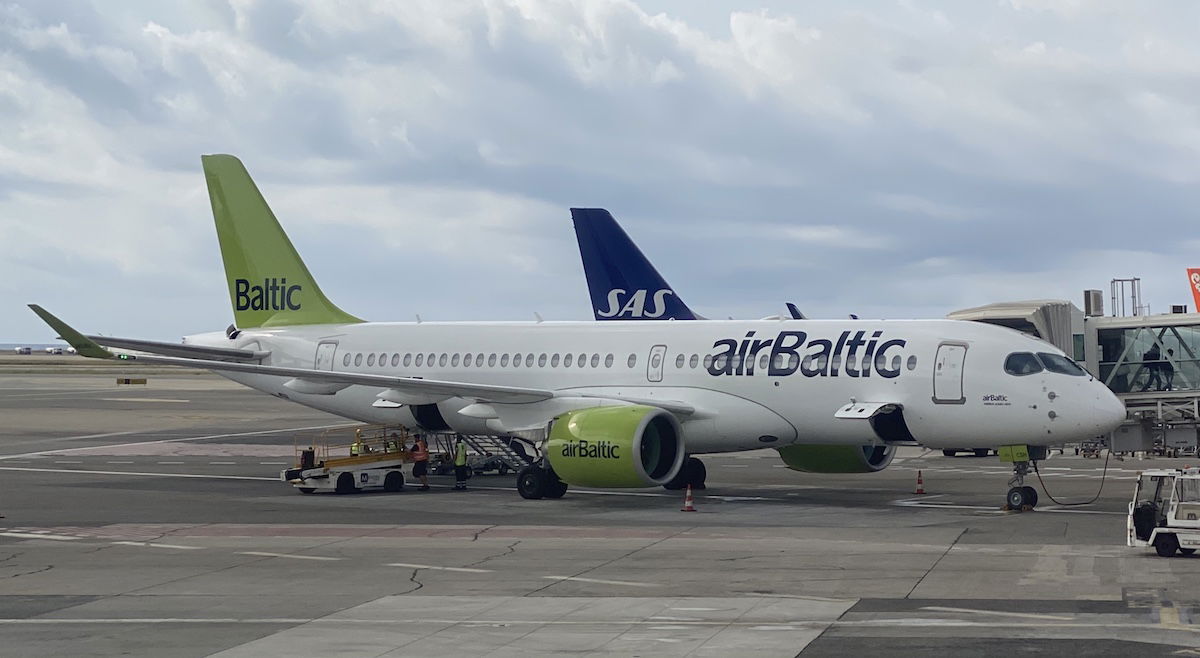
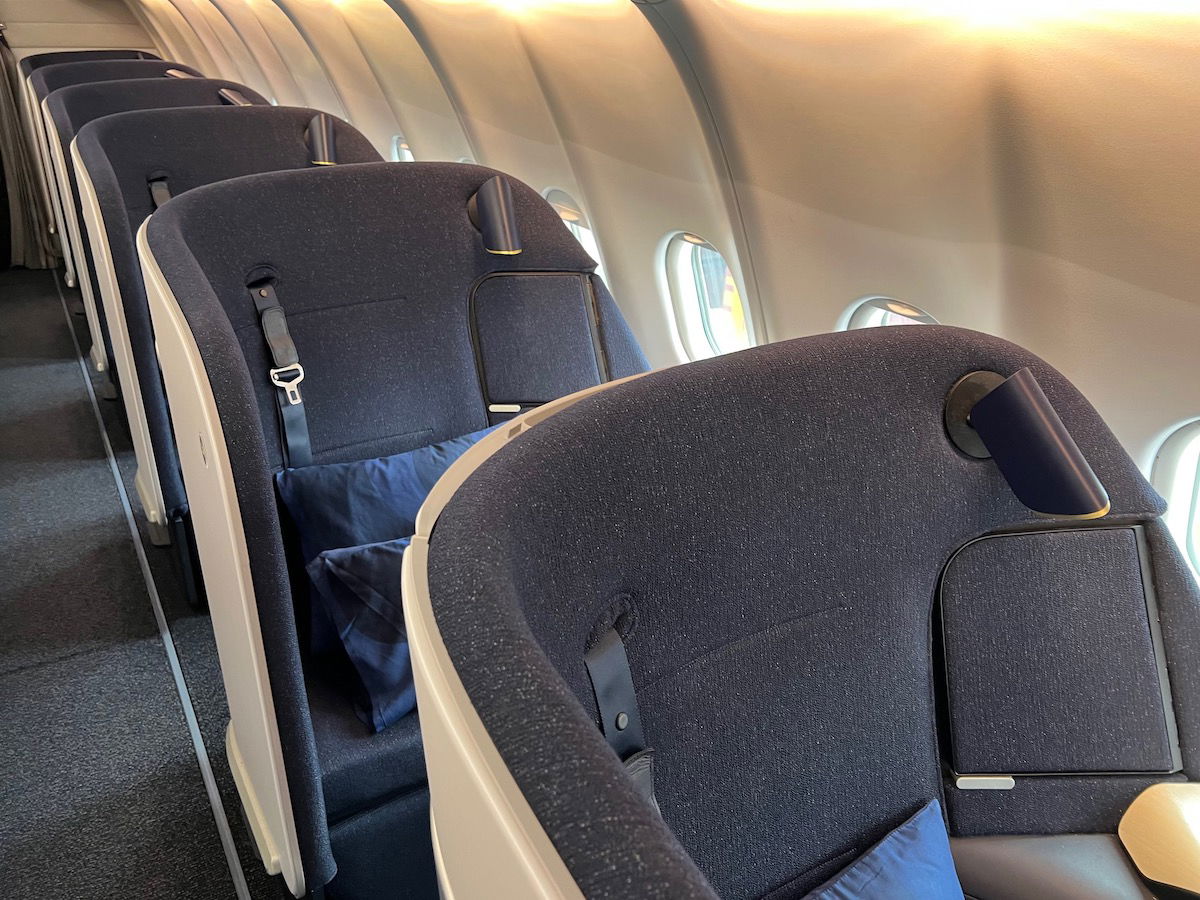
Then you have airlines like airBaltic. While the airline operates its own scheduled flights with Airbus A220s, it also leases out those same aircraft to other airlines. airBaltic has an agreement with Lufthansa Group, so you may often find that your flight with the airline is actually operated by airBaltic.
In the interest of being thorough, let me call out a few additional points. Another type of lease agreement is a dry lease rather than a wet lease. With this, an airline provides a plane to another airline, but not the crew or anything else. This is a less common type of arrangement. There’s also the concept of a damp lease, whereby the airline provides everything provided with a dry lease, plus pilots.
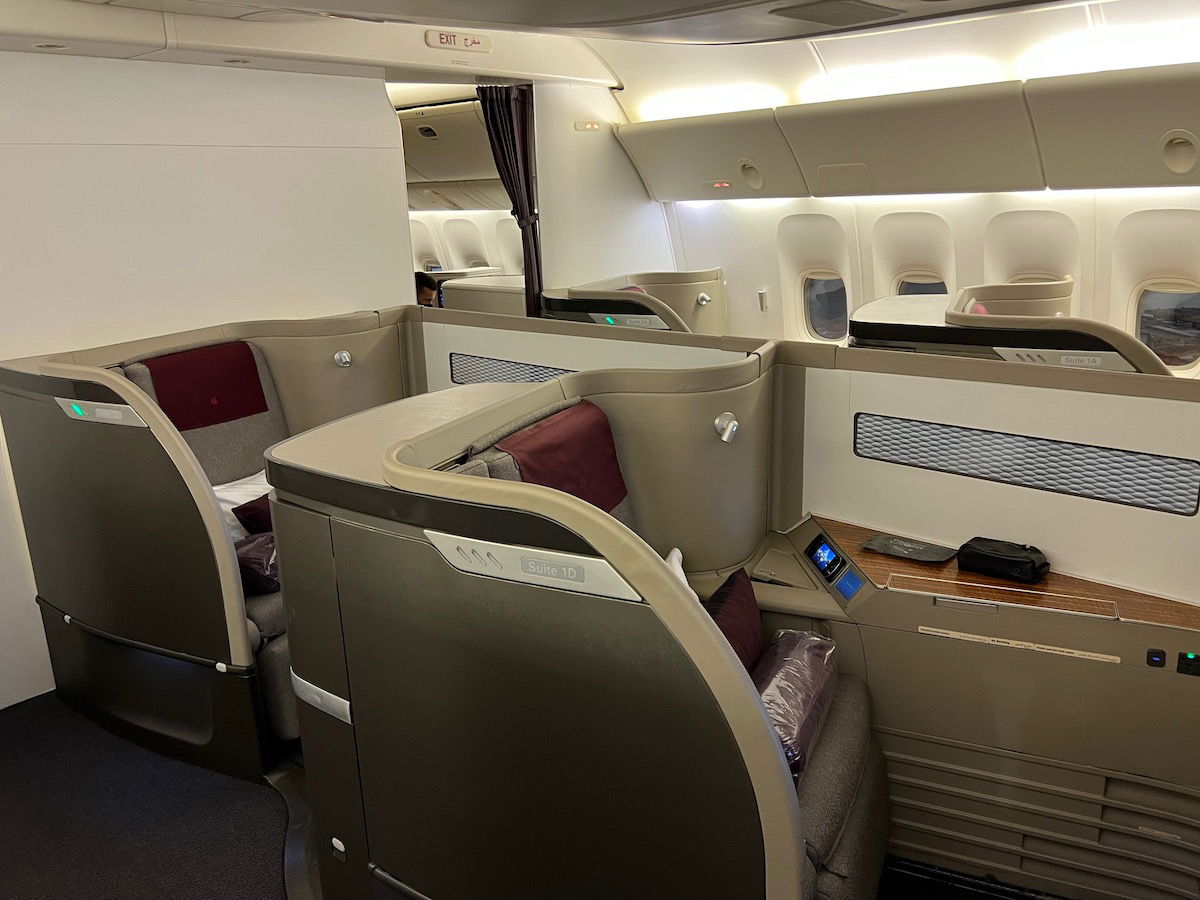
Since this can cause confusion, let me make one additional important distinction. For example, Qatar Airways flies former Cathay Pacific and Virgin Australia Boeing 777s. While those planes maintain the same interiors, that’s not a dry lease arrangement between airlines.
That’s because the respective airlines returned those planes to the leasing companies, and then they were leased out to Qatar Airways. So that’s not a dry lease between airlines, since those planes have nothing to do with their former airlines, despite the interiors.
Lastly, I think it’s worth emphasizing that a wet lease agreement and a codeshare agreement aren’t the same. A codeshare agreement allows an airline to market the flight of another airline, when they have a partnership. That’s different than a wet lease, which is just about getting access to more planes.
Why airlines have wet lease agreements
Why would airlines engage in wet lease agreements? Let’s look at this from the perspective of both parties.
There are several reasons that airlines may want to lease out planes to other airlines:
- For some airlines, like Hi Fly, that’s the core of their business model; these airlines are able to lease out planes for more than their operating cost, so it’s a pretty reliable hustle, as long as the demand is there
- Some airlines may find themselves with an excess of aircraft, either due to a change in market conditions (like closure of Russian airspace), a change to their business model (like airlines looking to downsize to reduce losses), etc.
- Some airline startups just realize they have a really bad business model and are hemorrhaging money, and then they pivot to leasing out planes, which minimizes losses and stabilizes income (carriers like Norse Atlantic, for example)
- Some airlines are very well positioned for something like this, by being based in a country with lower labor costs, which creates an interesting arbitrage opportunity
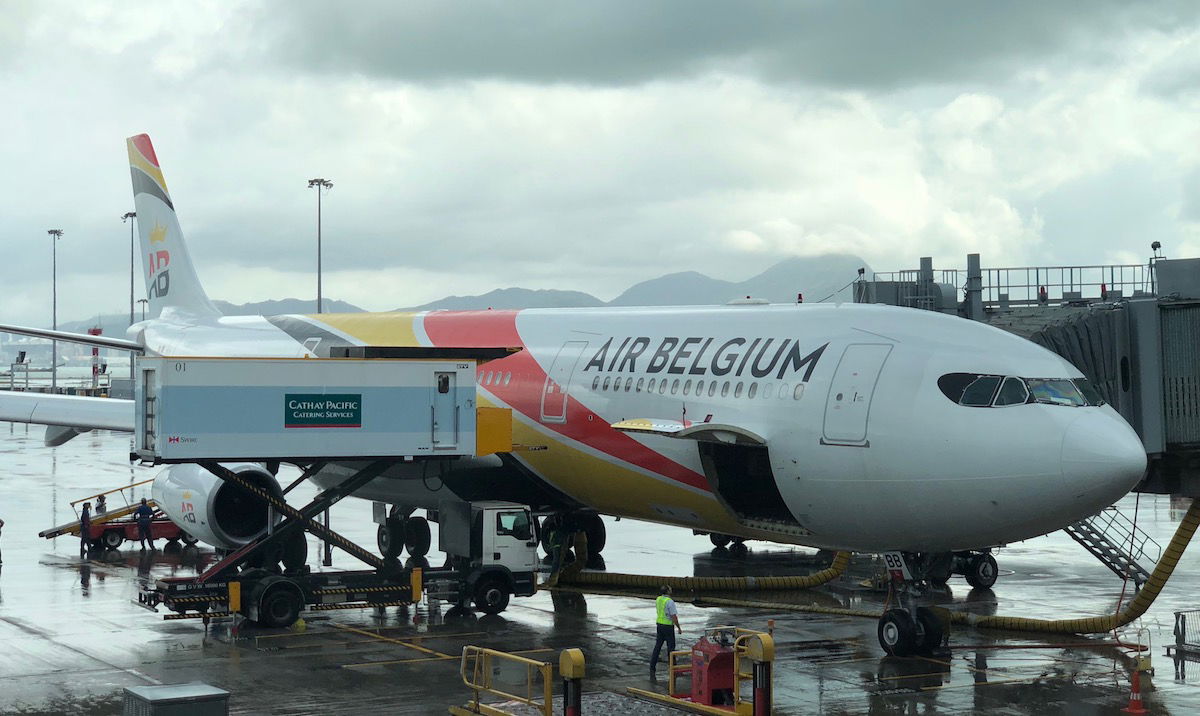
Meanwhile there are several reasons airlines may want to lease planes from other airlines:
- Airlines sometimes operate in markets with highly seasonal demand, so in those situations it can be more economical to just lease planes in peak season, rather than having to pay for them year-round
- Some airlines want to limit their capital expenditures, and buying planes can be really, really expensive, so a wet lease is a good alternative
- For airlines based in countries with high labor costs, it can be quite economical to lease a plane from another airline, from a country with lower costs
- Sometimes airlines deal with a temporary change in supply, like due to certain aircraft in the fleet being grounded, more aircraft undergoing maintenance, etc., so it’s a quick way to boost capacity
What wet lease agreements mean for passengers
What happens if you’re a passenger, and find yourself on a flight that’s operated as part of a wet lease agreement? While this doesn’t happen all that much in the United States, it’s much more common in Europe and Africa, and to some extent in Asia, including the Middle East.
Of course whether or not a wet lease agreement is good for passengers depends on the airline and aircraft that ends up operating the flight, since they’re not all created equal. A few thoughts:
- Flights being operated on a wet lease basis still have the catering and amenities of the airline you booked with, since they’re still responsible for that
- Generally service on wet lease flights may not be as good as it otherwise is, since those flight attendants often may not have the training that flight attendants on the “native” airline would typically have; they’re also maybe not as invested in passengers having a good experience, since they don’t even work for the airline marketing the flight
- Keep in mind that a wet lease agreement could impact the availability of entertainment and/or Wi-Fi, since that’s typically not updated to the standards of the marketing airline
- More often than not, I’d say that a wet lease agreement is probably a downgrade, though there are definitely exceptions
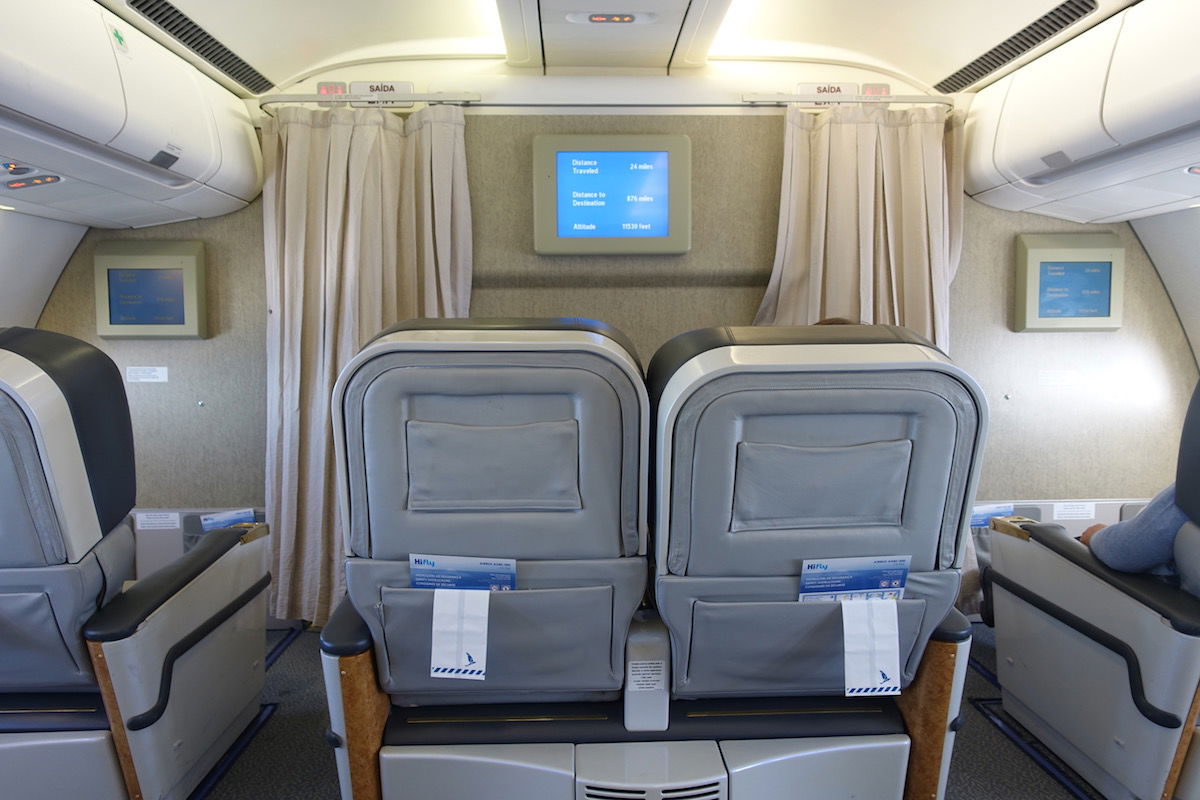
For example, as an aviation geek, I absolutely adored flying a former Emirates Airbus A340 that was operated by Hi Fly on behalf of Azores Airlines. Flying in Emirates’ old first class seats was sort of a dream come true. Would the average customer be as excited as I was? Probably not, but to each their own, right?
Bottom line
Airline wet lease agreements seem to be increasingly common, so as a passenger, you may find yourself on one of these flights without even noticing it. Simply put, a wet lease is when a flight is operated by the aircraft and crew of another airline.
These kinds of arrangements can last days or months (or even longer). They’re a win-win, as they allow an airline to fly their planes and crews in a profitable and low risk manner, while they allow other airlines to increase capacity without actually having to acquire new planes.
Have you ever taken a flight operated by a wet leased aircraft? What was your experience like?
source
