
Close Menu
  • AVIATION
    • US Airlines
    • Airports & Hubs
    • eVTOL & Urban Air
  • MILITARY
    • Air Force
    • Defense News
  • SPACE
    • SpaceX & Rockets
    • NASA
    • Commercial Space
  • CARGO
  • CORPORATE
  • TECH & OEMS
  • REGULATORS
    • FAA
    • NTSB
    • TSA
What's Hot

NASA’s Nancy Grace Roman Space Telescope arrives in Florida

June 22, 2026

Hilton Says It Will Build New Brands Again — Owners Will Want to See the Math

June 21, 2026

SpaceX to launches 24 Starlink satellites on Falcon 9 rocket from Vandenberg

June 21, 2026
Facebook X (Twitter) Instagram
Demo
  • AVIATION
    • US Airlines
    • Airports & Hubs
    • eVTOL & Urban Air
  • MILITARY
    • Air Force
    • Defense News
  • SPACE
    • SpaceX & Rockets
    • NASA
    • Commercial Space
  • CARGO
  • CORPORATE
  • TECH & OEMS
  • REGULATORS
    • FAA
    • NTSB
    • TSA
Facebook X (Twitter) Instagram
Demo
Home » The state of alternative propulsion aircraft? Part 3.
AINonline

The state of alternative propulsion aircraft? Part 3.

FlyMarshall NewsroomBy FlyMarshall NewsroomNovember 27, 2025No Comments2 Mins Read
Share
Facebook Twitter LinkedIn Pinterest Email

November 27, 2025, © Leeham News: In our series about alternative propulsion aircraft, last week we looked at the electric motor of an electric aircraft, which drives propellers or fans. It’s a component that is straightforward to develop, but the certification requirements for the aircraft and VTOL industry have slowed progress.

Now we look at the component that causes trouble for all alternative propulsion aircraft, except those that burn hydrogen in gas turbine engines: the batteries. Batteries work well in cars, where the requirement for energy capacity relative to weight is much lower and where energy recovery during braking reduces the energy required from the battery.
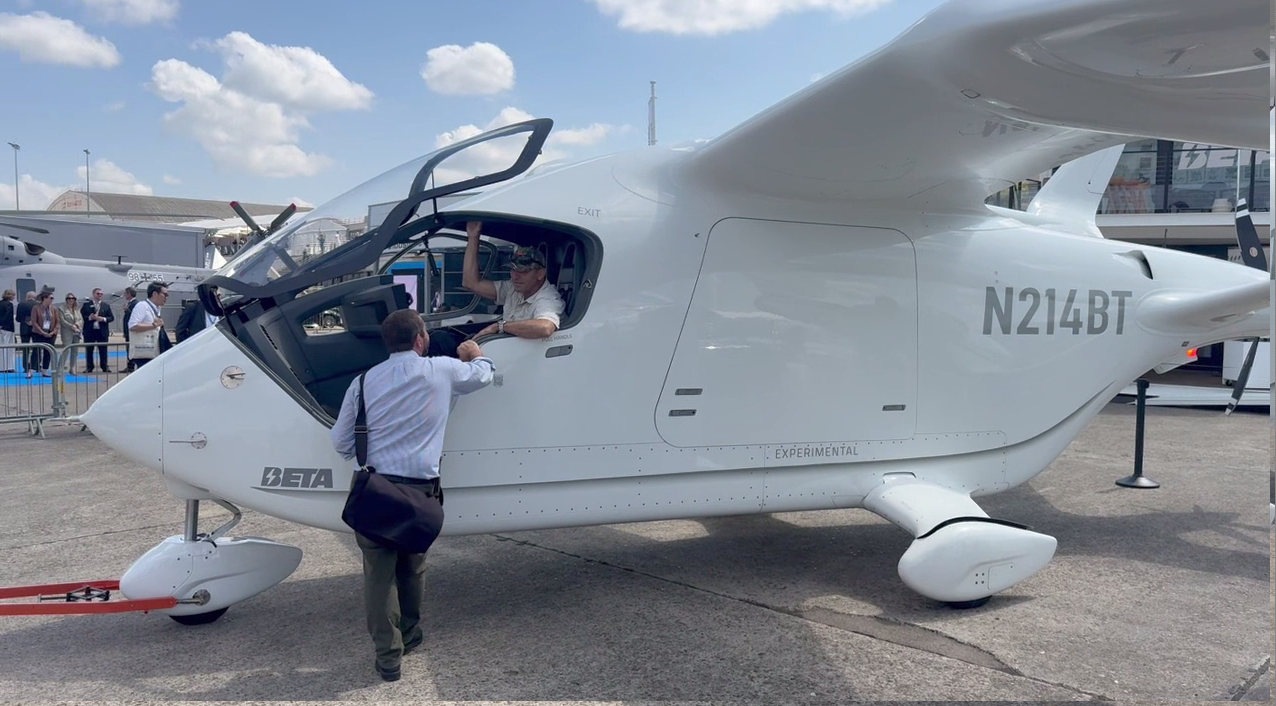
Figure 1. The battery-electric aircraft that flies operational trials as we speak, the Beta Technologies Alia CX300. Source: Leeham Co.

Aircraft batteries are a heavy component with very low energy storage capacity. Today’s aircraft battery system has about 60 times lower energy density per kg or lb than aircraft fuel.

The hope over the last decade has been that this relationship should improve. It has, it’s gone from about 70 times to 60 times in the last 10 years. This will improve further, the question is if it will continue at the slow pace of the last 10 years or not?

source

FlyMarshall Newsroom
  • Website

Related Posts

Pontifications: Automotive industry shifting to services, following aerospace

June 11, 2026

Airbus’ Next New Airplane Part 6: The SWOT for Airbus

June 11, 2026

Reader Comments-Open Forum, Week of June 1

June 1, 2026

Airbus Next New Airplane Part 3. The Airbus Technobricks

June 1, 2026
Add A Comment
Leave A Reply Cancel Reply

Latest Posts

NASA’s Nancy Grace Roman Space Telescope arrives in Florida

June 22, 2026

Hilton Says It Will Build New Brands Again — Owners Will Want to See the Math

June 21, 2026

SpaceX to launches 24 Starlink satellites on Falcon 9 rocket from Vandenberg

June 21, 2026

ANN’s Daily Aero-Term (06.18.26): Flight Check

June 21, 2026

Subscribe to Updates

Please enable JavaScript in your browser to complete this form.
Loading
About Us

Welcome to FlyMarshall — where information meets altitude. We believe aviation isn’t just about aircraft and routes; it’s about stories in flight, innovations that propel us forward, and the people who make the skies safer, smarter, and more connected.


Useful Links
  • Business / Corporate Aviation
  • Cargo
  • Commercial Aviation
  • Defense News (Air)
  • Military / Defense Aviation
Quick Links
  • About Us
  • Contact Us
  • Disclaimer
  • Privacy Policy
  • Terms and Conditions

Subscribe to Updates

Please enable JavaScript in your browser to complete this form.
Loading
Copyright © 2026 Flymarshall.All Right Reserved
  • About Us
  • Contact Us
  • Disclaimer
  • Privacy Policy
  • Terms and Conditions

Type above and press Enter to search. Press Esc to cancel.

Go to mobile version