

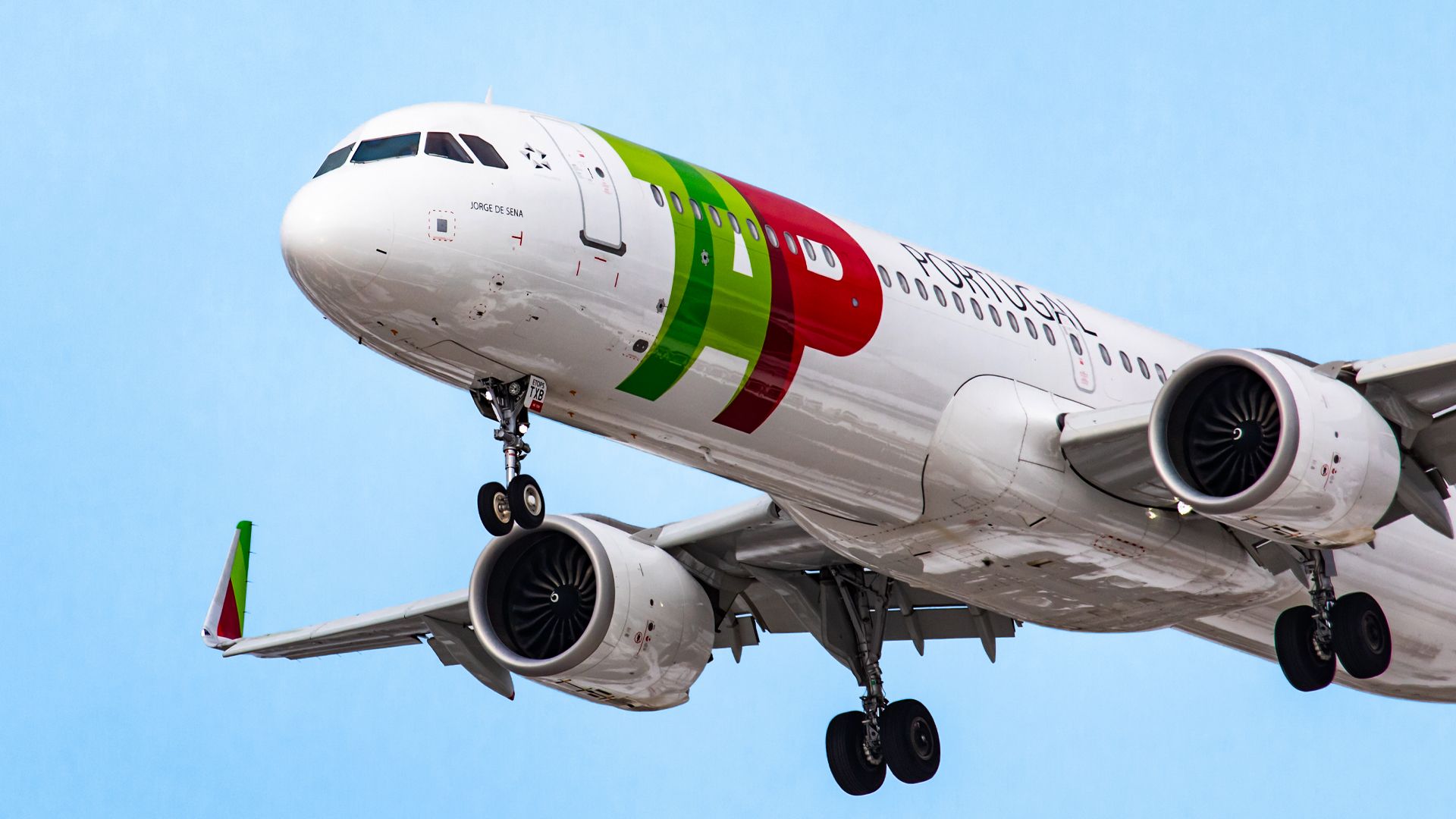
More and more airlines are deploying narrowbody, single-aisle twinjet airliners on increasingly long-haul itineraries around the world. The world of air travel since the end of the travel lockdown caused by the COVID-19 Pandemic has been continuously evolving as demand not only recovers but surges and evolves. As customers in the era after the Coronavirus increasingly seek more exotic travel destinations and more comfortable cabin products, airlines are adapting their service models to satisfy flyers.
Long and thin routes between transcontinental or transoceanic city pairs are a consistent mission for long-range narrowbodies. The number of these types of flight plans is increasing as not only mainline air carriers, such as Etihad, but also low-cost carriers (LCC) like Aer Lingus are using new long-range jets to expand their network. More seasonal destinations have also become possible for many carriers thanks to long-range single-aisle airliners.
The Boeing 757 is the legacy workhorse for these kinds of missions. However, it is an aging airframe that is slowly being phased out by even if most loyal operators, like Delta Air Lines. That’s where the Airbus A321LR and XLR has stepped in and begun to grow in popularity as the only modern alternative to fill this gap in the market.

The aviation market was devastated by the almost complete stoppage of air travel around the globe during the years when the Coronavirus restricted movement all over the world. The lessons learned during that time period for airlines were both simple and game-changing. The overriding theme for operators as the global industry rebuilds today is flexibility through efficiency.
The door was essentially closed on the era of four-engine airliners, or quadjets, like the Boeing 747 and Airbus A380. The replacement for those enormous globetrotting jetliners has been very big, but lower-capacity twinjets, which offer better operating economics. Despite the cost benefits of these modern wide bodies, many airlines still prefer to reduce their risk of losing money on missions even more by using long-range narrowbodies.
The Airbus A321LR was not the first of its kind, as the Boeing 757 was already a great success in the market segment of single aisle long-haul. It has taken up the mantle once held by the “Flying Pencil” as Boeing is yet to produce a successor. The A321XLR offers a perfect solution for Airlines that require intercontinental range to serve their customer base but need to achieve the highest level of operating efficiency.
The Airbus A320 single-aisle jetliner family is the best-selling commercial aircraft Series in history, since it surpassed the Boeing 737 in October this year. What that means for the vast majority of operators around the world is that having a very long-range variant of the most common passenger jet available affords exceptional capability and cost savings at the same time.
TAP Air Portugal

Portugal’s flag carrier has experienced resounding success by deploying the A321LR on routes that it flies the A330neo (A330-900) on as well. The airline has seen great success not only from an operational aspect, where they can fly the same mission with a lower-capacity plane when demand lulls, but also from a customer satisfaction angle. The “Airspace” cabin of the A320neo jets allows operators to create a more spacious and luxurious cabin than on legacy planes.
Frederic Gossot, Sales Director, TAP Air Portugal, told Simple Flying during the World Travel Market:
“In our long-haul fleet, we have the A330-900 and we have the A321LR. And this allowed us to serve destinations in the northeast of Brazil or on the east coast of the US, or Canada. It’s been a great success. It is an aircraft offering a long-haul product practically in a business class with a lie-flat bed, a widescreen, and a screen as well in economy class. So, it’s really a very nice product, very much enjoyed by the clients.
The A321LR also helps us to serve some smaller destinations or destinations where there is a little bit less demand during the winter. So, it’s absolutely perfect for us. You swap out the A330 for the A321LR during the slower months. You can just substitute it. It is that easy to do. So, there are some destinations that during the summer we serve the A330 and in the winter in the A321LR.”
When it comes to long-haul flying, many customers are business travelers who prefer to fly with airlines that offer a higher standard of cabin comfort and are willing to pay for the privilege. Market results in the years following the end of the coronavirus pandemic have also shown that more and more leisure travelers are willing to pay for more premium airfare as well.

How The Airbus A321XLR Could Seriously Impact Boeing’s Future
The Airbus A321XLR reshapes narrowbody aviation and threatens Boeing’s hold on long-range one-aisle routes by occupying the Boeing 757 niche.
Seasonal Demand

The Airbus A321LR and A321XLR are replacing wide-body aircraft on seasonal travel routes because their smaller capacity and superior fuel efficiency allow airlines to “right-size” capacity to match fluctuating demand, especially in the off-peak seasons. For the airline, a smaller long-range jet can serve summer hotspots while the bigger widebody jets handle increased traffic during the busiest months of the year.
As the seasonal travel destinations are dropped until next year, the single-aisle jet can take over routes thin in demand where a widebody is no longer required. The reduced fuel, maintenance, and landing fee savings are a few of the many ways that this strategy is extremely helpful for air carriers to protect the bottom line during the slow business periods.
Compared to a large wide-body aircraft that might seat 300+, the A321XLR is easier to fill with its typical two-class seating capacity of about 206 passengers. That is a much less risky proposition for carriers that are branching out to new destinations. Taking the pressure off by lowering the possibility of flying with a lot of empty seats means that carriers can try more new city pairs. That also increases the options available to customers.
Another exceptional operating advantage that airlines gain by using high-efficiency, modern narrowbodies instead of wide bodies is flying seasonal routes for longer durations every year. The higher profit margin of each flight and the lower risk that goes with that mean that carriers can afford to operate as traffic slowly thins out. Single-aisles can keep flying well after demand would be too low to justify assigning a widebody to the mission.

The Aircraft Replacing The Boeing 757
It’s time to say goodbye to the Ferrari of the skies. Here are the planes that will replace the 757.
The Innovative Airspace Cabin

The Airspace cabin makes the A321XLR an advantageous replacement for wide-body aircraft by bringing long-haul comfort and amenities usually found on larger jets into a single-aisle plane, effectively closing the passenger experience gap. Airlines are installing true lie-flat business class seats, even in a 1-1 configuration for direct aisle access.
Many have high-definition in-flight entertainment (IFE) screens with Bluetooth connectivity and power outlets at every seat. Improved insulation and new ventilation outlets make the A321XLR cabin noticeably quieter, going a long way toward improving comfort on long-haul journeys.
The A321XLR maintains a lower cabin altitude during flight, closer to 6,000 feet than the typical 8,000 feet of older aircraft. What that means for flyers is less fatigue, fewer headaches, and higher hydration on long flights, making the experience akin to a new widebody.
It has the widest single-aisle cabin, offering 18-inch wide economy seats as standard. The “XL bins” are 60% larger, allowing more space for carry-on luggage and freeing up under-seat foot space. Customizable LED mood lighting helps set the ambiance and can be adjusted to different phases of the flight to reduce jet lag, a feature also found in the leading modern widebodies.

How Much Does An Airbus A321XLR Cost?
The range and efficiency of the XLR commands a premium over other narrowbody aircraft currently on the market.
Real World Results

The A321LR’s range and efficiency allow  Etihad Airways to launch services to secondary cities in Europe and Asia that do not generate enough passenger traffic to justify a larger, widebody aircraft like a Boeing 787 or Airbus A350. This has opened up several new destinations, including Medan, Phnom Penh, Krabi, Chiang Mai, Algiers, and Tunis.
The A321LR’s lower operating costs and faster turnaround times allow Etihad to offer increased flight frequencies on higher-demand routes. Using A321LRs for routes that don’t need large capacity, Etihad can deploy its widebody fleet of Boeing 787 Dreamliners and Airbus A350s to destinations like Bangkok or Paris at peak times.
The 757 Versus A321XLR

The A321XLR uses 30% less fuel than previous-generation aircraft, and it offers a modern experience to both flyers and crew. The plane requires less maintenance and less cabin crew, and it pays lower airport fees every time it flies the same mission that a widebody can.
Boeing was meant to begin developing the New Midsize Aircraft (NMA) as a replacement for the 757 years ago, but it never did. The legendary American planemakers’ issues in this decade with the 737 Max and 77x have basically precluded that program from going anywhere beyond the drawing board. The 757 is no longer in production with no replacement forthcoming, and the global fleet is aging out fast.

The A321XLR not only offers leaner fuel burn and lower maintenance with a modern cabin experience, but the plane actually has about 25% more range as well. The A321XLR can fly a maximum of 4,698 nautical miles (8,700 kilometers) versus the 757-200, which tops out at 3,900 nautical miles (7,222 kilometers). The Airbus does have a lower payload, the airframe is a bit smaller, and the engines have marginally lower thrust, but it can still carry the same number of flyers or even a few more in some cases.
Thanks to commonality with the rest of the Airbus A320 family, it is also no problem for a pilot to jump into the cockpit from another variant in the series. That saves time and money on training, and also improves operational resilience against issues with grounded aircraft or staffing shortages.
source
