

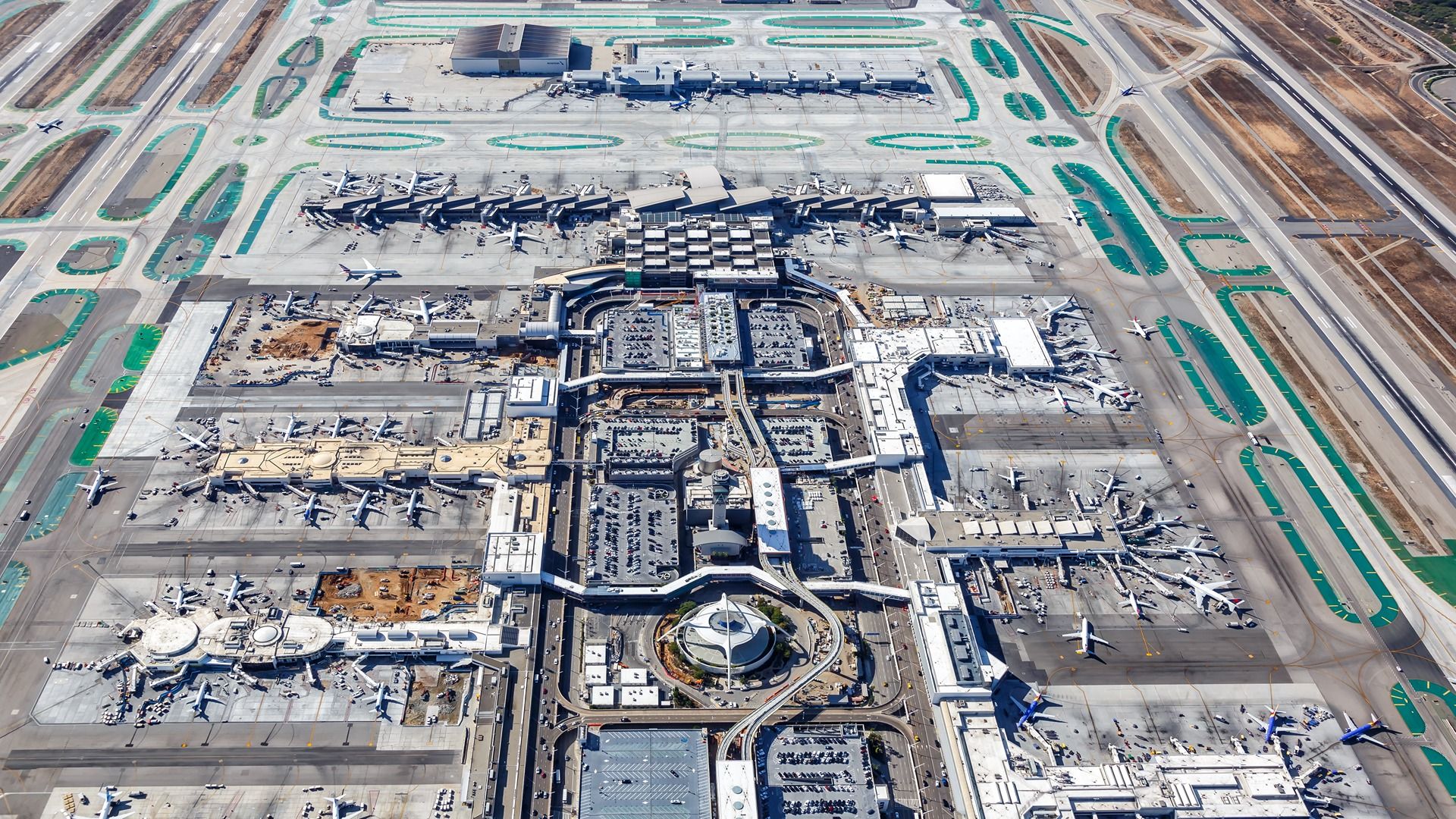
With the 2028 Olympic Games set to be held in Los Angeles, the city’s main airport has been proactively taking steps and implementing infrastructural upgrades to ensure passenger flow in and around the airport is seamless, while also ensuring the airport itself will be capable of handling the influx of passengers such major events are bound to bring in.
While the upgrades to the airport’s terminals are already underway, the airport has now greenlit the project to rebuild the roads around the airport to facilitate the existing demand and the demand the event is set to bring.
Improving Roads Around LAX Airport

 Los Angeles International Airport (LAX) is one of the busiest airports in the US, and the traffic flowing through the airport is only going to grow, with the airport expecting an influx of passengers in 2028 when the city hosts the Olympic and Paralympic Games. While the airport has already begun working on improving the airport’s terminal infrastructure, as per reports from the Los Angeles Times, it has now approved a $1.5 billion plan to improve road accessibility.
LAX’s board sees this project as a way to improve passenger flow in and out of the airport, while simultaneously reducing congestion on public roads such as Sepulveda and Century Boulevards close to the airport. A key area of focus will also be the famous horseshoe roadway, which is expected to facilitate the same level of traffic, but the improvements made should make it easier for drivers to enter and exit the road.
The proposed plan is expected to complete phase one, two months before the 2028 games begin, while the second phase of the project is planned to be completed by 2030. LAX Board President Karim Webb commented,
“The ATMP Roadway project is one of the most significant investments made to improve traffic in and around LAX.”
Let’s Look At Some Numbers

As per the data reported and the press release from Los Angeles World Airports, the proposed plan will see 4.4 miles of roads being reconfigured, which also stretches the original length of the road by a quarter mile, to remove over 500 cars from the aforementioned Sepulveda Boulevard “at any given time”. This is expected to translate to safer crossings and less time spent at traffic lights for the pedestrians in the area.
Apart from directing cars to circumnavigate the airport hotels away from the skyway ramp, the reconfiguration is planned to include two new off-ramps and three “through lanes”, which should allow seamless access to Imperial Highway and 105 Freeway, while easing pressure at the choke point experienced at Lincoln and Sepulveda Boulevards.
Ultimately, the reconfigured roads would separate the traffic to the airport from the local circulation, which subsequently reduces conflicts in the traffic flow, providing airport-bound cars with easy access to the terminals, while providing easier navigation for local traffic, and improving safety for pedestrians in the locale.
What About The Terminal Infrastructure?

Since October 28, Terminal 5 of LAX has been closed off, as the airport plans to completely demolish the terminal structure and rebuild it with a new and modern design, featuring a variety of enhanced amenities, inter-terminal accessibility, and easier passenger flow throughout the building. A key aspect of this project will be that, once completed, Terminal 4 and Terminal 5 will be connected, thereby the combined area of the two covering over 300,000 square feet.
The $200 million project will not only improve passenger experience at the upcoming terminal, but also allow for increased passenger throughput with the help of upgrades such as an increased number of access points and improved security screenings across the terminal security lanes.
Additionally, LAX recently completed its new satellite midfield terminal within the airport, which further increases capacity at the airport, providing gate infrastructure for airlines. Overall, a lot has been changing at the airport, and it is expected to continue in the coming years. It will be interesting to observe how these changes will affect the traffic flow of passengers and airlines flying in and out of the airport in the coming years, as LAX expands its facilities.
source
