

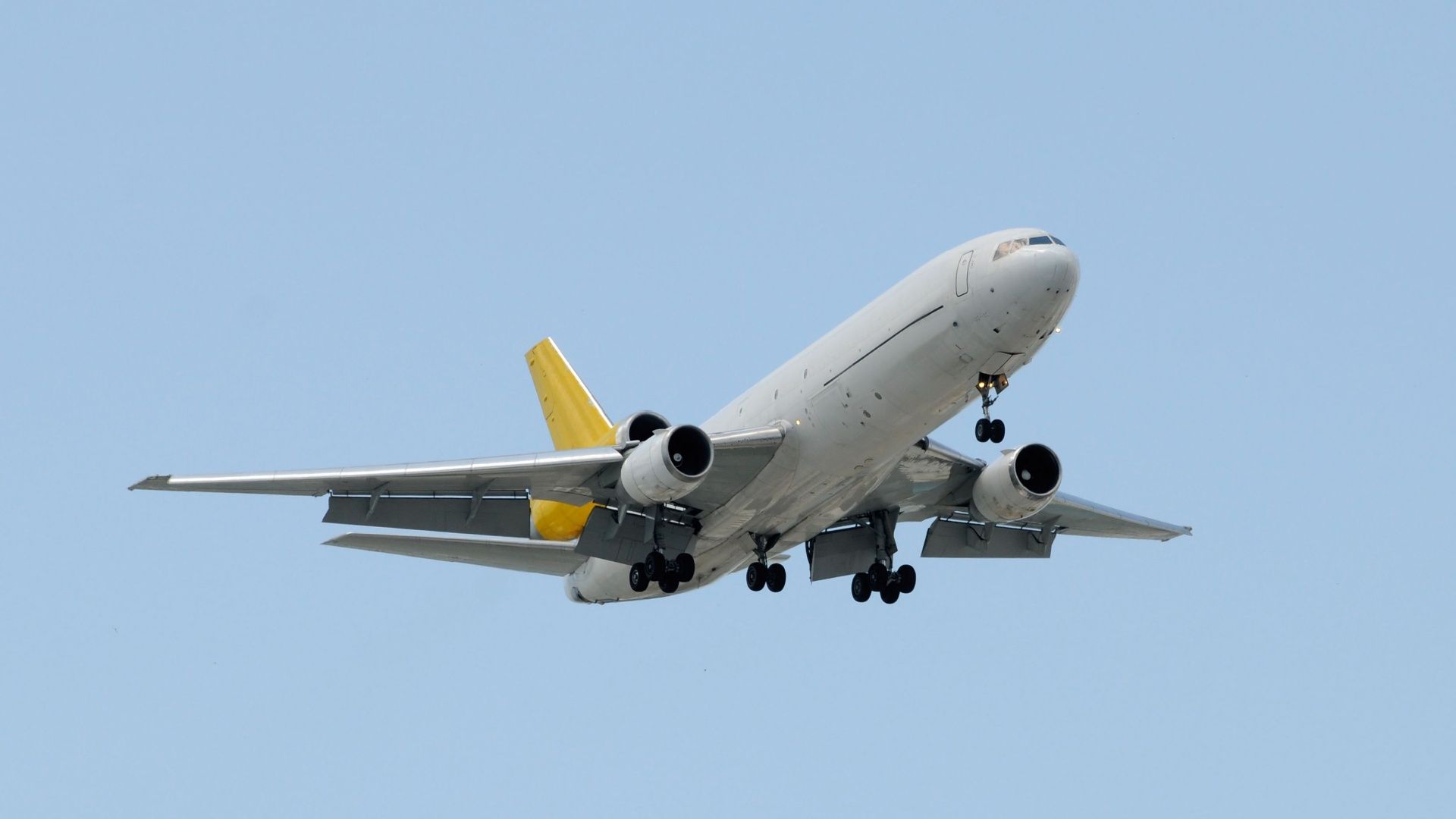
The Federal Aviation Administration (FAA) has widened its emergency response to a serious engine pylon issue that was first uncovered on the MD-11 freighter fleet. Days after grounding the McDonnell Douglas MD-11F for urgent inspections following the tragic and ultimately fatal crash of UPS Airlines Flight 2976 in Louisville, aerospace regulators in the United States have now expanded the same emergency airworthiness directive to include the older Douglas DC-10 variants.
The move reflects mounting concerns that common design features in the engine pylon structure could expose Douglas DC-10s to the same risk of engine-pylon separation seen on the UPS flight in question. Operators flying these aging tri-jets now face immediate inspections, possible grounding, and major fleet disruptions. The only bright light in this story is that since the Douglas DC-10 is such an old aircraft, it barely remains in operation, and this poses a relatively limited risk across the board.
What Are The Key Developments In This Story?

This story began with the crash of UPS Airlines Flight 2976, an MD-11F that lost an engine and pylon shortly after takeoff from Louisville, an incident which killed the three crew members and multiple people on the ground. In the wake of this crash,  Boeing urged all McDonnell Douglas MD-11 freighter operators to suspend flights while engineering analysis of the engine pylons was carried out. It ultimately appears that similar concerns emerged for the older DC-10 model, a jet that has one of the most troubled safety reputations in aviation history that dating back decades.
The FAA issued an emergency airworthiness directive grounding the type until inspections and corrective actions could be performed. Now, the FAA has determined that the Douglas DC-10 and the MD-11 models share sufficiently similar pylon design features that they pose equal structural risk, according to a breakdown from FlightRadar24. A superseding emergency directive expands mandatory inspections and prohibits further flights for affected DC-10s until stringent inspections are passed.
What Does This Mean For DC-10 Operators?

For the small group of cargo carriers still flying the Douglas DC-10 and the McDonnell Douglas MD-11, this expanded directive is operationally painful but not all that surprising. Aircraft cannot legally take to the skies until pylons and associated aircraft structures have been thoroughly inspected with FAA-approved procedures and repaired should faults be identified.
The short-term consequence of this is immediate schedule disruption and the re-routing of freight onto other fleets, with potential contractual penalties if capacity cannot be replaced quickly. Maintenance organizations must pull experienced engineers, specialized tooling, and scarce spare parts into hangars at relatively short notice, tying up bays and manpower that were likely already committed to the task.
Insurance and lessor scrutiny will likely intensify, and some operators may accelerate existing retirement plans rather than invest heavily in compliance on aircraft already nearing the end of their economic lives. In the near term, the directive tightens widebody freighter capacity and raises costs. In the longer term, it could hasten the exit of classic tri-jets from frontline cargo service.
Why Did The FAA Decide To Do This?

The FAA’s decision stems from a classic “common cause” concern, with initial accident investigations of the UPS MD-11F accident pointing to catastrophic failures that occurred in the left-hand engine. In the accident, the engine and the pylon separated from the wing during a high-power takeoff.
Because the MD-11 and the DC-10 share a common type certificate and closely related pylon architecture, engineers quickly concluded that an unsafe condition might exist across the entire tri-jet family. Emergency directives are reserved for hazards that could compromise the continued safe flight and landing of an aircraft.
An engine-pylon separation directly at takeoff clearly poses a significant concern. Regulators would rather not wait for evidence that the same issue is affecting DC-10 fleets, but instead, the FAA is choosing a precautionary path. The organization is grounding affected aircraft until inspections verify the aircraft’s structural integrity. The goal now is to contain risks and then refine longer-term fixes once the root cause is fully understood.
source
