

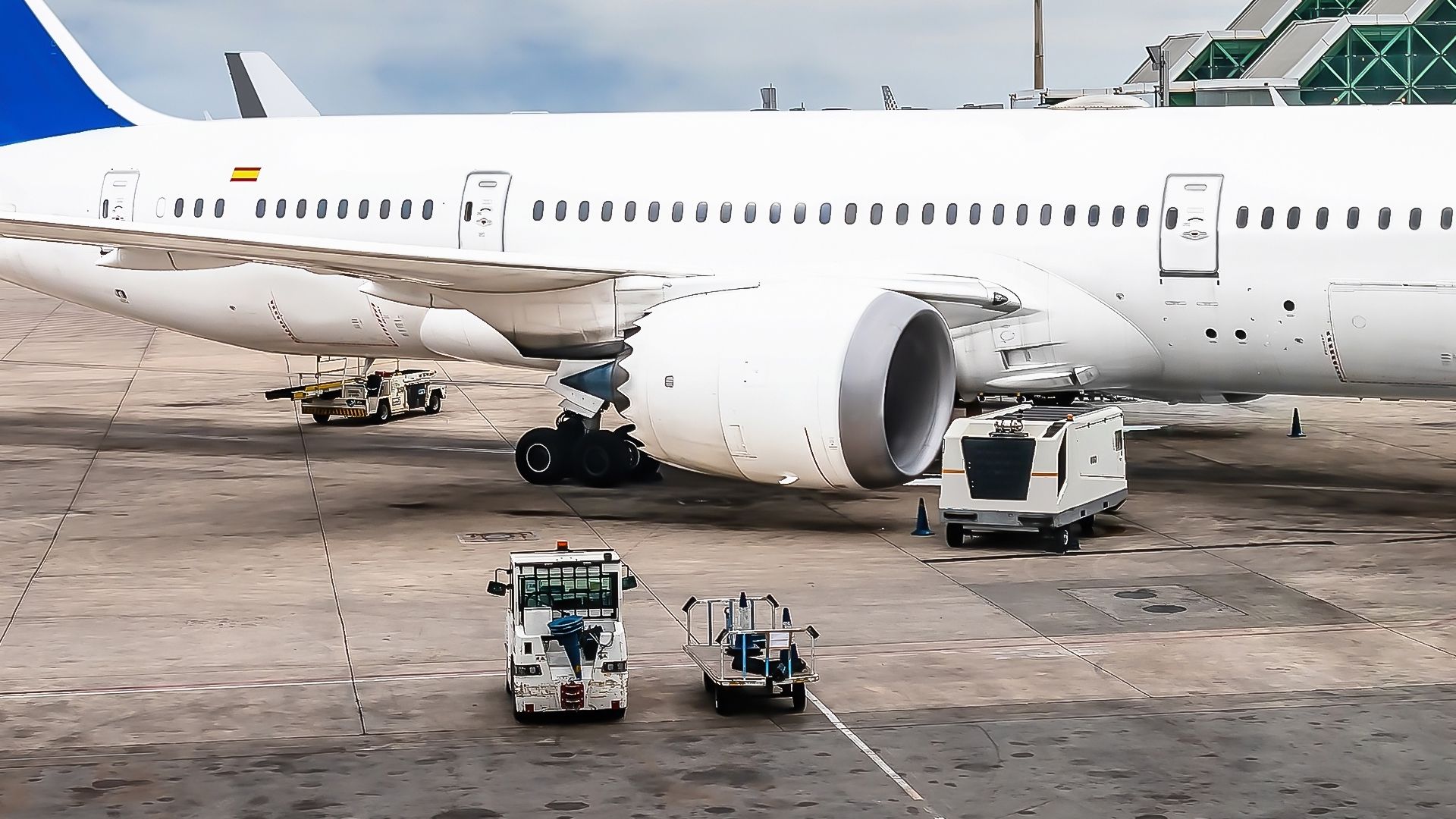
The Rolls-Royce Trent 1000 powers the Boeing 787, and this dynamic engine was designed around a high bypass ratio for lower fuel burn and noise output. Service experience revealed some durability shortfalls, mostly when it came to blade and seal issues in intermediate and high-pressure sections. This ultimately triggered an airworthiness directive from the European Union Aviation Safety Agency (EASA) and the Federal Aviation Administration (FAA), which was quickly followed by inspections, de-pairing rules, and accelerated shop visits.
Rolls-Royce introduced redesigned parts, new inspection regimes, and, most recently, durability enhancement packages and a new blade that aims to more than double overall time-on-wing. While these technical fixes continue to mature, lingering supply chain and MRO capacity constraints have occasionally disrupted airline schedules, especially at large Boeing 787 operators with large Trent 1000 engine fleets. The new variant will be named the Trent 1000 XE, and it aims to offer significantly better on-wing performance.
What Are The Key Developments In This Story?

Beginning originally in 2018, regulators required repeated borescope inspections of Trent 1000 engines after early service removals were required following the observation of corrosion-related fatigue on certain variants. FAA and EASA directives soon after formalized this regulatory regime. Rolls-Royce then moved to accelerate inspections on some variants while rolling out successive design fixes.
In 2024 and 2025, the company launched multiple enhancement packages for the Trent 1000 engine after flight testing was completed, and certification was quickly targeted for mid-2025. In parallel, Rolls-Royce has been expanding shop-visit capacity to clear backlogs. Across the board, the program has shifted from reactive inspections to structural durability upgrades that are intended to materially extend time-on-wing and reduce overall operational disruptions, according to engine manufacturer Rolls-Royce. Customers are likely pleased to hear about the Trent 1000 XE, as it will improve overall engine performance and lower long-term operating and maintenance costs for airlines across the board.
What Are The Financial Implications Of This For Rolls-Royce?

The Trent 1000’s remediation created multi-year costs, an issue that Rolls-Royce has had to address as its fleet continues to mature and engine time-on-wing continues to increase. Needless to say, investors were not thrilled by this particular development, one that was rather taxing on the engine manufacturer’s long-term growth picture.
At the end of 2023, the company still carried extensive Trent-related time-on-wing risk, with sensitivity to changes in shop-visit throughput and blade-certification timing being particularly concerning issues to customers and the airline’s management team. Historically, these issues contributed to significant charges and rapidly growing engine-related costs.
The airline’s current operational picture is much stronger, with 2024 results showing a sharply higher operating profit and improved free cash flow. At the same time, the company restored dividends and announced a massive $1.3 billion buyback program while investing in overhauling capacity, increasing engine overhaul throughput by at least 50% over earlier 2023 capabilities. Risks continue to define the engine manufacturer’s overall financial story, with supply-chain and durability risks underpinning the larger challenges the company is facing.
What Are The Potential Impacts On Airlines?

Airlines have faced aircraft groundings as a result of these engine-related complications. This has forced carriers to make major operational shifts, especially when it comes to long-haul overwater routes operated by the  Boeing 787. These schedule disruptions only propagate as effective engines are cycled through longer inspections and earlier shop visits. British Airways and Virgin Atlantic, among other North Atlantic carriers, deferred Boeing 787 services to 2024 due to extensive Trent 1000 XE engine delays and limited maintenance hangar slots.
These are similar constraints that affected carriers earlier in the aircraft’s service cycle, with ANA being a chief example. Operational networks were thinned, and the spare-engine pool was stretched, leading short-term leasing rates to skyrocket. Crew and aircraft rotations had to be re-planned, raising disruption costs and eroding overall customer satisfaction. The airline’s near-term outlook continues to improve as new blades and durability packages are added.
Rolls-Royce continues to increase shop-visit capacity, reducing unplanned engine removals and easing overall spare parts pressure. Operators should still budget conservatively for engine downtime and have engines available that can provide contingency lift until the upgraded hardware is fully deployed across fleets.
source
