

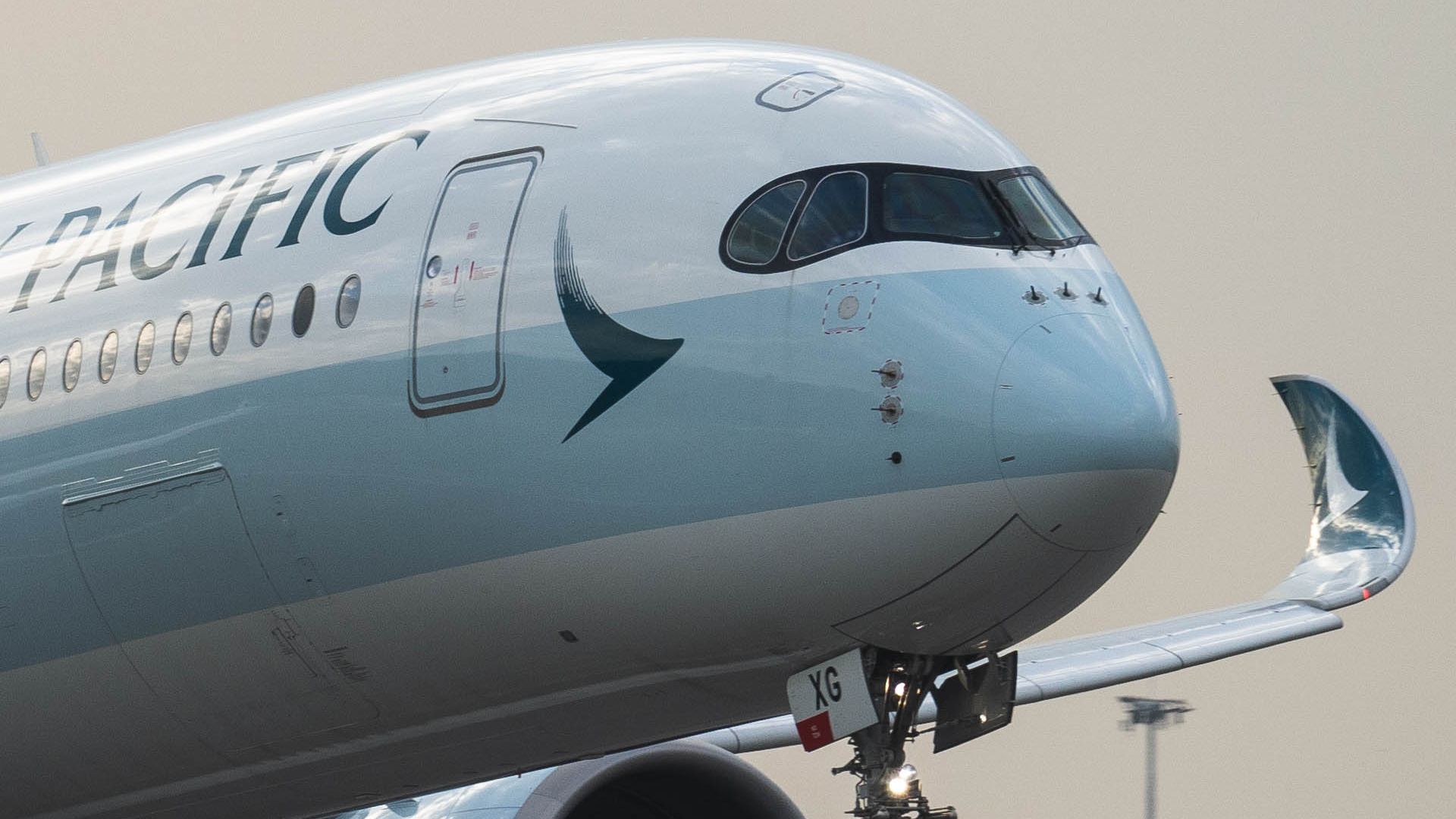
Hong Kong-based flag carrier Cathay Pacific and European Aerospace manufacturing giant Airbus have agreed to co-invest up to $70 million to accelerate Sustainable Aviation Fuel (SAF) production in Asia and across the globe. An agreement announced in Hong Kong during the International Air Transport Association (IATA) World Sustainability Symposium, this partnership will identify and fund commercially viable, technologically mature projects with strong long-term potential.
The goal of this project, according to its leaders, Alex McGowan from Cathay and Anand Stanley from Airbus, will be to help scale SAF towards 2030 and beyond. These two companies will also advocate for supportive SAF policies across Asia, leveraging the region’s feedstocks and demand. This deal complements Cathay’s recent launch investment in the Oneworld alliance’s Breakthrough Energy Ventures SAF fund, by targeting nearer-term, more mature opportunities.
A Deeper Look At This Specific Announcement

Cathay Pacific and Airbus will co-invest up to $70 million to accelerate Sustainable Aviation Fuel (SAF) production. This partnership will identify, evaluate, and fund projects designed to support the long-term development of sustainable fuels. Selection criteria for these projects will include commercial viability, technological maturity, and the potential for long-term procurement.
These companies will also collaborate in a way seldom seen in the Sustainable Aviation Fuel space, both on the supply and the demand side of the SAF question. This announcement was made by Cathay’s Chief Operations and Service Delivery Officer, Alex McGowan, and Airbus President Asia Pacific, Anand Stanley. In a statement seen by Simple Flying, Anand had the following words to share on the matter:
“This agreement reflects the shared commitment of Airbus and Cathay to make a real difference. The production and distribution of affordable SAF at scale requires an unprecedented cross-sectoral approach.”
A Deeper Look At What This Means For Cathay Pacific

From a practical perspective, this deal gives Cathay Pacific earlier, cheaper, and more reliable access to sustainable aviation fuel (SAF) while Asia’s supply remains nascent. Co-investing with Airbus gives Cathay the ability to influence which plants get built, lock in long-term procurement at negotiable prices, and diversify its access to the fuel across the board in order to help it better comply with emerging blending mandates.
This also helps the airline deepen ties with corporate customers that are looking to reduce their overall carbon footprint and support them with green surcharges and co-funded SAF programs that can defend yields. From a financial perspective, Cathay gets optional upside from project equity in addition to an actionable hedge against future SAF scarcity that could widen cost gaps versus the airline’s peers.
From a strategic standpoint, this pairing creates a near-to-medium-term pipeline that creates a barbell across multiple time horizons. The main risks to this are execution, policy lags, or fragmentation in Asian markets, as well as sustained price control over the nascent SAF pipeline in East Asia.
A Deeper Look At What This Means For Airbus

For European aerospace manufacturer Airbus, this partnership achieves three goals. The company is first looking to secure SAF supply for airline customers while strengthening its overall decarbonization narrative. The manufacturer has long wanted to secure its position as one of the industry’s leaders in terms of sustainable aviation fuel production. This move opens a repeatable co-investment model that can serve as the groundwork for other partnerships across the region.
By helping finance commercially viable SAF plants, Airbus supports European-style refueling mandates and the reduction of delivery flight emissions, all while helping make the future SAF-ready. This offers more credibility to the manufacturer’s Airbus A320neo, Airbus A330neo, and Airbus A350 campaigns. This further deepens the company’s ties with Cathay Pacific and other airlines from across the Asia-Pacific region, potentially aiding in sales and service uptake.
From a financial perspective, the manufacturer’s equity stake in the matter helps it maintain optionality while hedging SAF scarcity that ultimately could slow overall fleet renewal. Policy collaboration will elevate Airbus’s influence on feedstocks and standards. The key risks involved are project delays, policy fragmentation, and returns that trail internal thresholds.
source
