

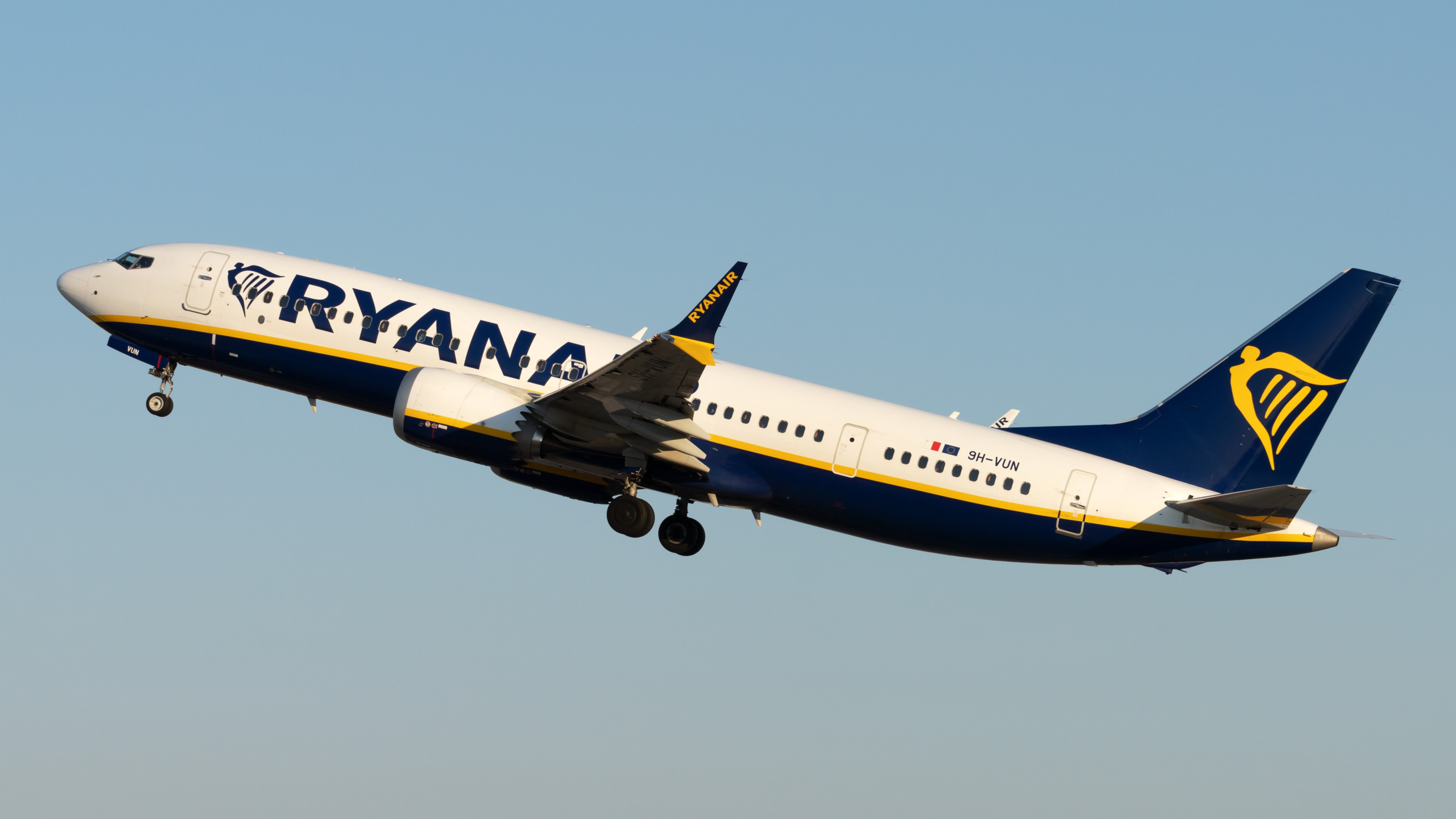
In the wake of Iceland’s Play ceasing operations and Swedish carrier Braathens filing for bankruptcy, the Group CEO of Ryanair explicitly states he believes carriers such as easyJet and Wizz, among other carriers in the continent, are in serious trouble. While known for his outspoken views and comments, one thing Michael O’Leary knows for sure is the business of running an airline.
Ryanair itself, having made considerable changes in its network recently, it appears that all three significant low-cost carriers within Europe are going through their own challenges.
Strong Statements From Ryanair Group CEO

In a recent interview with the Italian publication Corriere Della Sera, the Group CEO of Ryanair, Michael O’Leary made strong statements about fellow carriers within Europe, namely Wizz Air and easyJet. The interview, having been conducted in the wake of Play ceasing operations and Braathens filing for bankruptcy, O’Leary was asked if more airlines would cease operations, to which the CEO stated that there are a number of airlines within the continent claiming to be low-cost but operating with high-cost structures.
O’Leary further stated that in his view, there could be more airlines going bankrupt by Christmas and stated:
“I also think Wizz Air is in trouble.”
“Not even easyJet: it’s not in trouble, but it’s not growing.”
The CEO also stated that he believes easyJet’s operations will be acquired in the medium term:
“In the medium term, I think Air France-KLM will buy easyJet’s operations in Paris and Switzerland. And maybe British Airways will buy those at Gatwick.”
The reason behind these statements? Among others, he stated that easyJet is “not growing” with having a strong presence in only limited destinations, while Wizz Air’s “growth has stopped” and spoke about the network restructuring the airline has been going through, including closing its Abu Dhabi operations earlier this year.
Reduced Profits And Network Restructuring For Wizz

In the case of Wizz, it has been challenging for the airline, with CAPA reporting this Summer that the Group reported a reduction in its net profits by 42% and a reduction in the airline’s operating margin by 5.4%. A key reason for this was cited as the airline had to ground nearly 20% of its fleet due to issues with Pratt & Whitney’s Geared Turbofan (GTF) engines. While this slowed the airline’s capacity growth, Wizz still reported revenue growth of 3.8%.
Apart from reduced profits, the airline during the summer also made the decision to close its base in Abu Dhabi, thereby significantly reducing its presence in the Middle Eastern market. The airline cited that the weather in the region affected the aircraft’s engines and therefore created negative operational impacts. Additionally, the rising geopolitical unrest in the region forced the airline to ground aircraft, utilize inefficient flight paths, and scale back operations, thereby further affecting Wizz’s operations at the base.
Pulling out of Abu Dhabi meant the airline had to revisit its expansion plans, and as a result, the airline made a significant cut to its aircraft order with Airbus, reducing the number of Airbus A321XLR aircraft on order from 47 to 15.
However, often, scaling back and restructuring operations will enable the carrier to be more efficient and optimized, enabling the carrier to continue growing and thus, ultimately, if done right, this can be beneficial for Wizz’s future.
Ryanair Is Facing Its Own Disruptions

A brief look at Ryanair’s operations in recent months shows that the airline has also been facing some challenges and changes in its network. One key area of disruption to Ryanair, in terms of flight delays and cancellations, has been the French ATC personnel going on strike. While this has affected various airlines across Europe, Ryanair has been vocal about the issue of overflight protection and has been publicly calling out the President of the European Commission, Ursula von der Leyen, on social media to take action.
Other changes include the airline’s presence in Spain this Winter as the carrier decides to discontinue 12 routes due to excessive airport charges, thereby affecting the availability of nearly a million seats on the market, and instead, it will be looking to deploy these seats elsewhere across the network. Similarly, the carrier will also be ditching three airports in France due to high taxes, which effectively results in increased air fares.
Predating these changes during the summer, the carrier did state earlier this year that it would be raising its fares for the coming financial year.
source
