


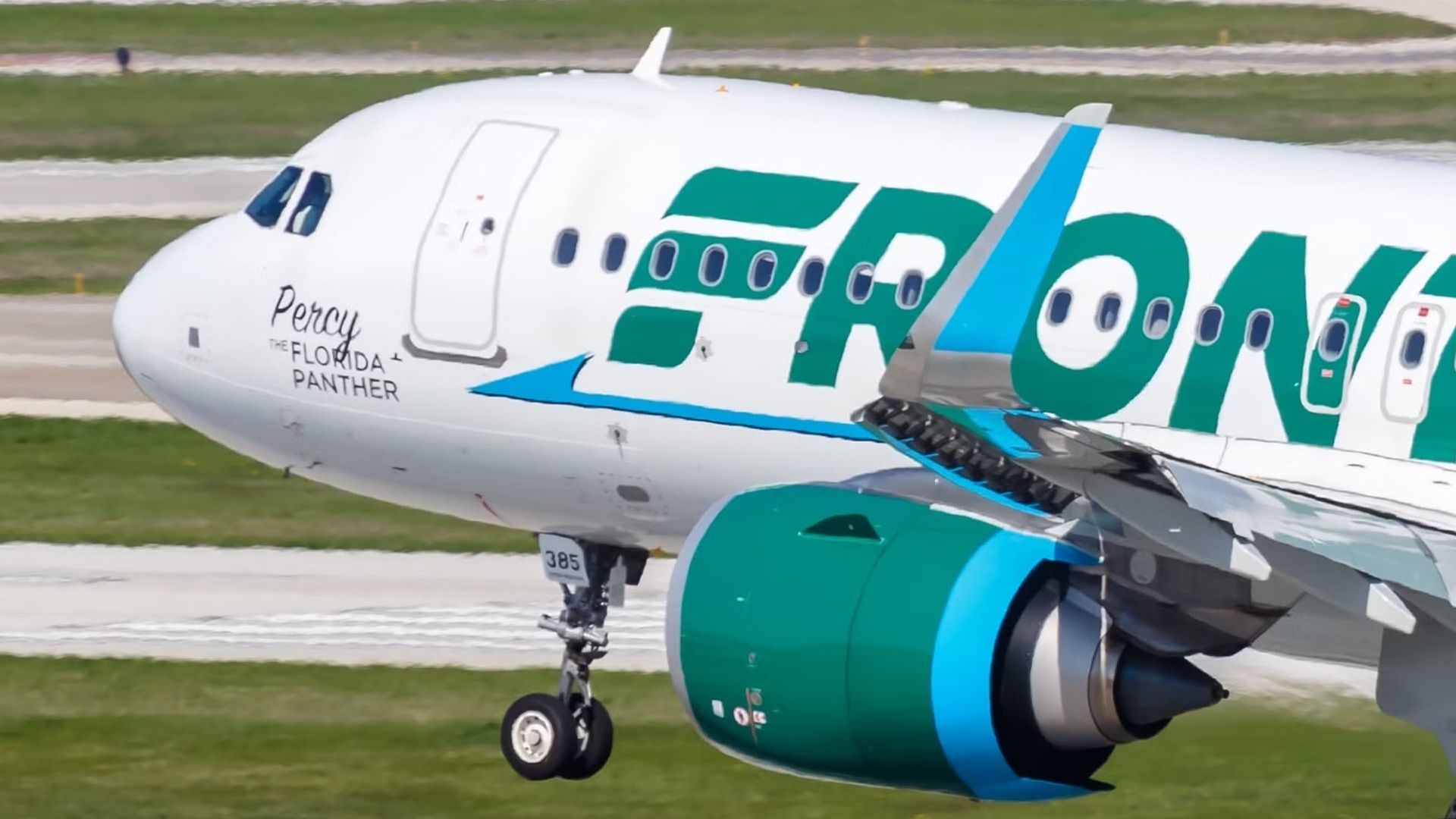
 United Airlines (NYSE: UAL) CEO Scott Kirby recently said that the ultra-low-cost carrier model is dying, and he predicted the imminent collapse of the now-bankrupt Spirit Airlines. In a statement to investors, Frontier Airlines (NYSE: ULCC) CEO Barry Biffle has a cold response to Scott Kirby, calling his comments “cute.” Biffle argued that the principal challenges facing the US industry are related to oversupply, not necessarily discount flying on its own. He cited a cost edge, arguing that the airline had a lower cost per available seat mile (CASM) than full-service airlines like United by a significant margin.
Biffle argued that price-sensitive travelers and customers were still in the market looking for airlines like Frontier. He added that airlines like JetBlue also have a role to play in the market, helping add capacity as Spirit Airlines leaves the market. Ultra-low-cost carriers do struggle with pricing pressure, as well as fare inflation and competition from legacy airlines offering basic economy products. Frontier Airlines posted a $70 million 2Q loss, targeting profitability growth in 2026.
A Deeper Look At What Was Said

Barry Biffle pushed back earlier today on Scott Kirby’s claim that the ultra-low-cost carrier business model was dead, arguing that the issue is not with the model at all but with execution and excess domestic capacity. He quickly insisted that operating economics still demonstrate that low-cost airlines like Frontier have a considerable edge, and that the Spirit Airlines story is primarily one of poor execution.
Frontier Airlines is moving quickly to fill gaps left by Spirit Airlines’ restructuring, with the airline adding dozens of routes in Spirit-dense markets and expecting seat growth to continue shrinking over the next two years as a result of this overcapacity. Biffle anticipates that yield reduction will follow. In a statement published by CNBC, the Frontier Airlines CEO had the following memorable words to share regarding supply and demand frictions and Kirby’s comment on the low-cost model being “dead.
“That’s cute. If he’s good at math he would understand that we have a [flight] oversupply issue in the United States.”

We view Barry Biffle’s comments as a direct response to Kirby’s aggressive analysis from over the weekend. The fiery CEO criticized quite a few things over the weekend, making several bold statements. Beyond claiming that the low-cost model was “dead,” Kirby also argued that American Airlines was losing $800 million in Chicago, a claim that no industry analysts have been able to formally verify.
Biffle’s math-related comment is especially poetic, given that Kirby’s supporting evidence for the low-cost model being “dead” was that he was “good at math.” It’s still somewhat unclear what he meant by this. Kirby pointed to Spirit’s poor margins and elected to generalize the company’s performance across the entire industry. We see this as an overly myopic view, which ignores the operating margin benefits that some low-cost carriers have been able to develop in recent years.
Frontier Airlines and Sun Country Airlines are both leading players in the nation’s low-cost aviation industry, and they have both seen margins move in the right direction. Other privately-held airlines, such as Breeze Airways and Avelo Airlines, are more difficult to analyze due to their private nature but exhibit similar properties.
What Is The Bottom Line?

Ultimately, this rhetoric is fairly characteristic of the extensive debate over the low-cost model in the modern aviation industry. Legacy carriers have looked to cannibalize budget airline market share in recent years, with United and its peers introducing new basic economy products.
There is no debating that some low-cost airlines have struggled extensively. Low-cost airlines like Spirit and Southwest have seen margins contract, with the latter becoming the subject of high-profile shareholder activism.
However, it is important to highlight that there are some low-cost airlines that have pioneered new kinds of business models and expanded rapidly in recent years. Breeze Airways and Avelo Airlines are good examples of these kinds of carriers.
