

Close Menu
FlyMarshallFlyMarshall
  • Aviation
    • AeroTime
    • Airways Magazine
    • Simple Flying
  • Corporate
    • AINonline
    • Corporate Jet Investor
  • Cargo
    • Air Cargo News
    • Cargo Facts
  • Military
    • The Aviationist
  • Defense
  • OEMs
    • Airbus RSS Directory
  • Regulators
    • EASA
    • USAF RSS Directory
What's Hot

Lufthansa Trials Reduced Cabin Cleaning Between Flights, But Only In Economy

March 21, 2026

Italian Eurofighters Intercept Russian Su-30 That Violated Estonian Airspace Over the Baltic Sea

March 20, 2026

Artemis II rocket rolls back to launch pad ahead of crewed Moon mission

March 20, 2026
Facebook X (Twitter) Instagram
Demo
  • Aviation
    • AeroTime
    • Airways Magazine
    • Simple Flying
  • Corporate
    • AINonline
    • Corporate Jet Investor
  • Cargo
    • Air Cargo News
    • Cargo Facts
  • Military
    • The Aviationist
  • Defense
  • OEMs
    • Airbus RSS Directory
  • Regulators
    • EASA
    • USAF RSS Directory
Facebook X (Twitter) Instagram
Demo
Home » 5 Reasons to Use Tubular Rivets
Airbus RSS Directory

5 Reasons to Use Tubular Rivets

FlyMarshall NewsroomBy FlyMarshall NewsroomOctober 23, 2025No Comments3 Mins Read
Share
Facebook Twitter LinkedIn Pinterest Email

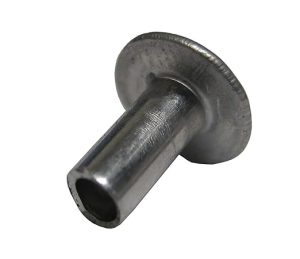
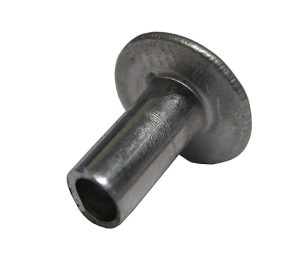
Tubular rivet

In the aerospace industry, rivets are often preferred over threaded fasteners because of their ability to resist vibrations. Rivets are permanent fasteners that, once installed, can’t be easily removed. Threaded fasteners, on the other hand, can loosen over time when exposed to vibrations.

There are different types of rivets, however. In addition to solid rivets, there are tubular rivets. Tubular rivets are characterized by a hollow shank. They are placed in precut holes, after which they are deformed with a tool. Here are five reasons to use tubular rivets.

#1) Strong Joints

You can rest assured knowing that tubular rivets create strong joints. Like all fasteners, they are used to join two or more parts. You can drive a tubular rivet through a set of parts, and after deforming the shank, the parts will be joined. But tubular rivets create particularly strong joints thanks to their hollow shank. When deformed, the shank will expand and wrap around the back side of the parts, thereby securing the joint and protecting against vibration-related loosening.

#2) Lightweight

Tubular rivets aren’t just strong; they are lightweight. With their hollow shank, they weigh less than many other types of fasteners, including solid rivets. This is one of the reasons why tubular rivets are used extensively in the aerospace industry. Lightweight fasteners promote better fuel efficiency, which translates into cost-savings benefits for airliners and operators.

#3) Easy to Install

Some people assume that tubular rivets are difficult to install, but this isn’t the case. All you need is the right tool. Installation involves placing the tubular rivet all the way through a hole. The head should be flush against the front of the material, and the shank should be visible on the back side. You can then use a tool, such as a rivet setter or hammer, to deform the hollow end of the shank.

#4) Available in Different Styles

Not all tubular rivets are the same. While they all feature a hollow shank, tubular rivets are available in different styles. Semi-tubular rivets, for instance, have a partially hollow shank, which increases their total weight but allows for less force during installation. Split rivets feature a split at the end of the shaft, which expands during installation. Finally, full tubular rivets have an extra deep shank that typically extends up to the head.

#5) Clean Aesthetics

Another reason to use tubular rivets is aesthetics. They look cleaner and more polished than many other types of fasteners. When installed correctly, both the head and the deformed shank offer a clean appearance. Threaded fasteners, in comparison, will often have an exposed shank sticking out the back of the material in which they are installed.

source

FlyMarshall Newsroom
  • Website

Related Posts

The Beginner’s Guide to Air Valves

March 20, 2026

What Are Total Air Temperature Probe and Why Do Airplanes Use Them?

March 18, 2026

Zinc vs Cadmium-Plated Aerospace Fasteners

March 16, 2026

What Are Breather Vents and Why Do Airplanes Use Them?

March 13, 2026
Add A Comment
Leave A Reply Cancel Reply

Latest Posts

Lufthansa Trials Reduced Cabin Cleaning Between Flights, But Only In Economy

March 21, 2026

Italian Eurofighters Intercept Russian Su-30 That Violated Estonian Airspace Over the Baltic Sea

March 20, 2026

Artemis II rocket rolls back to launch pad ahead of crewed Moon mission

March 20, 2026

B-52s Launch from RAF Fairford with Impressive Cruise Missile Payload

March 20, 2026

Subscribe to Updates

Please enable JavaScript in your browser to complete this form.
Loading
About Us

Welcome to FlyMarshall — where information meets altitude. We believe aviation isn’t just about aircraft and routes; it’s about stories in flight, innovations that propel us forward, and the people who make the skies safer, smarter, and more connected.


Useful Links
  • Business / Corporate Aviation
  • Cargo
  • Commercial Aviation
  • Defense News (Air)
  • Military / Defense Aviation
Quick Links
  • About Us
  • Contact Us
  • Disclaimer
  • Privacy Policy
  • Terms and Conditions

Subscribe to Updates

Please enable JavaScript in your browser to complete this form.
Loading
Copyright © 2026 Flymarshall.All Right Reserved
  • About Us
  • Contact Us
  • Disclaimer
  • Privacy Policy
  • Terms and Conditions

Type above and press Enter to search. Press Esc to cancel.

Go to mobile version