



When Airbus introduced the A350 in 2015 , it was billed as the next generation of long-range, widebody aircraft. With its eye-catching design and impressive operational efficiency, the aircraft has proved popular with passengers and airlines alike around the world. However, the upcoming Boeing 777X, and to a certain extent, the existing 787, boast a number of unique design features that are set to give Airbus a run for its money.
In this article, we will take a closer look at both the 

The Boeing 777X – A Superior Passenger Experience

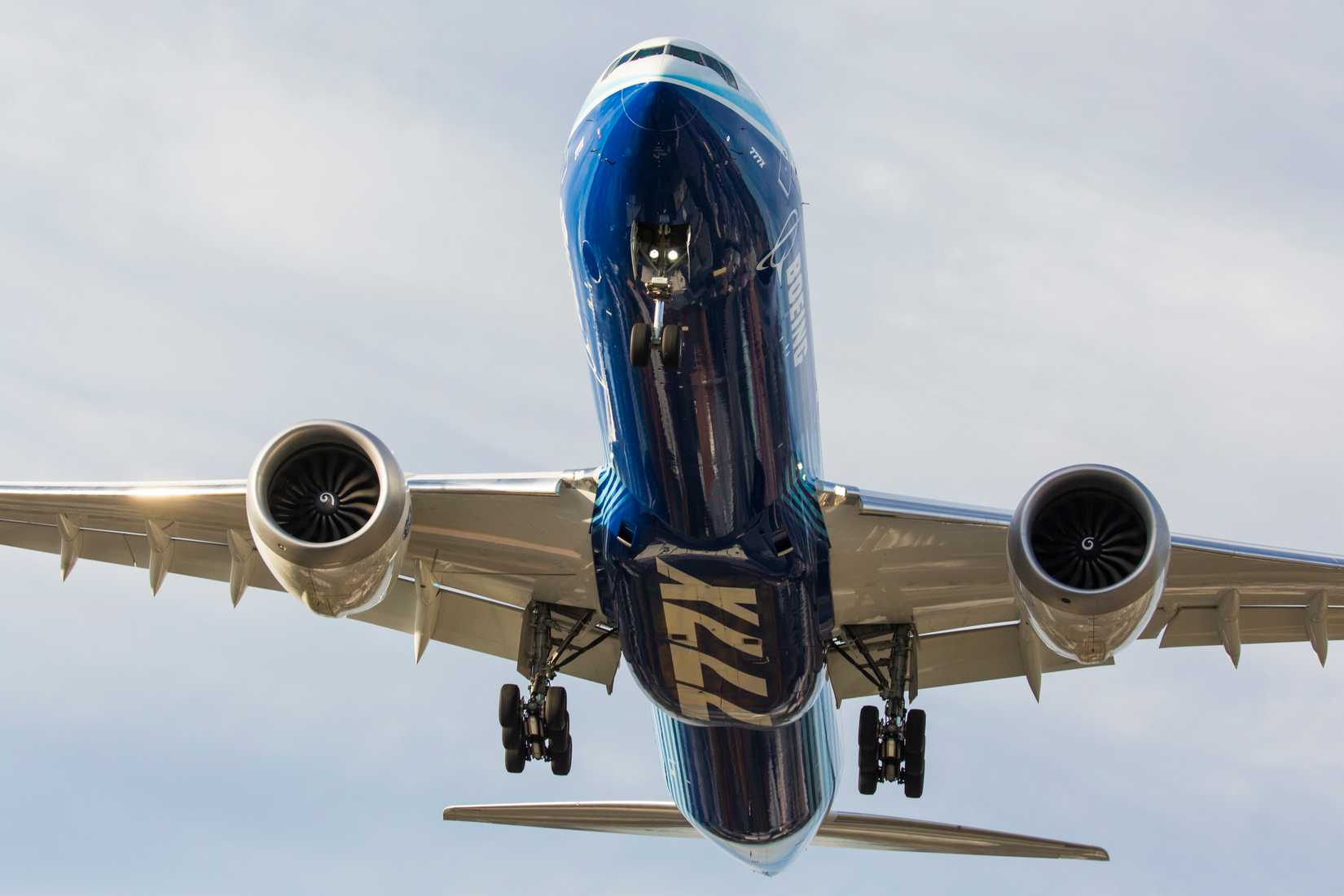
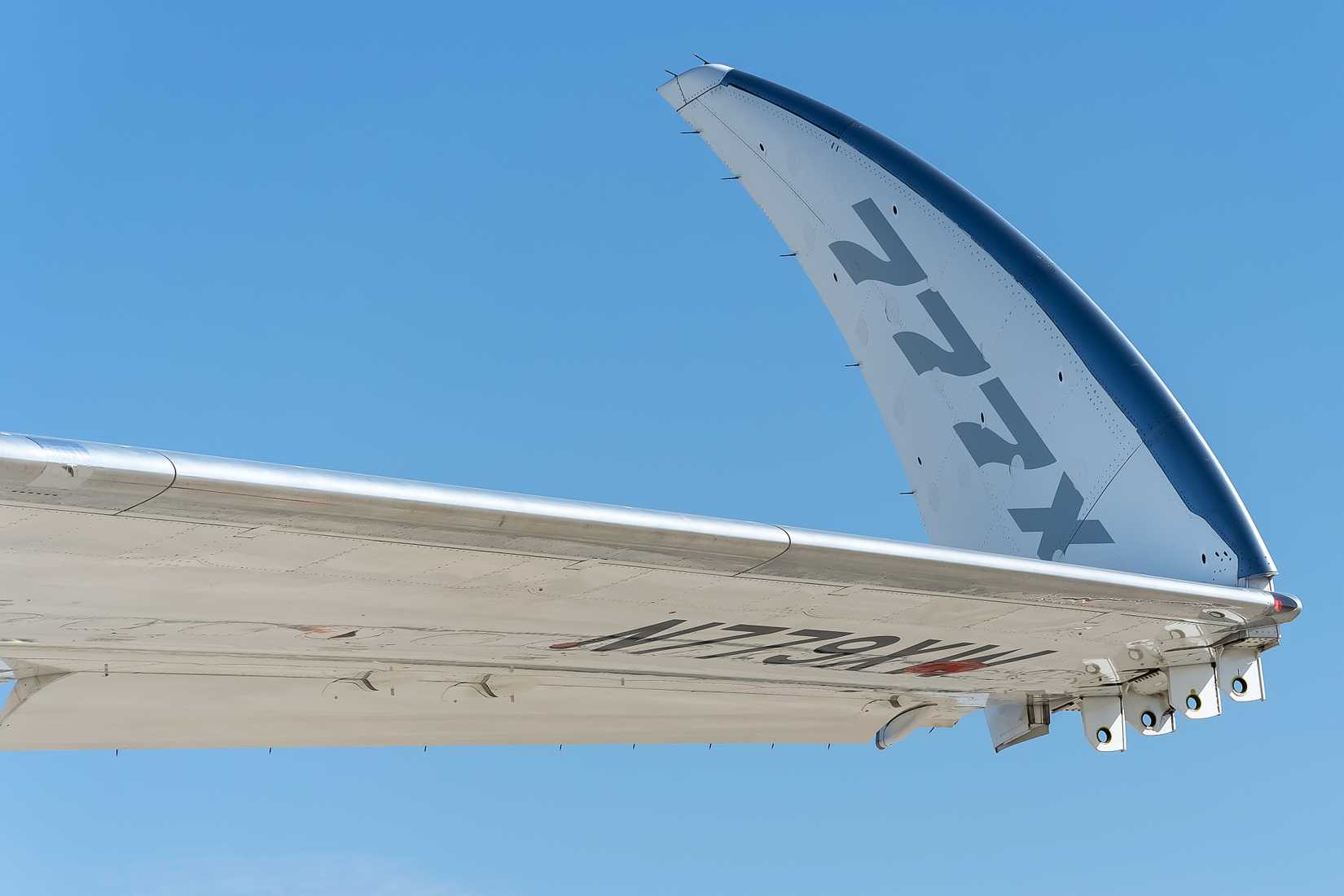
The Boeing 777X will come with many groundbreaking features, including its folding wingtips, which allow it to achieve maximum operational efficiency inflight, yet still be compatible with existing airport infrastructure. This is in contrast to the Airbus A380, which, when it was introduced in 2007, required airports to modify their existing infrastructure, needing larger boarding gates, additional jetbridges, and reinforced ramp areas.
In addition, the aircraft will be powered by two General Electric GE9X engines, which are the largest and most powerful commercial aircraft engines ever produced. However, another element that will set the 777X apart from its competitors is its superior passenger experience.
The Boeing 777X has taken several design elements from the Boeing 787 and added to them. For example, one of its standout features is the thinner insulation, which creates a fuselage that is up to four inches wider, allowing for more spacious seating configurations and improved passenger flow. The cabin ceilings are also higher, creating a more open and less claustrophobic atmosphere. Meanwhile, the aircraft’s LED lighting systems are fully customizable, helping reduce jet lag by simulating natural light patterns.
The Boeing 777X features larger, electronically dimmable windows that are 16% bigger than those on the current 777 variants, and have proved incredibly popular with passengers on the 787. These windows were easier to install on the primarily composite fuselage of the 787, and Boeing has kept a closely-guarded secret of how it was able to achieve the same result on the 777X’s primarily aluminum fuselage.
Noise insulation has been improved too, and better air filtration systems contribute to a quieter, healthier cabin environment. When it comes to the overhead lockers, they are larger than those found on previous aircraft, without encroaching on headroom.
What Do The Experts Say?

As reported by Aircraft Interiors International, Boeing’s Regional Director of Cabin Experience & Revenue Analysis, Kent Craver, celebrated the 777X’s superior cabin, saying,
“With the 777X, we have taken the architecture to the next level. Airlines can also have one ceiling treatment in one part of the aircraft and a different ceiling treatment in a different part, with a design cohesion that sees the spaces seamlessly transition from one to the other very elegantly, enabling airlines to specify different linings packages to differentiate each class, with a holistic design philosophy that ties it all together, with lighting, linings, bins ceilings, everything working together as a system.”
As a global aircraft provider, Boeing has also taken cultural differences into account when it comes to the design of the aircraft cabin. Boeing’s Director of Differentiation Strategy, Blake Emery, gave an example of how this was done in practice, saying,
“Because a commercial airplane is a truly global product, you need to understand how the product is perceived everywhere. You don’t want to design a cabin according to the values of only one culture, so our designs are based on our extensive research into the unarticulated needs of many cultures. In our research, we discovered some culturally specific values that may be useful to an airline wanting to brand based on their culture, but were not universal. We made a strategic decision to design in ways that incorporate only those values all cultures can appreciate. For example, it turns out that every culture has a slightly different perception of cleanliness, yet all cultures appreciate cleanliness. So our cabin designs take this into consideration, especially through material choices.”
About The Boeing 777X
The Boeing 777 series of aircraft has proved immensely popular with airlines around the world, with more than 1,500 examples being built and delivered since 1995. This means that the upcoming 777X has some big shoes to fill. The 777X was originally due to enter commercial service in 2020, but a series of delays has hit the program, with the aircraft’s first delivery date now pushed back to 2026.

Meanwhile, the Boeing 787 has also been incredibly successful for the US manufacturer, having already delivered more than 1,200 examples to carriers across the world as of October 2025. However, the 787 program has not been without its struggles, one of the earliest of which was with its production strategy. Boeing outsourced large portions of the 787’s manufacturing to global suppliers, which led to coordination problems, delays, and quality control issues. As a result, the aircraft’s entry into service was delayed by over three years, missing several key deadlines.
Technical problems have also plagued the Boeing 787, and in 2013, the entire global fleet was grounded due to lithium-ion battery fires. This was the first time since 1979 that the US Federal Aviation Administration (FAA) had grounded a commercial aircraft type, highlighting the severity of the issue. Although Boeing redesigned the battery system, the incident damaged confidence in the program.
Quality control problems resurfaced in later years, which led to delivery pauses and FAA investigations, and in some cases, aircraft already in service required inspections and rework, disrupting airline operations.
This seemingly never-ending list of setbacks affecting the Boeing 787 has given Airbus the edge when it comes to modern, widebody, long-haul aircraft, allowing the European manufacturer to bolster its reputation with the A350. However, the upcoming 777X may well be set to steal that crown.
How Does The Airbus A350 Compare?

The Airbus A350 and Boeing 777X are two of the most advanced long-haul aircraft, designed to meet the demands of modern air travel with improved efficiency, passenger comfort, and performance. Both aircraft target similar market segments, but they differ in design, materials, and technologies.
The Airbus A350 is built primarily from carbon-fiber-reinforced polymer, making it lighter and more fuel-efficient than the Boeing 777X. It offers lower operating costs and has been praised for its quiet cabin, high humidity levels, and lower cabin altitude, which help to improve passenger comfort on long-haul flights.
The Airbus A350 has also broken records, with the aircraft operating some of the longest non-stop commercial flights in the world. For example, 
Which Airlines Currently Operate The Boeing 787?
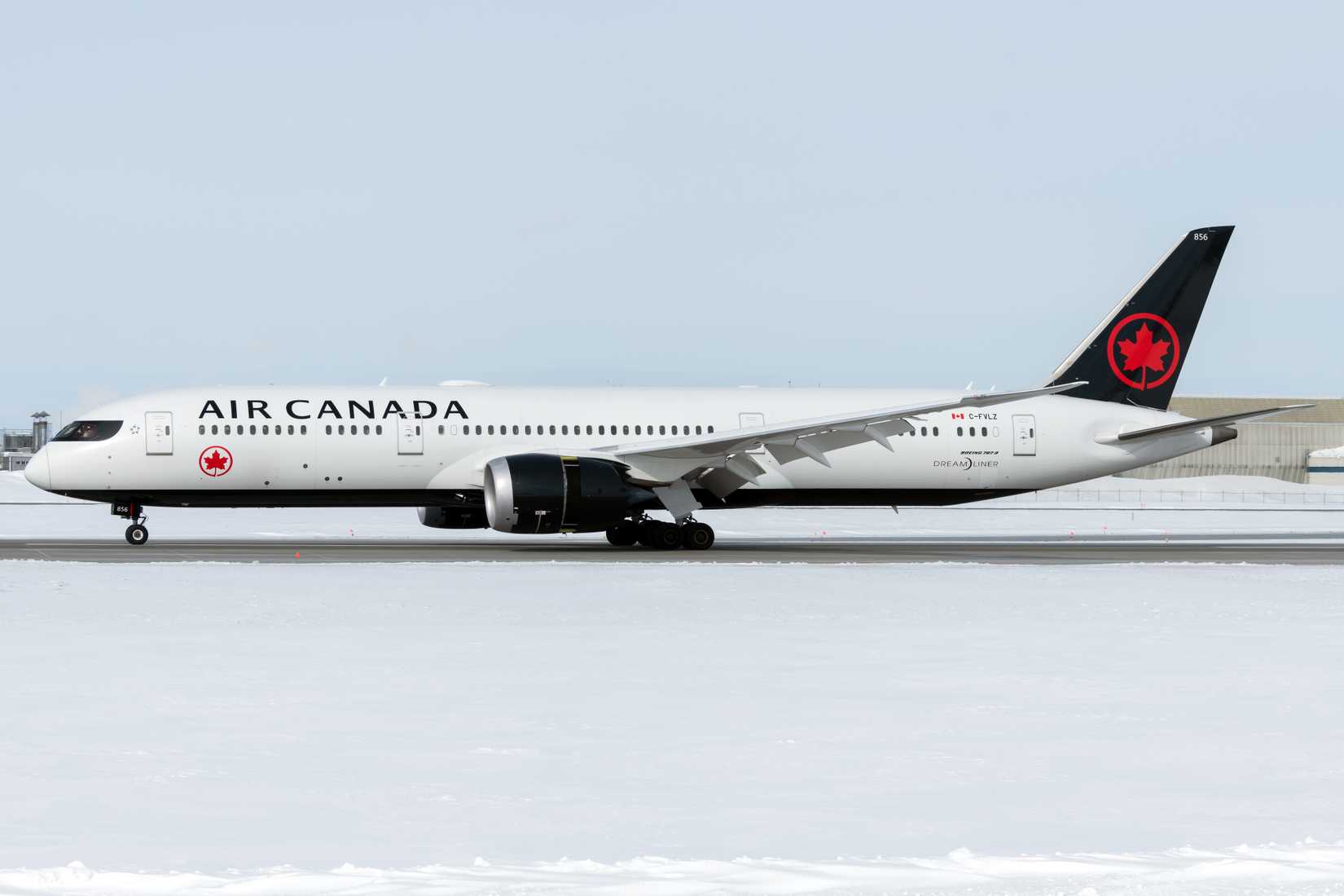
Since the Boeing 787 entered commercial service in 2011 with All Nippon Airways, the US manufacturer has built and delivered more than 1,200 of the aircraft across three different passenger variants.
The latest data from ch-aviation shows that the world’s largest operator of the Boeing 787 is currently All Nippon Airways, with the Star Alliance carrier’s fleet containing a total of 86 787s, made up of 34 787-8s, 44 787-9s, and eight 787-10s. All Nippon Airways is followed by United Airlines, with 78 787s, and American Airlines, with 63 787s.
The largest operators of the 787 are outlined in the table below:
|
Ranking |
Airline |
Boeing 787-8 |
Boeing 787-9 |
Boeing 787-10 |
Total |
|---|---|---|---|---|---|
|
1 |
All Nippon Airways |
34 |
44 |
8 |
86 |
|
2 |
United Airlines |
12 |
45 |
21 |
78 |
|
3 |
American Airlines |
37 |
26 |
– |
63 |
|
4 |
Qatar Airways |
31 |
23 |
– |
54 |
|
5 |
Japan Airlines |
23 |
22 |
– |
45 |
|
6 |
Etihad Airways |
– |
34 |
10 |
44 |
|
7 |
British Airways |
12 |
18 |
12 |
42 |
|
8 |
Air Canada |
8 |
32 |
– |
40 |
|
9 |
Hainan Airlines |
10 |
28 |
– |
38 |
|
10 |
LATAM Airlines |
10 |
26 |
– |
36 |
Which Airlines Have Ordered The Boeing 777X?

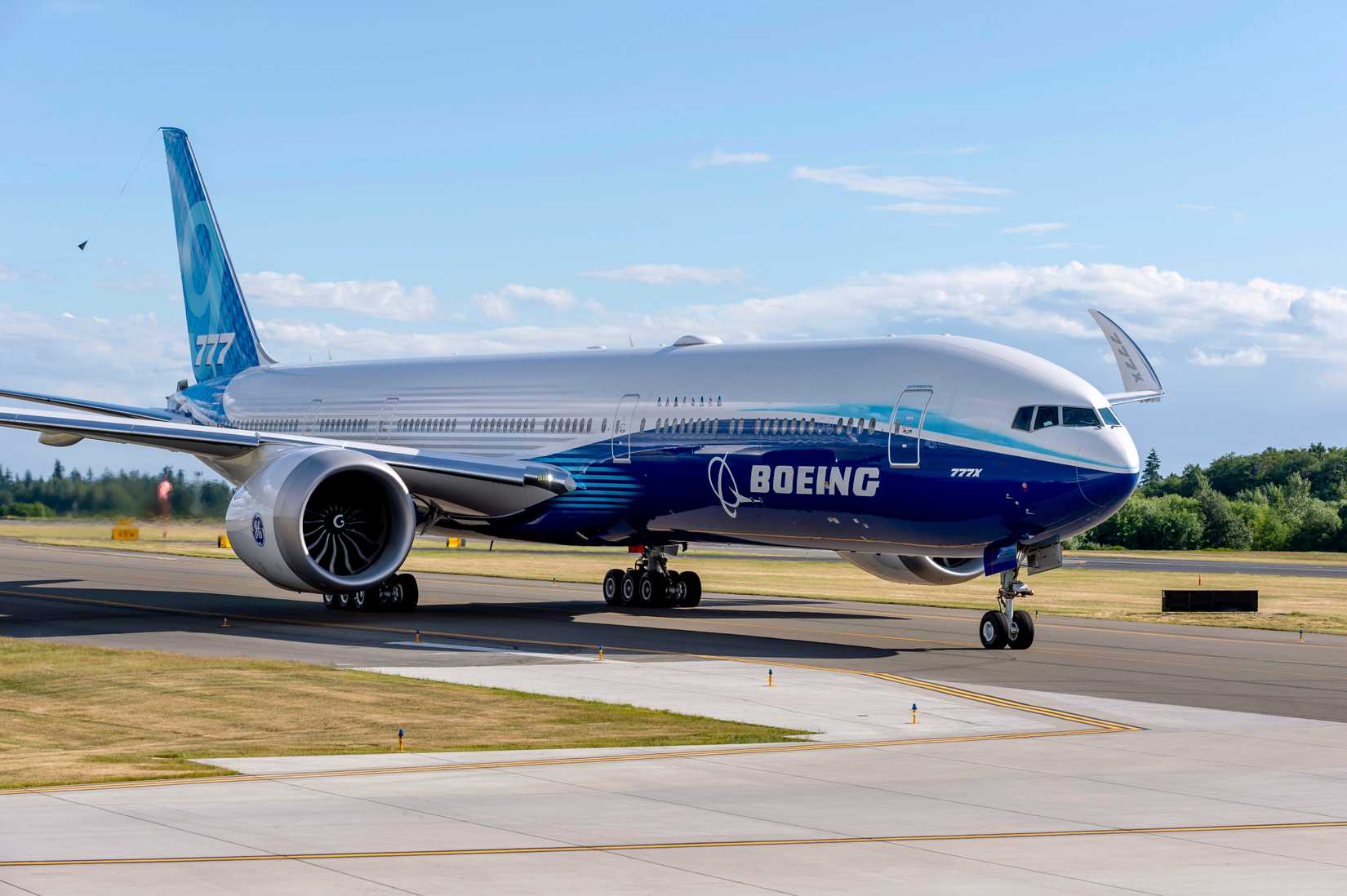
Lufthansa is set to be the world’s first commercial operator of the Boeing 777X when it enters commercial service in 2026. However, the German flag carrier will not be the aircraft’s largest operator – that title goes to 

The table below outlines the airlines that have already placed significant orders for the Boeing 777X:
|
Ranking |
Airline |
Boeing 777-8 |
Boeing 777-9 |
Total |
|---|---|---|---|---|
|
1 |
Emirates |
35 |
170 |
205 |
|
2 |
Qatar Airways |
– |
110 |
110 |
|
3 |
Korean Air |
– |
40 |
40 |
|
4 |
Cathay Pacific |
– |
35 |
35 |
|
5 |
Singapore Airlines |
– |
31 |
31 |
|
6 |
Etihad Airways |
8 |
17 |
25 |
|
7 |
British Airways |
– |
24 |
24 |
|
8 |
Lufthansa |
– |
20 |
20 |
|
9 |
All Nippon Airways |
– |
18 |
18 |
|
10 |
China Airlines |
– |
14 |
14 |
Airbus may have maintained an advantage in the widebody market in recent years due to ongoing delays with the Boeing 787 program. However, with the imminent arrival of the mighty 777X, all eyes are on the European manufacturer to see how it will respond.
source