


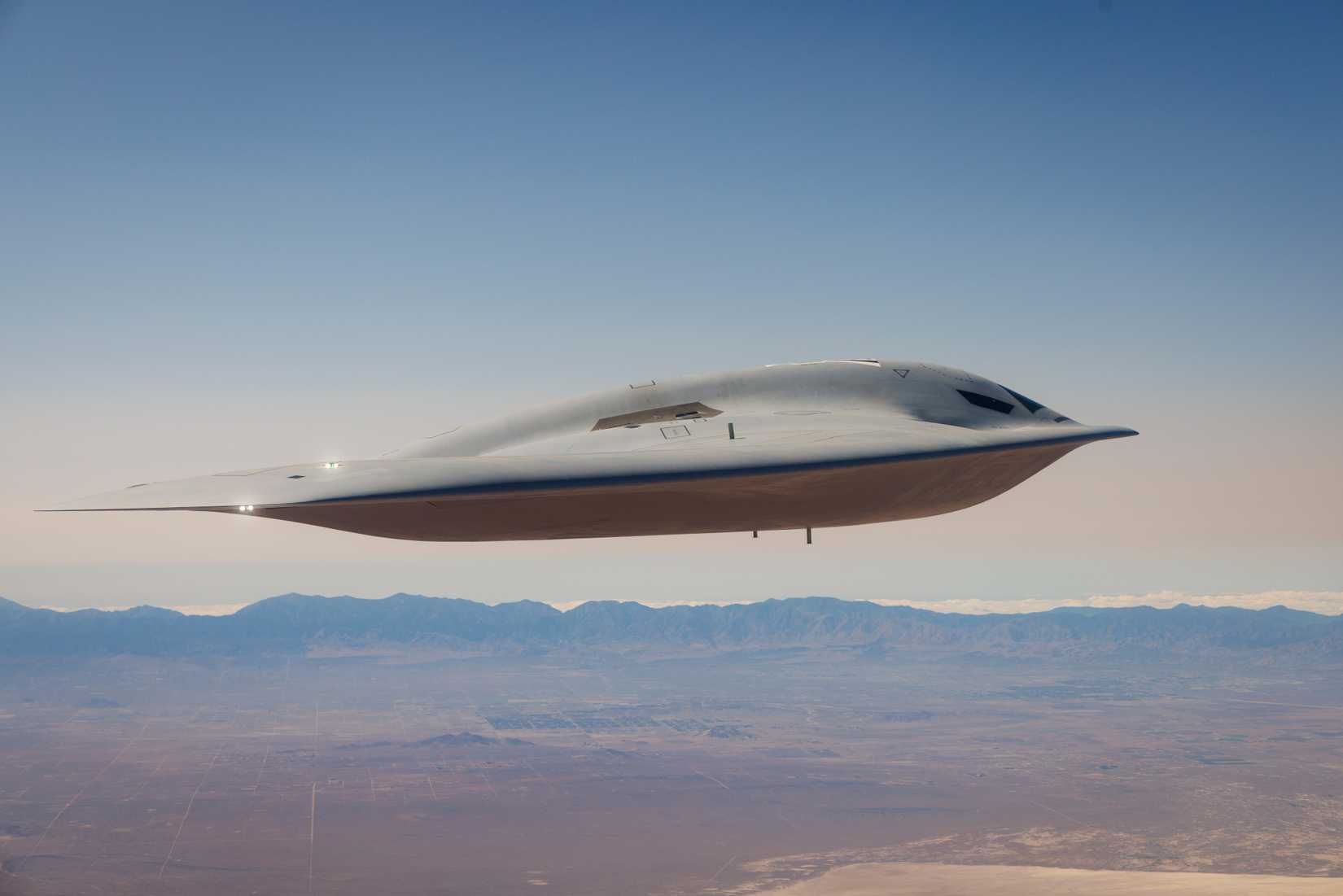
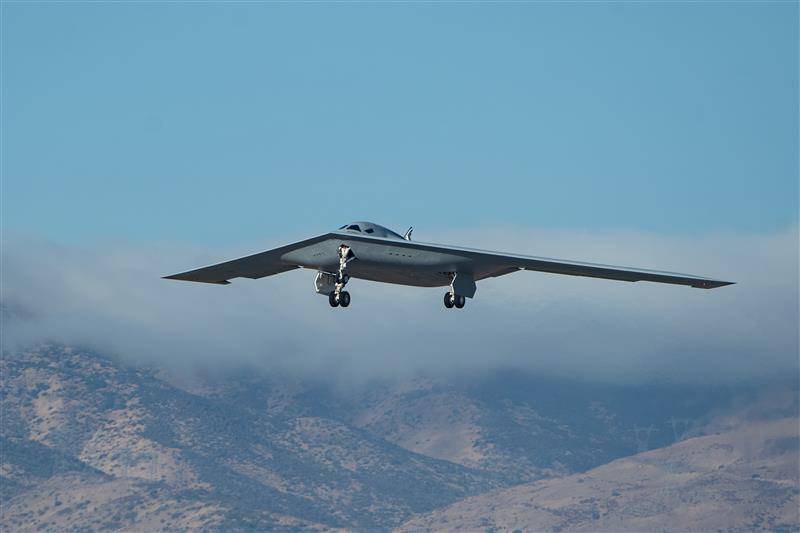
The United States Air Force (USAF) recently received its second representative Northrop Grumman B-21 Raider strategic stealth bomber prototype. The new bomber remains on course to enter service in 2027. While the aircraft will be one of the most expensive in USAF inventory, it is expected to be much cheaper than the B-2 Spirits when adjusted for inflation.
The expense of the new bomber is not just purchasing the aircraft themselves; it’s the infrastructure needed to go along with it. It’s common for next-generation aircraft to require new and specialized infrastructure. This is one of the key expenses for air forces transitioning to the F-35. Here is what to know about why Ellsworth Air Force Base needs $1.5 billion or more in upgrades to host the next-generation bomber.
B-21 Home & Forward Operating Bases Need Upgrades

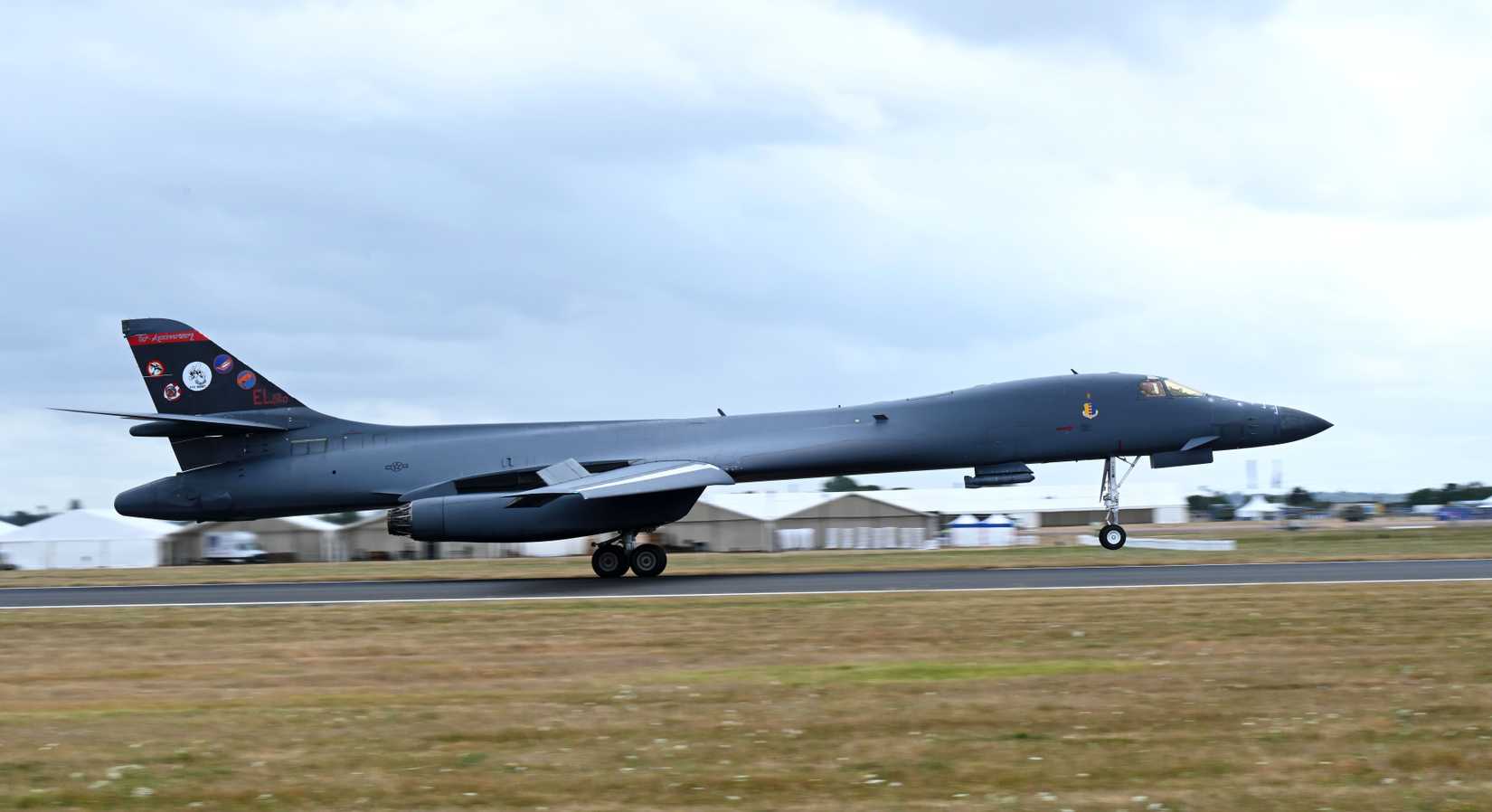
Ellsworth Air Force Base in South Dakota is the first Main Operating Base (MOB) and the chosen location for the formal training unit for the incoming B-21 Raider. Currently, the base hosts the 28th Bomb Wing of the Eighth Air Force. The 28th Bomb Wing operates B-1 Lancer bombers. These variable sweep wing strategic bombers will be the first to retire as the B-21 is received in large enough numbers in the late 2020s and early 2030s.
Whiteman Air Force Base in Missouri is home to all 19 remaining operational B-2 Spirits and has been chosen as the second base to host the future B-21 fleet. Dyess Air Force Base in Texas has been selected as the third base for the B-21. Dyess hosts the 7th Bomb Wing that also operates B-1 Lancers.
These bases all need to receive infrastructure upgrades to operate the new B-21 Raiders. Additionally, some upgrades may be needed at Edwards Air Force Base, which serves as the primary test and evaluation site. But it is not limited to just those bases where the B-21s will be based. Forward operating bases like Andersen Air Force Base on Guam and the Naval Support Facility (NSF) Diego Garcia in the British Indian Ocean Territory will also need some infrastructure upgrades.
USAF Cuts Ribbon On Ellsworth Runway

In early December 2025, the US Air Force announced the 28th Bomb Wing at Ellsworth had celebrated the completion of a $129.5 million runway construction upgrade. The ribbon-cutting ceremony was held on December 3rd. The upgrade is a key part of preparing the base to host the B-21 Raider. The project included the use of 106,000 tons of concrete cement for the runway surface.
In addition to upgrading the runway, the base also saw the installation of 105 miles of joint sealing for long-term durability, and the laying of 83 miles of electric conduit to support runway lighting and operational systems. The runway reconstruction is just one of the infrastructure upgrades Ellsworth is receiving. It is also getting new hangars. These large hangars need to be able to house the large bomber and support its complex avionics and stealth coatings.
Upgrading the runway took one year, and it had been closed since December 2024. While the runway was closed, the fleet of 17 B-1B Lancers stationed at the airbase was relocated to Grand Forks Air Force Base in North Dakota. The 28th Bomb Wing continued to deliver long-range strike missions from that base without major interruption.


How Many B-2 Spirit Bombers Are Left?
The US’ B-2 stealth bomber is an awesome warplane, but how many are there?
$1.5 Billion+ In Upgrades Needed For Ellsworth

Going back to the hangars at Ellsworth, an almost equal amount of money ($135.5 million) is being spent on the Northrop Grumman B-21 Raider Phase Maintenance Hangar. This large center will span around 80,000 square feet and will incorporate two bays, an airfield apron, utilities, and infrastructure. The construction of the hangar is being carried out by Conti Federal in partnership with the US Army Corps of Engineers (USACE) and is expected to be completed by May 2027.
In July 2025, Conti Federal reported that it had been awarded a $33.5 million contract for five pre-engineered metal Environmental Protection Shelters designed to shield the B-21 Raider from harsh weather conditions. The shelters are expected to be completed in 2027. At the time, Conti Federal noted it had already received contracts to build the Phase Maintenance Hangar, Radio Frequency Hangar, Weapons Loader Training Facility, Fuel Systems Maintenance Dock, and Dock 81.
|
B-21 home bases |
Ellsworth AFB |
Dyess AFB |
Whitemen AFB |
|---|---|---|---|
|
Role |
First main operating base |
Second main operating base |
Third main operating base |
|
Current bombers |
B-1 Lancer |
B-1 Lancer |
B-2 Spirit |
|
Cost to upgrade base |
Approx. $1.5-$1.7 billion |
Approx. $1.6 billion |
Approx. $600 million+ |
|
Garrison |
28th Bomb Wing |
7th Bomb Wing |
509th Bomb Wing |
There is not a single official published figure for the upgrades to infrastructure at Ellsworth, but the total cost is likely in the region of $1.5 billion to $1.7 billion. The South Dakota News Watch reported, “Col. Derek Oakley, commander of the 28th Bomb Wing at Ellsworth, said at a recent meeting in Rapid City that the Air Force will embark on nearly three dozen individual construction projects on the base at an estimated cost of at least $1.5 billion.”
Costs Of Upgrading Other B-21 Home Airbases

Similar upgrades are likely needed for the B-21 Raider’s other two home bases. There are multiple reports suggesting the costs of upgrading Dyess Air Force Base will amount to around $1.6 billion over 24 construction and renovation projects. This includes work on the airbases’ runways, maintenance facilities, fueling systems, security systems, and other support infrastructure.
As of the time of writing, ground had been broken just a week ago on a Dyess $26.7 million fuel lab and refueler truck yard, which KTXS says is “part of a massive $1.6 billion effort to upgrade the base ahead of the B-21 Raider.” When it comes to Whiteman Air Force Base, the estimated costs for eight military construction projects and 14 facility sustainment, restoration, and modernization projects are estimated at $600 million or more.
It is unclear if Whiteman will cost that much less than other bases, or if this figure is still missing many of the coming upgrades. It is also likely that costs for upgrading Whiteman will be lower, as the base is already home to the Air Force’s fleet of Northrop B-2 Spirit bombers. The existence of heavy bomber infrastructure will likely reduce the scale of new construction relative to Dyess and Ellsworth, which are home to the Lancers.
What US Air Force Bases Have F-35s?
Ten air force bases are listed as bases for the USAF F-35A, although they can operate from many more bases.
Forward Operating Bases Also Need Some Upgrades
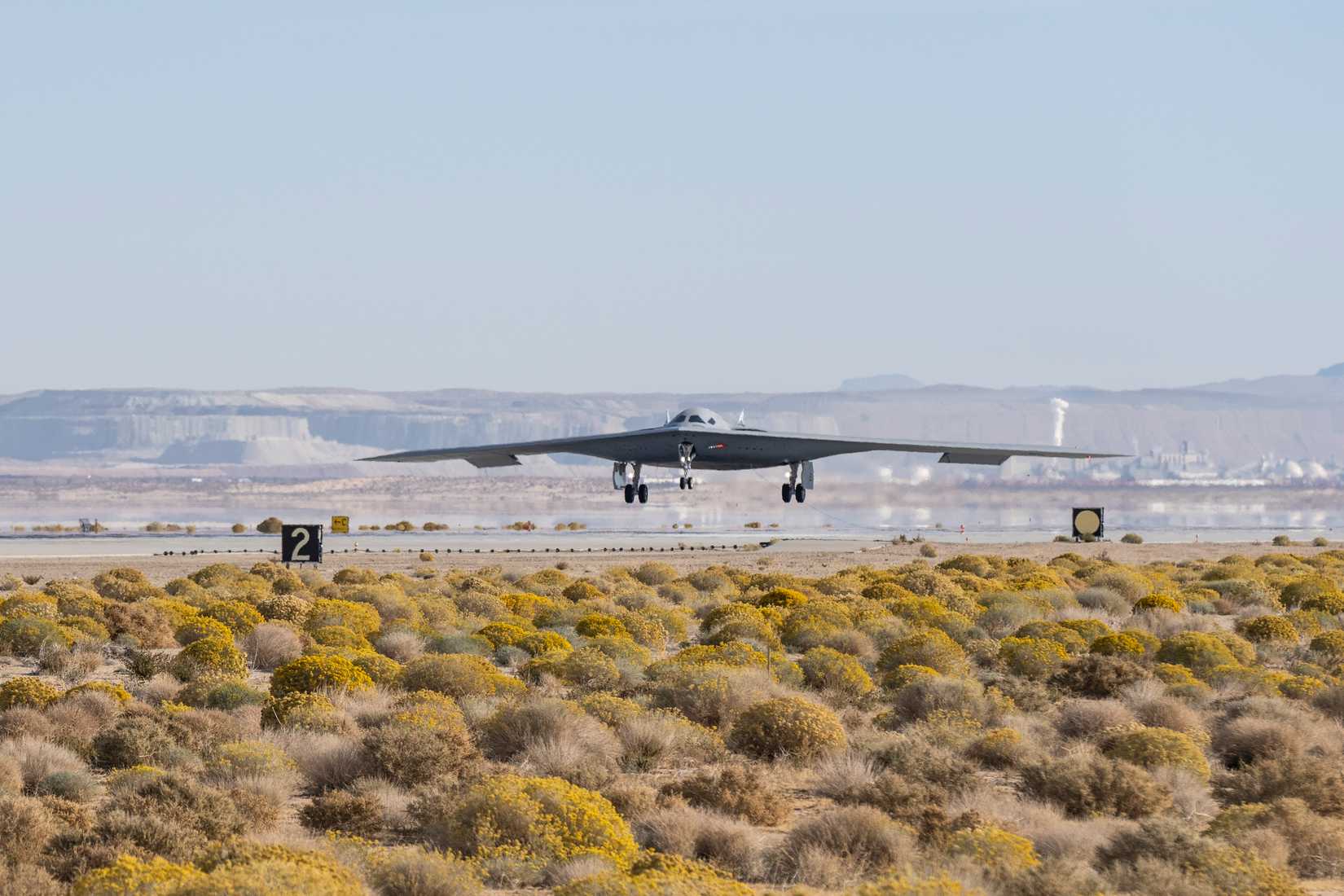
Forward Operating Bases or FOBs, along with contingency airfields where B-21s may be expected to temporarily deploy, will also need upgrades, but not on the scale of the home bases. B-21s will be deployed to FOBs for exercises, deterrence missions, combat, and other missions. Upgrades at these bases are focused on enabling deployed operations rather than full bed-down.
Upgrades may include improving the runway, the introduction of deployable shelters and tents (as opposed to permanent hangars), mobile maintenance equipment, including tooling, bladders, and more. Andersen Air Force Base on Guam is one of the most important forward operating bases and is the US’s “unsinkable carrier” in the Pacific. The base is built to operate every aircraft in the US Air Force inventory, including all of the strategic bombers.
Congressional documents say, “DOD’s five-year plan outlined in the Future Years Defense Program (FYDP) calls for spending about $7.3 billion on Military Construction on the island [Guam] from FY2024 through FY2028“. These upgrades cover a wide range of projects, from upgrading soldiers’ barracks to installing new communications centers. Roughly $350 million to $600 million of these upgrades are relevant in some way to the B-21’s future operations at the base, but are generally not specific to the B-21. For example, the $211 million new Communications and C2 infrastructure will support B-21s, along with most other military aircraft operating at the base.
Modern Combat Aircraft Demand Extensive Infrastructure
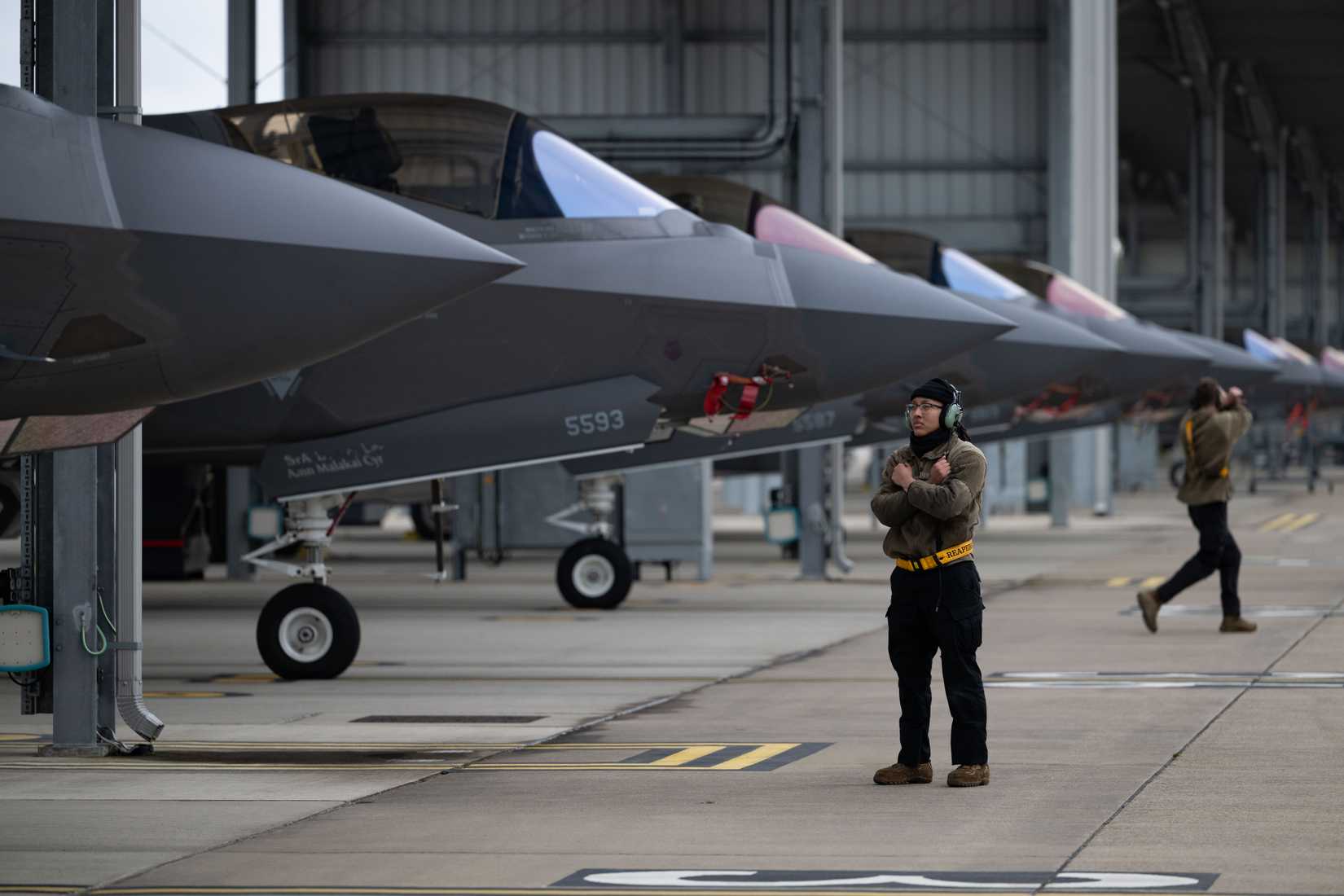
The B-21 Raider may cost around $700 million each, but the Air Force also needs to pay for other expenses, such as upgrading its air force bases and training. Long gone are the days when air forces could assemble a piston-engine fighter and deploy it almost anywhere with minimal dedicated infrastructure. Across the B-21’s three home bases, the US Air Force appears set to spend at least $3.5 billion in infrastructure upgrades to accommodate the new aircraft.
The US Air Force is still in the process of upgrading infrastructure to support its growing F-35 fleet. The F-35 gets in the news for all the wrong reasons, including headlines claiming the aircraft has poor availability. However, often the poor availability rates are not necessarily because of the aircraft itself, but because the infrastructure needed to maintain and operate it is not fully rolled out.
Northrop Grumman claims the B-21 Raider is the world’s first 6th-generation combat aircraft. The accolade is typically reserved for fighter jets and not bombers. Northrop’s use of the term could just be a marketing ploy, or it could be an indication that the new B-21 is much more than a bomber in the traditional sense. It is possible that the Air Force’s upcoming F-47 fighter and B-21 bomber may share more in common in some respects than with their predecessors. Both will be systems-of-systems platforms designed for penetration of defended airspace.
source