


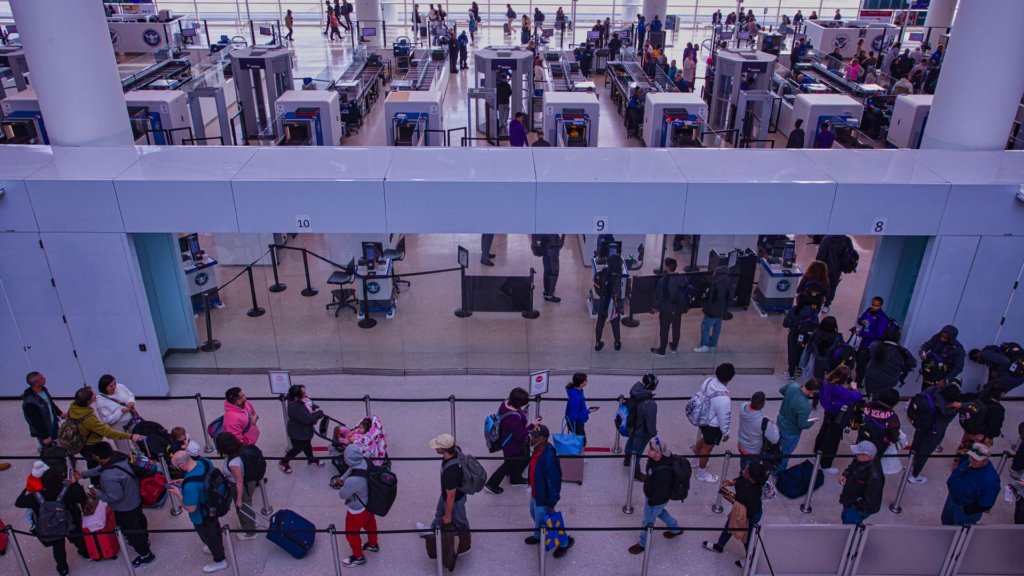
When the longest government shutdown in United States history ground most of Washington DC to a halt, it also significantly complicated global air travel. At many major airports, Transportation Security Administration (TSA) officers were required to work without pay. Unsurprisingly, call-outs spiked, tempers flared, and security lines across the United States stretched for hours, and the TSA struggled to keep up with record passenger volumes. Nonetheless, there are a few major airports that were almost untouched by this chaos. At San Francisco International Airport (SFO), for example, checkpoint waits were largely normal, even as nearby hubs wrestled with severe disruptions.
Reports highlighted this puzzle, with passengers struggling to identify why some TSA checkpoints remained drama-free while others continued to melt down. The answer lies in the way that these unique checkpoints were staffed. Instead of relying exclusively on federal employees, certain airports participate in the screening partnership program (SPP), using private contractors such as Covenant Aviation Security to operate security lanes under TSA oversight. Because these workers are not on the federal payroll, their paychecks kept coming, and their lines kept moving, even as the shutdown dragged on. Understanding why those checkpoints remained stable reveals a lot about how airport security is funded and how vulnerable it is to future political brinkmanship.
Washington D.C. Shut Down, But Some Airports Didn’t

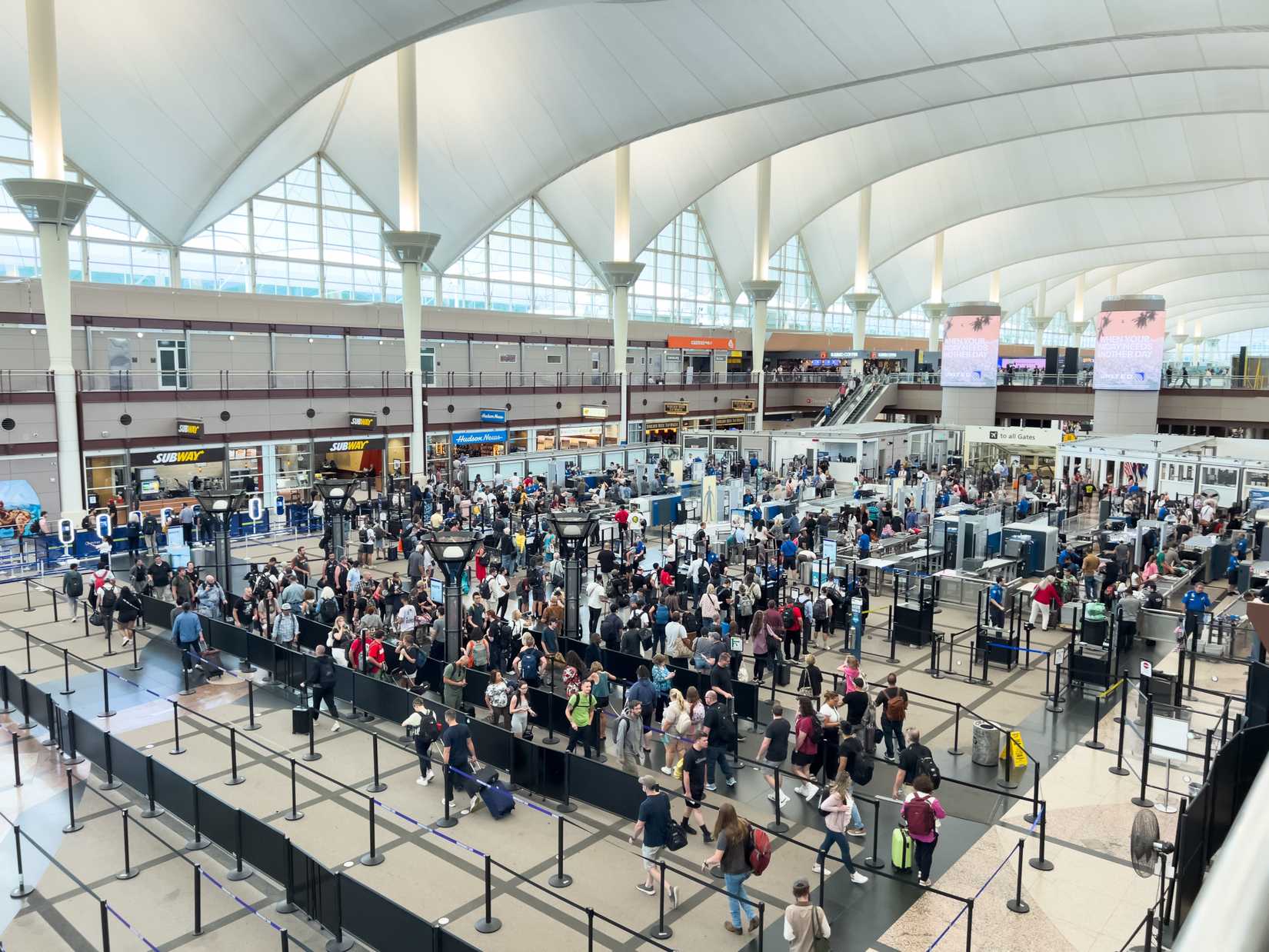
During a prolonged government shutdown, most TSA officers are deemed essential personnel, and they must keep working even though their pay is delayed until after Congress elects to completely restore funding. In past crises, that has translated into swelling security lines as unpaid officers call in sick, seek other jobs, or simply burn out. News coverage during the most recent shutdown described multi-hour waits at some large hubs as controller and screener absences slowly cascaded into system-wide displays.
With the Federal Aviation Administration (FAA) ordering phased reductions in air traffic at dozens of airports around the country, there are some places where security line issues could be set to improve. Within this context, it is not surprising that airports like 

Local officials stressed that, unlike most US airports, SFO’s security queues were staffed by private employees under contract, not federal TSA officers who were working without pay. Their paychecks continued on schedule, which removed the financial strain that was pushing federal workers at other airports to their breaking point. This resulted in a striking contrast. At many airports, passengers experienced the shutdown through long, anxious waits at security. The crisis itself was visible mainly through news alerts and airline schedule changes, not just clogged passenger checkpoints.
A Deeper Look At The Screening Partnership Program (SPP)


The key structural difference is the TSA’s Screening Partnership Program or SPP. Created in the wake of the September 11 attacks, the SPP allows participating airports to contract private companies to conduct passenger and baggage screening while the TSA retains regulatory authority, sets standards and procedures, and provides federal supervisors and law enforcement support.
In other words, passengers go through the same metal detectors and follow the same rules, but the person examining IDs or running the X-ray may work for a private firm, not for the federal government. To join, an airport applies to TSA and, in the event that it is approved, becomes a part of a small club of commercial facilities that have elected to opt out of direct federal staffing. Nationwide, only around 20 airports staff security checkpoints through the program, with most of them being smaller regional airfields that serve resort destinations or remote communities.
San Francisco International Airport (SFO) is undoubtedly the largest and highest-profile member of that particular group. Funding still flows through to the TSA, with the agency setting contract rates and paying vendors, which means that SPP screeners operate under the same federal security playbook as their TSA counterparts, with a different employer of record. Under normal circumstances, this model is largely invisible to actual passengers. However, during a shutdown, the distinction between federal and private paychecks becomes a critical piece of the security checkpoint staffing puzzle.


Air Traffic Controllers To Miss First Full Paycheck Tuesday As Government Shutdown Lingers
Air traffic control challenges continue to mount.
San Francisco’s Covenant-Run Security Checkpoints

San Francisco International Airport is the clearest case study of why some US-based airport security checkpoints were not thrown directly into chaos. San Francisco Airport has contracted with Covenant Aviation Security (CAS) since 2002, shortly after the SPP program was created. Covenant describes itself as the largest private provider of SPP services in the United States, focusing exclusively on aviation security and delivering tens of millions of hours of screening at airports around the country.
At SFO, Covenant hires, trains, schedules, and pays the checkpoint staff that passengers interact with every time they pass through the facility. While the TSA still sets the procedures and maintains on-site leadership, the men and women working the X-ray machines, pat-down positions, and ID stands are employees of Covenant, not the federal organization. When the shutdown hit, SFO was very quick to reassure travelers that checkpoint operations were not impacting screening because these screeners would continue to be paid as normal, according to a breakdown from Yahoo Finance.
Local reporting echoed this message, ultimately noting that SFO’s drama-free security contrasted sharply with the struggles at airports that rely entirely on federal officers. Federal workers at SFO, such as air traffic controllers and customs officers, were still working extensively without pay, but the security officers at the front door of the airport were insulated from the crisis by their status as employees of a private company. This ultimately helped the airport avoid many of the largest operational struggles created as a result of the government shutdown.
How Do Paychecks And Staffing Structures Keep Lines Moving?


Under a government shutdown, the pain point is relatively simple, as federal paychecks stop flowing. Even when workers are guaranteed back pay later, many struggle to go weeks without income. This is why call-outs and resignations among federal TSA officers spike during times when funding lapses occur. In contrast, Covenant’s screeners at SFO remained on their regular payroll, with wages and benefits governed by their private contract rather than the standard federal appropriations process.
Job postings for the company continue to emphasize competitive pay, benefits, and clear advancement paths at the company, all conditions that help reduce overall turnover and help keep experienced staff on hand at the checkpoint. Because Covenant controls hiring and scheduling, it can thus adjust rosters in order to meet anticipated passenger peaks without waiting for federal HR processes, while TSA supervisors on site ensure compliance with federal security standards.
The division of labor proved resilient under shutdown pressure. While many federal TSA units at other airports were stretched thin, Covenant was still paying its staff and could keep lanes open. In effect, the shutdown exposed how different employment and funding structures translate directly into the passenger experience. These screeners’ income depends on Congress, and the lines worsened. Where screeners were protected by private contracts, operations reverted to “business as usual,” even in situations where the broader US airport system was under extreme stress.
What Are The Implications For Airlines Of Having Private Security?

For airlines, uneven TSA staffing during a government shutdown helps create both operational and strategic headaches. At facilities where deferral screeners walked off the job or got called in sick, carriers faced longer queues, missed connections, misconnected bags, and crews timing out, all of which ultimately translates into higher costs and schedule unreliability across the board.
By contrast, airports using private contractors under TSA oversight helped keep lines moving, making them more attractive for airlines planning peak-hour departure banks or premium-heavy traffic. That diversion could ultimately influence hub strategy over time.
If shutdowns become a recurring risk for operators, carriers may begin to favor airports where security staffing is insulated from federal funding lapses or pressure local authorities to adopt similar methods to SFO. At a minimum, carriers will need to build more slack into schedules and staffing plans during these kinds of shutdown periods, all while investing in clearer passenger communications in order to manage expectations when security bottlenecks pop up at one end of a route but not the other.
The Big Question: Should More Airports Adopt This Kind Of Staffing System?

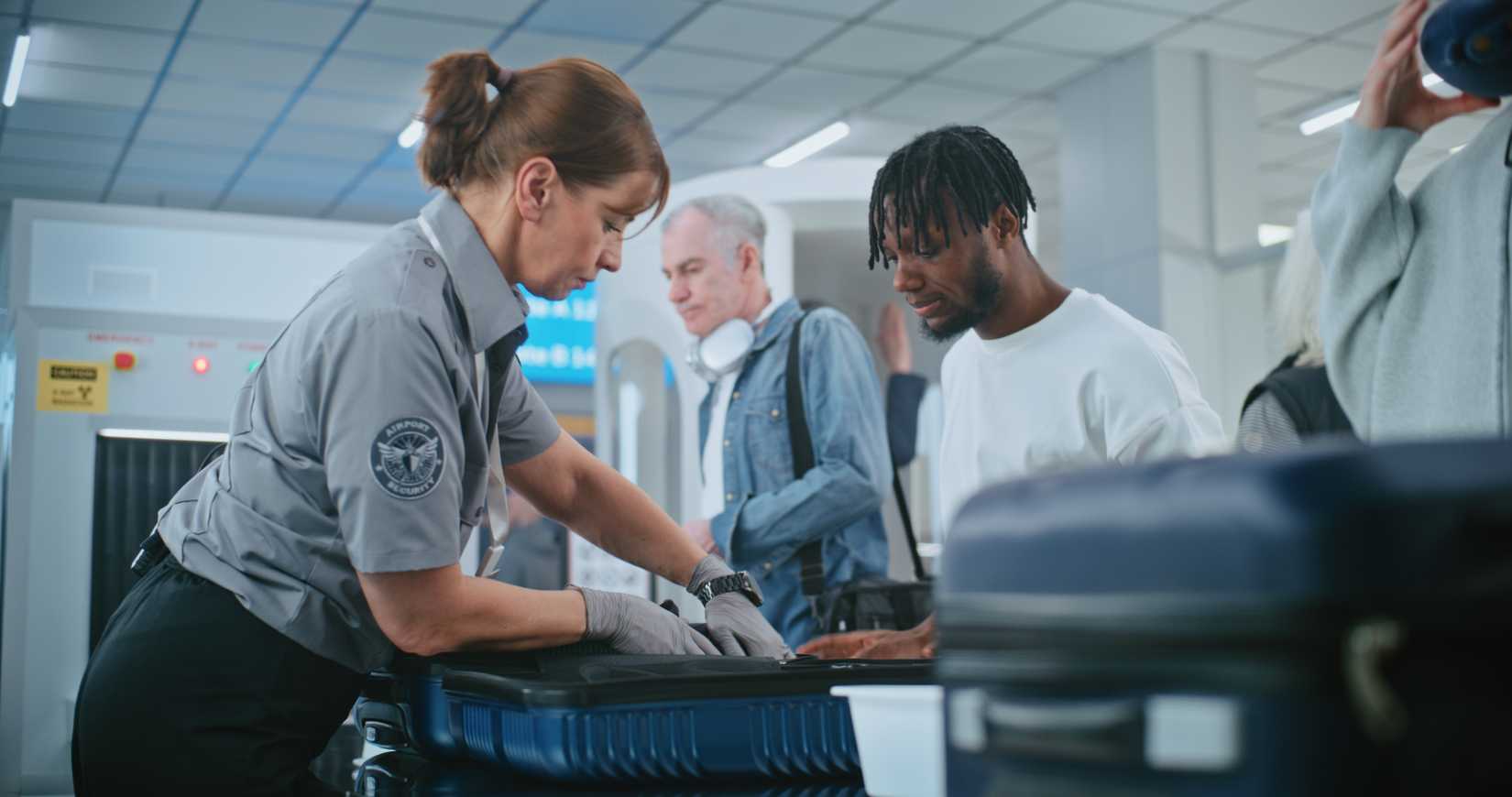
Certain checkpoints sailed through the government shutdown with ease, reigniting debate over expanding the Screening Partnership Program (SPP). Supporters will say that the SPP acts as a pressure valve, protecting frontline security from political brinkmanship by putting screeners on private payrolls while preserving TSA oversight.
Some policy analysts have proposed converting the federally mandated September 11 security fee into a dedicated local charge. This is something that could potentially give airports the stable funding needed to contract their own screeners.
Expansion, however, is ultimately rather complicated. The TSA has capped or paused new SPP applications, ultimately wary of losing control or creating a patchwork of standards. Airports fear unfunded mandates, while critics warn privatization could weaken accountability or prioritize cost-cutting across the board. Nonetheless, the shutdown underscored a key reality, with fully federalized staffing leaving passengers exposed whenever Congress is deadlocked.
source