



The Boeing 767-300ER (Extended Range) is known for being one of the most reliable aircraft in its class. The Boeing 767 bridged the gap between older widebody aircraft like the McDonnell Douglas DC-10 and Lockheed L-1011 and the later twinjet widebodies like the A330 and Boeing 777. In the end, it was the development of the clean-sheet Boeing 787 Dreamliner with its more advanced engines, extensive use of lightweight composites, and other innovations like large windows that doomed it.
Reliability is one of the key attributes airlines look for when purchasing new aircraft, although so too is fuel efficiency. Today’s Airbus A330neo and Boeing 787 are also extremely reliable aircraft, while also being much more efficient. Still, the Boeing 767-300ER (and its 767-300F counterpart) will continue for years to come, aided by its reliability. Here is why the 767-300ER is reliable and why it is a favorite for freighter conversions.
Why The Boeing 767-300ER Is So Reliable

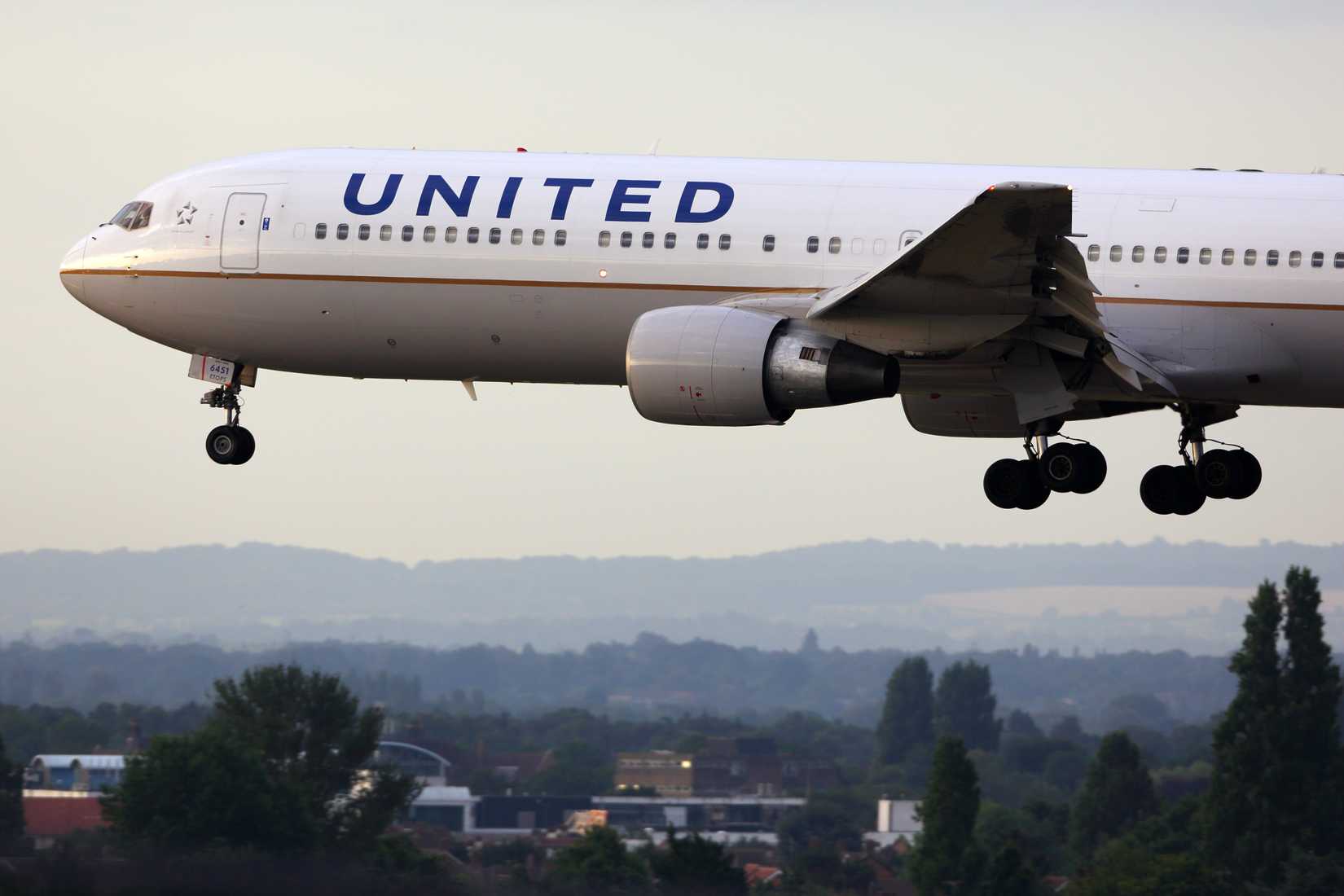
There are many contributing reasons why the Boeing 767-300ER became one of the most reliable aircraft in its class. It is famous for its dispatch reliability that still rivals modern jets, partly thanks to how Boeing prioritized mechanical and system redundancy over complexity. The aircraft lacks fly-by-wire, with the jet using easier-to-maintain conventional hydraulics. At the same time, its electrical and avionics systems remain robust but also straightforward.
The aircraft’s structure is considered robust, with its landing gear over-engineered by today’s efficiency-driven standards. The upshot is a strong and durable airframe. The excellent engineering of the Boeing 767 helped convince the FAA that twinjets could fly safely over longer water routes. This enabled it to become an ETOPS pioneer, first earning an early ETOPS-120 certification and later an ETOPS-180 certification.
Historically, Boeing was famous for its excellent engineers. It is sometimes contrasted with McDonnell Douglas, which is criticized for being more focused on short-term profits, rather than long-term engineering. Boeing merged with McDonnell Douglas in 1997, and it is seen as inheriting some of MD’s focus on short-term profit, which contributed to the Boeing MAX crisis. The Boeing 767 dates from a period of exemplary Boeing engineering.
Boeing 767-300F Freighter Production Continues

The Boeing 767-300ER remains in production as the Boeing 767-300F, the freighter variant of the aircraft. The freighter first entered service with UPS Airlines in 1995 and comes with a total cargo volume of 1,469 cubic feet. While the passenger Boeing 767-300ER was superseded by variants of the Boeing 787 Dreamliner starting in 2011, the freighter remains in production. Boeing is not yet delivering a replacement freighter.
Writing in 2018, Boeing stated, “Boeing continues to see strong market demand for 767 airplanes, which offer outstanding operational efficiency and payload configuration.” In the end, it’s the regulations that are set to end the Boeing 767. Production of the Boeing 767-300F will continue until 2027, when new environmental regulations kick in that will render it no longer compliant as a new-build aircraft. While the US has delayed these regulations, they remain in force elsewhere.
|
Coming end of Boeing 767-300ER production per Boeing (as 767-300F variant) |
|
|---|---|
|
Number remaining on order |
27 |
|
Remaining customers |
FedEx, UPS, unnamed customer |
|
Number delivered Jan-Sept 2025 |
10 |
|
Production end |
2027 |
|
Last remaining Boeing 767 variant |
767-2C (KC-46) with 64 outstanding orders |
Boeing is not expecting any new orders for the Boeing 767 Freighter and will focus on bringing its next-generation freighters (like the Boeing 777X freighter) into service. According to Boeing’s website, there are a total of five FedEx, 12 UPS, and eight examples for unidentified customers remaining on order for a total of 27. Boeing delivered 10 Boeing 767-300Fs in the first three quarters of 2025. The aircraft’s Boeing 767-2C tanker variant (KC-46 Pegasus) will remain in production beyond 2027. The 767-2C is based on the Boeing 767-200 with -300ER wings and is powered by PW4000 engines.
The Boeing 767’s Popular GE Aerospace GF6 Turbofan


The Boeing 767-300ER came with three engine options: the Pratt & Whitney PW4000, the General Electric CF6, and the Rolls-Royce RB211. Boeing delivered a total of 563 Boeing 767-300ERs. Of these, 195 were delivered with PW4000 engines, just 31 were built with Rolls-Royce’s RB211 turbofans, and 357 were delivered with General Electric’s CF6. Additionally, all 290 Boeing 767-300F cargo aircraft were (and will be) built with CF6 engines.
Part of the reliability and success of the Boeing 767-300ER was arguably the CF6 engine. The CF6 family remains the world’s longest-running jet engine program in commercial aviation. The aircraft first entered service in 1971, and GE Aerospace continues to produce the modernized CF6-80C2 variant. The engine family powers ten unique commercial and military aircraft with 25 variants.
|
Engine options (per Boeing) |
PW4000 |
RR RB211 |
GE CF6 |
|---|---|---|---|
|
Boeing 767-300ER |
195 |
31 |
357 |
|
Boeing 767-300F |
290 |
||
|
Total |
195 |
31 |
647 |
Over the course of the program, GE Aerospace has delivered over 8,500 CF6 engines. It is arguably the most successful widebody engine ever developed. While the CF6 has since been superseded by GEnx engines found on the Boeing 787, it found a second life with cargo. Today, the engine powers almost 70% of the world’s widebody freighters and is a favorite for freighter conversions.
GE Aerospace’s CF6 Advantages


According to GE Aerospace, the General Electric CF6 offers a range of significant advantages compared with other engine options in its class. Advantages include the highest widebody engine departure reliability rates, fewer flight disruptions, and lower maintenance costs. The CF6 was developed from the military TF39 engine for the Lockheed C-5 Galaxy and got off with a head start thanks to teething issues with Pratt & Whitney’s early JT6D on early Boeing 747 Jumbos.
The CF6 was designed with the flexibility to power a range of McDonnell Douglas, Boeing, Lockheed, and Airbus aircraft. The engine is famous for being simple, with durable architecture, while being built out of robust materials. It became a favorite of cargo airlines due to running for years with minimal maintenance. The CF6 has a modular design philosophy that aids in ease of maintenance.
Another factor is that success breeds success. The more popular an engine is, the more are produced, and the more investment is available for refining it. The more there are in the system, the more parts are available, including second-hand spares, and the more trained mechanics and infrastructure there are to maintain them. Put another way, the CF6 became a global standard engine in its class. The reverse is also true: failure breeds failure. This vicious cycle partly explains why the Airbus A380 and Airbus A330-800 failed.
Commonality With The Boeing 757

The Boeing 757 ‘flying pencil’ is one of the most popular airliners among pilots. The narrowbody aircraft was built as an extra-long narrowbody aircraft to fill the mid-sized airplane market. The Boeing 767 and Boeing 757 were contemporary aircraft and were designed with a philosophy of fleet and maintenance commonality. These aircraft share major systems, including cockpit design philosophy, allowing for dual-type pilot certification.
Boeing produced 1,050 Boeing 757s between 1981 and 2004 and has delivered over 1,300 Boeing 767s from 1981 until now. This allowed the Boeing 767 to enjoy the benefit of greater numbers and the virtuous circle of popularity mentioned above with the CF6 engines. It also allows airlines to enjoy common spares and maintenance infrastructure while operating the two types.
Another factor for the -300ER variant is that it was a later model. The first family edition was the 767-200, which was later improved into the 767-200ER. Later, Boeing stretched the 767 into the 767-300 and then improved it into the 767-300ER in 1988. This means that by the time the 767-300ER was developed, the aircraft was a thoroughly mature aircraft with kinetics in its systems already worked out with earlier models and even the 757 to some extent.
Still Going Strong

Even so, the Boeing 737-300ER is retiring as a passenger aircraft. According to Planespotters.net, Delta and United maintain the largest fleets with 38 (down from 88) and 37 (down from 40) examples in service, respectively. Japan Airlines and ANA have another 27 and 15 Boeing 767-300ERs in service. Overall, fewer than 200 passenger 767-300ERs remain in service, while around 489 Boeing 767-300F freighters are in operation. As passenger 767-300ERs retire, many are converted to freighters.
The Boeing 767 continues to benefit from its CF6 engines remaining in production, including for military aircraft. At the same time, the high cycle and fatigue resistance of its airframe allow the 767-300ER to remain in service as a passenger or cargo airliner for more than 30 years. But the aircraft is no longer efficient, and it is being replaced primarily by the 787 and A330neo.
Passenger Boeing 767-300ERs are now in their autumn years. Delta’s remaining fleet averages 29 years old, and United’s averages 29.7 years. But the type will continue for decades as a freighter. FedEx and UPS will continue receiving new builds in 2026. If these aircraft serve as freighters for 35 years, then the 767-300ER as the -300F can be expected to continue flying until around 2061. For FedEx, Boeing 767-300Fs are part of its fleet modernization program as it phases out aging Airbus A300s and MD-11 freighters.
source