


The Boeing 737 is the second most-produced aircraft program of all time, behind only the Airbus A320 family. It’s been produced since 1967 in four generations: the 737 Original, the 737 Classic, the 737NG, and the 737 MAX. Several aircraft programs have featured numerous engine options, including the competing A320. The Airbus A320 has been offered with the CFM56-5, the IAE V2500, the Pratt & Whitney PW6000, along with the Pratt & Whitney PW1100G and the CFM LEAP-1A on the A320neo.
The Boeing 737 has only ever offered one engine option in each generation. The 737 Original came with the Pratt & Whitney JT8D, and the 737 Classic came with the CFM56-3, but a single-engine option on an airliner was more common when these planes were developed. When the 737NG was developed in the 1990s, multiple engine options were becoming more common. Yet, the 737NG was only offered with the CFM56-7. Why did Boeing only offer the 737NG with one engine?
Looking At Airliners And Engines In The Late 20th Century

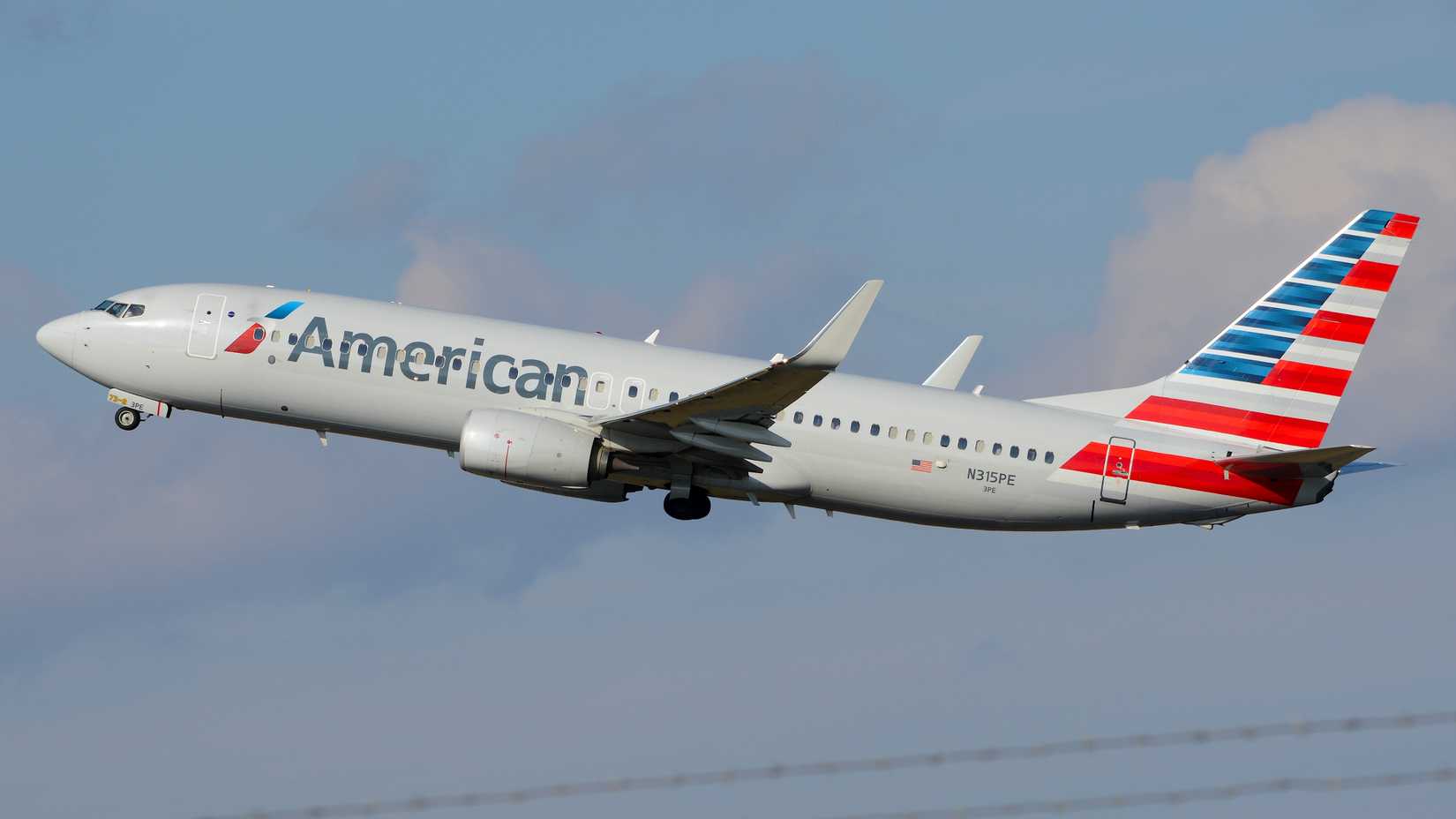
At the request of several airlines, 

The Boeing 757, developed in the late 1970s and early 1980s, was designed with both the RB211 and the new Pratt & Whitney PW2000. The Boeing 767, meanwhile, was the first Boeing airliner to be offered with multiple engine options from launch, namely the JT9D and the CF6 (later getting the PW4000 and RB211). Airbus had offered the CF6 and JT9D/PW4000 options on both its A300 and A310 widebodies, and of course, the A320 came with the IAE V2500 and CFM56-5 (the PW6000 was only offered on the later A318).
When McDonnell Douglas developed the MD-11, it decided to continue offering both a General Electric and a Pratt & Whitney engine. The 747-400 carried over the three-engine options from prior variants, and the Boeing 777 would also come with new engines from Rolls-Royce, General Electric, and Pratt & Whitney. The Airbus A330 also came with three engine options, although the Airbus A340 was an outlier in that it only came with the CFM56-5C. The 737NG, too, was an outlier in that it only came with the CFM56-7.
Examining The CFM56-7

The CFM56 is the most successful jet engine of all time. It was initially developed as the CFM56-2, installed on the McDonnell Douglas DC-8 Super 70 series and military variants of the Boeing 707. CFM then improved and downsized the engine to create the CFM56-3 to be installed on the Boeing 737 Classic. With the A320, CFM made significant overhauls to create the CFM56-5A, then improved the engine again to create the more common CFM56-5B. The CFM56-5C on the A340, while still part of the CFM56-5 family, features significant changes for more power.
The Airbus A320 was a serious threat to the Boeing 737 Classic and McDonnell Douglas MD-80. While the jet was initially dismissed, it began attracting major sales from US carriers such as Pan Am, Northwest Airlines, America West, and United Airlines. This forced the American manufacturers back to the drawing board. McDonnell Douglas had no money and stretched the MD-80 while installing the IAE V2500 to create the MD-90, which was a flop. Boeing, meanwhile, stretched the 737, developed a new wing, and requested new engines to create the 737NG.
The CFM56-7 is the engine developed exclusively for the Boeing 737NG. While still part of the CFM56 family, it is a significant overhaul and is practically a new engine compared to the CFM56-3 on the 737 Classic. It features a new fan with fewer fan blades, a new core with new low-pressure and high-pressure turbines, along with a Full Authority Digital Engine Control (FADEC), alongside certain design elements from the CFM56-5B. It’s more durable, more fuel efficient, and has lower maintenance costs.


Why Can’t The Boeing 737 MAX Be Powered By Any Other Engine Type?
Why the 737 MAX uses only the LEAP-1B: Boeing’s design limits, certification rules, and engine geometry make any other powerplant impossible.
Why The 737 Only Has The CFM56

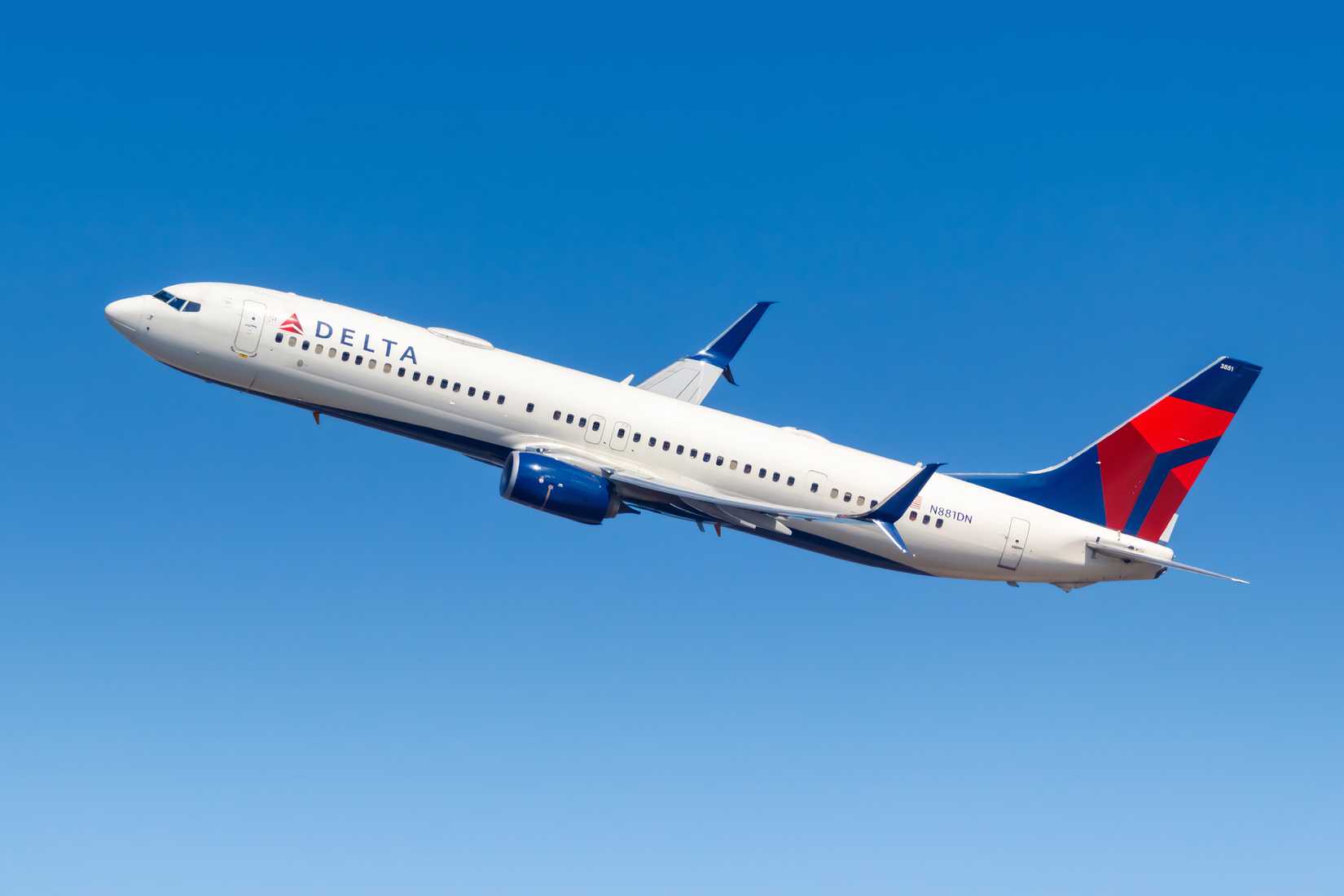
The 737 is very low to the ground, and the CFM56-3 was designed specifically to accommodate the aircraft’s low stance. Boeing sold nearly 2,000 737 Classics, and the CFM56-3 proved to be a dependable engine that was tremendously popular with its operators. This created a large customer base for the engine, and familiar business relations with a manufacturer mean that airlines can often negotiate favorable pricing as well as contract terms. This also created a large, familiar support network.
When Boeing developed the 737 Classic, the CFM56 was newer and more efficient than the Pratt & Whitney JT8D that was on the 737 Original and the competing MD-80. Furthermore, Pratt & Whitney wasn’t developing a new engine in this market space. But by the time the 737NG was being developed in the 1990s, CFM was continuously improving the CFM56, and the new CFM56-7 was enough of an improvement that Boeing didn’t require a different or secondary engine option.
|
Generation |
Variants |
Engines |
|---|---|---|
|
737 Original |
737-100 737-200 |
Pratt & Whitney JT8D |
|
737 Classic |
737-300 737-400 737-500 |
CFM56-3 |
|
737NG |
737-600 737-700 737-800 737-900 737-900ER |
CFM56-7 |
|
737 MAX |
737 MAX 7 737 MAX 8 737 MAX 9 737 MAX 10 |
CFM LEAP-1B |
Boeing and CFM ended up signing an exclusivity deal for the 737. The competing IAE V2500 was also available at the time, and it proved popular with airlines on the Airbus A320, but Boeing didn’t need to offer the V2500. 737 operators were already familiar with CFM, already had support networks for the engines, and had established business relations. With the CFM56 being the exclusive engine for the 737, CFM doesn’t need to compete with another manufacturer, and Boeing gets the engines for less money.
Why Airbus Chose To Dual Source With The A320
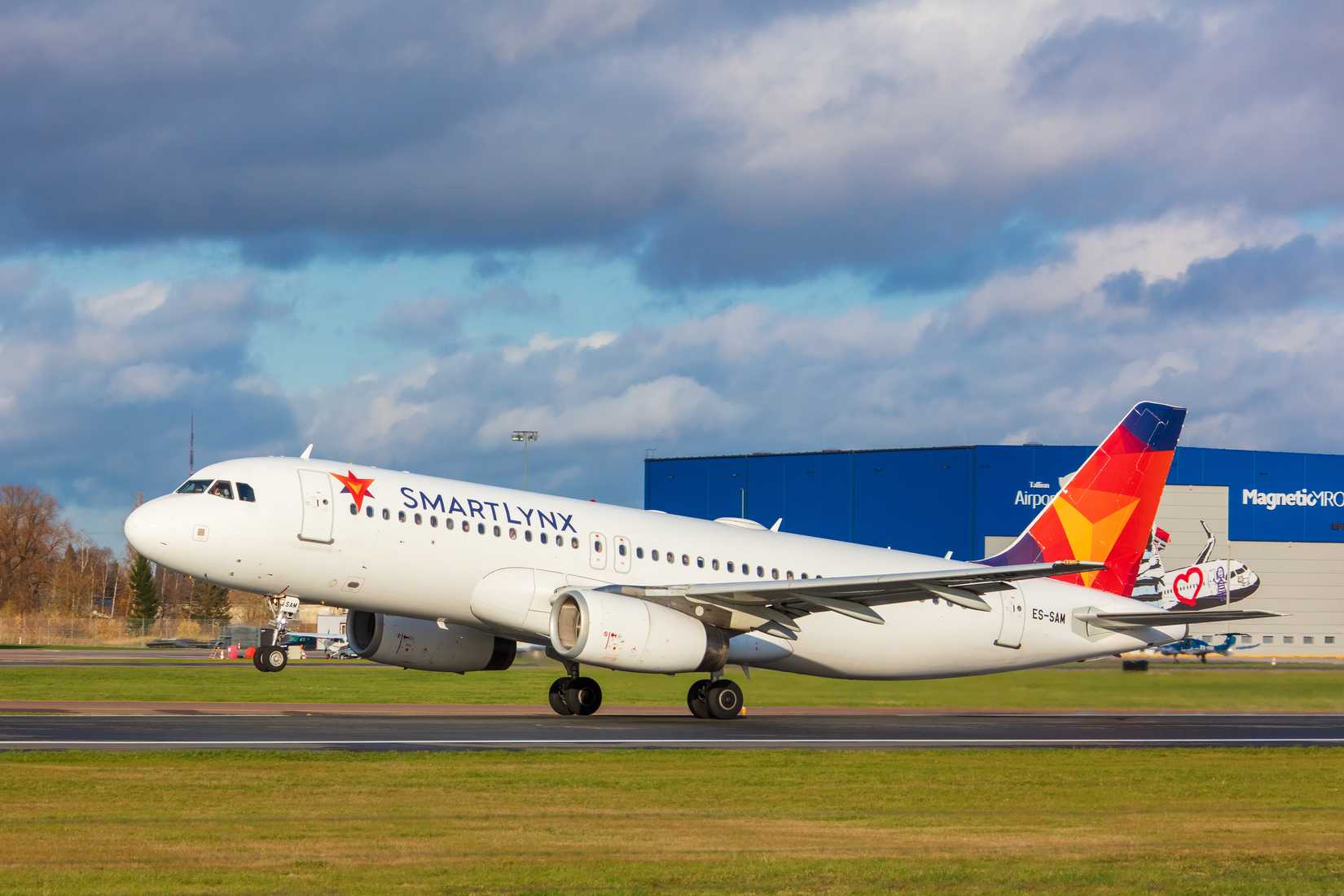
The Airbus A320 was the company’s first narrowbody airliner, and it would need to compete against the popular MD-80 and 737 Classic. Airbus initially launched the A320 with only the CFM56-5 series, which would give Airbus a leg in with existing 737 operators that were already familiar with the manufacturer. The CFM56-5 was also significantly improved over the CFM56-3 on the 737.
The IAE V2500 wouldn’t run until 1987, but it proved to be a competent engine that Airbus felt would attract more customers. Two of the major partners on the engine were Rolls-Royce and Pratt & Whitney, established manufacturers with which many airlines had good relations. Additionally, the V2500 produces more thrust and has superior fuel burn during cruise than the CFM56-5 series.
By offering a choice, Airbus was able to offer an A320 that was tailor-made for various airline needs. Looking at examples, easyJet was formerly a Boeing 737 operator and switched to Airbus, while equipping its planes with the CFM56 and typically operating them on shorter sectors. JetBlue, which launched with the A320 family, chose the IAE V2500 and tends to fly these aircraft on longer routes, where the higher thrust and slightly better fuel burn during cruise provide an advantage.

How The Airbus A321XLR’s Engines Still Pose A Problem To Performance
What could hold the A321XLR back from being a true replacement for the Boeing 757, and does it really matter?
Why The Idea Of Sole Sourcing Is Returning

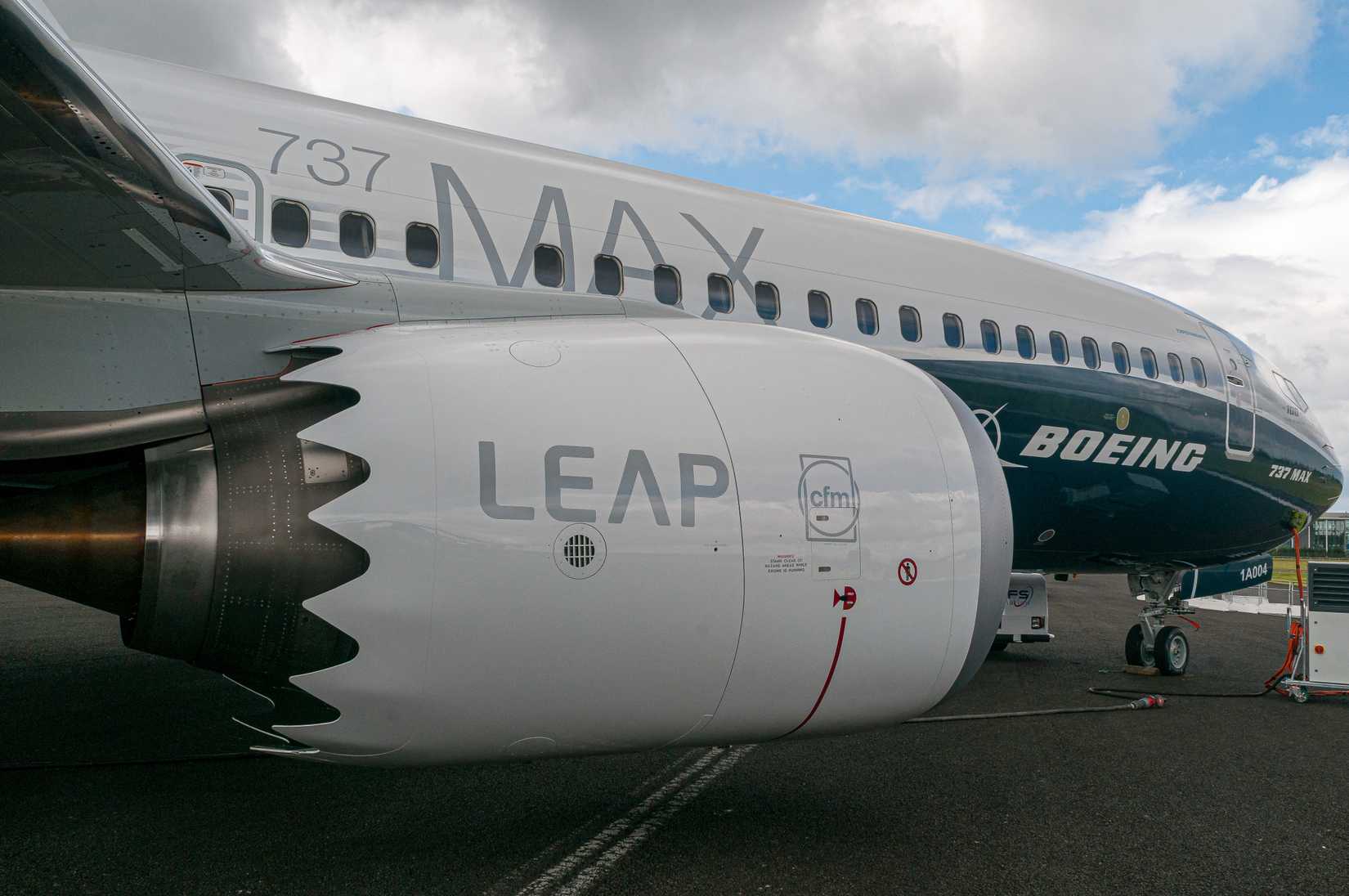
The 737 MAX only comes with the CFM LEAP-1B, just like its predecessors exclusively used the CFM56. The Airbus A320neo comes with the CFM LEAP-1A and the Pratt & Whitney PW1100G, essentially the successor to the IAE V2500 but without Rolls-Royce’s involvement. Across the board, however, aircraft manufacturers have moved away from dual sourcing.
The Boeing 787 is the only in-production widebody with multiple engine options (Trent 1000 or GEnx). The out-of-production A380 also came with two engine options (Trent 900 or GP7200). However, the Airbus A350 is only offered with the Rolls-Royce Trent XWB. The first-generation 777 came with three engine options, but then the second-generation came with only the GE90, and the 777X only has the GE9X. The 747 went from three choices to one, and the A330neo only has the Trent 7000.
|
Aircraft |
Engines |
Refresh |
Engines |
Refresh |
Engines |
|---|---|---|---|---|---|
|
Airbus A330 |
General Electric CF6 Pratt & Whitney PW4000 Rolls-Royce Trent 700 |
Airbus A330neo |
Rolls-Royce Trent 7000 |
||
|
Boeing 777 (777-200/200ER/300) |
General Electric GE90 Pratt & Whitney PW4000 Rolls-Royce Trent 800 |
Boeing 777 (777-200LR/300ER/777F) |
General Electric GE90 |
Boeing 777X |
General Electric GE9X |
|
Boeing 747 (747-100/200/300/SP) |
General Electric CF6 Pratt & Whitney JT9D Rolls-Royce RB211 |
Boeing 747-400 |
General Electric CF6 Pratt & Whitney PW4000 Rolls-Royce RB211 |
Boeing 747-8 |
General Electric GEnx |
Offering multiple engines increases market appeal for a variety of airlines, but it increases development costs for both aircraft and engine manufacturers, as the engine and aircraft have to be altered to accommodate new pairings, and each aircraft-engine combination needs to be individually certified. In an age of more stringent regulatory requirements and rising certification costs, this has made multiple engine offerings uneconomical for many manufacturers.
Rundown Of The Boeing 737’s Engines

The Boeing 737 has long been equipped with only CFM engines. While the initial 737-100 and 737-200 models came with the Pratt & Whitney JT8D, the CFM56-3 proved good enough that it replaced Pratt & Whitney for the 737 Classic, in an era when offering multiple engines was just becoming popular. When the 737NG came around, the CFM customer base was large enough that another engine option to increase market appeal wasn’t necessary.
Today, exclusivity deals are becoming more common. The cost of development and certification often prohibits dual sourcing. Airbus widebodies only come with Rolls-Royce engines, while the 777 only comes with General Electric engines. The 737 is still all CFM, while the A320neo has two engines that directly succeed the motors on its predecessors. The 787 is the outlier, although the GEnx powers a vast majority of Dreamliners.
source