



The Airbus A350 is one of the most dynamic aircraft ever built, and it was designed to resist corrosion far better than earlier aluminum airframes because the corrosion-prone metal is replaced and protected. Over 70% of the aircraft’s structure uses advanced materials, more than 50% carbon-fiber composites plus titanium and modern aluminum-lithium compounds. This allows large surface areas to not undergo electrochemical rusting, with fewer fasteners and joints in classic corrosion hotspots. Where metals are present, Airbus selects alloys with resistance capabilities and applies barrier systems that isolate dissimilar metals to prevent galvanic couples. These systems are designed for drainage and sealing.
From an operational perspective, modern maintenance and non-destructive testing are necessary catalysts to prevent corrosion from becoming a serious issue with the aircraft. The Airbus A350 has a composite center wing box, with wings and fuselage panels designed to reduce fatigue cracking that exposes metal and limits corrosion. There were issues involving the corrosion of cosmetic paint surfaces that arose with 

Composites Shrink Corrosion-Exposed Real Estate

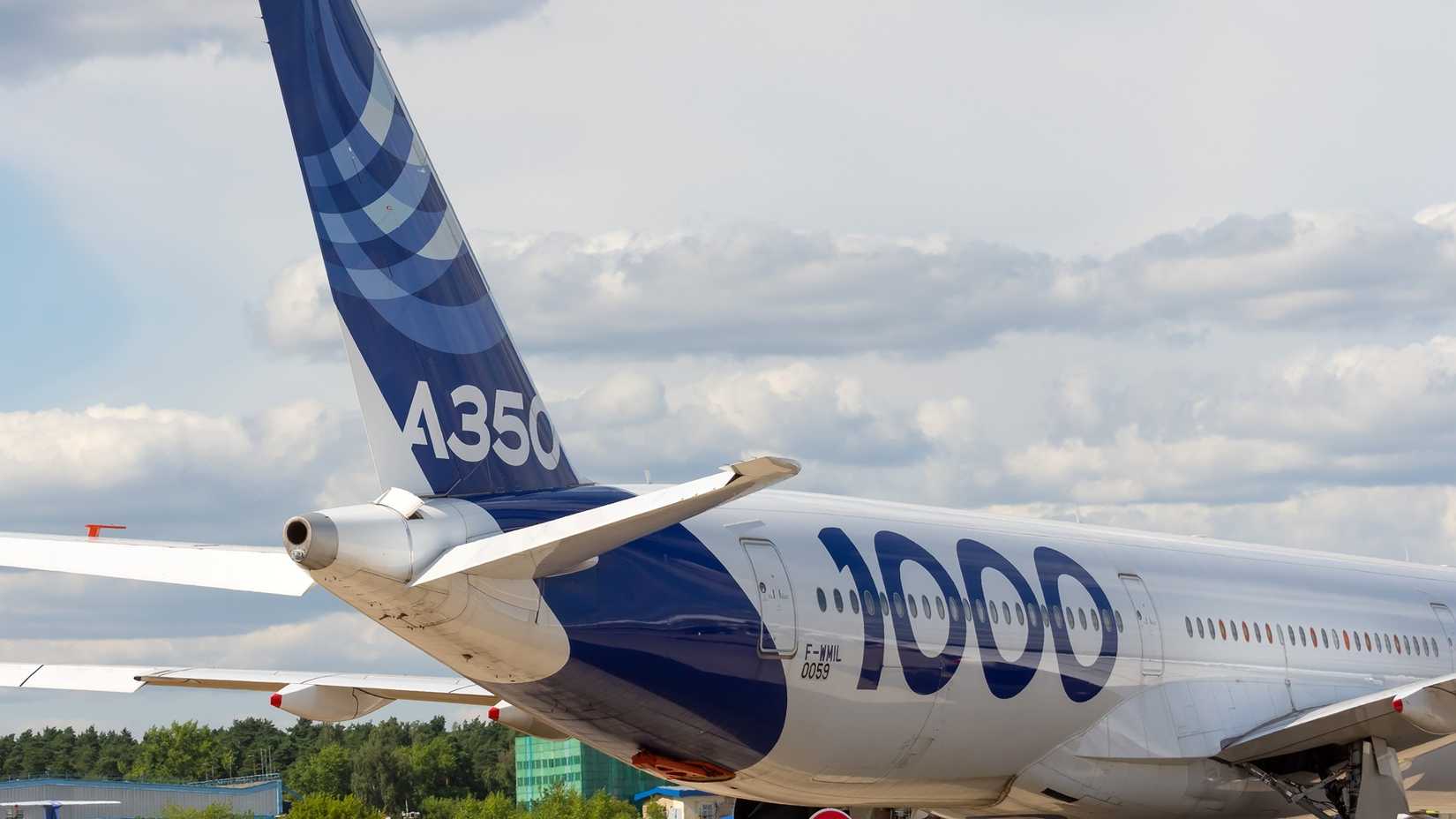
The Airbus A350’s ability to resist corrosion begins with what the aircraft is made of, with Airbus shifting away from a traditional aluminum airframe to what it describes as “advanced materials” over half of the aircraft’s primary structure, including fuselage panels, wing covers, and the aircraft’s center wing box. All of these are built from carbon-fiber reinforced plastic (CFRP), with the balance dominated by titanium and aluminum-Lithium.
The aircraft’s carbon fibers are maintained in a polymer matrix, which is both electrically insulating and chemically stable, which ensures that the structure does not go through electrochemical rusting, the way most metals do when they are exposed to electrolytes. Just as important, a large, integrated composite skin allows the Airbus A350 to avoid corrosion, and cleaner load paths with fewer joints, fasteners, and lap splices lead to fewer places where corrosion can occur.
Metals are still indispensable in a few areas of a jet, including hard points, landing gear interfaces, engine pylons, and high-heat zones. Corrosion-tolerant alloys are deliberately chosen for these components, including titanium, which performs exceptionally well in hot and high-stress environments, and aluminum-lithium, which offers a lower density and improved toughness in comparison with traditional aluminum-based alloys. The result of this is an aircraft with a structure that is not very exposed to corrosion, especially in comparison to earlier Airbus widebody aircraft like the Airbus A330. As a result, the aircraft requires significantly less maintenance and has lower operational costs, something critical for any airline looking to operate the intercontinental widebody aircraft.
Composites Act As An Interface For Corrosion-Exposed Areas
For corrosion to occur, three conditions must be met. Bare metal must be exposed, moisture and salt must be present in the environment, and small hiding spots (such as gaps, cracks, or seams) must be available for wet materials to be exposed to. The Airbus A350 replaces a lot of metal with these carbon-fiber reinforced plastics (CFRPs), which are essentially plastics with strong fibers in them. Plastics are not metals, so they do not rust, and they have a glue that acts like a raincoat that prevents moisture from soaking in.
Big composite components are made in large pieces, so the seams, joints, and bolt holes, which would traditionally be exposed to corrosion, no longer exist. Fewer seams result in much fewer places for salt water to lurk and thus start corrosion. Metals tend to form small cracks over time, which result from repeated stress. However, these cracks allow moisture to creep under the paint, leading to corrosion. These composites don’t allow these kinds of metal microcracks to form, allowing the aircraft’s paint system to stay intact for a longer period of time.
Carbon components must connect to metals (including bolts and fittings), requiring Airbus to include insulating layers and sealants in the aircraft’s construction. This stops what is referred to as a battery effect when two different metals interact when moisture is involved. The bottom line here is that fewer ingredients for corrosion are included in the Airbus A350’s design, and those that are have very few places to start. This results in fewer shop visits and longer gaps between inspections, meaning the aircraft can spend more time flying and generating a profit.
Airlines Don’t Sit Around Waiting For Rust To Occur


Modern airlines are not sitting around waiting for rust to occur. They are taking active steps to manage their fleets and prevent rust from taking root. Carriers are constantly watching out for rust, preventing it through extensive maintenance procedures. Carriers coat vulnerable spots, such as bolts and seams, with a rust-preventing paste, and then they apply primers and paints to protect these components.
Aircraft are stored dry, with covers and desiccants being used for this purpose. Fuels and oils with inhibitors are used to prevent tanks and engine components from corroding. Non-destructive tests are run to check for paint chips and discoloration. An ultrasound is also used to detect thinning metal underneath paint, and other imaging techniques are employed to observe tiny cracks near fasteners. X-rays are also used to detect other types of hidden flaws, and magnetic checks are performed on steel, according to Airbus, the manufacturer.
|
Technique: |
Examples: |
|---|---|
|
Anti-corrosion construction |
|
|
Proactive monitoring |
|
The Airbus A350’s skin does not corrode, so inspections need to focus on the smaller amount of metals that are inside the aircraft’s joints. This makes it simple to screen high-risk corrosion areas, making the inspection procedure both cost-efficient and more fruitful. Identifying the root causes of any issues that may arise enables aircraft technicians to pinpoint and diagnose the underlying problems in these situations quickly.
A Notable Series Of Incidents Involving Qatar Airways


There have been some incidents in which issues related to the A350’s paint have led to high-profile issues regarding the aircraft’s corrosion. Qatar Airways, a major operator of the Airbus A350, found cracks and peeling in the paint on its aircraft, which exposed a sub-layer that was used for lightning protection. It immediately identified the situation as a safety issue and grounded a portion of the fleet.
Airbus quickly admitted that there were quality flaws, but that this was purely a cosmetic issue that did not affect aircraft safety. European aerospace regulators backed up Airbus on this. A high-stakes legal fight ensued, with Airbus even canceling some of Qatar Airways’ orders for new jets.
Despite months of legal entanglement, the two parties eventually reached an agreement in the early months of 2023. The two parties signed a confidentiality agreement, repairs were quickly agreed on, and Qatar Airways did not hesitate to put its Airbus A350s back into service. This dispute was ultimately about surface quality, rather than deeper corrosion-related issues or structural weaknesses, highlighting how seriously airlines and regulators take even minor defects on an individual aircraft.
What Does All Of This Mean For Airlines?

We identify the improvements in corrosion prevention undertaken by Airbus for the Airbus A350 program as a major selling point for the jet. The specific aircraft in question does have several important selling points, which industry analysts will be quick to point out. These include best-in-class fuel efficiency, impressive range, advanced flight control systems, and a near-unmatchable reputation for offering exceptional passenger comfort.
Nonetheless, there are a few places where the Airbus A350 outshines its competitors in ways that really do matter to airline financials that often go underdiscussed during earnings calls or in high-profile headlines. Specifically, the peace of mind that corrosion-limited aircraft bring to an aircraft operator cannot be understated. It allows them to forecast significantly lower maintenance expenses and deploy their resources in different ways.
Maintenance networks and shop capabilities are often the most significant individual factor limiting an airline’s ability to expand. Space in overhaul hangars is extremely limited, and thus having fleets that spend less time in the hangar is exceptionally valuable. In today’s era of airport congestion and slow-moving supply chains, corrosion-free, reliable aircraft are among the most critical assets that any modern airline can have.
Corrosion Resistance Has Driven Airbus A350 Sales

The Airbus A350 has been a major commercial success for the European manufacturer in terms of orders, deliveries, and demand. As of mid-2025, approximately 1,435 of these models have been ordered by airlines and lessors worldwide, making it one of the best-selling wide-body aircraft ever.
Of these orders, 674 have been delivered, with more than 750 currently awaiting delivery in the aircraft’s backlog. Most of the orders are split between the aircraft’s two major models, the A350-900 and the A350-1000, while the freighter version of the aircraft, the Airbus A350F, has received orders but has not entered service.
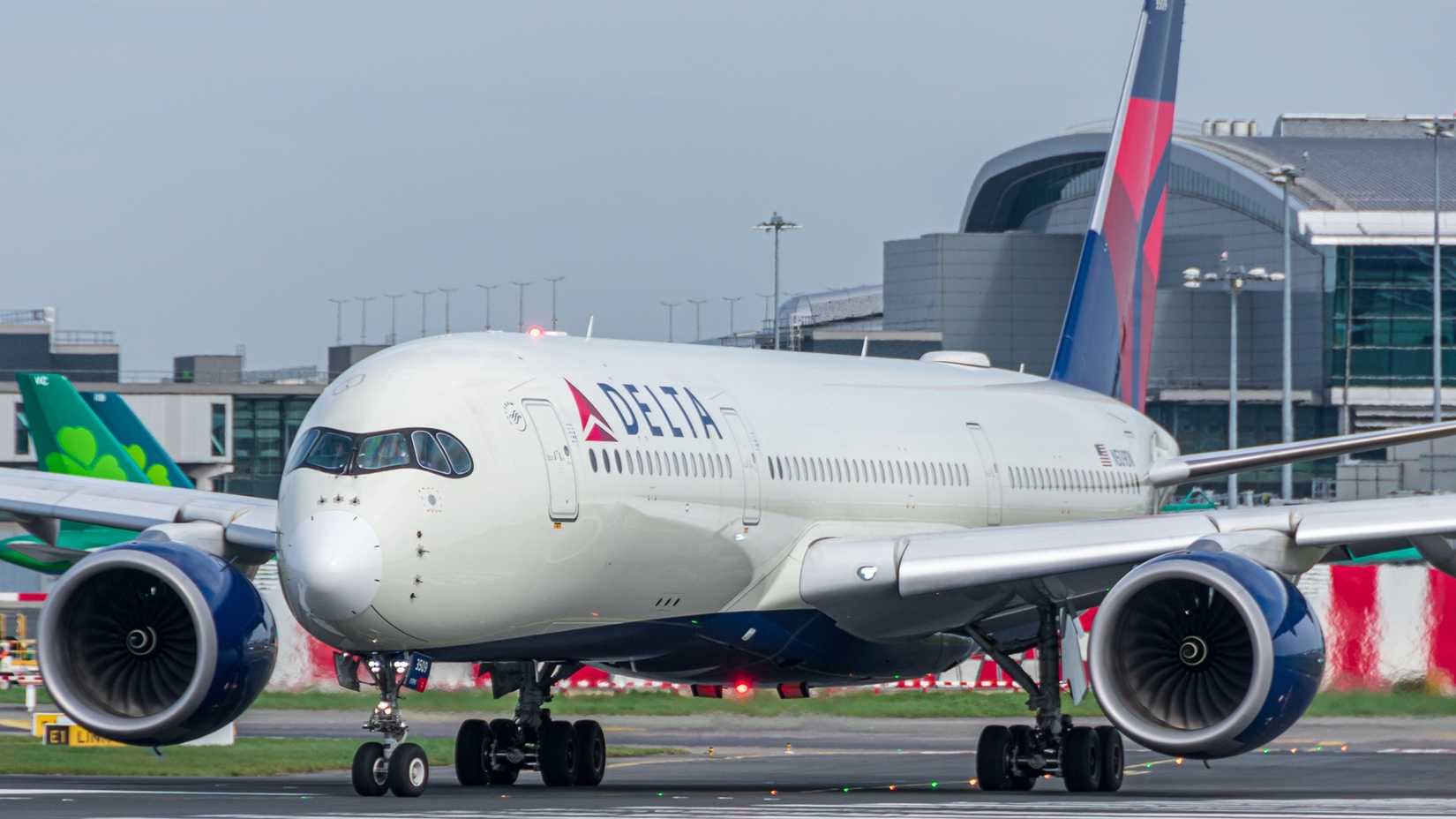
Some of the airline’s biggest customers include Turkish Airlines, Qatar Airways, Singapore Airlines, and Delta Air Lines, all of which have praised the aircraft’s corrosion-free nature. Large orders for the Airbus A350 continue to pour in from key operators, including 25 Airbus A350-1000s, which were ordered by Riyadh Air, according to reports from Business Insider.


- First Delivery
-
February 20, 2018
- Number Delivered
-
613
- Production Sites
-
Toulouse, France
source