


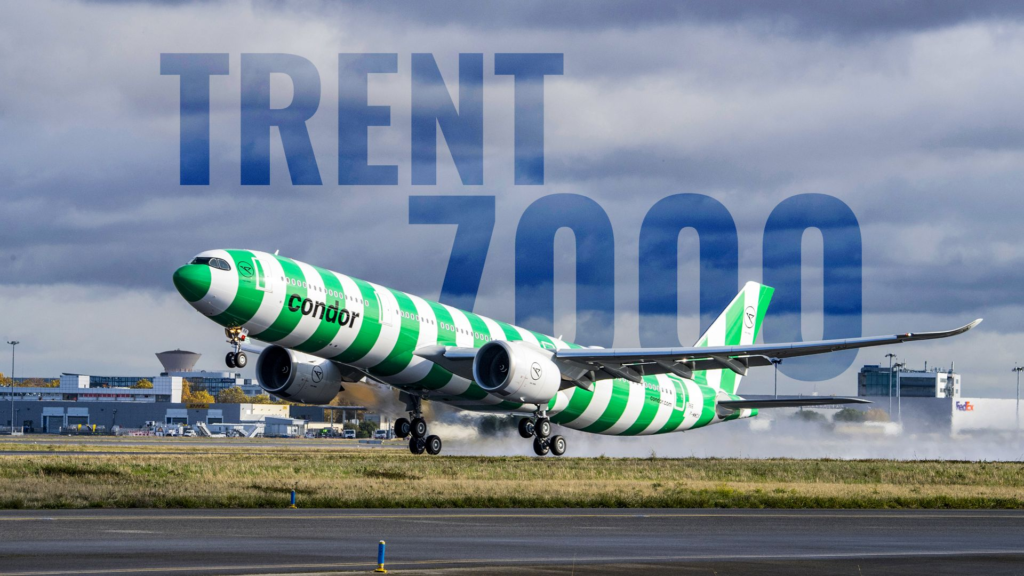
For most of its production life, the A330ceo stood out as one of the few widebody aircraft that offered true engine choice. Airlines could select between the General Electric CF6-80E1, the Pratt & Whitney PW4000-100, or the Rolls-Royce Trent 700. That flexibility helped grow the A330ceo into a global long-haul workhorse with wide operator appeal. However, shifting market conditions in the early 2010s pushed Airbus to modernize the platform while avoiding the cost of a clean-sheet aircraft.
Airbus launched the A330neo in 2014 with a clear goal: deliver modern fuel efficiency at a significantly lower development cost. As the Boeing 787 captured market share with next-generation engines and aerodynamics, Airbus opted to upgrade the Airbus A330 instead of replacing it outright. With the program limited to roughly $2 billion, adding multiple engine options would have dramatically increased development costs, extended certification timelines, and complicated production. This new environment led Airbus to pivot from engine choice toward an exclusive powerplant arrangement for the A330neo.
Inside The Trent 7000

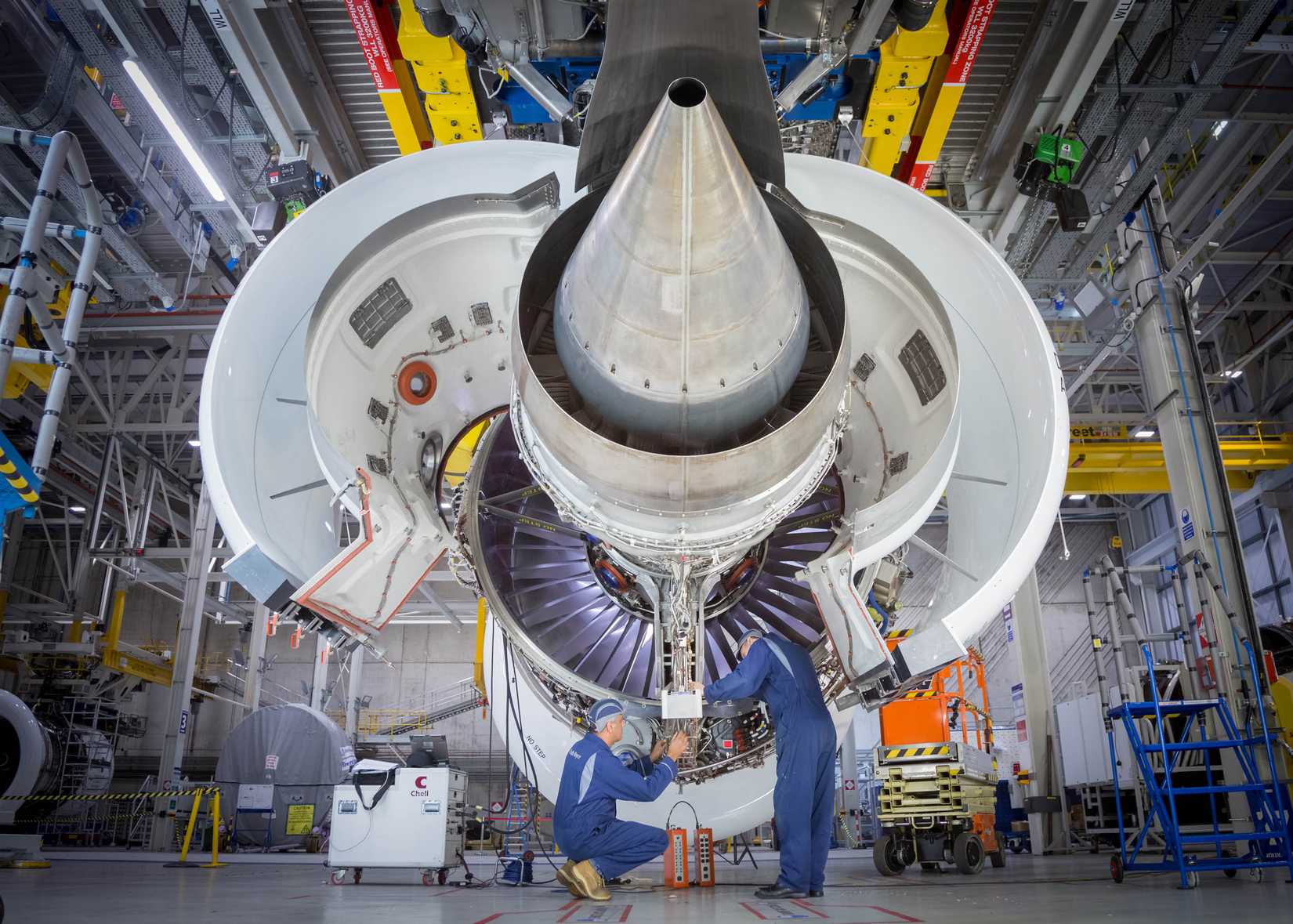
The Rolls-Royce Trent 7000 is the technological cornerstone of the A330neo. Based on the Rolls Royce Trent 1000 TEN and leveraging core technology from the trent XWB, it introduces significant improvements while maintaining a traditional bleed-air system compatible with the A330’s architecture. The engine’s 112-inch fan, 10:1 bypass ratio, and approximately 50:1 pressure ratio place it in the same efficiency class as engines powering the 787.
The Trent 7000 offers roughly 11% lower specific fuel consumption compared to the Trent 700, while reducing perceived noise by about six decibels. At takeoff, the fan moves up to 1.3 tons (1,180 kg) of air per second, enabling a thrust range of 68,000 to 72,000 pounds-force (302 to 320 kN). The engine is also compatible with 100% sustainable aviation fuel, a capability that positions it well for future emissions-reduction requirements.
|
A330 Types |
Engine Types |
|
|---|---|---|
|
A330 CEO |
A330-200 A330-200F A330-300 |
General Electric CF6-80E1, Rolls-Royce Trent 700, Pratt&Whitney PW4000-100 |
|
A330 NEO |
A330-800 A330-900neo |
Rolls-Royce Trent 7000 |
Durability enhancements have further supported its in-service performance. Rolls-Royce has more than doubled the average time on wing for engines delivered after 2022 through changes in materials, cooling, and coatings. Dispatch reliability remains around 99.9%, a critical metric for long-haul operators. A second improvement package scheduled for the second half of the decade is expected to boost durability by up to 30%, reinforcing long-term operational stability.
Optimized As One Package

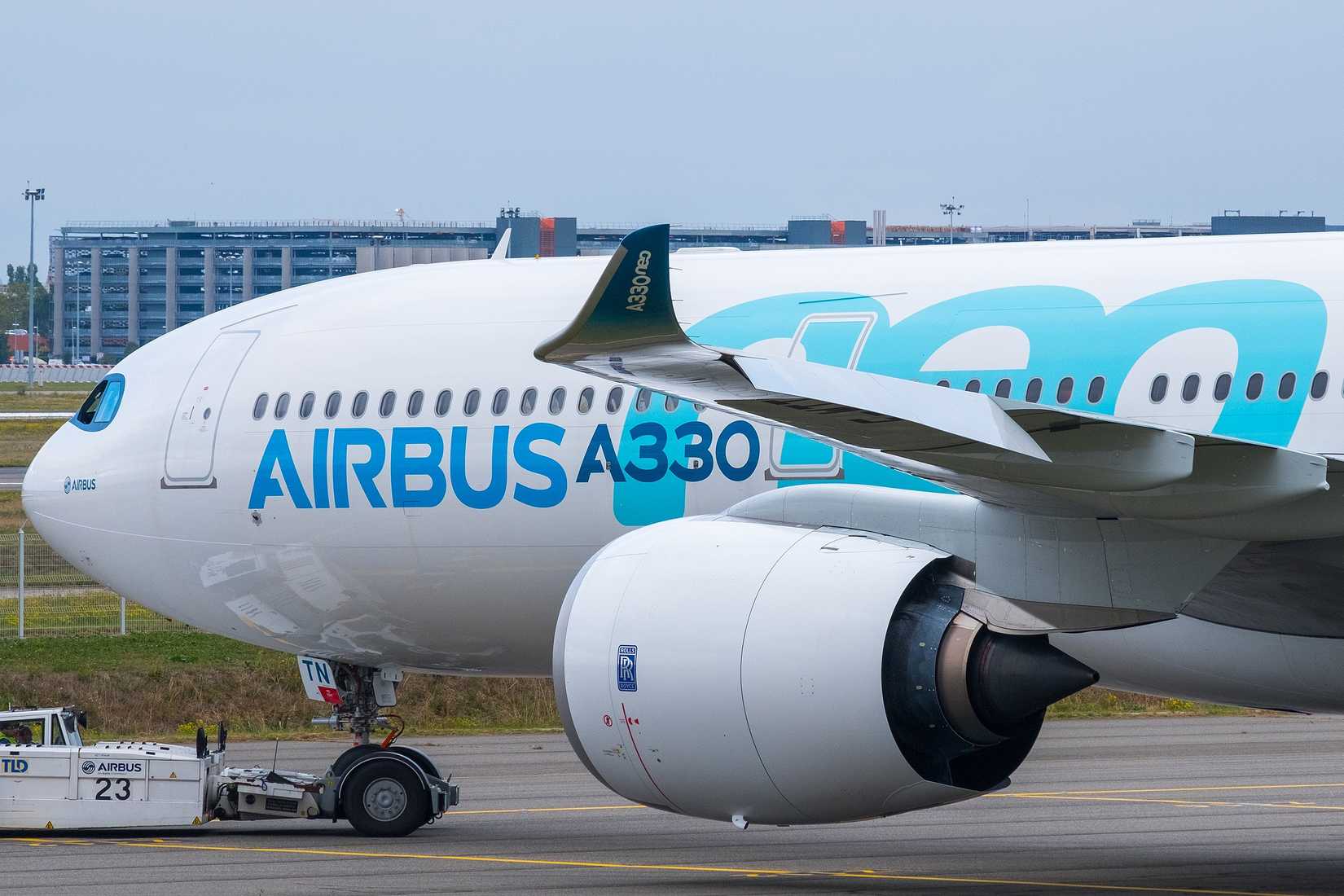
Although often described as a re-engined A330, the A330neo reflects deeper aerodynamic refinement. Airbus used advanced computational fluid dynamics to reshape the wing twist, camber, and belly fairing while adding new composite wing extensions. These modifications increased the wingspan to 64 meters (210 feet) and raised the aspect ratio to 11, significantly improving lift-to-drag performance.
Such aerodynamic upgrades required nacelles and pylons designed specifically for the Trent 7000. The engine’s large fan diameter, unique airflow characteristics, and weight profile meant that alternative powerplants would have required different structural interfaces. Supporting multiple engines would have forced Airbus to compromise on aerodynamics or add structural weight, reducing efficiency and contradicting the program’s objectives.
When combined, the new wing design and larger engine deliver approximately twelve percent lower fuel burn per trip than the A330ceo. The Airspace cabin layout allows additional seating that improves fuel burn per seat by up to 14%. These gains rely on treating the aircraft and engine as a single integrated system, an approach that would not have been possible if multiple engine types had been offered.


Why Did Airbus Give The A330neo New Rolls-Royce Trent 7000 Engines?
The Airbus A330neo is the only aircraft to be powered by the Rolls-Royce Trent 7000 Engines. What makes these turbofans different from the rest?
The Business Case For Exclusivity


Alongside technical considerations, commercial arguments strongly supported an exclusive engine arrangement. Airbus notes that designing an aircraft for multiple engine types can add hundreds of millions of dollars in development and certification expenses. For a derivative aircraft intended to offer strong economics, reducing redundant engineering and flight-test requirements was essential.
Rolls-Royce strengthened the business case by offering Airbus favorable terms in exchange for exclusivity. For Rolls-Royce, the A330neo provides a long-term production platform that complements the Trent XWB on the Airbus A350. For Airbus, exclusivity guarantees predictable program costs, streamlined certification, and simplified manufacturing. The partnership reduces risk and supports the A330neo’s market positioning as a cost-efficient widebody.
This trend mirrors broader industry developments. Boeing selected the GE9X as the exclusive powerplant for the Boeing 777X, and Airbus uses the Trent XWB as the sole engine for the A350. As modern turbofans become more thermally demanding and expensive to develop, aircraft manufacturers increasingly pursue exclusive engine partnerships to ensure deep integration and controlled program cost.
What Airlines Gain In Practice
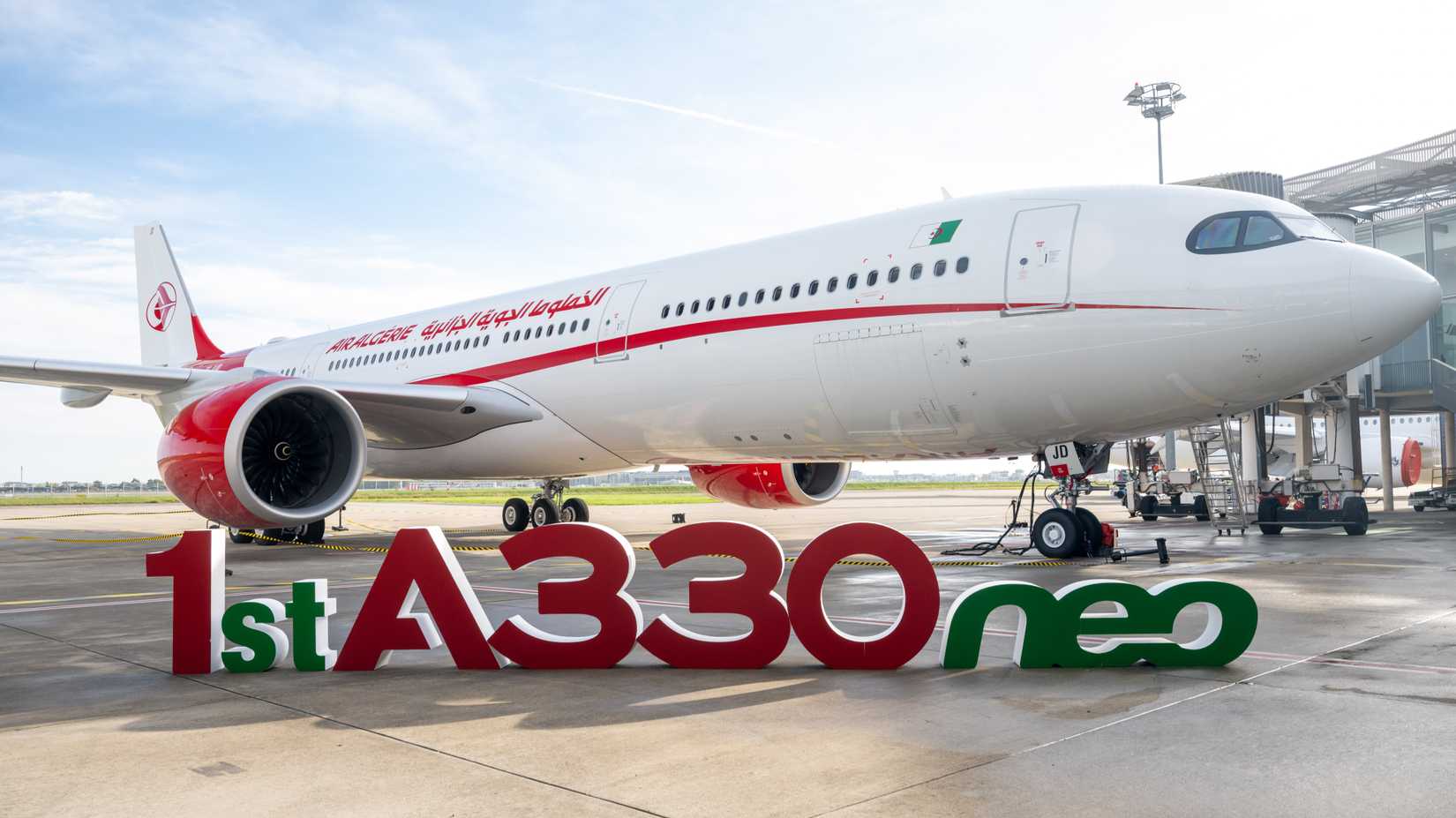
Airlines have experienced tangible benefits from the A330neo and Trent 7000 pairing. Air Algerie is using the A330-900neo to replace older A330-200s and expand into Asia and Africa. The airline reports roughly 14% lower fuel burn per seat, quieter operations, along with the range needed to operate long-haul routes such as Algiers–Beijing without payload restrictions. The fuel-burn improvements also enhance the airline’s competitiveness in markets facing strict emissions regulations.


Leisure and low-cost carriers also benefit from the aircraft’s economics. Cebu Pacific operates a dense Airbus A330-900 configuration that takes advantage of low seat-mile costs, while Condor is using the type as part of a broader sustainability-driven fleet renewal program. These examples show how the A330neo’s unified engine and airframe design delivers consistent value across different business models.
The Trade-Off: Less Competition


Engine exclusivity introduces certain disadvantages for airlines and lessors. Historically, multiple engine suppliers encouraged competition, often driving lower prices and more favorable maintenance agreements. Without this dynamic, airlines lose a key negotiating tool when managing long-term support contracts. Industry leaders have noted the drawbacks of limiting engine choice on major widebody platforms.
Early in the A330neo’s development, some carriers were concerned about the Trent 7000’s relationship to the Trent 1000, which had experienced durability issues on the 787. Rolls-Royce has clarified that the Trent 7000 incorporates different architecture, updated materials, and revised cooling paths. In practice, the engine has demonstrated stable performance and strong reliability across global fleets, easing initial concerns.
Nevertheless, a single supplier structure concentrates operational risk. Supply chain delays, spare engine bottlenecks, or unforeseen technical issues can affect all operators. While Rolls-Royce continues to improve support availability, airlines acknowledge that exclusive programs inherently carry more operational exposure than multi-engine platforms.

7 Ways Airbus Made The A330neo Different From The Original A330
The A330neo represents progress in seven key areas compared to the older A330ceo.
A Wider Shift In The Industry
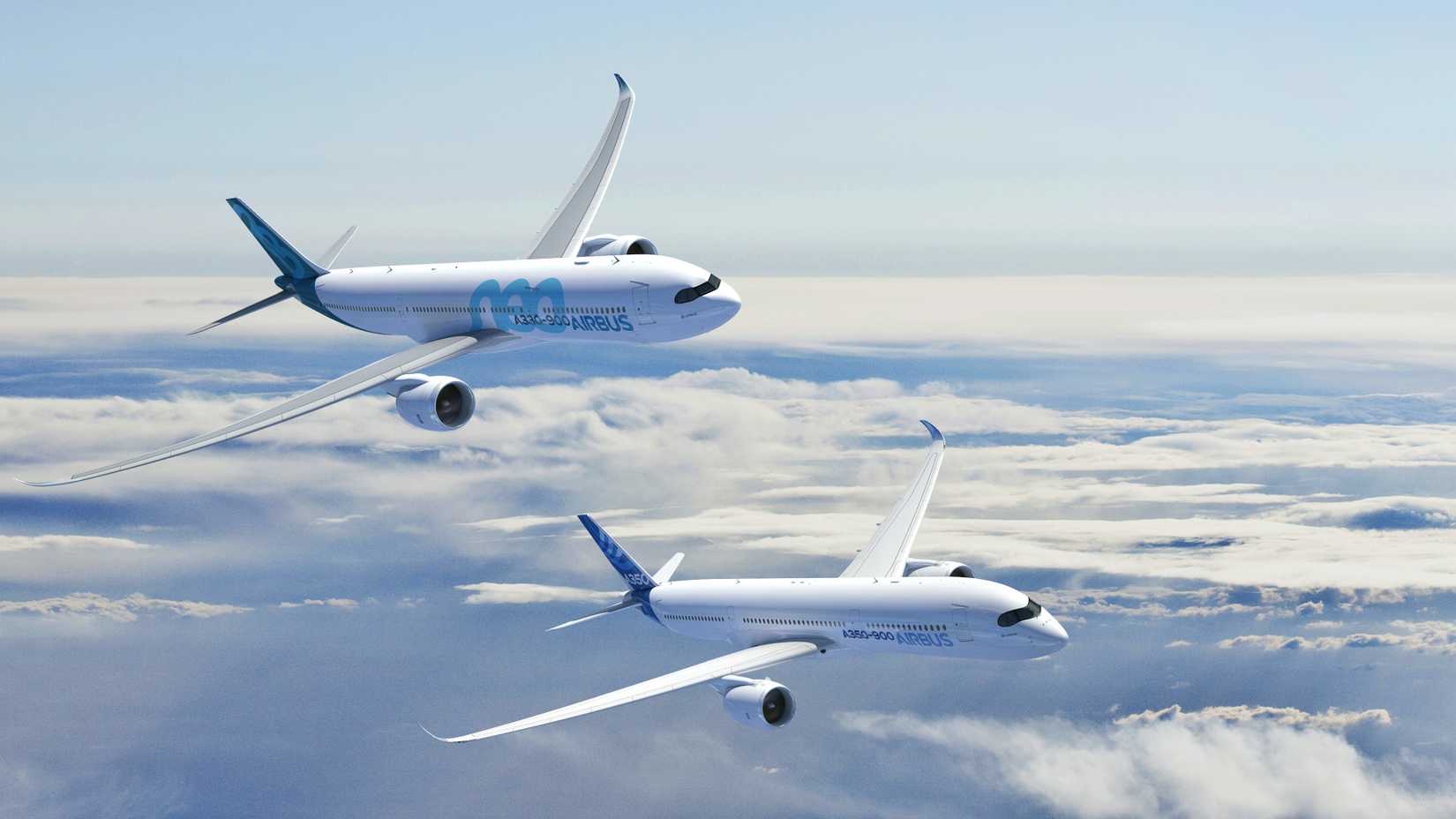
The A330neo reflects a broader shift toward exclusive engine arrangements across the commercial aviation sector. The Boeing 777X relies solely on the GE9X, the A350 exclusively uses the Trent XWB, and the Airbus A220 is powered only by the Pratt & Whitney PW1500G. These examples illustrate how tightly integrated aircraft-engine ecosystems are becoming the standard rather than the exception.
Environmental regulations and efficiency targets reinforce this shift. Meeting ICAO CO₂ and NOx limits requires deep coordination between aerodynamic design, engine performance, and nacelle integration. Supporting multiple engine types would require compromises in structural optimization or airflow management, limiting the ability to meet modern performance requirements. Exclusive pairings allow manufacturers to maximize aerodynamic and thermal efficiency.
Financial considerations also shape this trend. Developing a new generation widebody engine requires multi-billion-dollar investment, and engine makers need confidence in production volume. Exclusive partnerships offer stability and reduce commercial risk, making them increasingly attractive compared to open engine competition.
Conclusion: Built Around One Engine

Airbus, Simple Flying
The A330neo’s identity is inseparable from the Trent 7000. Airbus sought a modernized widebody capable of offering competitive fuel efficiency without the cost of a clean-sheet aircraft, and the Trent 7000 provided the performance needed to achieve that goal. By selecting a single engine, Airbus reduced development costs, streamlined certification, and optimized the aircraft’s aerodynamic design around a unified propulsion system.
While exclusivity reduces competition and places more operational responsibility on a single supplier, the benefits for most operators are clear. Lower operating costs, improved reliability, and consistent long-haul performance have made the A330neo a compelling option for airlines seeking an affordable widebody solution. As airframe and engine technologies continue to evolve together, the A330neo stands as an example of how integrated partnerships define the next generation of commercial aircraft.
In effect, the A330neo was not merely equipped with the Trent 7000; it was built around it. The aircraft’s performance and long-term value are shaped by this strategic alignment, underscoring how exclusive engine relationships increasingly influence widebody development.
source